
In today’s dynamic financial landscape, understanding current loan rates is not just a matter of curiosity; it’s a critical component of prudent financial planning for individuals, families, and businesses alike. Whether you’re considering buying a home, financing a new car, consolidating debt, or expanding a business, the prevailing interest rates can significantly impact the overall cost of borrowing and your financial health. These rates are a complex interplay of global economic forces, central bank policies, market sentiment, and individual borrower profiles. This article delves into the nuances of current loan rates, exploring what drives them, how they vary across different loan types, and strategies for navigating this essential aspect of personal and business finance.
Understanding the Fundamentals of Loan Rates
Before diving into the specifics of current rates, it’s crucial to grasp the foundational concepts that underpin how loan interest is calculated and applied. A clear understanding of these basics empowers borrowers to make more informed decisions and effectively compare different loan offers.
Defining Loan Rates and APR
At its core, a loan rate, or interest rate, is the cost of borrowing money, expressed as a percentage of the principal amount. It represents the fee charged by a lender to a borrower for the use of assets. However, the interest rate alone doesn’t always tell the full story. The Annual Percentage Rate (APR) provides a more comprehensive measure of the total cost of borrowing. APR includes not only the interest rate but also other fees associated with the loan, such as origination fees, discount points, and some closing costs. For instance, while a mortgage might have a low advertised interest rate, its APR could be higher due to various fees. Comparing APRs across different lenders for the same loan type offers a more accurate picture of the true cost of borrowing.
The Role of the Federal Reserve (or Central Bank)
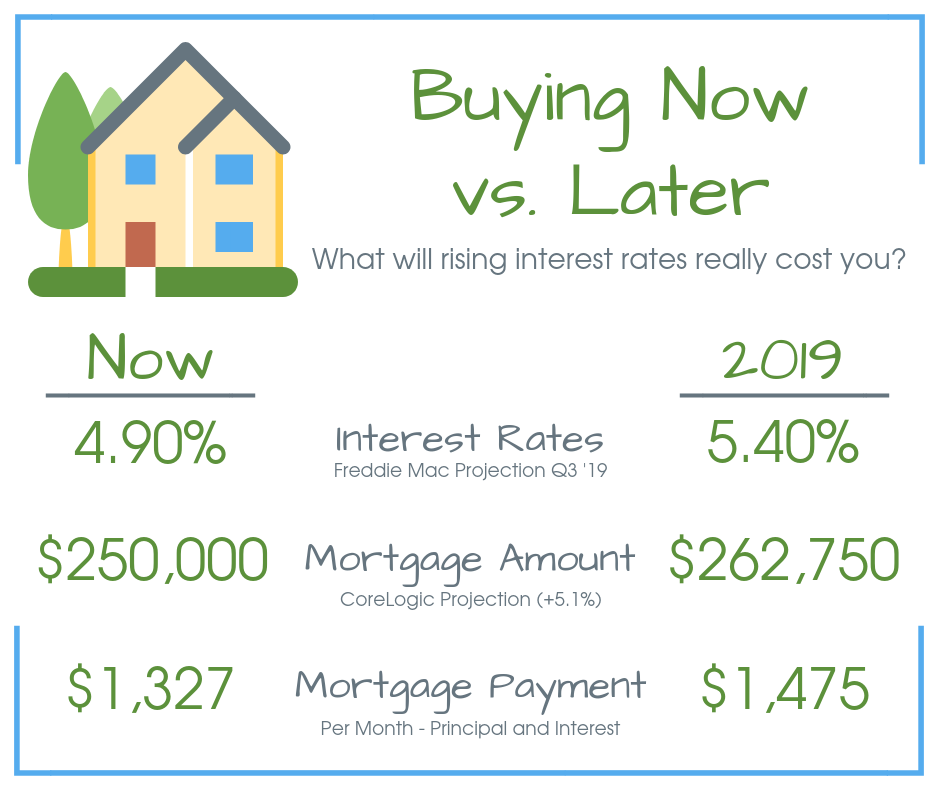
Central banks, such as the Federal Reserve in the United States, play a pivotal role in influencing loan rates across the economy. The Federal Reserve primarily does this through its monetary policy decisions, most notably by adjusting the federal funds rate. This is the target rate for overnight lending between banks. When the Federal Reserve raises the federal funds rate, it becomes more expensive for banks to borrow from each other, a cost that is then typically passed on to consumers and businesses in the form of higher interest rates on various loans, from mortgages to credit cards. Conversely, a reduction in the federal funds rate generally leads to lower borrowing costs. These adjustments are made in response to economic indicators like inflation, unemployment, and economic growth, aiming to stabilize the economy.
Supply and Demand Dynamics
Beyond central bank actions, the fundamental economic principles of supply and demand also significantly influence loan rates. The “supply” in this context refers to the amount of money available for lending, primarily from banks, financial institutions, and investors. The “demand” is the total amount of money that individuals and businesses want to borrow. If there is an abundance of capital available for lending (high supply) and relatively low demand from borrowers, lenders may lower their interest rates to attract more customers. Conversely, if demand for loans is high and the supply of available capital is constrained, lenders can charge higher rates due to increased competition among borrowers. Global capital flows, national savings rates, and government borrowing needs can all impact this delicate balance.
Key Factors Influencing Current Loan Rates
Current loan rates are not static; they are in a constant state of flux, shaped by a multitude of interconnected economic, market, and individual factors. Understanding these drivers helps in anticipating future rate movements and timing borrowing decisions strategically.
Economic Indicators
The health and direction of the broader economy are paramount in determining loan rates. Several key economic indicators are closely watched by lenders and central banks:
- Inflation: High inflation erodes the purchasing power of money over time. Lenders typically demand higher interest rates during inflationary periods to compensate for the reduced value of future repayments. Central banks often raise rates to combat inflation.
- Unemployment Rates: Low unemployment generally signals a strong economy, potentially leading to increased consumer spending and demand for loans, which can put upward pressure on rates. Conversely, high unemployment often indicates a weaker economy, prompting central banks to lower rates to stimulate activity.
- Gross Domestic Product (GDP) Growth: Robust GDP growth suggests a thriving economy, encouraging investment and borrowing, and can be associated with higher rates. Slow or negative growth often leads to lower rates to spur economic activity.
- Consumer Confidence: When consumers feel optimistic about the economy and their financial future, they are more likely to take on debt for large purchases, influencing demand for loans.
Market Sentiment and Investor Confidence
Beyond raw economic data, the collective psychology of the market, or “market sentiment,” plays a significant role. If investors are confident about the future economic outlook, they may be more willing to invest in riskier assets, including corporate bonds, which can influence the cost of business borrowing. Geopolitical events, global financial stability, and even major news headlines can quickly shift market sentiment, leading to rapid fluctuations in bond yields and, consequently, loan rates. For instance, periods of high uncertainty often lead to investors seeking “safe-haven” assets, which can drive down yields on government bonds (like U.S. Treasuries), indirectly influencing other rates.
Lender-Specific Criteria
While macroeconomic factors set the baseline, individual lenders also apply their own criteria to determine the specific rate offered to a borrower. These criteria are designed to assess the risk associated with lending to a particular individual or business:
- Credit Score and History: A higher credit score (e.g., FICO score) indicates a lower risk of default, often qualifying borrowers for the most favorable rates. A strong payment history, low credit utilization, and a diverse credit mix are crucial.
- Debt-to-Income (DTI) Ratio: This ratio compares your total monthly debt payments to your gross monthly income. A lower DTI indicates that you have more disposable income to cover new debt, making you a less risky borrower.
- Loan-to-Value (LTV) Ratio (for secured loans): For mortgages or auto loans, LTV compares the loan amount to the appraised value of the asset. A lower LTV (e.g., a larger down payment) means less risk for the lender and can result in a lower interest rate.
- Loan Term and Type: Shorter loan terms generally carry lower interest rates than longer terms because the lender is exposed to risk for a shorter period. Fixed-rate loans also typically have slightly higher rates than adjustable-rate loans initially, due to the certainty they offer.
A Closer Look at Different Loan Types and Their Rates
Loan rates vary significantly depending on the type of loan, reflecting differing levels of risk, collateral, and market demand for specific financial products. Understanding these distinctions is crucial when seeking financing.
Mortgage Rates: Navigating the Housing Market
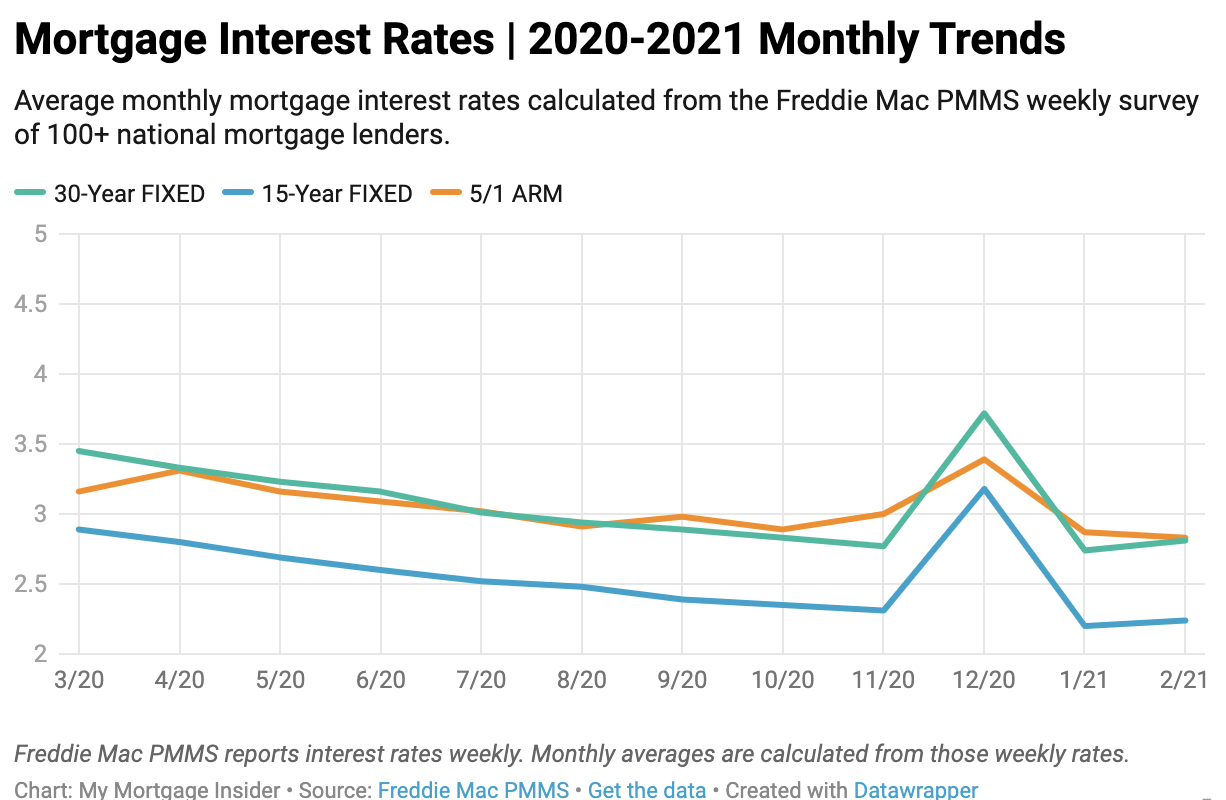
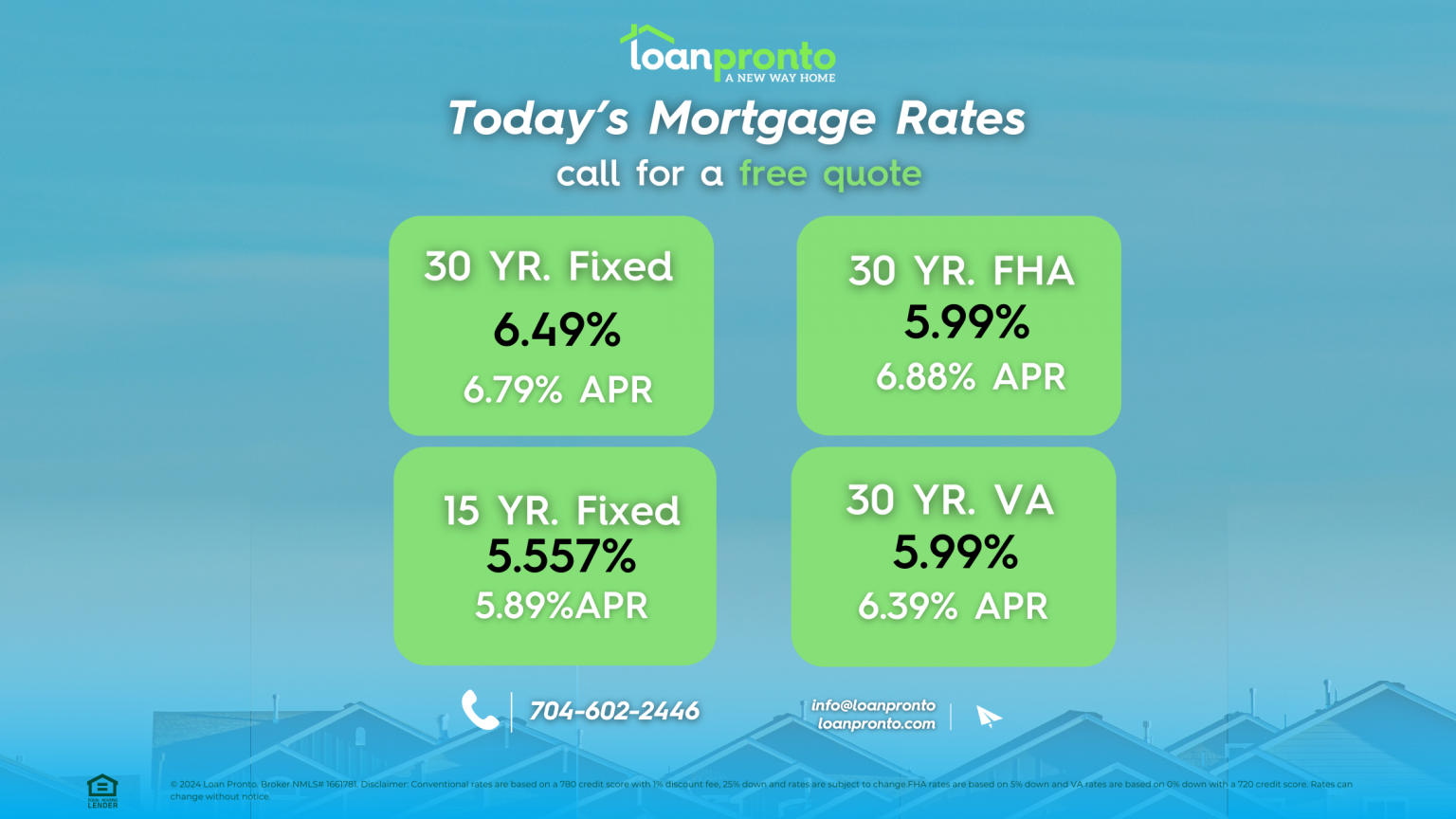
Mortgage rates are perhaps the most closely watched, given their profound impact on home affordability. They are influenced by the 10-year Treasury yield, inflation expectations, and Federal Reserve policy.
- Fixed-Rate Mortgages: Offer a consistent interest rate for the entire loan term (e.g., 15 or 30 years). These rates are typically slightly higher than initial adjustable rates but provide payment predictability.
- Adjustable-Rate Mortgages (ARMs): Start with a lower, fixed interest rate for an initial period (e.g., 5, 7, or 10 years), after which the rate adjusts periodically based on a market index. ARMs can be riskier if rates rise significantly.
- Conventional, FHA, and VA Loans: Conventional mortgages adhere to stricter credit standards. FHA (Federal Housing Administration) loans are government-insured and allow for lower down payments and credit scores. VA (Veterans Affairs) loans offer competitive rates and no down payment for eligible veterans. Each type has distinct rate structures and eligibility.
Personal Loan Rates: Flexibility for Various Needs
Personal loans are unsecured (no collateral) or secured and can be used for a wide range of purposes, from debt consolidation to unexpected expenses. Their rates are highly dependent on the borrower’s creditworthiness.
- Unsecured Personal Loans: These are the most common, relying solely on your credit history and income. Rates can range widely, from single digits for excellent credit to over 30% for those with poor credit.
- Secured Personal Loans: These are backed by collateral (e.g., a savings account or vehicle) and typically offer lower rates due to reduced risk for the lender.
Auto Loan Rates: Financing Your Ride
Auto loan rates are influenced by the newness of the vehicle, the loan term, and the borrower’s credit score.
- New vs. Used Cars: Loans for new cars generally have lower rates than those for used cars, as new cars are less risky due to their predictable depreciation and often come with manufacturer incentives.
- Dealer Financing vs. Direct Lenders: While dealer financing can sometimes offer promotional low rates, it’s often wise to compare offers from banks, credit unions, and online lenders for competitive options.
Student Loan Rates: Investing in Education
Student loan rates are critical for educational access and vary based on whether they are federal or private.
- Federal Student Loans: These loans typically offer fixed rates set by Congress, often lower than private loans, and come with borrower protections like income-driven repayment plans and deferment options. Rates can differ for undergraduate, graduate, and PLUS loans.
- Private Student Loans: Offered by banks and financial institutions, these rates can be fixed or variable and are highly dependent on the borrower’s (and co-signer’s) credit score. They generally offer fewer borrower protections.
Business Loan Rates: Fueling Growth
Business loan rates are influenced by the business’s financial health, industry risk, collateral, and the type of loan.
- Term Loans: Offer a lump sum of capital with a fixed repayment schedule. Rates depend on the loan term, creditworthiness of the business, and any collateral.
- Lines of Credit: Provide flexible access to funds up to a certain limit. Rates are typically variable and tied to a benchmark like the prime rate.
- SBA Loans: Small Business Administration (SBA) loans are partially guaranteed by the government, which reduces risk for lenders and often results in more favorable terms and lower rates for small businesses.
Strategies for Securing the Best Loan Rates
In a competitive lending environment, proactively taking steps to improve your borrowing profile can significantly impact the interest rates you qualify for, potentially saving you thousands over the life of a loan.
Bolstering Your Credit Profile
Your credit score and history are paramount to lenders. A strong credit profile signals responsibility and reliability.
- Check Your Credit Report Regularly: Dispute any errors that could negatively impact your score.
- Pay Bills on Time: Payment history is the most significant factor in your credit score.
- Reduce Debt: A lower credit utilization ratio (amount of credit used vs. available) can improve your score.
- Avoid Opening Too Many New Accounts: Each hard inquiry can temporarily ding your score.
- Maintain a Long Credit History: The longer your positive credit history, the better.
Shopping Around and Comparing Offers
Never settle for the first loan offer you receive. Different lenders have different risk appetites, overheads, and target markets, leading to variations in rates and terms.
- Get Pre-Approved: For mortgages and auto loans, getting pre-approved by multiple lenders gives you a clear idea of the rates you qualify for without committing.
- Compare APRs: As discussed, APR provides the true cost of borrowing, including fees, allowing for accurate comparisons.
- Consider Credit Unions: Often non-profit organizations, credit unions may offer more competitive rates and personalized service compared to larger banks.
Down Payments and Collateral
For secured loans like mortgages and auto loans, a larger down payment or valuable collateral can significantly reduce the lender’s risk and, consequently, the interest rate you are offered.
- Increased Equity: A substantial down payment on a home immediately gives you more equity, making you a less risky borrower.
- Reduced Loan-to-Value (LTV): A lower LTV ratio often translates to lower interest rates and can sometimes eliminate the need for private mortgage insurance (PMI).
Negotiating and Understanding Terms
While the interest rate is critical, the full terms and conditions of a loan can have a considerable impact on its overall cost and flexibility.
- Negotiate: Don’t be afraid to negotiate, especially with auto loans or personal loans, using competing offers as leverage.
- Read the Fine Print: Understand all fees (origination, closing, prepayment penalties), repayment schedules, and any clauses that allow for rate adjustments.
- Consider Shorter Terms: If affordable, a shorter loan term usually means a lower interest rate and less interest paid over the life of the loan, though monthly payments will be higher.
The Future Outlook for Loan Rates
Predicting the exact trajectory of loan rates is challenging, but understanding the major forces at play can help borrowers anticipate potential shifts and make timely decisions. The future outlook is largely shaped by economic projections and the actions of central banks.
Economic Projections and Fed Actions
Most financial analysts expect central banks to continue monitoring inflation closely while balancing economic growth. If inflation remains elevated, further rate hikes might be considered, pushing borrowing costs higher. Conversely, signs of economic slowdown or recession could lead central banks to pause or even reverse rate hikes to stimulate activity. Unemployment figures, consumer spending data, and manufacturing reports will be key indicators influencing these decisions. Borrowers should stay informed about central bank announcements and economic forecasts, as these often provide strong signals about future rate movements.
Impact of Global Events
In an increasingly interconnected world, global events can ripple through financial markets and influence domestic loan rates. Geopolitical conflicts, trade disputes, shifts in international monetary policy, and global supply chain disruptions can all affect inflation, investor confidence, and the demand for different currencies, ultimately impacting the cost of borrowing. For example, a flight to safety during global instability can drive down yields on highly-rated government bonds, which can, in turn, influence mortgage rates.
Adapting to Rate Changes
For borrowers, the key to navigating a fluctuating rate environment is adaptability and vigilance.
- Monitor Rates Regularly: Keep an eye on market trends, especially if you plan a major purchase or refinance.
- Be Ready to Act: If rates drop significantly, consider refinancing existing loans to secure a lower rate, particularly for mortgages or student loans.
- Build Financial Reserves: Having an emergency fund can reduce the need to take out high-interest loans during periods of rising rates or unexpected expenses.
- Consult a Financial Advisor: For complex borrowing decisions or long-term financial planning, a professional can provide tailored advice.
In conclusion, current loan rates are a multifaceted reflection of economic health, central bank policy, market dynamics, and individual creditworthiness. By understanding these intricate relationships and implementing strategic borrowing practices, individuals and businesses can effectively manage their debt, optimize their financial outcomes, and navigate the ever-evolving landscape of lending with confidence and insight.
aViewFromTheCave is a participant in the Amazon Services LLC Associates Program, an affiliate advertising program designed to provide a means for sites to earn advertising fees by advertising and linking to Amazon.com. Amazon, the Amazon logo, AmazonSupply, and the AmazonSupply logo are trademarks of Amazon.com, Inc. or its affiliates. As an Amazon Associate we earn affiliate commissions from qualifying purchases.