
In the intricate dance of market forces, consumer perception, and competitive landscapes, a brand is far more than just a logo or a product; it is a living entity, a promise, an experience. For any organization, large or small, navigating the complexities of establishing, growing, or evolving its brand requires a robust strategic framework. This is where the timeless questions – Why, What, Who, and When – emerge not merely as inquiries, but as the foundational pillars upon which enduring brands are built. These interrogatives are the crucible in which vague aspirations are forged into concrete strategies, guiding every decision from product development to communication. By systematically addressing each of these core components, brands can cultivate clarity, foster authenticity, and ultimately carve out a distinct and resonant presence in the hearts and minds of their audience.
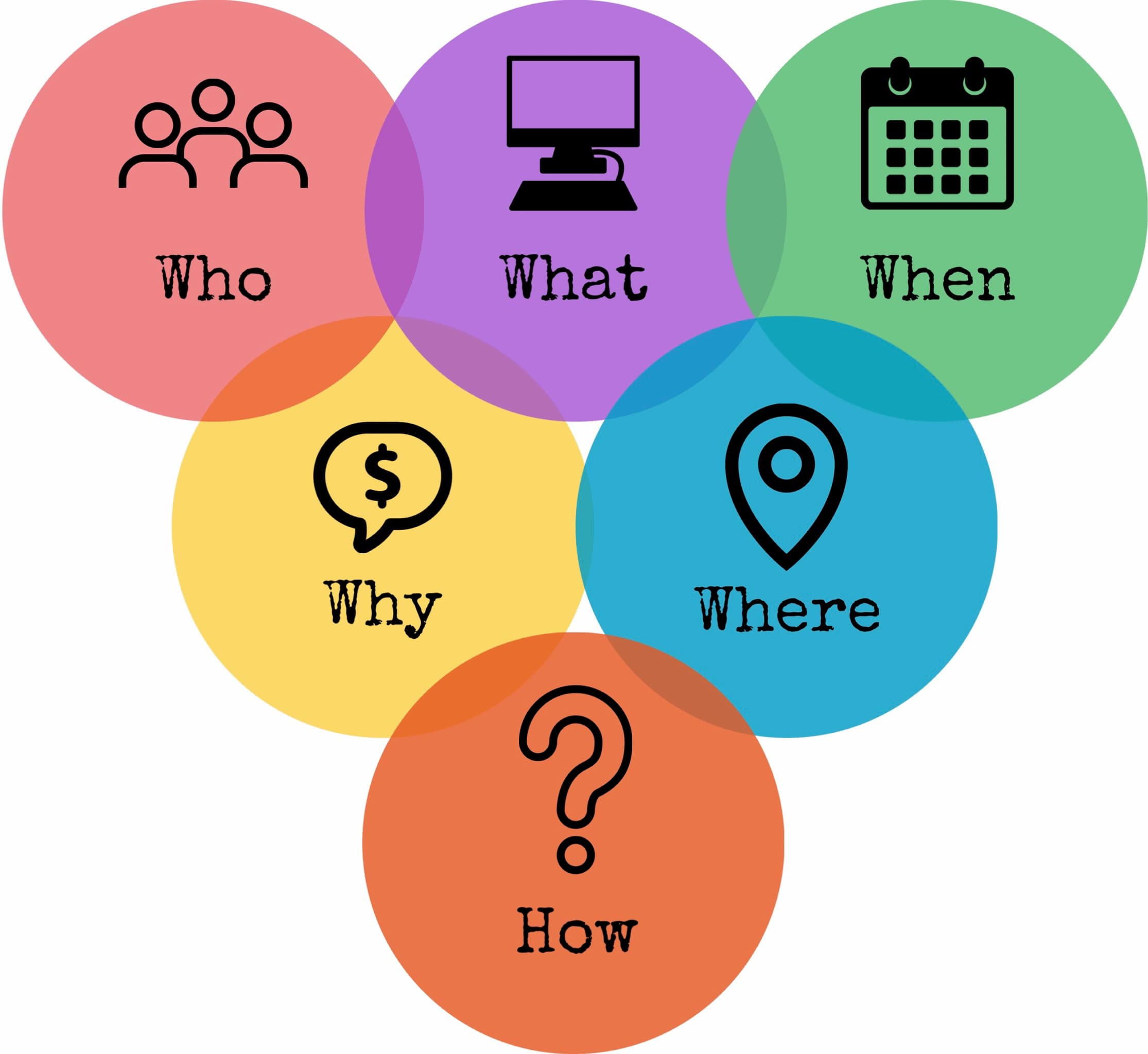
The “Why”: Unearthing Your Brand’s Purpose and Vision
The “Why” is the soul of your brand. It transcends the products or services you offer, delving into the deeper motivations that fuel your existence. In a world saturated with choices, consumers are increasingly gravitating towards brands that stand for something beyond their bottom line. Understanding and articulating your brand’s fundamental purpose is the first and most critical step in building an authentic and resonant identity.
Beyond Profit: Defining Your Core Mission
Your brand’s mission statement should articulate its reason for being, its ultimate goal, and the positive impact it seeks to make. This isn’t just about financial objectives; it’s about the problem you solve, the need you fulfill, or the aspiration you inspire. Patagonia, for instance, isn’t just about selling outdoor gear; its mission is to build the best product, cause no unnecessary harm, use business to inspire and implement solutions to the environmental crisis. This clear, purpose-driven mission informs every aspect of their operations, from supply chain ethics to marketing campaigns, resonating deeply with a specific demographic of environmentally conscious consumers. A well-defined mission acts as an internal compass, guiding strategic decisions, employee engagement, and external communications, ensuring consistency and integrity across all touchpoints.
Values as Your Guiding Compass
Complementing your mission are your brand values – the core beliefs and principles that dictate behavior, decision-making, and interactions both internally and externally. These values are the bedrock of your brand culture and the basis of your brand personality. Do you prioritize innovation, integrity, community, sustainability, or customer-centricity? Identifying and codifying these values provides a framework for how your brand conducts itself, how its employees operate, and how it connects with its audience. When a brand’s actions consistently align with its stated values, it builds trust and credibility. Conversely, a disconnect between values and actions can swiftly erode consumer confidence and damage reputation. Brand values should be more than just words on a website; they should be lived and breathed, becoming an integral part of the brand’s DNA.
The Power of Purpose-Driven Storytelling
Once your “Why” is clearly defined, the next challenge is to communicate it effectively. Purpose-driven storytelling is the art of weaving your mission and values into compelling narratives that engage and inspire. It’s about sharing your journey, your challenges, your successes, and the impact you’re striving to make. This type of storytelling moves beyond mere product features, tapping into universal human emotions and desires. Brands that master this can forge deep, emotional connections with their audience, transforming customers into advocates. Whether through video campaigns, blog posts, social media content, or community initiatives, authentic storytelling that highlights your “Why” can differentiate your brand in a crowded market, making it memorable and meaningful.
The “What”: Crafting Your Brand’s Identity and Offering
If the “Why” is your brand’s soul, the “What” is its tangible manifestation – what it offers, what it communicates, and what it looks like. This pillar focuses on defining the external expression of your brand, ensuring it is distinct, appealing, and consistently delivered.
What You Offer: Products, Services, and Solutions
At its core, a brand delivers specific products, services, or solutions designed to meet a need or desire. The “What” begins with a clear articulation of these offerings. What problems do they solve? What benefits do they provide? What unique features set them apart? This involves meticulously defining your value proposition – the promise of value you deliver to customers. It’s crucial to understand not just what you think you offer, but what your customers perceive you offer. This understanding should inform your product development, service design, and customer experience, ensuring that your core offering is not only robust but also relevant and compelling to your target market. Consistency in quality and delivery here is paramount to building a reliable brand image.
What You Stand For: Voice, Tone, and Personality
Beyond the functional aspects of your offering, the “What” also encompasses how your brand expresses itself. This includes its unique voice, tone, and personality. Is your brand authoritative and informative, playful and witty, sophisticated and elegant, or warm and approachable? These attributes should be carefully defined and consistently applied across all communications – from website copy and marketing materials to customer service interactions and social media posts. A distinct brand voice helps to humanize your brand, making it more relatable and memorable. It enables your audience to understand not just what you say, but how you say it, reinforcing your brand’s values and character. Consistency in voice fosters familiarity and trust, solidifying your brand’s distinct identity in the minds of consumers.
Visual Identity: The Face of Your Brand
Perhaps the most immediately recognizable aspect of the “What” is your brand’s visual identity. This encompasses everything from your logo, color palette, typography, imagery, and graphic elements to packaging and website design. These visual cues are powerful tools for conveying your brand’s personality, values, and professionalism. A well-designed visual identity should be distinctive, memorable, and reflective of your brand’s essence. It needs to be versatile enough to work across various platforms and applications while maintaining a consistent aesthetic. Investing in professional design ensures that your visual identity not only looks good but also strategically communicates your brand’s message at a glance, instantly differentiating you from competitors and reinforcing your overall brand story.
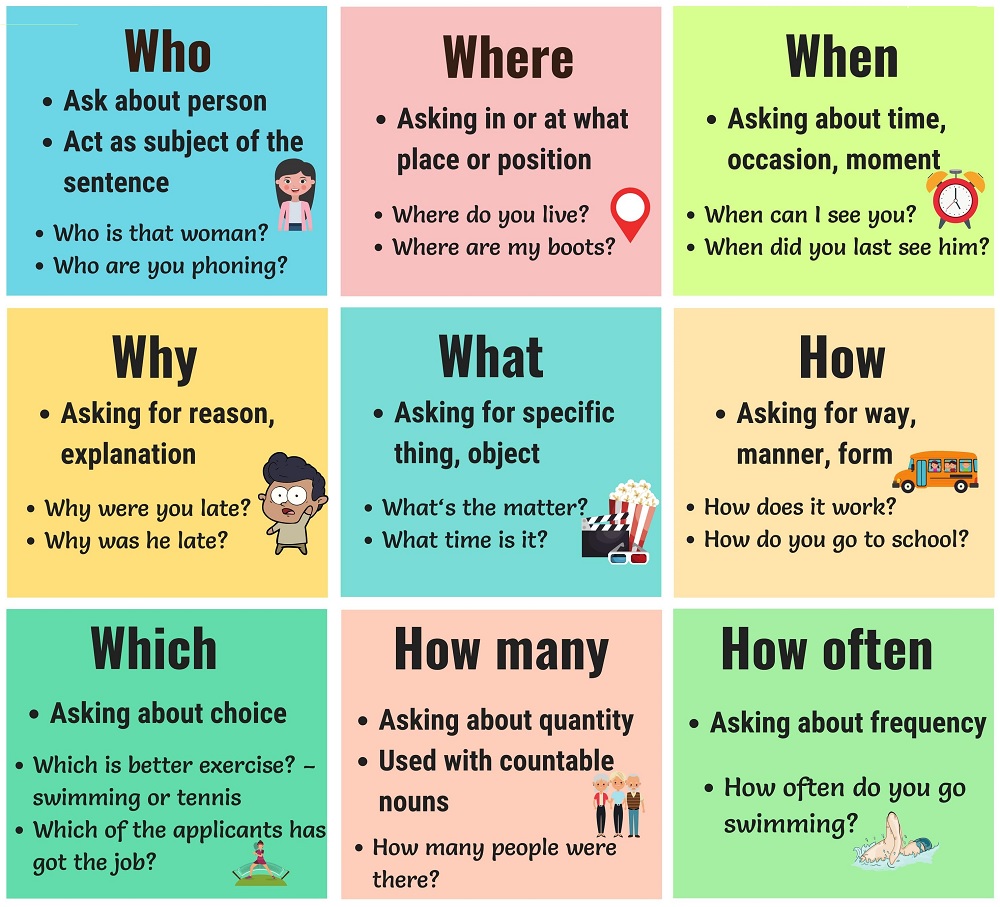
The “Who”: Understanding Your Audience and Ecosystem
The “Who” is about understanding the landscape in which your brand operates – particularly the people who interact with it. A brand cannot exist in a vacuum; its success is intrinsically linked to its ability to connect with, understand, and serve its target audience, while also being mindful of its competitors and broader stakeholder environment.
Who Are You Talking To? Defining Your Target Demographics and Psychographics
At the heart of any successful brand strategy is a deep understanding of its target audience. This goes beyond broad demographic categories like age and gender. It requires delving into psychographics – understanding their lifestyles, values, interests, pain points, aspirations, and buying behaviors. Who are the people whose needs your “Why” addresses and whose desires your “What” fulfills? Creating detailed buyer personas helps to humanize your audience, allowing you to tailor your messaging, products, and experiences to resonate directly with them. Knowing your “Who” ensures that your marketing efforts are efficient and effective, that your product development is relevant, and that your brand builds genuine connections with the people who matter most.
Who Are Your Competitors? Navigating the Market Landscape
No brand operates in isolation. Understanding your competitive landscape is crucial for identifying opportunities, mitigating threats, and defining your unique positioning. Who are your direct and indirect competitors? What are their strengths and weaknesses? How do they position themselves, and what promises do they make to their audience? A thorough competitive analysis helps you identify gaps in the market, differentiate your offerings, and craft a compelling value proposition that highlights what makes your brand distinct and superior. It’s not about imitation, but about intelligent differentiation – understanding the competitive playing field allows you to strategically carve out your own space and communicate your unique value effectively.
Who Are Your Stakeholders? Engaging Internal and External Allies
Beyond customers and competitors, a brand’s ecosystem includes a wider array of stakeholders. Internally, employees are arguably the most crucial brand advocates. They are the living embodiment of your brand’s values and mission. Engaging and empowering employees ensures they understand and champion the brand, leading to better customer experiences and a stronger brand culture. Externally, stakeholders can include partners, investors, suppliers, media, and even regulators. Building positive relationships with these groups is vital for long-term brand health and resilience. Understanding their interests, communicating transparently, and involving them where appropriate can foster trust, open doors to collaboration, and create a supportive environment for your brand’s growth.
The “When”: Timing, Momentum, and Strategic Execution
The “When” introduces the dynamic element of time into brand strategy. It’s about recognizing the right moments for action, understanding market cycles, and strategically planning initiatives to maximize impact and sustain relevance.
When to Launch, Rebrand, or Evolve
Timing is everything in branding. When is the optimal moment to launch a new product, introduce a new brand, or execute a significant rebrand? This often involves a careful assessment of market readiness, competitive activity, internal preparedness, and broader economic or social trends. A successful launch leverages positive momentum and market receptivity, while a poorly timed one can lead to indifference or even rejection. Similarly, rebranding efforts must be carefully timed – often in response to significant shifts in market position, audience demographics, or business strategy. Knowing “when” to make these pivotal moves requires keen market intelligence, strategic foresight, and the agility to adapt plans as circumstances evolve.
Capturing Moments: Responsiveness and Relevance
In today’s fast-paced, digital world, brands must be adept at capturing relevant cultural moments and responding to current events. This doesn’t mean jumping on every trend, but rather understanding which conversations align with your brand’s “Why” and “What,” and engaging authentically. From social media campaigns that tap into trending topics to agile marketing initiatives that respond to consumer feedback, responsiveness is key to maintaining relevance. Brands that can strategically integrate themselves into the zeitgeist, without appearing opportunistic, can significantly enhance their visibility, foster community engagement, and reinforce their contemporary appeal. This requires continuous monitoring of the environment and a flexible approach to communication.
The Rhythms of Brand Communication
Effective brand strategy isn’t just about singular, impactful moments; it’s about the consistent rhythm of communication. When and how frequently should your brand engage with its audience? This involves developing a comprehensive content calendar and communication plan that ensures a steady, meaningful stream of interactions across various channels. It’s about maintaining top-of-mind awareness, nurturing relationships, and reinforcing your brand message over time. This consistent drumbeat of communication, strategically planned around key events, product cycles, and seasonal shifts, ensures that your brand remains present, valuable, and trusted within its community.
Integrating “Why What Who When” for Lasting Impact
The true power of the “Why, What, Who, When” framework lies not in addressing each question in isolation, but in understanding their profound interconnectedness. Your “Why” informs your “What,” which is designed for your “Who,” and executed at the optimal “When.” A change in one pillar inevitably impacts the others. For example, a shift in your “Who” (target audience) might necessitate a re-evaluation of your “What” (offering and messaging) to ensure continued relevance, and a consideration of “When” to communicate these changes.
Brands that consistently revisit and align these four pillars are better equipped to navigate disruption, remain authentic, and build lasting relationships. In a constantly evolving marketplace, this framework provides a robust and agile blueprint for strategic thinking, ensuring that every brand decision is purposeful, relevant, and impactful. By meticulously addressing “Why what who when,” organizations don’t just build brands; they cultivate legacies of purpose, value, connection, and timely relevance.
aViewFromTheCave is a participant in the Amazon Services LLC Associates Program, an affiliate advertising program designed to provide a means for sites to earn advertising fees by advertising and linking to Amazon.com. Amazon, the Amazon logo, AmazonSupply, and the AmazonSupply logo are trademarks of Amazon.com, Inc. or its affiliates. As an Amazon Associate we earn affiliate commissions from qualifying purchases.