
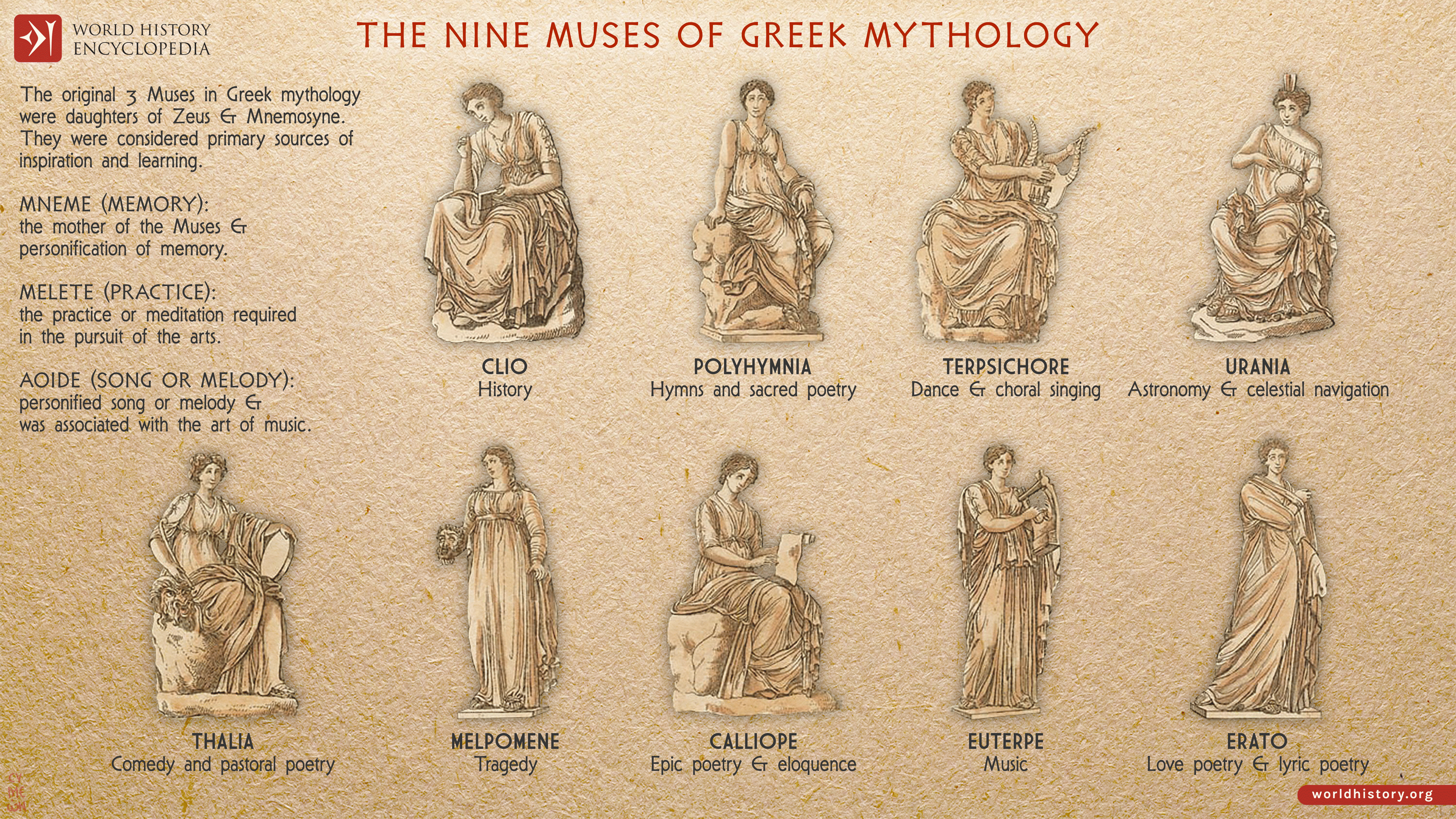
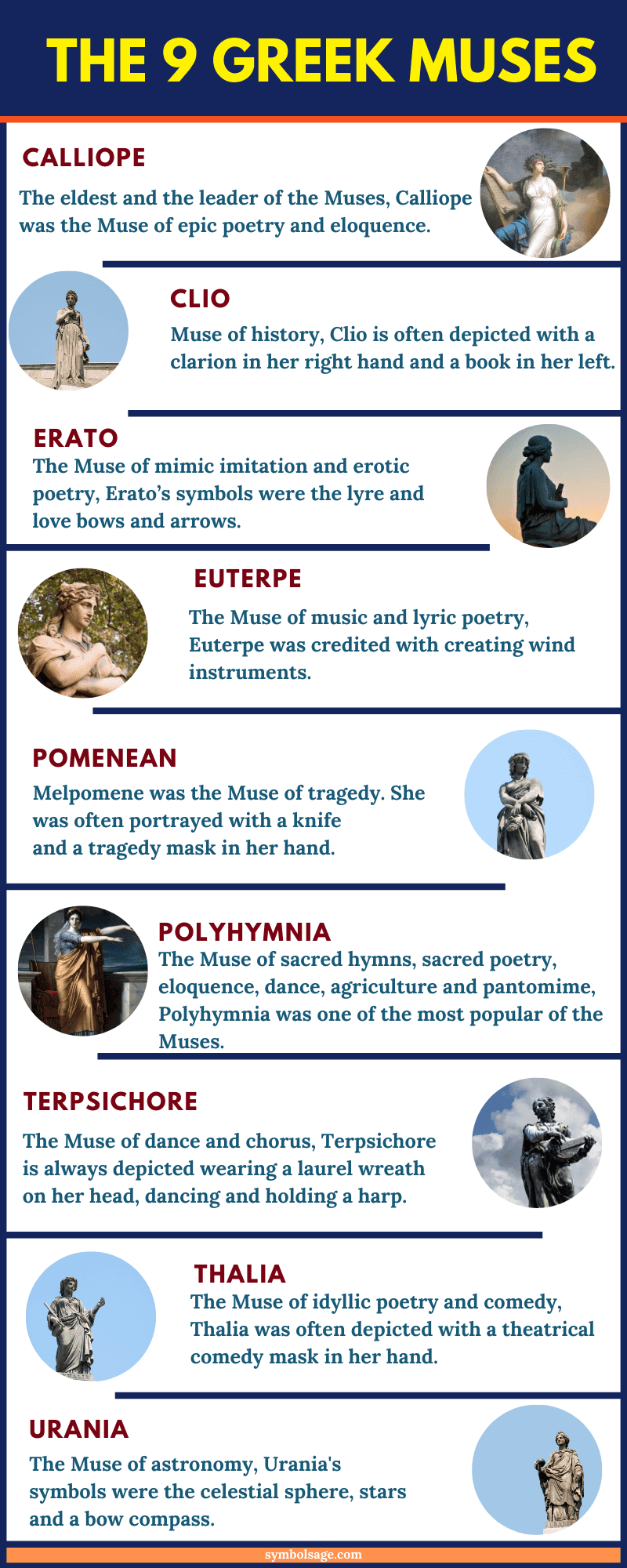
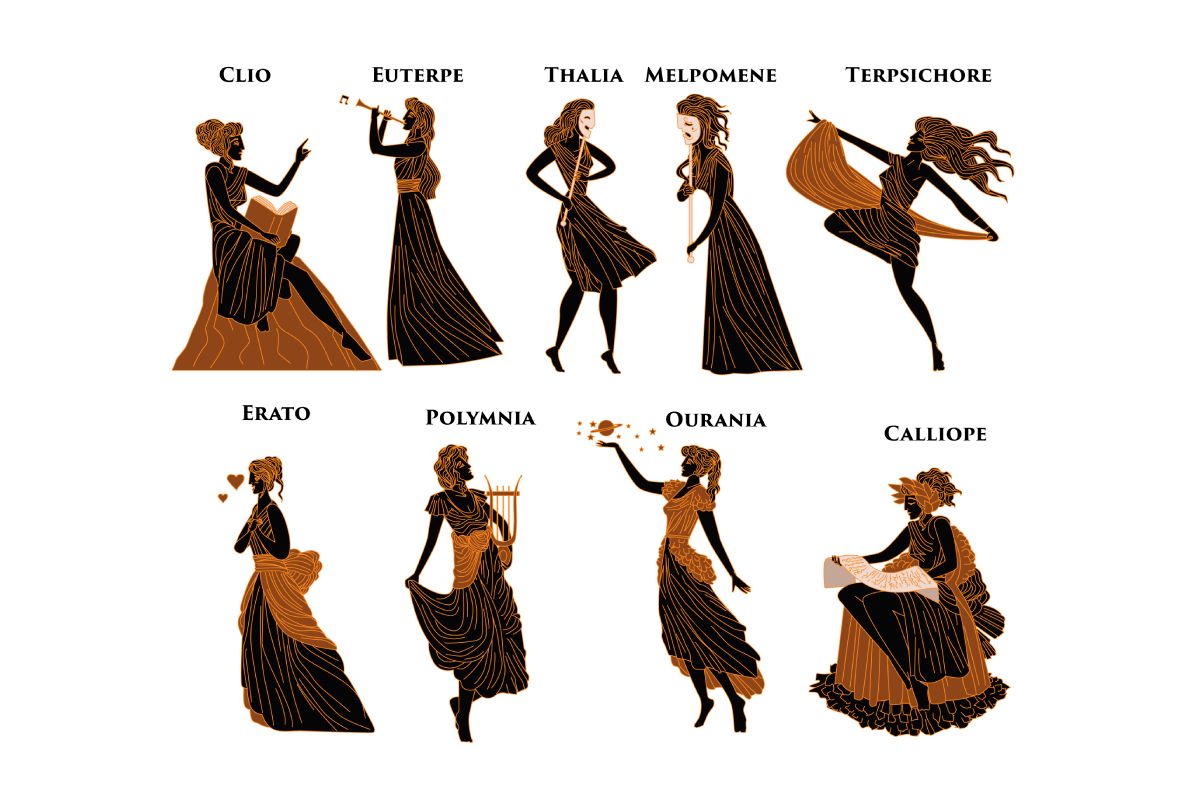
In the ancient world, the Muses were goddesses of inspiration, patronesses of the arts, sciences, and literature, invoked by creators seeking divine guidance for their endeavors. Their ethereal presence was believed to ignite creativity, shape narratives, and lend profound meaning to human expression. While the modern business landscape may seem a far cry from Mount Helicon, the fundamental human need for inspiration, guidance, and purpose remains just as potent, especially in the intricate world of branding.
In contemporary branding, “muses” are not mythical figures, but rather the foundational sources of inspiration and guiding principles that fuel a brand’s identity, strategy, and resonance. They are the insights, values, trends, and even individuals that ignite creativity, shape purpose, and ultimately define how a brand connects with its audience. Understanding who these muses are and what roles they play is paramount for any brand aiming to build a distinct, compelling, and enduring presence in today’s saturated market. They are the invisible architects that shape a brand’s soul, driving everything from visual design to strategic messaging, and ensuring authenticity and relevance in an ever-evolving commercial ecosystem.
The Evolving Concept of Muses in Brand Strategy
The traditional notion of a muse, often romanticized as a singular, enigmatic figure, has undergone a significant transformation within the realm of branding. Here, muses are multifaceted, strategic, and deeply embedded in the brand development process, acting as catalysts for both innovation and consistency.
Beyond Myth: Modern Muses as Strategic Inspiration
In branding, modern muses are not passive inspirations but active, strategic drivers. They can manifest as cultural zeitgeists, groundbreaking technological advancements, shifts in consumer behavior, or even historical narratives that offer timeless insights. A brand might draw inspiration from the relentless pursuit of sustainability, allowing it to inform product design, supply chain ethics, and marketing communications. Another might be inspired by a particular artistic movement, influencing its aesthetic and brand narrative. The key is that these inspirations are deliberately identified and integrated, not merely stumbled upon. They become reference points, a compass that helps brands navigate complex decisions and maintain a clear sense of direction. For instance, Patagonia’s brand is heavily influenced by the muse of environmental activism, guiding its product development towards durability and repairability, and its marketing towards conservation.
Muses as Pillars of Brand Identity and Values
At the core of every successful brand is a well-defined identity and a robust set of values. Muses often serve as the very pillars upon which these are built. When a brand identifies “innovation” as a muse, it commits to continually pushing boundaries, challenging norms, and investing in research and development. This muse then informs every facet of its corporate identity, from its visual language – sleek, futuristic designs – to its internal culture, fostering a mindset of continuous improvement. Similarly, a brand inspired by “community” will build its identity around inclusivity, engagement, and shared experiences, making these values central to its messaging and customer interactions. These muse-driven values not only shape external perception but also cultivate an authentic internal culture, fostering employee alignment and a deeper sense of purpose that resonates with consumers who seek brands with genuine commitment.
Categorizing Your Brand’s Muses: Sources of Inspiration
Effective branding involves identifying and understanding the diverse wellsprings of inspiration that can shape a brand’s journey. These muses are not exhaustive but represent key categories that consistently influence brand development.
The Customer as the Ultimate Muse
Perhaps the most critical muse for any brand is its customer. Understanding the target audience’s needs, desires, pain points, aspirations, and behaviors is fundamental. This muse drives product innovation, dictates communication strategies, and informs the overall brand experience. Brands that deeply empathize with their customers, constantly observing and listening, are better equipped to create offerings that truly resonate. For instance, companies renowned for exceptional user experience (UX) and user interface (UI) design are explicitly inspired by how users interact with their products, iteratively refining based on customer feedback and observed patterns. This customer-centric muse ensures that the brand remains relevant, solving real problems and fostering deep loyalty.
Cultural and Societal Muses
Brands operate within a broader cultural and societal context, making these external forces potent muses. Trends in fashion, art, music, social movements, political shifts, and environmental consciousness all offer rich veins of inspiration. Brands that successfully tap into the zeitgeist—the defining spirit or mood of a particular period—can achieve remarkable resonance. Consider how brands rapidly adapted to the muse of remote work during the pandemic, shifting their messaging and product offerings. However, engaging with cultural muses requires authenticity; superficial alignment can lead to backlash. Genuine integration means understanding the underlying values and motivations of these cultural shifts and aligning the brand’s core purpose with them.
Visionary Leaders and Founders as Muses
Often, the genesis of a brand lies in the vision, personality, and values of its founder or a key leader. Figures like Steve Jobs for Apple, Anita Roddick for The Body Shop, or Richard Branson for Virgin Group acted as powerful muses for their respective brands. Their personal philosophies, innovative spirits, and sometimes rebellious approaches became intrinsically woven into the corporate identity. Their stories and ethos provide a compelling narrative, shaping the brand’s tone of voice, risk appetite, and commitment to specific ideals. This personal muse can be incredibly potent for building a strong brand narrative, but it also presents challenges during succession planning, as the brand must find ways to sustain its original inspiration without the physical presence of its founding muse.
Competitive and Industry Muses
While originality is crucial, learning from the competitive landscape and industry best practices serves as another vital muse. Brands observe what resonates with competitors’ audiences, analyze their successes and failures, and identify gaps in the market. This competitive muse doesn’t encourage imitation but rather inspires differentiation. It pushes brands to innovate beyond existing standards, identify unmet needs, and carve out a unique positioning. Understanding the industry’s evolving standards, technological advancements, and regulatory changes also acts as a muse, guiding strategic decisions and ensuring the brand remains competitive and compliant.
The Dynamic Roles of Muses in Brand Development
Once identified, muses take on dynamic roles, actively shaping various aspects of brand development, from initial conception to ongoing communication. Their influence is pervasive and critical for fostering a cohesive and impactful brand presence.
Fueling Creative Direction and Storytelling
One of the most immediate roles of a muse is to fuel creative direction. Whether it’s developing a new marketing campaign, crafting engaging content, defining the visual identity, or refining the brand’s narrative, muses provide the raw material. For example, if a luxury brand’s muse is “timeless elegance,” every visual element, every word choice, and every campaign will be filtered through this lens to ensure consistency and reinforce the desired perception. Muses help brands craft compelling stories that resonate emotionally with their target audiences, transforming mere products into experiences and values. Nike’s “athlete” muse, for instance, doesn’t just sell shoes; it sells inspiration, empowerment, and the pursuit of greatness, weaving these elements into every piece of its communication.
Guiding Product Innovation and Service Design
Muses are not just for marketing; they are profoundly influential in product innovation and service design. A brand inspired by the muse of “simplicity” will design products that are intuitive, clean, and user-friendly, stripping away unnecessary complexity. Similarly, a technology brand with “disruption” as its muse will constantly seek to invent novel solutions that challenge existing paradigms. This ensures that the brand’s core values are embodied not just in its messaging, but in the tangible offerings it provides. The iterative process of design and development is constantly informed by these guiding inspirations, ensuring that new products and services remain aligned with the brand’s promise and address the needs and aspirations of its target audience.
Shaping Brand Culture and Internal Alignment
A brand’s muses are just as important internally as they are externally. They help shape the corporate culture and ensure internal alignment among employees. When employees understand and embody the brand’s core muses – be it innovation, customer-centricity, or social responsibility – they become authentic ambassadors. This internal consistency is critical for delivering a seamless brand experience. For example, if “collaboration” is a muse, the company’s internal structure, communication tools, and performance metrics will reflect and reward teamwork. A strong, muse-driven culture not only enhances employee engagement but also strengthens employer branding, attracting talent that resonates with the brand’s deeper purpose.
Harnessing Your Muses for Sustainable Brand Growth
For muses to translate into sustainable brand growth, their identification, nurturing, and adaptation must be an ongoing, conscious process.
Identifying and Nurturing Your Brand’s Core Muses
The first step is a deliberate effort to identify what truly inspires and drives your brand. This involves deep dives into market research, consumer insights, cultural trends, and an honest assessment of internal values and vision. Once identified, these core muses need to be actively nurtured. This might mean dedicating resources to trend-watching, fostering a culture of curiosity and exploration within the organization, or maintaining open channels for customer feedback. Regular strategic reviews should assess if the chosen muses are still relevant and potent, allowing for organic evolution or the introduction of new inspirations.
Avoiding Stagnation: Evolving with Your Muses
A critical aspect of leveraging muses effectively is understanding that they are not static. Markets shift, cultures evolve, and what was once a powerful inspiration can become outdated. Brands must remain agile and willing to evolve with, or even replace, their muses. The danger of relying on outdated inspiration is stagnation and irrelevance. Brands like Kodak, once a muse for capturing memories, failed to evolve with the digital photography muse, leading to its decline. A continuous dialogue with current realities and future possibilities ensures that the brand’s inspirations remain fresh, forward-looking, and aligned with consumer expectations.
Authenticity and Consistency: The Muse-Driven Brand Promise
Ultimately, the power of a brand’s muses lies in its ability to drive authenticity and consistency. There must be a genuine connection between the identified inspirations and the brand’s outward expression. Inconsistent messaging, actions that contradict stated values, or a lack of genuine commitment to the muses will erode trust and damage brand equity. A muse-driven brand promise ensures that every touchpoint – from advertising to customer service, from product features to corporate social responsibility initiatives – consistently reflects the brand’s core inspirations. This consistency builds loyalty, fosters a strong emotional connection, and creates a brand that is not just recognizable, but truly resonant.
In conclusion, the concept of muses in branding transcends mere aesthetic inspiration; it is a strategic framework for understanding and leveraging the core forces that shape a brand’s identity, purpose, and enduring appeal. By consciously identifying, nurturing, and evolving with these guiding inspirations – be they customer insights, cultural shifts, visionary leadership, or competitive landscapes – brands can unlock profound creativity, drive meaningful innovation, and build authentic connections. Brands that truly understand and embody their muses are not merely selling products or services; they are sharing a vision, an inspiration, and a story that resonates deeply, positioning them for sustained relevance and success in an increasingly complex world.
aViewFromTheCave is a participant in the Amazon Services LLC Associates Program, an affiliate advertising program designed to provide a means for sites to earn advertising fees by advertising and linking to Amazon.com. Amazon, the Amazon logo, AmazonSupply, and the AmazonSupply logo are trademarks of Amazon.com, Inc. or its affiliates. As an Amazon Associate we earn affiliate commissions from qualifying purchases.