
The internet, once heralded as the ultimate democratizing force and a boundless frontier for information and connection, has undeniably transformed human civilization. It has reshaped industries, fostered global communities, and placed the sum of human knowledge at our fingertips. Yet, as we stand decades into its widespread adoption, a critical assessment reveals a landscape riddled with challenges, ethical dilemmas, and fundamental design flaws that have begun to overshadow its utopian promise. The very infrastructure and culture of the internet, once seen as its strengths, are now exhibiting symptoms of deep-seated problems that affect our privacy, mental well-being, social fabric, and even democratic processes.
The Erosion of Privacy and Digital Security
One of the most profound shifts in the internet’s character has been the gradual, almost imperceptible, erosion of personal privacy and the constant threat to digital security. What began as a tool for communication has evolved into a vast surveillance mechanism, often operating with our tacit consent but little understanding.
Data Surveillance and Monetization
Today, nearly every online interaction is tracked, analyzed, and monetized. Companies, from social media giants to e-commerce platforms and seemingly innocuous apps, collect vast quantities of personal data – our browsing habits, location, purchase history, search queries, and even biometric information. This data isn’t just used to improve user experience; it’s aggregated, profiled, and sold to advertisers, data brokers, and other third parties, creating a multi-billion dollar industry built on insights into our lives. The “free” services we enjoy often come at the cost of our digital autonomy, turning us into products rather than customers. The opaque nature of this data ecosystem makes it nearly impossible for the average user to understand who has access to their information, how it’s being used, or how to truly opt out. This pervasive surveillance fosters a chilling effect, where users become more cautious about what they say or do online, fearing unforeseen consequences or targeted manipulation.
Persistent Cyber Threats
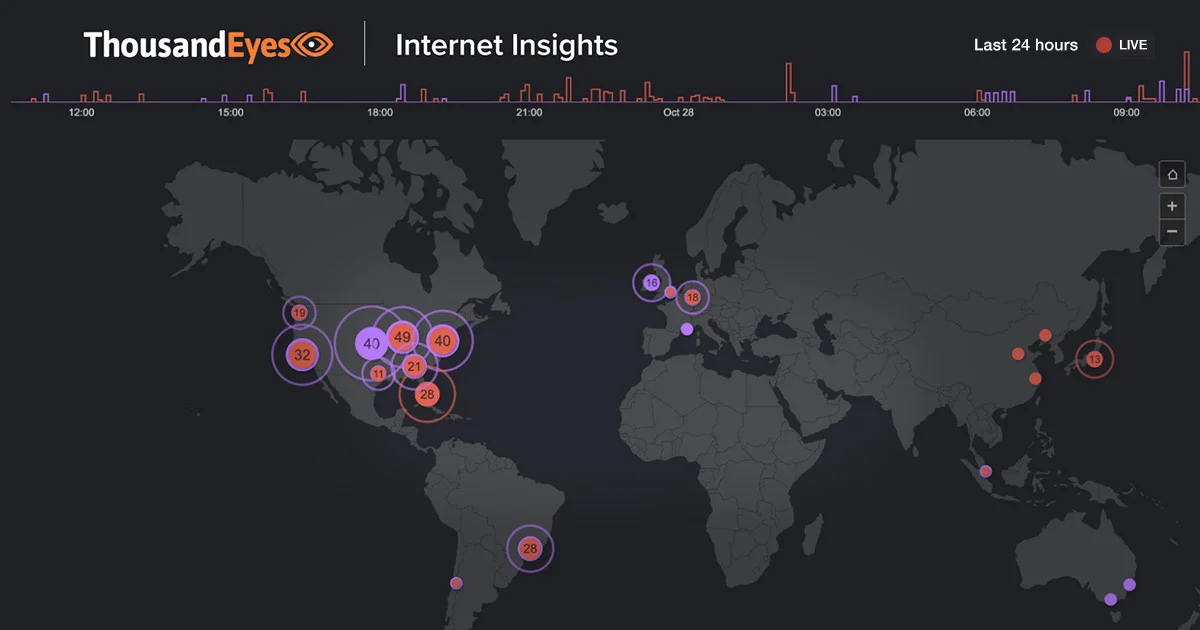
Beyond commercial surveillance, the internet is a battleground against increasingly sophisticated cyber threats. Phishing scams, malware, ransomware attacks, and state-sponsored espionage are constant dangers. Individuals face the risk of identity theft, financial fraud, and personal data breaches, which can have devastating real-world consequences. For organizations, cyberattacks can cripple operations, compromise sensitive information, and erode public trust. The sheer volume and complexity of these threats necessitate constant vigilance and investment in security measures, yet the attackers often remain one step ahead. The interconnectedness that makes the internet so powerful also makes it incredibly vulnerable; a single weak link can compromise entire networks or supply chains, highlighting the fragile foundation upon which much of our digital world is built.
The Illusion of Anonymity
While the internet once offered a sense of anonymity, today that feeling is largely an illusion. Even without explicitly identifying oneself, digital footprints—IP addresses, device fingerprints, behavioral patterns, and cross-site tracking—can often be pieced together to identify individuals. This lack of true anonymity has significant implications for freedom of expression and dissent. In oppressive regimes, it can put activists and journalists at severe risk. Even in democratic societies, the fear of doxing, reputation damage, or employer monitoring can stifle open discourse and lead to self-censorship. The promise of a truly free and open forum is undermined when every utterance can be traced back to an individual, stripping away the psychological safety net that anonymity once provided.
Centralization and Control
The initial vision of the internet was a decentralized network, a web of interconnected nodes where power was distributed. However, what we largely have today is a highly centralized internet, dominated by a handful of powerful tech giants. This centralization has profound implications for competition, innovation, and the free flow of information.
Walled Gardens and Platform Dominance
The internet, particularly in the consumer space, has increasingly become a collection of “walled gardens.” Companies like Google, Meta (Facebook, Instagram, WhatsApp), Apple, Amazon, and Microsoft command immense influence over what we see, what we buy, and how we interact online. These platforms act as gatekeepers, controlling vast ecosystems of content, services, and users. They dictate terms, set standards, and often favor their own products and services, stifling competition and making it difficult for new entrants to gain traction. This dominance creates a dependency, where individuals and businesses are increasingly reliant on these platforms for visibility and access, granting the tech giants unprecedented power over digital economies and public discourse.
Algorithmic Bias and Filter Bubbles
At the heart of these dominant platforms are sophisticated algorithms designed to maximize user engagement. While seemingly benign, these algorithms inadvertently create “filter bubbles” and “echo chambers.” By feeding users content similar to what they’ve previously interacted with, they reinforce existing beliefs and limit exposure to diverse perspectives. This can lead to a fragmented understanding of reality, where individuals are constantly shown content that confirms their biases, making meaningful dialogue and consensus-building more challenging. Moreover, these algorithms can perpetuate and amplify existing societal biases, whether intentional or not, leading to discriminatory outcomes in areas like employment, housing, and access to information, contributing to societal polarization and misunderstanding.
Net Neutrality and Digital Divides
The principle of net neutrality – the idea that all data on the internet should be treated equally, without discrimination or differential charging by internet service providers (ISPs) – is fundamental to an open internet. Yet, this principle has been a constant battleground. The threat of ISPs being able to throttle certain content, prioritize their own services, or charge extra for faster access to specific websites would fundamentally alter the internet’s level playing field. Such practices could stifle innovation, create internet “fast lanes” for the wealthy, and further entrench the power of established players. Furthermore, despite significant progress, a substantial digital divide persists globally and within nations. Billions still lack reliable access to the internet, creating a two-tiered society where opportunities for education, employment, and civic participation are unequally distributed based on connectivity.
The Quality and Veracity of Information
The internet’s greatest strength—its ability to disseminate information rapidly and widely—has also become one of its most critical weaknesses, particularly concerning the quality and truthfulness of the content it hosts.
The Proliferation of Misinformation and Disinformation
Perhaps the most glaring problem today is the rampant spread of misinformation (false information shared unintentionally) and disinformation (false information intentionally spread to deceive). Social media platforms, with their viral sharing mechanisms and algorithmic amplification, act as super-spreaders for conspiracy theories, fake news, and propaganda. The ease with which anyone can publish online, coupled with the decline of traditional gatekeepers of information (like reputable journalism), has made it incredibly difficult for the average user to distinguish fact from fiction. This has severe consequences, from impacting public health decisions during a pandemic to undermining democratic elections and eroding trust in institutions. The sheer volume and speed of this content make fact-checking an overwhelming task, often by which point the damage is already done.
Content Overload and the Attention Economy
We live in an era of unprecedented content overload. Every second, millions of articles, videos, and social media posts are published. While this offers immense choice, it also creates a paradox of choice and an “attention economy” where platforms compete fiercely for our limited cognitive resources. This constant bombardment of information, often presented in bite-sized, emotionally charged formats, can diminish our capacity for deep engagement, critical thinking, and sustained focus. The internet, instead of fostering thoughtful reflection, often encourages superficial engagement, ‘doomscrolling,’ and an addiction to novelty, making it harder to process complex issues or maintain prolonged concentration.
Erosion of Credibility and Trust
The internet has democratized publishing, giving a voice to billions. However, this has also led to an erosion of credibility and trust in online information. When every opinion can be presented as fact, and verifiable sources are drowned out by partisan blogs or anonymous commentators, the concept of objective truth becomes blurred. The decline of local news, the economic struggles of investigative journalism, and the rise of partisan media outlets online further exacerbate this problem. Users struggle to identify authoritative sources, leading to a general skepticism towards all information, or conversely, an uncritical acceptance of information that aligns with pre-existing beliefs, further deepening societal divisions.
Societal and Psychological Impacts
Beyond the technical and informational challenges, the internet’s pervasive presence has begun to reveal significant societal and psychological tolls, fundamentally altering human behavior and well-being.
Digital Addiction and Mental Health
The internet, particularly social media and gaming, is designed to be addictive. Features like infinite scrolls, push notifications, “likes,” and streaks exploit psychological vulnerabilities, creating feedback loops that encourage compulsive use. This can lead to digital addiction, manifested as excessive screen time, neglect of real-world responsibilities, and withdrawal symptoms when offline. The constant comparison with idealized online personas can fuel anxiety, depression, body image issues, and feelings of inadequacy, particularly among younger generations. The pressure to maintain a perfect online image and the fear of missing out (FOMO) contribute to chronic stress and a decline in genuine, meaningful human connection.
Cyberbullying and Online Harassment
The perceived anonymity and distance afforded by the internet can embolden individuals to engage in malicious behavior they wouldn’t dare in person. Cyberbullying, online harassment, hate speech, and doxing are rampant problems that have devastating impacts on victims, leading to severe emotional distress, self-harm, and in extreme cases, suicide. Platforms struggle to effectively moderate content and enforce their own community guidelines, often reacting too slowly or inconsistently. The sheer scale of user-generated content makes comprehensive oversight nearly impossible, leaving many users vulnerable to abuse with inadequate recourse.
The Blurring Lines Between Online and Offline Identities
The internet has profoundly blurred the lines between our online and offline identities. Our digital footprints are permanent and increasingly influence real-world opportunities, from job prospects to social standing. The curated personas we present online often diverge from our true selves, creating internal conflict and external misunderstanding. The pressure to maintain an “online brand” or to constantly perform for an unseen audience can be exhausting and inauthentic. Furthermore, the internet has facilitated the rise of “cancel culture,” where past mistakes or controversial opinions, sometimes taken out of context, can lead to widespread public shaming and significant real-world repercussions, regardless of intent or subsequent growth.
Technical Debt and Future Challenges
While the internet has evolved rapidly, it also carries the burden of its legacy, and new technologies present their own set of ethical and practical challenges that demand foresight and careful management.
Infrastructure Strain and Scalability Issues
The internet’s underlying infrastructure, much of which was designed decades ago, is under immense strain. The explosion of high-bandwidth applications—streaming video, cloud computing, AI, virtual reality, and the Internet of Things (IoT)—demands ever-increasing network capacity and speed. This leads to bottlenecks, connectivity issues, and unequal access to high-speed internet, especially in rural or underserved areas. Upgrading this infrastructure is a massive, ongoing, and expensive undertaking, requiring coordinated efforts from governments, private companies, and international bodies to ensure the internet can scale to meet future demands without compromising performance or access.
Legacy Systems and Innovation Bottlenecks
Many fundamental internet protocols and systems, such as HTTP and TCP/IP, have been remarkably robust but were not designed with today’s security, privacy, or efficiency concerns in mind. While new protocols and advancements are constantly being developed (e.g., IPv6, DNSSEC, Web3 concepts), the inertia of legacy systems makes widespread adoption slow and challenging. This “technical debt” can create innovation bottlenecks, making it harder to implement more secure, private, or distributed internet architectures without breaking compatibility with the existing vast web. The challenge lies in incrementally modernizing the internet’s core without causing massive disruptions.

The Ethical Quandaries of Emerging Tech
The problems we face today are often a precursor to even more complex ethical quandaries posed by emerging technologies. Advances in artificial intelligence, deepfakes, quantum computing, brain-computer interfaces, and advanced surveillance technologies threaten to exacerbate existing issues or create entirely new ones. AI, while powerful, brings concerns about bias, accountability, and the potential for autonomous decision-making without human oversight. Deepfakes could make the spread of disinformation indistinguishable from reality, completely undermining trust in visual evidence. Quantum computing could render current encryption methods obsolete, posing a massive security risk. Addressing these nascent challenges requires proactive ethical frameworks, robust regulation, and a global dialogue to guide their development and deployment responsibly.
In conclusion, the internet, despite its undeniable utility and transformative power, is at a critical juncture. The problems we face today – from the erosion of privacy and the concentration of power to the proliferation of misinformation and the toll on mental health – are not mere glitches but fundamental consequences of its current trajectory. Rectifying these issues demands more than just technological fixes; it requires a collective re-evaluation of its purpose, a commitment to ethical design, robust policy and regulation, and a renewed emphasis on digital literacy. The internet’s future depends on our ability to acknowledge its flaws and intentionally steer its evolution towards a more open, secure, equitable, and humane digital commons.
aViewFromTheCave is a participant in the Amazon Services LLC Associates Program, an affiliate advertising program designed to provide a means for sites to earn advertising fees by advertising and linking to Amazon.com. Amazon, the Amazon logo, AmazonSupply, and the AmazonSupply logo are trademarks of Amazon.com, Inc. or its affiliates. As an Amazon Associate we earn affiliate commissions from qualifying purchases.