
Social media, in its relentless evolution, is a vibrant kaleidoscope of ideas, movements, and cultural touchstones. To ask “what’s trending” is to peer into the collective consciousness of billions, a dynamic landscape shaped not merely by human interaction but fundamentally by the sophisticated technological infrastructure that underpins it. From the algorithms that curate our feeds to the innovative features that enable new forms of expression, technology is the silent, yet powerful, architect of every social media trend. This article delves into the technological currents shaping today’s trending topics, exploring the mechanisms of their emergence, the platforms driving their proliferation, and the tools that help us understand their fleeting yet impactful nature.

The Algorithmic Engine: How Trends Emerge
At the heart of every viral video, surging hashtag, or widespread meme lies a complex interplay of user behavior and algorithmic design. Social media platforms are no longer simple chronological feeds; they are intelligent systems engineered to predict interest, maximize engagement, and, inadvertently, to dictate what becomes “trending.” Understanding this algorithmic engine is crucial to comprehending the digital zeitgeist.
AI and Machine Learning in Trend Detection
Modern social media platforms leverage advanced Artificial Intelligence (AI) and Machine Learning (ML) models to identify nascent trends. These systems constantly analyze vast datasets, looking for spikes in specific keywords, unusual increases in engagement with certain content types, or rapid growth in follower counts for particular accounts. They don’t just register popularity; they predict it. AI can detect subtle patterns in sentiment, identify emerging communities around niche topics, and even understand the nuances of multimodal content (combining text, image, and video) to pinpoint what’s resonating. This predictive power means trends can be amplified before they reach critical mass, giving them an almost self-fulfilling prophecy quality. For instance, an ML model might identify a new dance challenge gaining traction in a small community, then push it to a broader audience, thereby accelerating its viral spread.
Personalization vs. Virality: The Dual Algorithm
The algorithmic landscape is a tightrope walk between personalization and virality. While platforms strive to deliver highly personalized content to individual users based on their past interactions, they also need to facilitate mass virality to keep the platform exciting and relevant. This often involves a dual algorithmic strategy. Personalization algorithms ensure a steady stream of relevant content, making the user experience sticky. Concurrently, virality algorithms identify content with high potential for widespread appeal – content that transcends individual preferences to capture collective attention. They look for signals like rapid shares, high completion rates (for videos), and cross-platform mentions. The sweet spot for a trending topic is often where personalized content, initially popular within specific niches, exhibits qualities that allow a virality algorithm to push it into the mainstream, creating a cultural moment accessible to many while feeling tailored to each.
The Role of Platform Features in Trend Propagation
New platform features are not mere embellishments; they are often the deliberate catalysts for new types of trends. Short-form video, initially popularized by TikTok and subsequently adopted by Instagram Reels and YouTube Shorts, revolutionized content consumption and creation, giving rise to dance challenges, quick tutorials, and comedic skits that inherently lend themselves to rapid sharing. Live streaming features across platforms like Twitch, YouTube, and Facebook Live have fostered interactive trends, from real-time Q&A sessions to collaborative gaming streams. Even seemingly minor features like polls, Q&A stickers, or AR filters can spark micro-trends, encouraging user participation and generating shareable content. These features are designed with virality in mind, providing easy-to-use tools that lower the barrier to content creation and facilitate immediate, widespread distribution.
Emerging Platforms and Feature Innovations
The social media ecosystem is never static. New platforms constantly emerge, challenging established giants, while existing platforms continuously roll out innovative features designed to capture attention and redefine digital interaction. These shifts are pivotal in shaping “what’s trending.”
The Rise of Niche Social Networks
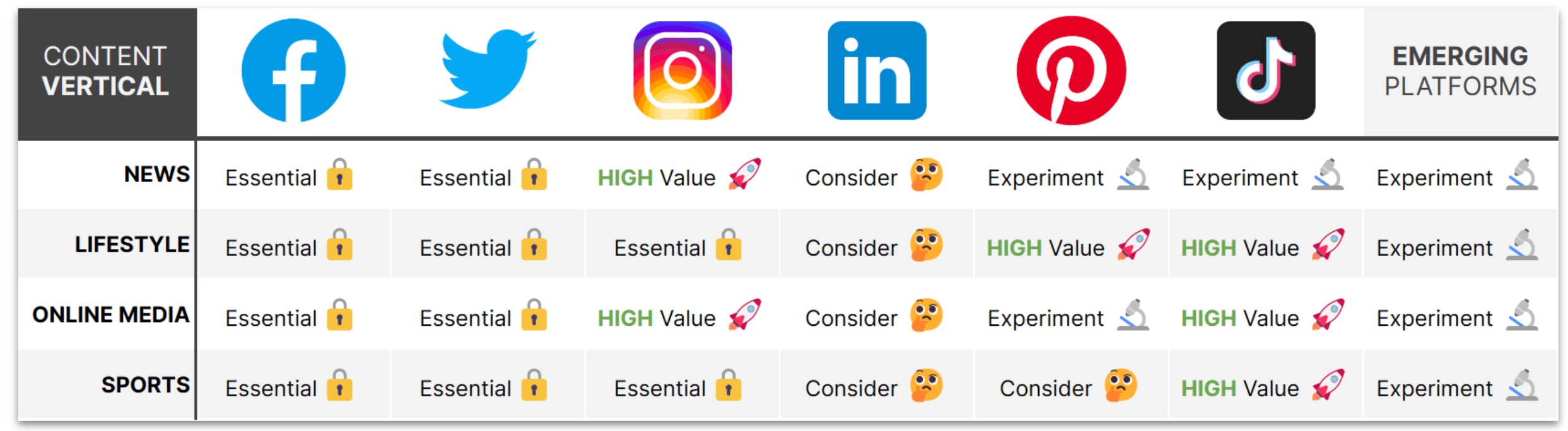
While giants like Facebook, Instagram, and TikTok dominate, a significant trend is the proliferation and growing influence of niche social networks. These platforms cater to specific interests, demographics, or professional communities, offering more tailored experiences than broad-spectrum networks. Examples include BeReal, which focuses on authentic, unedited moments, challenging the curated perfection of other platforms; Discord, initially for gamers but now a hub for countless communities centered around shared hobbies; and Mastodon or Bluesky, which explore decentralized social networking. Trends on these platforms tend to be deeper, more engaged, and reflective of their specific community’s values, even if they don’t achieve the same scale as mainstream trends. However, their unique content often spills over into larger platforms, influencing broader trends with their distinctive aesthetics or ideas.
Interactive Features Driving Engagement
Beyond simply consuming content, users crave interaction. Social media platforms are continuously innovating with features that foster greater engagement. Interactive stickers for Instagram Stories (polls, quizzes, “add yours” prompts), TikTok’s duets and stitches, and Twitter’s Spaces for audio discussions are prime examples. These features turn passive viewers into active participants, democratizing content creation and collaboration. A trending topic isn’t just something to watch; it’s something to do. Users can respond directly, contribute their own take, or engage in real-time discussions, amplifying the trend’s reach and longevity. This shift towards interactive, co-created content means that trends are often less about a singular piece of content and more about a collective conversation or activity.
Web3 Social and Decentralized Platforms
A nascent but significant technological frontier shaping future trends is Web3 social media. These platforms aim to leverage blockchain technology to offer decentralized, user-owned, and creator-friendly social experiences. Concepts like decentralized identity, token-gated communities, and direct creator monetization are central. While still in early stages, platforms like Lens Protocol and Farcaster are experimenting with models where users own their data and content, and interactions are transparent and resistant to censorship. Trends on these platforms could be driven by community governance, NFT releases, or highly specialized digital assets. Though not yet mainstream, the underlying technology holds the potential to fundamentally alter how trends emerge, propagate, and are valued, shifting power from centralized platforms back to users and creators.
Content Formats Dominating the Digital Landscape
The medium is often the message, and on social media, the prevailing content formats significantly dictate what kind of information trends and how it is consumed. Technological advancements in media compression, streaming, and mobile processing power have enabled a rapid evolution of these formats.

Short-Form Video’s Enduring Reign
Short-form video continues its undisputed dominance, transforming the landscape of digital content. Fueled by sophisticated algorithms that quickly learn user preferences and rapidly iterate on content delivery, platforms like TikTok, Instagram Reels, and YouTube Shorts have conditioned users to expect concise, impactful, and highly engaging visual narratives. The technology behind this includes efficient video codecs, robust streaming infrastructures capable of handling massive concurrent views, and AI-powered editing tools (e.g., auto-captioning, trend-driven filters, sound libraries) that make content creation accessible to anyone with a smartphone. Trends in this format are often visual, auditory, and highly reproducible, leading to viral challenges, quick educational snippets, and meme-worthy moments that spread like wildfire across platforms.
Audio-First Experiences
While video captures the eyes, audio-first experiences are carving out a significant niche. Podcasts have moved from being a fringe activity to a mainstream form of entertainment and information, enabled by improvements in streaming technology and personalized recommendation engines. Furthermore, the rise of live audio spaces, epitomized by Twitter Spaces and Clubhouse, has created a new venue for real-time discussions, debates, and performances. The technology here focuses on low-latency streaming, robust moderation tools, and intuitive interfaces for audience participation. Trends in audio often involve influential voices, deep-dive discussions on niche topics, or collaborative storytelling, fostering a sense of intimacy and community often different from the visual cacophony of video feeds.
Immersive and Interactive Content
As technology progresses, social media is moving towards more immersive and interactive content. Augmented Reality (AR) filters on Instagram and Snapchat allow users to transform their environment or appearance, creating shareable, playful content that often sparks viral challenges. Virtual Reality (VR) platforms, while still nascent for mainstream social interaction, hint at a future where social gatherings occur in fully immersive digital environments. The underlying technology – advanced computer vision, real-time rendering, haptic feedback – is making these experiences more accessible. Trends in this realm are inherently experiential, encouraging users to not just view but to participate in and co-create digital realities, blurring the lines between the digital and physical.
Tools and Technologies for Trend Spotting and Analysis
For businesses, creators, and even curious individuals, understanding “what’s trending” isn’t just about observation; it’s about leveraging technology for systematic trend spotting and analysis. A suite of sophisticated tools has emerged to help navigate the voluminous and fast-paced nature of social media data.
AI-Powered Listening Tools
Social listening tools have evolved significantly, moving beyond simple keyword tracking to incorporate AI and natural language processing (NLP). These AI-powered platforms can monitor millions of conversations across various social networks, blogs, forums, and news sites in real-time. They don’t just count mentions; they analyze sentiment (positive, negative, neutral), identify emerging themes, detect shifts in public opinion, and even pinpoint influential voices within specific discussions. By applying machine learning to identify anomalies in discussion volume or sentiment, these tools can flag nascent trends that might otherwise go unnoticed, offering early insights into what’s gaining traction. This predictive capability is invaluable for proactive content creation, marketing, and reputation management.
Predictive Analytics in Social Media
Beyond simply identifying current trends, the frontier of social media analysis lies in predictive analytics. Leveraging vast historical datasets of social media activity, engagement patterns, and demographic information, AI models can forecast the likelihood of a topic gaining significant traction. These tools employ complex statistical models and machine learning algorithms to identify leading indicators for virality, such as early engagement rates, specific content characteristics, and influencer amplification. While not foolproof, predictive analytics offers a significant advantage, allowing creators and brands to align their strategies with future cultural moments, rather than merely reacting to current ones. This technology informs content scheduling, campaign timing, and even product development based on anticipated shifts in user interest.
Data Visualization for Trend Interpretation
The sheer volume of data generated by social media trends can be overwhelming. This is where advanced data visualization tools become critical. These technologies transform complex datasets into intuitive, interactive visual representations – dashboards, heatmaps, network graphs, and trendlines. By visually mapping relationships between hashtags, communities, and content types, users can quickly grasp the scope, direction, and key players within a trend. Interactive dashboards allow for real-time monitoring of trend dynamics, identifying peaks, valleys, and turning points. This human-computer interaction, powered by robust backend data processing and intuitive front-end design, enables quicker, more informed decision-making based on complex social data.
The Future of Social Trends: Technological Evolution
The trajectory of social media trends is inextricably linked to the ongoing evolution of technology. As new paradigms emerge, so too will new ways of interacting, sharing, and defining what captures our collective attention.
Metaverse Integration and Spatial Socializing
The concept of the metaverse represents a significant technological leap for social interaction. As virtual and augmented reality technologies mature, social trends will increasingly manifest within immersive, persistent digital spaces. Spatial computing will enable new forms of social gatherings, collaborative content creation, and experiential marketing. Trends might emerge not just as viral videos but as popular virtual events, digital fashion statements for avatars, or shared experiences within a virtual world. The technology stack supporting this includes high-fidelity rendering, real-time multi-user synchronization, and sophisticated avatar customization, all contributing to a more deeply embodied form of social interaction and trend propagation.
Enhanced Personalization and Hyper-Niche Content
As AI continues to refine its understanding of individual user preferences, the future will likely see even deeper levels of personalization. This could lead to a paradox where trends become simultaneously global (due to sheer scale) and hyper-niche (due to tailored distribution). While some trends will undoubtedly continue to capture mass appeal, the algorithms might become so adept at identifying and serving micro-trends that each user’s “trending” feed becomes a unique reflection of their specific interests, rather than a universal list. The underlying AI will be capable of discerning even more subtle signals of interest, creating a highly granular content ecosystem where even the most specialized content can find its dedicated audience.
Digital Security and Ethical AI in Trend Management
With the growing power of AI in shaping trends, the ethical implications and digital security challenges become paramount. Future technological advancements will need to focus on robust security protocols to prevent manipulation of trends (e.g., bot farms, misinformation campaigns) and to protect user data. Furthermore, ethical AI development will be critical, ensuring algorithms are fair, transparent, and do not inadvertently promote harmful content or perpetuate biases. Technologies like explainable AI (XAI) will become crucial for understanding why certain content trends and for auditing the impact of algorithmic decisions, striving for a more responsible and secure social media landscape where trends emerge organically and ethically.
In conclusion, “what’s trending on social media today” is far more than a simple popularity contest. It is a nuanced reflection of humanity’s collective interests, filtered and amplified through a rapidly advancing technological lens. From the intricate dance of AI algorithms that identify and propagate content, to the innovative features that redefine how we interact, and the emerging platforms that challenge the status quo, technology is the undeniable engine driving every digital zeitgeist. As we navigate this ever-evolving landscape, understanding these technological underpinnings is not just a curiosity; it is essential for anyone seeking to comprehend, participate in, or strategically leverage the dynamic world of social media trends.
aViewFromTheCave is a participant in the Amazon Services LLC Associates Program, an affiliate advertising program designed to provide a means for sites to earn advertising fees by advertising and linking to Amazon.com. Amazon, the Amazon logo, AmazonSupply, and the AmazonSupply logo are trademarks of Amazon.com, Inc. or its affiliates. As an Amazon Associate we earn affiliate commissions from qualifying purchases.