
In the vast and rapidly evolving landscape of technology, the term “resolution” carries a profound and multifaceted meaning, extending far beyond the mere pixel count of a screen. While it immediately conjures images of ultra-sharp displays and high-definition cameras, “resolution” in the tech world is also about clarity of data, the successful conclusion of complex problems, the precision of computational models, and even the strategic direction of future innovations. It encapsulates our ceaseless quest for greater detail, fewer ambiguities, and more effective solutions. From the microscopic components of our devices to the macroscopic challenges of global connectivity and digital security, understanding “what’s the resolution” is fundamental to grasping the core tenets and future trajectory of technology. This article delves into the diverse interpretations of resolution, exploring its critical impact across various technological domains and highlighting its central role in shaping our digital future.
The Pixel’s Reign: Understanding Display Resolution
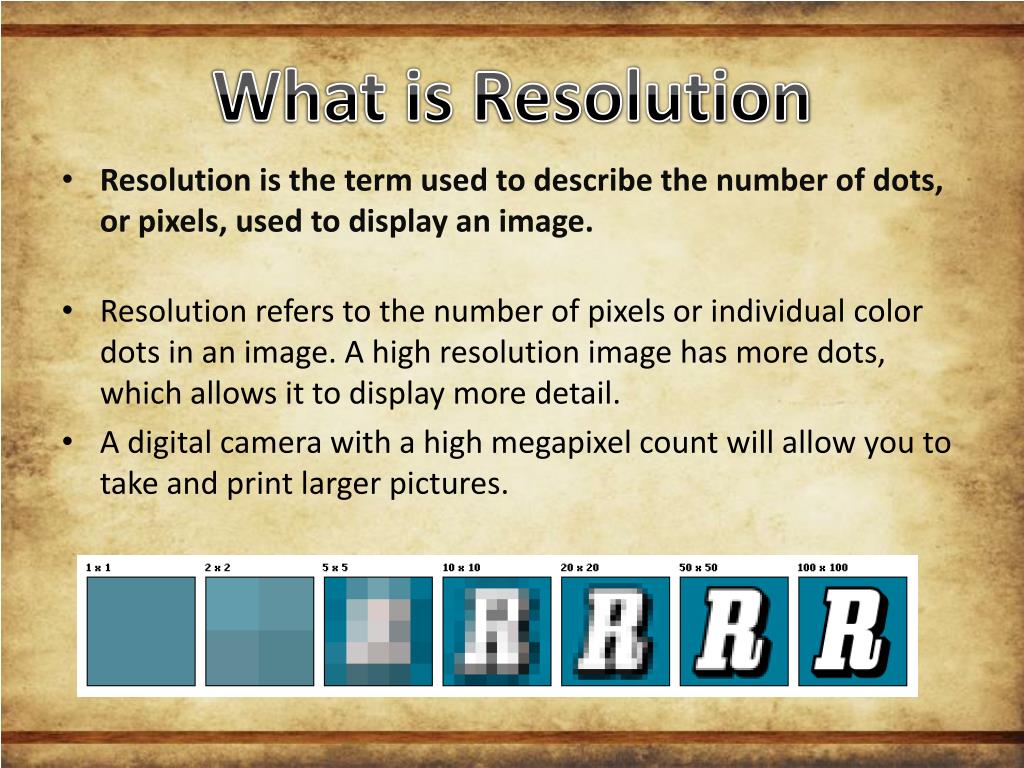
The most common association with the term “resolution” in technology undeniably links to displays – screens, monitors, televisions, and even virtual reality headsets. Here, resolution refers to the number of distinct pixels (picture elements) that can be displayed horizontally and vertically, defining the sharpness and detail of an image. A higher resolution means more pixels packed into the same physical space, resulting in finer details, smoother lines, and a more immersive visual experience. This relentless pursuit of pixel density has been a driving force in consumer electronics for decades, constantly pushing the boundaries of visual fidelity.
From SD to 8K: A Historical Perspective
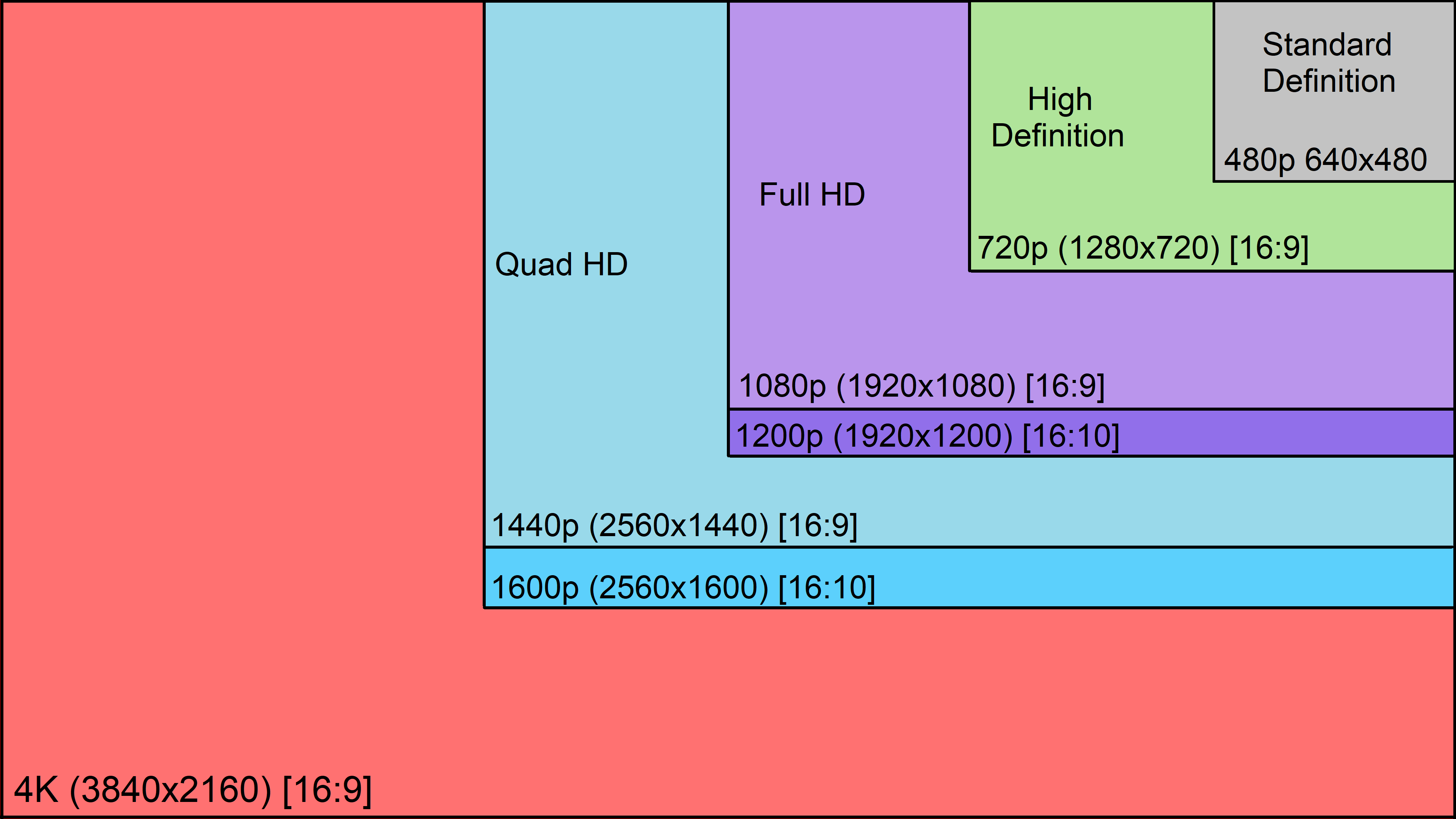
The journey of display resolution has been a remarkable one. For decades, Standard Definition (SD) resolutions like 480p (720×480 pixels) dominated, delivering broadcast television and VHS content. The advent of High Definition (HD) marked a significant leap, with 720p (1280×720) and 1080p (1920×1080) becoming the new benchmarks for crisp visuals on larger screens. This transition wasn’t merely about more pixels; it necessitated advancements in display technologies, graphics processing units (GPUs), and content delivery mechanisms.
The 2010s ushered in the era of 4K Ultra HD (UHD), quadrupling the pixel count of 1080p to 3840×2160. This jump offered an unprecedented level of detail, particularly noticeable on large format displays and for professional content creators. Today, 8K UHD (7680×4320) is slowly gaining traction, promising even more lifelike imagery, although widespread adoption is still limited by content availability and the sheer processing power required. Each generational leap in resolution has not only enhanced visual quality but also driven innovation in related fields, from semiconductor manufacturing to video compression algorithms.
The Impact on User Experience and Content Creation
Higher display resolutions profoundly impact both the end-user experience and the creative processes of content generation. For users, a high-resolution display translates to sharper text, more realistic images, and a greater sense of immersion, particularly crucial for gaming, film consumption, and detailed professional work like graphic design or CAD. It reduces the visible “screen-door effect” in VR headsets and allows for more screen real estate, improving multitasking capabilities on computers.
For content creators, the demand for higher resolution displays has spurred the development of cameras capable of capturing 4K, 8K, and even higher resolutions. Film studios, game developers, and photographers now produce assets with immense detail, future-proofing their work and providing a richer canvas for artistic expression. However, this also introduces challenges related to storage, processing power, and bandwidth, requiring a continuous evolution of infrastructure to support the burgeoning data volumes associated with high-resolution media.
Beyond Pixels: Refresh Rates and HDR
While pixel count is paramount, the full “resolution” of a display experience extends beyond static dots. Refresh rate, measured in Hertz (Hz), dictates how many times per second the image on the screen is updated. A higher refresh rate (e.g., 120Hz, 144Hz, 240Hz) results in smoother motion, crucial for competitive gaming and fluid user interfaces, effectively resolving motion blur.
High Dynamic Range (HDR) is another critical component, enhancing the contrast ratio and color accuracy beyond standard dynamic range (SDR). HDR displays can render a wider spectrum of brightness levels and a broader palette of colors, revealing details in both the brightest highlights and darkest shadows that were previously lost. Together, resolution (pixels), refresh rate, and HDR define the ultimate visual “resolution” of a display, creating an increasingly lifelike and immersive window into digital content.
Clarity in Capture: Resolution in Imaging and Video
The concept of resolution is equally vital in the capture and processing of visual data, influencing everything from the cameras in our smartphones to sophisticated scientific imaging systems. Here, “resolution” relates to the level of detail that a sensor can capture and the fidelity with which that information can be stored and reproduced.
Megapixels and Sensor Size: The Photography Debate
In photography, the term “megapixel” (one million pixels) is often used as a primary indicator of camera resolution. While a higher megapixel count generally means a camera can capture more detail, it’s not the sole determinant of image quality. The physical size of the camera’s sensor plays an equally, if not more, critical role. Larger sensors, even with fewer megapixels, typically have larger individual photosites (pixels), which can gather more light. This leads to better low-light performance, wider dynamic range, and less digital noise – effectively resolving subtle details and nuanced tonal shifts more accurately.
The ongoing debate among photographers about the optimal balance between megapixel count and sensor size highlights the complex interplay of factors contributing to the final “resolution” of an image. Software algorithms for image processing, lens quality, and the photographer’s skill also significantly impact the perceived resolution and artistic quality of a photograph.
Video Standards: Frame Rates, Bitrates, and Codecs
For video, resolution is compounded by the temporal dimension. A video is essentially a sequence of still images (frames) played in rapid succession. Thus, video resolution not only encompasses the spatial resolution of each frame (e.g., 1080p, 4K) but also the frame rate (frames per second, fps). Higher frame rates (e.g., 60fps, 120fps) provide smoother motion, critical for fast-action sports or slow-motion effects, resolving motion with greater fidelity.
Beyond frame rates and spatial resolution, video quality is heavily influenced by bitrate and codecs. Bitrate refers to the amount of data processed per unit of time (e.g., megabits per second). A higher bitrate generally means less compression and thus more detail retained, offering a higher “resolution” of information. Codecs (compressor-decompressor) are algorithms used to compress and decompress video data, balancing file size with visual quality. Efficient codecs like H.264 and H.265 (HEVC) are essential for delivering high-resolution video over limited bandwidth, effectively resolving the challenge of data transfer.
The Role of AI in Image Enhancement and Upscaling
Artificial Intelligence (AI) is revolutionizing how we perceive and manipulate image and video resolution. AI-powered algorithms can perform sophisticated upscaling, taking lower-resolution content and intelligently adding detail to approximate a higher resolution. This isn’t just simple pixel duplication; advanced AI models analyze patterns and textures, “guessing” what missing information should look like, resulting in surprisingly convincing high-resolution outputs.
Furthermore, AI is used for noise reduction, sharpening, color correction, and even reconstructing missing parts of images. This capability is not only beneficial for enhancing old photographs or videos but also crucial in fields like medical imaging, satellite imagery, and forensic analysis, where resolving subtle details can have critical implications. AI is continuously pushing the boundaries of what is considered “resolvable” from existing visual data.
Resolving Challenges: Software, AI, and Digital Security
Beyond visual fidelity, “resolution” in technology frequently refers to the act of solving problems, particularly in software development, AI’s analytical capabilities, and the critical domain of cybersecurity. Here, resolution implies achieving a clear outcome, fixing an issue, or providing a definitive answer to a complex query.
Bug Resolution and Software Development Lifecycle
In software development, “bug resolution” is a fundamental process. Bugs, or defects, are errors or flaws in a software program that cause it to produce incorrect or unexpected results, or to crash. The resolution of a bug involves identifying its root cause, developing a fix (code change), testing the fix to ensure it solves the problem without introducing new ones (regression testing), and deploying the updated software. This process is iterative and crucial for maintaining software quality, reliability, and security.
Effective bug resolution strategies, including robust testing frameworks, version control, and collaborative debugging tools, are cornerstones of successful software development lifecycle management. The speed and efficiency with which an engineering team can resolve critical bugs often determine the usability and reputation of a software product or service.
AI’s Role in Problem-Solving and Decision-Making
Artificial Intelligence is increasingly becoming a powerful tool for problem resolution across various industries. From optimizing logistics routes to diagnosing diseases, AI algorithms can analyze vast datasets, identify patterns, and predict outcomes with a level of speed and accuracy unattainable by humans alone. Machine learning models can be trained to recognize anomalies, recommend solutions, and even automate decision-making processes.
For instance, in financial services, AI helps resolve complex risk assessment problems; in healthcare, it aids in resolving diagnostic ambiguities; and in scientific research, it assists in resolving intricate data analysis challenges. The “resolution” provided by AI is often in the form of actionable insights, optimized processes, or highly accurate predictions, enabling organizations to make more informed and efficient decisions.
Cybersecurity Incidents: Detection, Response, and Resolution
In the realm of digital security, “resolution” refers to the comprehensive process of detecting, responding to, and ultimately mitigating a cybersecurity incident. When a breach occurs, or a vulnerability is exploited, the immediate priority is to understand “what’s the resolution” to the attack. This involves several critical steps:
- Detection: Identifying that an incident has occurred, often through automated monitoring systems.
- Analysis: Understanding the scope, nature, and impact of the breach.
- Containment: Isolating affected systems to prevent further damage.
- Eradication: Removing the threat, whether it’s malware, unauthorized access, or a compromised configuration.
- Recovery: Restoring affected systems and data to normal operations.
- Post-Incident Analysis: Learning from the event to improve future security posture.
The swift and effective resolution of cybersecurity incidents is paramount to minimizing financial losses, protecting sensitive data, maintaining public trust, and ensuring business continuity. It requires sophisticated tools, expert human intervention, and robust incident response plans to navigate the complexities of modern cyber threats.
The Resolution of Data: Big Data and Analytics
In the age of information, data is the new oil, and its “resolution” is critical to extracting value. Here, data resolution refers to the granularity, detail, and quality of the data collected, processed, and analyzed. High-resolution data offers a more precise and comprehensive picture, enabling deeper insights and more accurate predictions.
Granularity vs. Aggregation: Choosing the Right Data Resolution
Data resolution exists on a spectrum from highly granular (raw, individual data points) to highly aggregated (summarized data). For example, tracking every single click on a website is high-resolution data, while viewing monthly website traffic totals is low-resolution (aggregated) data. The choice of data resolution depends entirely on the analytical objective.
High-resolution data allows for micro-level analysis, identifying specific user behaviors, pinpointing precise operational inefficiencies, or conducting detailed scientific simulations. However, it comes with challenges: massive storage requirements, increased processing overhead, and potential privacy concerns. Low-resolution data, while less detailed, is easier to manage and faster to analyze, making it suitable for high-level trends and executive dashboards. Understanding “what’s the resolution” needed for a specific question is key to effective data strategy.
Impact on Business Intelligence and Strategic Decisions
The resolution of data directly impacts the quality of business intelligence and the efficacy of strategic decisions. Companies that collect and analyze high-resolution data on customer interactions, supply chain movements, or market trends can gain a significant competitive advantage. They can identify emerging patterns earlier, personalize customer experiences more effectively, optimize operations with greater precision, and adapt to market changes more swiftly.
For example, a retail company analyzing individual purchase histories (high-resolution data) can offer highly targeted promotions, vastly more effective than broad campaigns based on aggregated demographic data (low-resolution). In healthcare, high-resolution patient data, combined with genetic information and lifestyle factors, can lead to highly personalized and effective treatment plans.
Ethical Considerations in High-Resolution Data Collection
While the benefits of high-resolution data are immense, its collection and use also raise significant ethical concerns. The ability to track individuals with increasing granularity—their movements, online activities, preferences, and even biometric data—poses serious privacy risks. Questions around data ownership, consent, surveillance, and potential for discrimination become paramount.
As technology enables ever-finer data resolution, societies grapple with establishing regulations and ethical guidelines to protect individual rights while still harnessing the power of data for societal benefit. Achieving a “resolution” in this ethical dilemma requires a delicate balance between innovation, privacy, and public trust, ensuring that the pursuit of detailed insights does not come at the cost of fundamental human liberties.
The Future of Resolution: Pushing Technological Boundaries
The relentless pursuit of “resolution” in technology is a continuous journey, driving innovation across various fields. As we resolve current limitations, new possibilities emerge, redefining what’s achievable and shaping the future of human-computer interaction and our understanding of the world.
Immersive Technologies: VR, AR, and Hololens
Immersive technologies like Virtual Reality (VR), Augmented Reality (AR), and Mixed Reality (MR) devices (e.g., Microsoft Hololens) are at the forefront of demanding higher resolutions. For a truly immersive experience, the resolution of the displays in these headsets needs to be incredibly high to eliminate the “screen-door effect” and make digital content indistinguishable from reality. This requires not only pixel-dense micro-OLED or LCD panels but also sophisticated optics and powerful processing to render complex virtual environments at high frame rates.
Beyond visual resolution, these technologies also aim for “resolution” in interaction – resolving the gap between human intent and digital response through precise tracking of eye movements, hand gestures, and even brain activity. The goal is to make the digital layer seamlessly integrated with our perception, offering an unprecedented level of “resolution” in our interaction with virtual worlds.
Quantum Computing and Unresolvable Problems
On an entirely different plane, quantum computing represents a paradigm shift in computing power, promising to resolve problems that are currently intractable for even the most powerful supercomputers. These “unresolvable” problems span fields from drug discovery and materials science to cryptography and complex optimization.
Quantum computers leverage principles of quantum mechanics (superposition, entanglement) to process information in fundamentally different ways. While still in its nascent stages, the “resolution” offered by quantum computing could unlock breakthroughs that are currently beyond our grasp, enabling us to model complex systems, break advanced encryption, and develop AI systems with unprecedented capabilities. The very definition of “resolvable” problems might dramatically expand with the maturation of this technology.
Human-Computer Interaction: Resolving Usability Gaps
Ultimately, much of technological progress is about resolving the interface between humans and machines. This means making technology more intuitive, accessible, and seamless. Higher resolution in this context refers to devices that understand our natural language, anticipate our needs, and adapt to our context. Voice assistants, advanced haptic feedback, brain-computer interfaces (BCI), and context-aware AI are all working towards achieving a higher “resolution” in human-computer interaction.
The goal is to move beyond explicit commands to a more symbiotic relationship, where technology acts as an extension of our capabilities, requiring minimal conscious effort. This resolution of usability gaps will make technology more inclusive and empowering, fundamentally changing how we interact with the digital world.
Conclusion
“What’s the resolution?” is a question that permeates every layer of technology. It’s the quest for sharper images, clearer data, fewer errors, and more profound insights. From the individual pixels that form our digital displays to the complex algorithms that solve global challenges, the concept of resolution is a driving force behind innovation. It’s about breaking down barriers, eliminating ambiguities, and pushing the boundaries of what is perceptible, knowable, and achievable. As technology continues its inexorable march forward, the definition of “resolution” will undoubtedly expand, encompassing even more nuanced aspects of clarity, precision, and problem-solving. Understanding its multifaceted nature is key to appreciating the depth and breadth of technological advancement that continuously redefines our perception of the world and our place within it.
aViewFromTheCave is a participant in the Amazon Services LLC Associates Program, an affiliate advertising program designed to provide a means for sites to earn advertising fees by advertising and linking to Amazon.com. Amazon, the Amazon logo, AmazonSupply, and the AmazonSupply logo are trademarks of Amazon.com, Inc. or its affiliates. As an Amazon Associate we earn affiliate commissions from qualifying purchases.