
In the relentless pursuit of consumer attention and loyalty, brands constantly seek innovative yet effective strategies to stand out. Among the myriad tactics available, the humble “promo code” has emerged as a ubiquitous and profoundly influential tool in the modern marketing arsenal. Far from being a mere discount mechanism, the promo code represents a complex interplay of brand strategy, consumer psychology, data analytics, and technological execution. For marketers and brand strategists, understanding “what’s the promo code” extends beyond its face value to encompass the intricate planning, deployment, and post-campaign analysis that underpin successful brand building and sustained growth. It’s about recognizing the promo code not just as a transaction enabler, but as a strategic touchpoint that shapes brand perception, drives customer behavior, and ultimately contributes to the overall health and equity of a brand.
The Strategic Underpinnings of Promo Codes in Brand Building
At its core, a promo code is a digital key that unlocks a specific offer, typically a discount, free shipping, or a complimentary item. However, its strategic value for brands goes far beyond the immediate transaction. Promo codes are powerful instruments for cultivating customer relationships, driving specific behaviors, and gathering invaluable data, all contributing to robust brand building.
Beyond Discounts: Cultivating Customer Acquisition and Loyalty
While discounts are the most visible benefit of a promo code, their strategic deployment is crucial for both attracting new customers and retaining existing ones. For new customer acquisition, a compelling introductory offer can lower the barrier to entry, enticing hesitant prospects to make their first purchase. This initial positive experience is vital for converting leads into paying customers. The brand gains an opportunity to showcase its product or service quality, customer service, and overall value proposition.
For existing customers, promo codes can be powerful loyalty drivers. Exclusive discounts for repeat buyers, birthday offers, or rewards for reaching certain spending thresholds reinforce a sense of appreciation and belonging. These tailored incentives strengthen the emotional bond between the customer and the brand, encouraging continued engagement and fostering brand advocacy. By strategically segmenting offers, brands can ensure that promotions align with customer lifetime value, preventing churn and maximizing long-term revenue.
Data-Driven Insights: Personalization and Performance Measurement
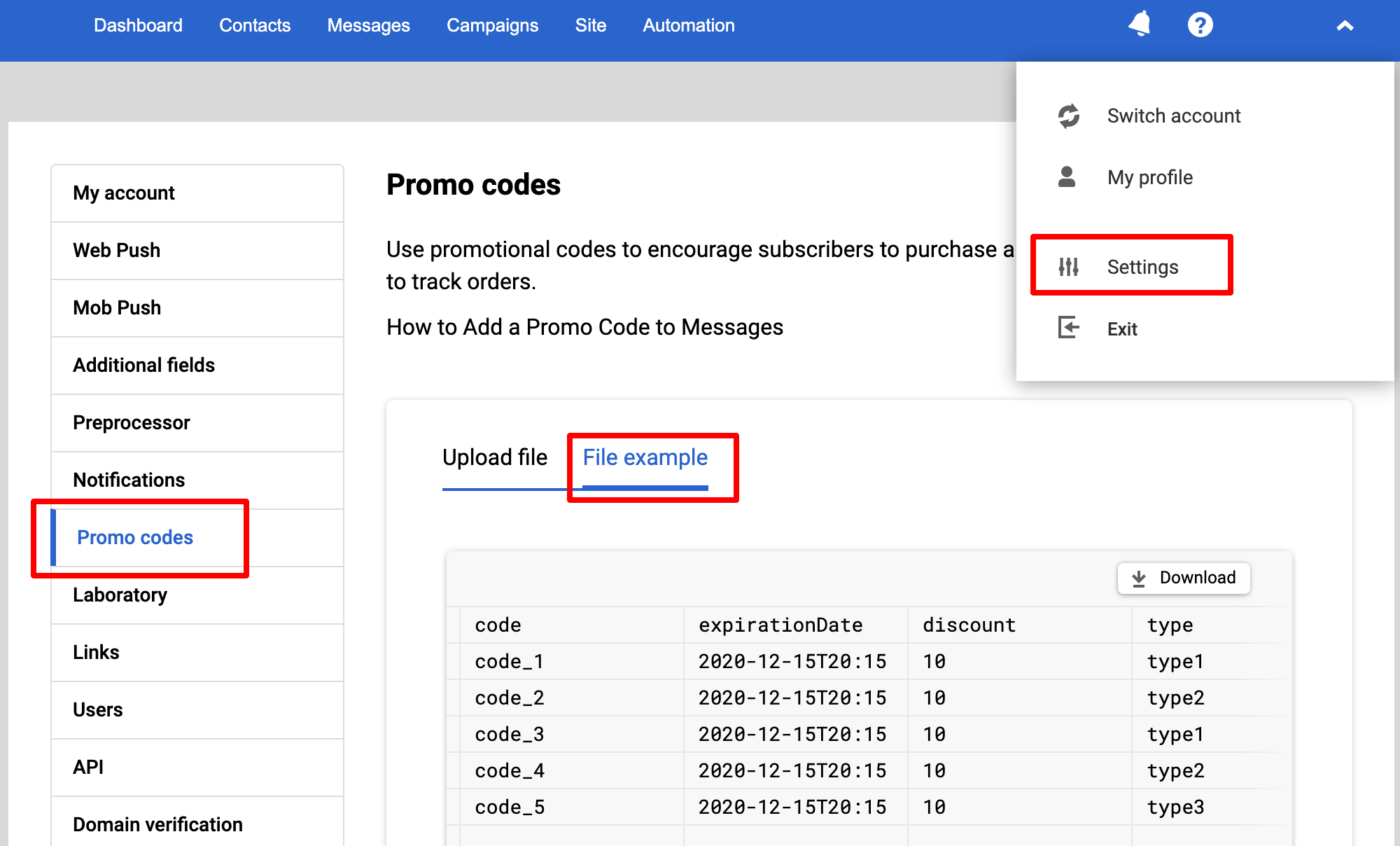
One of the most significant advantages of promo codes for brands lies in their ability to generate actionable data. Each code, when tracked effectively, provides a wealth of information about customer behavior, campaign effectiveness, and market response. Brands can tie specific codes to particular marketing channels (e.g., social media campaigns, email newsletters, influencer partnerships), allowing them to precisely measure the ROI of each channel. This data helps optimize budget allocation and refine future marketing strategies.
Furthermore, promo codes enable a high degree of personalization. By analyzing redemption patterns, brands can segment their audience based on preferences, purchase history, and engagement levels. This allows for the creation of hyper-targeted offers that resonate more deeply with individual customers, enhancing the perceived value of the promotion and strengthening the customer-brand relationship. Beyond basic performance metrics, the data derived from promo code usage can inform broader strategic decisions, from product development to pricing strategies, ensuring the brand remains agile and responsive to market demands.
Crafting the Perfect Promo: Brand Identity and Offer Design
The effectiveness of a promo code isn’t just about the discount percentage; it’s intricately linked to how the offer is designed and whether it aligns with the brand’s overarching identity and goals. A poorly conceived promotion can devalue a brand, while a well-executed one can elevate it.
Alignment with Brand Values: Premium vs. Value-Driven Brands
A critical consideration in designing promo codes is ensuring they align seamlessly with the brand’s identity and values. For premium or luxury brands, frequent or deep discounts can dilute perceived exclusivity and quality. Instead, these brands might opt for exclusive access to new products, personalized styling sessions, or value-added services rather than steep price reductions. The “promo code” in this context might unlock an experience rather than just a discount. The focus shifts from price to privileged access and elevated service, reinforcing the brand’s high-end positioning.
Conversely, for value-driven brands, promo codes are a staple. They can be used aggressively to communicate affordability, volume deals, or competitive pricing. However, even here, consistency is key. Constant, undifferentiated promotions can lead to customers only purchasing during sales, eroding full-price sales and profitability. Brands must strike a balance, using codes to drive specific objectives without creating a dependency on discounts that cheapens the brand in the long run.
Segmenting Audiences: Tailored Offers for Maximum Impact
Generic, one-size-fits-all promo codes are increasingly ineffective in today’s personalized marketing landscape. Savvy brands understand the power of audience segmentation in maximizing the impact of their promotions. This involves categorizing customers based on demographics, psychographics, purchase history, website behavior, and engagement levels.
For instance, a brand might offer a “welcome back” code to customers who haven’t purchased in a while, a “thank you” code for loyal, high-value customers, or a specific product discount to users who abandoned their cart containing that item. Each segment receives an offer that is most relevant and appealing to their current relationship with the brand, significantly increasing the likelihood of redemption and reinforcing the message that the brand understands and values them individually. This precision targeting not only boosts conversion rates but also optimizes marketing spend by focusing efforts where they are most likely to yield results.
The Psychology of Scarcity and Urgency
Beyond the monetary value, the psychological framing of a promo code plays a significant role in its success. Principles like scarcity and urgency are powerful motivators. Limited-time offers (e.g., “48-hour flash sale”), limited-quantity codes (e.g., “first 100 customers”), or seasonal promotions create a sense of immediacy, prompting consumers to act quickly to avoid missing out.
Brands skillfully employ countdown timers, clear expiration dates, and explicit messaging about limited stock to leverage these psychological triggers. This not only drives quick conversions but also adds an element of excitement and exclusivity to the shopping experience. However, it’s crucial for brands to use these tactics authentically; repeated false scarcity claims can erode trust and damage brand credibility over time. The goal is to create genuine value and excitement, not manipulation.
Distribution Channels and Brand Visibility
The most brilliant promo code strategy is futile without effective distribution. Brands must strategically choose and manage channels to ensure their offers reach the right audience, enhancing brand visibility and driving desired actions.
Owned vs. Earned vs. Paid Media: Amplifying Reach
Brands typically leverage a mix of owned, earned, and paid media channels to distribute promo codes. Owned media includes a brand’s website, email newsletters, and social media profiles. These channels offer direct control over messaging and cost-effective distribution to an existing audience. Promo codes shared via email, for example, can be highly personalized based on subscriber segments.
Earned media encompasses publicity generated through word-of-mouth, social media shares, and mentions on third-party sites like coupon aggregators. While brands don’t directly control these channels, a compelling offer can naturally spread through viral sharing, significantly amplifying reach and credibility.
Paid media involves advertising through channels like search engines, social media ads, and display networks. Brands can use targeted ads to distribute promo codes to new audiences identified through demographic or behavioral targeting. This approach is highly scalable and allows for precise audience reach. A balanced approach across these channels ensures broad reach while maintaining control and optimizing spend.
Influencer Marketing and Affiliate Partnerships
Influencer marketing and affiliate programs have become pivotal channels for promo code distribution, leveraging the trust and reach of third parties. Brands partner with influencers whose audience aligns with their target demographic, providing them with unique promo codes to share. This taps into the influencer’s credibility, making the offer feel more authentic and less like a direct advertisement.
Affiliate partnerships operate similarly, where publishers (blogs, review sites, cashback sites) receive a commission for sales driven by their unique promo codes. These partnerships are performance-based, making them a cost-effective way to expand market reach and generate conversions. Both strategies allow brands to access new, engaged audiences and benefit from the established rapport these partners have with their followers. For the brand, it’s a powerful way to extend its voice through trusted conduits.
The Role of Community and Word-of-Mouth
Beyond formal channels, the organic spread of promo codes through community and word-of-mouth remains a potent force. Satisfied customers who receive a valuable offer are often eager to share it with friends, family, and online communities. This peer-to-peer sharing carries significant weight, as recommendations from trusted sources are highly influential.
Brands can actively encourage this by creating shareable offers, implementing referral programs with unique codes, or engaging with online communities where their target audience congregates. A well-designed promo code can become a topic of conversation, generating buzz and free publicity, ultimately strengthening brand visibility and fostering a sense of shared value among consumers.
Navigating the Pitfalls: Protecting Brand Equity
While promo codes are powerful tools, their injudicious use can pose significant risks to brand equity. Brands must carefully navigate potential pitfalls to ensure that short-term gains don’t compromise long-term value.
Discount Dilution and Perceived Value Erosion
One of the most significant dangers is discount dilution, where frequent and deep promotions can habituate customers to expect sales, eroding the perceived full-price value of products or services. If customers consistently see high discounts, they may become unwilling to pay full price, leading to reduced profit margins and a devaluing of the brand’s offerings.
This can be particularly damaging for premium brands whose identity is tied to exclusivity and high quality. To mitigate this, brands must implement a strategic discounting policy, vary offer types, and ensure promotions are tied to specific, measurable objectives rather than being a default marketing tactic. Education about the intrinsic value of the product outside of a discount is also crucial to maintain strong brand equity.
Managing Fraud and Misuse
The digital nature of promo codes makes them susceptible to fraud and misuse. This can range from customers trying to apply expired codes, using codes intended for specific segments (e.g., first-time customers) multiple times, or sophisticated attempts by bots to scrape and exploit codes. Such misuse can lead to revenue loss and a skewed perception of campaign performance.
Brands need robust systems to track code usage, implement clear terms and conditions, and utilize fraud detection technologies. Limiting the number of uses per customer, setting expiration dates, and monitoring unusual redemption patterns are essential practices. Proactive measures protect the integrity of the promotional campaign and prevent significant financial leakage.
Balancing Short-Term Gains with Long-Term Brand Health
The allure of quick sales through promo codes can sometimes overshadow the long-term impact on brand health. A brand overly reliant on discounts might struggle to build a loyal customer base that values its products beyond price. The challenge for marketers is to strike a delicate balance: leveraging the immediate benefits of promotions while simultaneously nurturing brand perception, customer loyalty, and sustainable growth.
This involves integrating promo codes into a broader marketing strategy that also emphasizes product innovation, customer service excellence, brand storytelling, and community building. Promo codes should serve as a catalyst for deeper engagement, not as the sole reason for interaction. A holistic approach ensures that each “what’s the promo code” moment contributes positively to the brand’s enduring value and market position.
The Future of Promotional Strategies: Innovation and Evolution
As technology advances and consumer expectations evolve, the landscape of promotional strategies continues to transform. Brands are increasingly looking beyond traditional discounts to create more engaging, personalized, and value-driven experiences.
AI-Powered Personalization and Predictive Analytics
The future of promo codes will be increasingly driven by artificial intelligence and machine learning. AI-powered algorithms can analyze vast datasets of customer behavior, preferences, and market trends to predict what specific offers will resonate most with individual customers at precise moments. This moves beyond simple segmentation to true hyper-personalization, delivering the right offer to the right person at the right time.
Predictive analytics will enable brands to anticipate customer needs and potential churn, allowing for proactive, tailored promotional interventions. For example, AI might identify a customer at risk of leaving and automatically generate a personalized loyalty offer. This level of intelligent targeting maximizes redemption rates, enhances customer satisfaction, and significantly optimizes marketing ROI, marking a sophisticated evolution in promo code strategy.
Gamification and Interactive Experiences
Beyond static discounts, brands are exploring gamification to make promotions more engaging and interactive. This involves integrating game-like elements into the customer journey, where promo codes might be earned through challenges, loyalty tiers, quizzes, or interactive contests. These experiences transform the hunt for a discount into an enjoyable and memorable interaction with the brand.
Gamified promotions foster deeper engagement, increase time spent on brand platforms, and create a sense of achievement and reward. This approach not only generates leads and conversions but also reinforces brand personality and builds stronger emotional connections with customers, moving beyond transactional relationships to experiential ones.
Subscription Models and Loyalty Programs
The trend towards subscription models and sophisticated loyalty programs represents another significant evolution. Instead of relying solely on sporadic promo codes for one-off purchases, brands are encouraging long-term relationships through recurring value. Promo codes here might serve as incentives to join a subscription service or to unlock higher tiers within a loyalty program.
These models offer consistent value to customers and predictable revenue streams for brands. Loyalty programs, often tiered, reward customers with exclusive perks, early access, and personalized offers, going beyond simple discounts to foster true brand advocacy. In this future, the “promo code” might be less about a single transaction and more about accessing an ongoing ecosystem of brand benefits, solidifying customer lifetime value and nurturing a deeply engaged brand community.
aViewFromTheCave is a participant in the Amazon Services LLC Associates Program, an affiliate advertising program designed to provide a means for sites to earn advertising fees by advertising and linking to Amazon.com. Amazon, the Amazon logo, AmazonSupply, and the AmazonSupply logo are trademarks of Amazon.com, Inc. or its affiliates. As an Amazon Associate we earn affiliate commissions from qualifying purchases.