
In the landscape of modern home entertainment, the term “cord-cutting” has transitioned from a niche tech trend to a global standard. At the center of this digital revolution is Roku, a pioneer in the streaming industry that has redefined how we consume media. While many recognize the name, understanding exactly what Roku is—and how its ecosystem of hardware and software functions—is essential for anyone looking to navigate the complex world of digital content.
Roku is not just a single device; it is a comprehensive technology platform designed to bridge the gap between traditional television and the internet. By providing a streamlined interface that aggregates thousands of streaming services, Roku has become the connective tissue of the modern living room. This guide explores the technological intricacies of Roku, from its specialized operating system to the hardware that powers its seamless user experience.
Understanding the Roku Ecosystem: Software and Hardware Synergy
To understand what Roku is, one must first distinguish between its two primary components: the Roku Operating System (OS) and the physical hardware that runs it. Unlike many of its competitors, who adapted mobile operating systems for the big screen, Roku built its software from the ground up specifically for television interaction.
The Roku Operating System (OS)
The heart of the Roku experience is the Roku OS. It is a proprietary Linux-based platform designed for efficiency and ease of use. Because the OS is purpose-built for streaming, it requires significantly less processing power than a general-purpose OS like Android TV. This efficiency allows even the most affordable Roku devices to remain snappy and responsive.
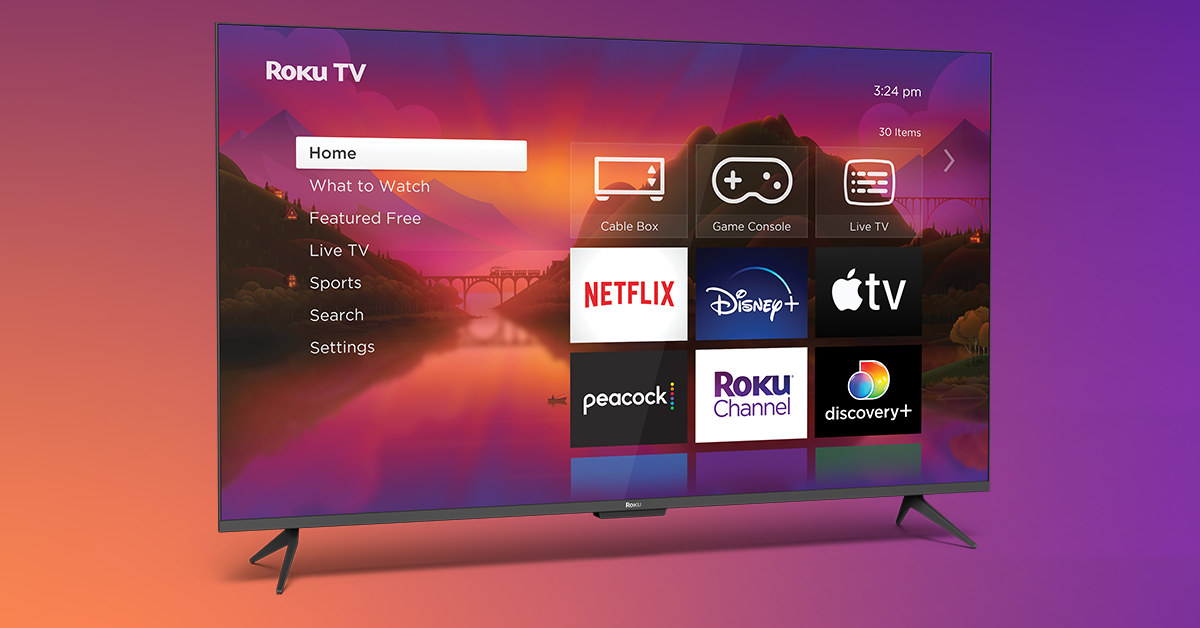
The user interface (UI) is centered around a grid-based “Home Screen” where users can organize their “Channels”—Roku’s term for apps like Netflix, Disney+, and YouTube. The OS also features a robust global search engine that can scan across hundreds of different streaming services to find specific movies or actors, providing a neutral platform that doesn’t prioritize its own content over others.
Hardware Versatility: Players and TVs
The Roku hardware ecosystem exists in three main forms:
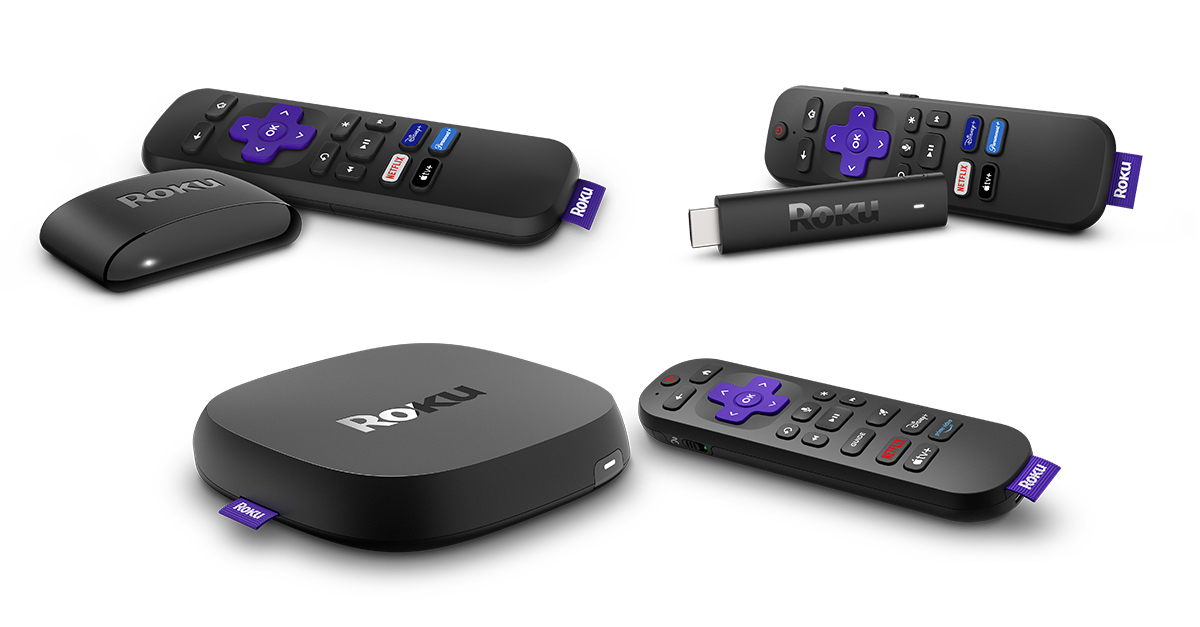
- Standalone Streaming Players: These are small devices (sticks or set-top boxes) that plug into any TV’s HDMI port, instantly granting it “smart” capabilities.
- Roku TV: This is a hardware partnership model where Roku licenses its OS to television manufacturers like TCL, Hisense, and Westinghouse. In these units, the Roku OS is the TV’s native interface, controlling everything from the streaming apps to the physical HDMI inputs and over-the-air antenna settings.
- Audio Products: Roku has expanded into the “Streambar” category, which combines a high-fidelity soundbar with a built-in 4K streaming player, simplifying the cable management of a home theater setup.
How Roku Technology Transforms the Viewing Experience
The technical appeal of Roku lies in its ability to simplify the fragmentation of the streaming world. With hundreds of subscription services and thousands of “FAST” (Free Ad-Supported Television) channels available, Roku acts as a digital curator.
The Channel Store and Content Aggregation
Just as a smartphone has an app store, Roku has the “Channel Store.” It hosts thousands of applications ranging from major global platforms to niche interests like classic cinema, yoga, or local news. The technology behind this aggregation is seamless; Roku uses a specialized SDK (Software Development Kit) that allows developers to create lightweight “channels” that load quickly and maintain a consistent UI across all Roku devices.
Universal Search and Discovery
One of Roku’s most powerful technical features is its cross-platform search. When a user searches for a title, Roku’s algorithms index the libraries of over 500 channels. It provides a transparent list of results, showing where a movie is available for free, where it requires a subscription, and where it must be rented. This neutrality is a core pillar of the Roku tech philosophy, ensuring the user finds the most cost-effective way to watch content.
The Roku Channel
Roku also operates its own streaming service, “The Roku Channel.” Integrated directly into the OS, this service leverages the platform’s massive user base to offer a mix of licensed movies, live news, and “Roku Originals.” Technically, this serves as a showcase for Roku’s ad-insertion technology, proving that a high-quality streaming experience can be delivered without a monthly subscription fee.
A Comparison of Roku Hardware Options
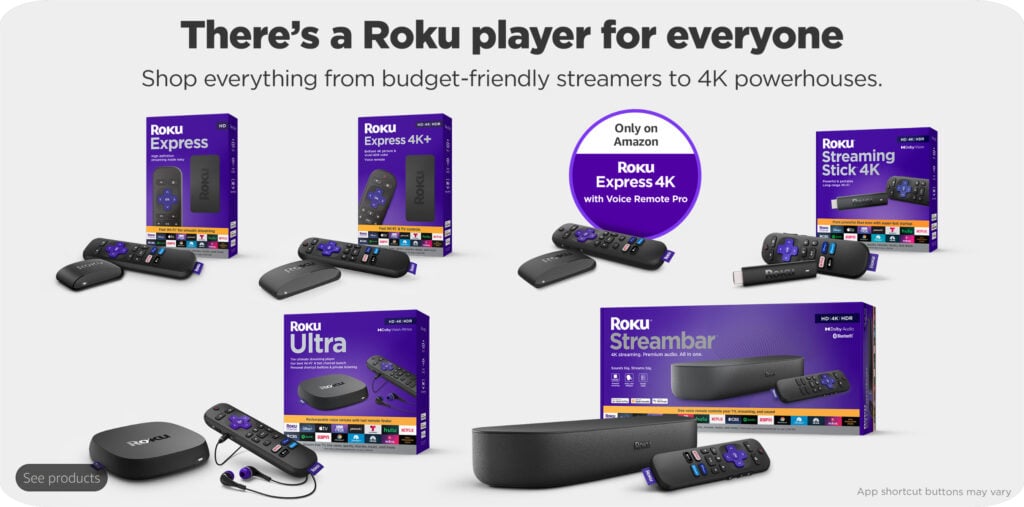
Selecting the right Roku device depends on your television’s capabilities and your personal performance requirements. The hardware lineup is tiered to accommodate everything from older 1080p displays to the latest 8K home theaters.
Entry-Level: Roku Express and Express 4K+
The Roku Express is the budget-friendly entry point, designed for secondary televisions or users new to streaming. It provides a standard HD experience with a simple remote. The Express 4K+ introduces support for 4K resolution and High Dynamic Range (HDR10/10+), providing a massive jump in visual fidelity for a modest price increase. It also features dual-band Wi-Fi, which is crucial for the high-bandwidth requirements of 4K video.
High-Performance: Roku Streaming Stick 4K and Ultra
For users who want their hardware hidden, the Streaming Stick 4K plugs directly into the HDMI port behind the TV. It features a long-range Wi-Fi receiver built into the power cable, solving the common tech issue of “signal shadowing” caused by the TV’s own metal chassis.
The Roku Ultra is the flagship set-top box. It is designed for the power user, featuring an Ethernet port for a hardwired internet connection, a lost-remote finder, and the “Roku Voice Remote Pro.” The Ultra supports Dolby Vision and Atmos, making it the preferred choice for high-end home cinema setups where bit-rate and audio-visual synchronization are paramount.
Integrated Solutions: The Rise of Roku TV
Roku TV represents the most seamless integration of the platform. By embedding the OS into the TV’s firmware, Roku eliminates the need for an external device and a second remote. Technically, these TVs utilize a unified “input” system where a gaming console or a cable box appears as a tile on the home screen right next to Netflix, creating a frictionless user experience.
Advanced Features and Digital Ecosystem Integration
Beyond simply playing video, Roku has evolved into a sophisticated smart home hub, integrating with various digital ecosystems and providing advanced utility features.
The Roku Mobile App: The Digital Swiss Army Knife
The Roku mobile app (available for iOS and Android) is a significant piece of the Roku tech puzzle. It serves several advanced functions:
- Private Listening: Users can stream the audio from their TV to their smartphone, allowing them to listen through headphones. This is an ingenious software solution to a hardware problem, enabling late-night viewing without disturbing others.
- Remote Replacement: The app provides a full digital remote, including a keyboard for easier typing of passwords and search queries.
- Photo Streams: A recent addition that allows users to turn their TV into a giant digital photo frame by syncing albums from their phone.
Voice Control and Smart Home Compatibility
Roku has invested heavily in voice recognition technology. Users can search for content, launch channels, or control playback using the “Roku Voice” system. Furthermore, Roku is platform-agnostic when it comes to the broader smart home. It supports:
- Apple HomeKit and AirPlay 2: Allowing users to cast content from iPhones and control the TV via the Apple Home app.
- Google Assistant and Amazon Alexa: Enabling voice commands through external smart speakers.
- The Matter Standard: Roku is part of the move toward a universal smart home standard, ensuring its devices will remain compatible with future IoT (Internet of Things) gadgets.
The Future of Streaming Technology: What’s Next for Roku?
As the streaming wars intensify, Roku continues to innovate on the technical front to maintain its market-leading position. The focus has shifted from mere connectivity to optimization and content discovery.
Enhanced Visual Standards: 4K, HDR, and Beyond
The future of Roku hardware is tied to the evolution of display technology. We are seeing wider adoption of AV1 decoding, a high-efficiency video codec that allows for better image quality at lower bitrates. As 8K content begins to trickle into the market, Roku’s future chipsets will need to balance the immense processing power required for 8K with the energy-efficient profile the brand is known for.
The Shift Toward FAST and AI Personalization
The technical frontier for Roku now lies in Artificial Intelligence and Machine Learning. By analyzing viewing patterns, Roku is refining its “Live TV Zone,” which aggregates free, ad-supported linear channels. The goal is to create a “lean-back” experience that mimics traditional channel-surfing but is powered by sophisticated recommendation algorithms that understand a user’s specific tastes.
Expanding the Smart Home: Roku Home Monitoring
Roku has recently expanded its tech portfolio into home security, launching cameras and smart bulbs that integrate directly with the Roku OS. This allows users to see who is at their front door via a picture-in-picture window on their TV screen while they are watching a movie—a perfect example of how Roku is evolving from a streaming box into a central command center for the modern digital home.
In conclusion, “What is Roku?” is a question with an evolving answer. It is a hardware manufacturer, a software developer, and a content gatekeeper. By focusing on a “TV-first” philosophy and maintaining a neutral, user-friendly interface, Roku has secured its place as a cornerstone of the digital entertainment era. Whether you are a casual viewer or a tech enthusiast, the Roku ecosystem offers a scalable, powerful, and intuitive way to engage with the vast world of streaming media.
aViewFromTheCave is a participant in the Amazon Services LLC Associates Program, an affiliate advertising program designed to provide a means for sites to earn advertising fees by advertising and linking to Amazon.com. Amazon, the Amazon logo, AmazonSupply, and the AmazonSupply logo are trademarks of Amazon.com, Inc. or its affiliates. As an Amazon Associate we earn affiliate commissions from qualifying purchases.