
To understand “what were abolitionists” is to explore not just a pivotal historical movement but also a profound case study in social engineering, public relations, and what we might today call “movement branding.” Far more than just individuals advocating for the end of slavery, abolitionists coalesced into a powerful, multifaceted “brand” that strategically utilized communication, community building, and personal conviction to fundamentally shift public opinion and catalyze monumental societal change. Their methods, though predating modern marketing parlance, offer invaluable insights into how a compelling vision, articulated with unwavering purpose, can disrupt established norms and build a lasting legacy.
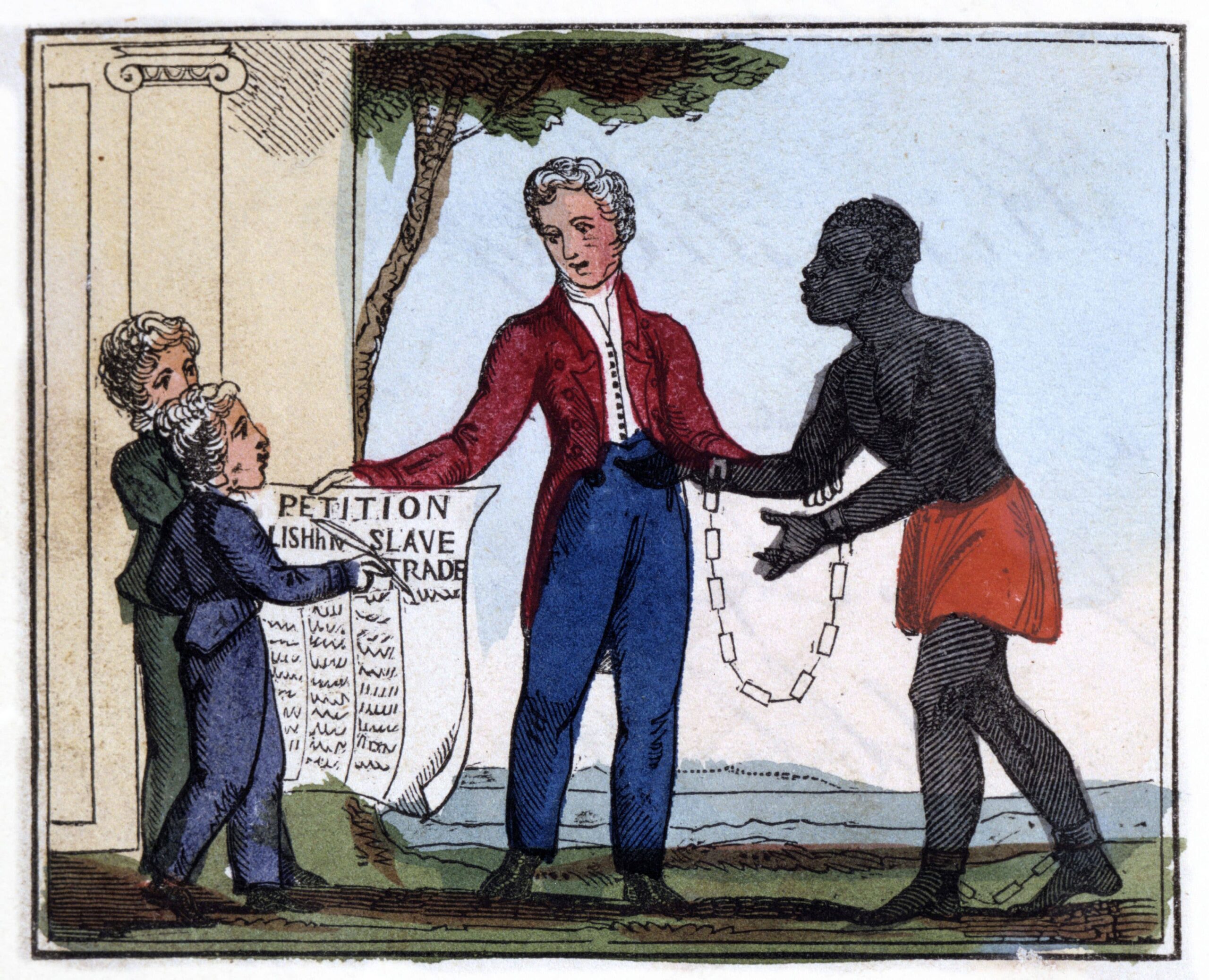
The abolitionist movement, primarily active in the 18th and 19th centuries, particularly in Great Britain and the United States, was a collective endeavor to end the practice of slavery. It wasn’t a monolithic entity but a diverse coalition of activists, thinkers, writers, and speakers who shared a singular, audacious goal. Framed through a contemporary branding lens, abolitionists represented a disruptive “startup” challenging an entrenched “industry” (slavery) by building a powerful “brand” around moral principles, human dignity, and justice. Their success lay in their ability to define their cause, articulate its value proposition, market their message, and mobilize a dedicated “consumer base” (the public and policymakers) to ultimately dismantle a deeply integrated economic and social system.
Crafting the Core Message: The Abolitionist Brand Identity
Every successful brand begins with a clear, compelling identity. For the abolitionists, this identity was forged in the crucible of moral outrage and a fervent belief in universal human rights. They didn’t just articulate an objection to slavery; they branded it as an existential threat to societal values and individual liberties, creating a potent identity that resonated far beyond the confines of their immediate circles.
Defining the “Why”: Mission and Vision Clarity
The abolitionist “brand” was rooted in an unshakeable moral mission: the immediate and unconditional end to chattel slavery. This was their “why,” their core purpose, articulated with clarity and moral force that cut through the prevailing economic justifications for slavery. Leaders like William Lloyd Garrison, through his newspaper The Liberator, didn’t equivocate. His inaugural editorial declared, “I am in earnest — I will not equivocate — I will not excuse — I will not retreat a single inch — AND I WILL BE HEARD.” This wasn’t merely a statement; it was a brand manifesto, establishing a clear, uncompromising vision.
Their vision extended beyond mere liberation; it encompassed the promise of a more just and equitable society. By framing slavery as a sin, a crime against humanity, and an antithesis to national ideals of freedom, abolitionists provided a moral framework that was both emotionally powerful and intellectually defensible. This crystal-clear mission and vision served as the guiding star for all their subsequent “marketing” and “brand development” efforts, ensuring consistency and driving passionate engagement among their “stakeholders.” They understood that a powerful brand isn’t just about what you do, but why you do it, and the better future you envision.
Symbols and Slogans: Visual and Verbal Identity
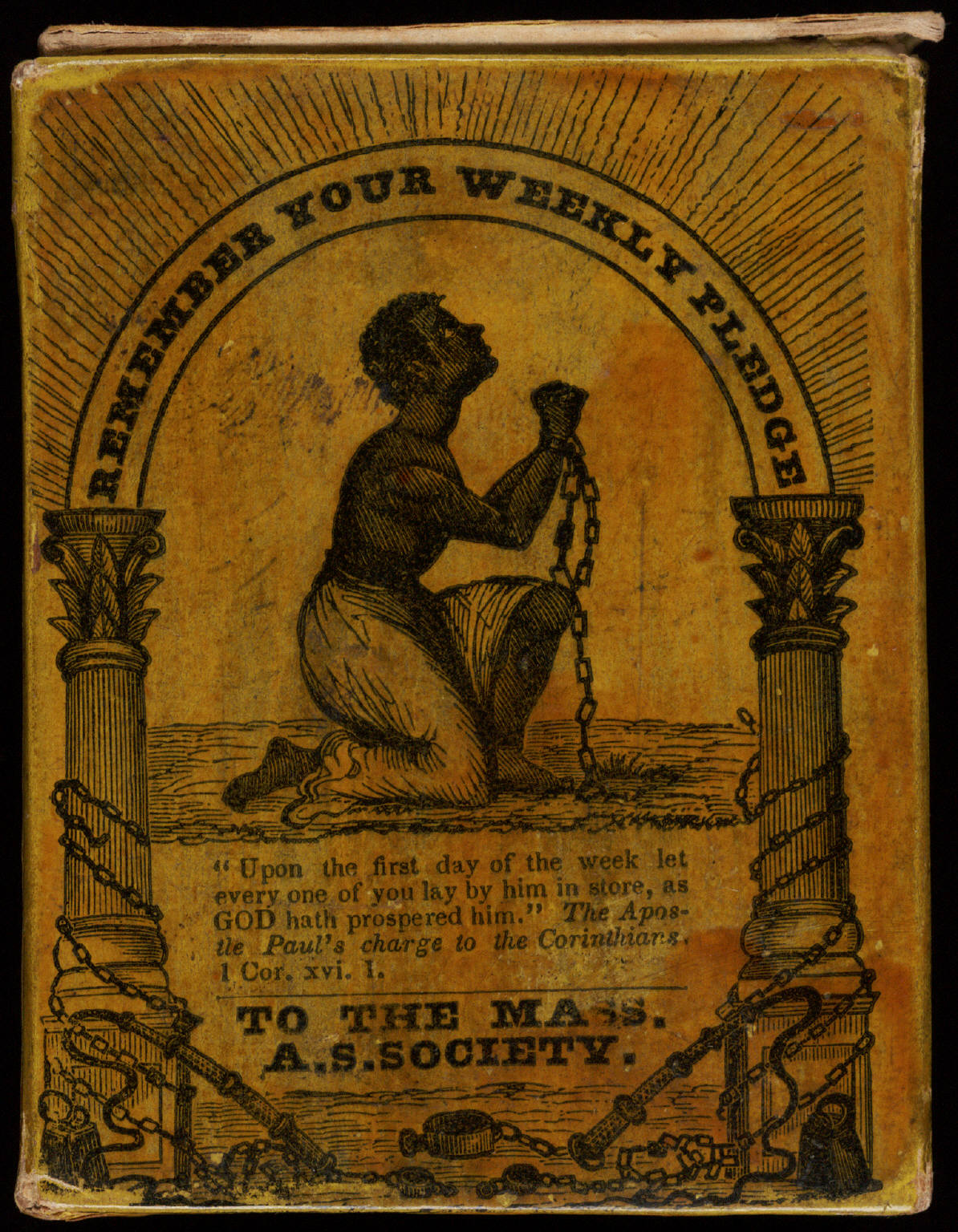
Just as modern brands rely on logos and taglines, abolitionists developed potent symbols and slogans that instantly communicated their cause. Perhaps the most iconic was the medallion produced by Josiah Wedgwood in the late 18th century, depicting an enslaved African in chains kneeling, with the inscription “Am I Not a Man and a Brother?” This image became ubiquitous, appearing on jewelry, household items, and pamphlets. It was a minimalist, yet incredibly powerful, piece of “visual branding” that evoked empathy and challenged the viewer’s conscience. It distilled complex arguments into a single, emotionally resonant image, much like a modern corporate logo aims to embody a brand’s essence.
Verbal identity was equally crucial. Slogans like “No Union with Slaveholders” or “Immediate Emancipation” served as concise, memorable calls to action. These weren’t just catchy phrases; they were strategic messaging tools that framed the debate, galvanized supporters, and provided a shared language for the movement. These symbols and slogans acted as powerful brand assets, easily recognizable and replicable, helping to build a collective identity and foster solidarity among a geographically dispersed and diverse group of adherents.
Building a Movement: Abolitionist Marketing and Community Engagement
A brand, however strong its identity, cannot thrive without effective marketing and a robust community. Abolitionists were masters of grassroots marketing and community building, leveraging various channels to disseminate their message, recruit new adherents, and foster a sense of collective purpose.
Public Relations and Media Strategy: Reaching the Masses
The abolitionist movement pioneered many techniques that foreshadow modern public relations and media strategy. Newspapers like The Liberator, The North Star (published by Frederick Douglass), and countless pamphlets and broadsides served as their primary media outlets. These publications were not merely informational; they were advocacy platforms, meticulously curated to sway public opinion. They published firsthand accounts of slavery, moral arguments, political analyses, and calls to action, functioning as the movement’s central content hubs.
Public speaking was another critical “marketing channel.” Orators like Frederick Douglass, Sojourner Truth, and Wendell Phillips toured extensively, delivering passionate speeches that converted skeptics and galvanized supporters. These speeches were carefully crafted narratives, often deeply personal, designed to evoke empathy and outrage. The abolitionists understood the power of storytelling long before it became a marketing buzzword. Their public forums and lecture circuits were essentially “roadshows” for their brand, directly engaging with potential “customers” and “investors” in their cause. They leveraged print media for scale and public speaking for deep, personal connection, a strategic duality that remains relevant in modern integrated marketing campaigns.
Network Building and Grassroots Mobilization: The Power of Community
Abolitionists excelled at building robust networks and fostering a strong sense of community, a cornerstone of any powerful brand. Anti-slavery societies proliferated across the North, acting as local chapters of the larger movement. These societies organized meetings, raised funds, distributed literature, and coordinated petitions. They created “brand touchpoints” in communities, allowing individuals to actively participate in and feel connected to the cause.
The Underground Railroad, while a covert operation, also served as a powerful testament to the network’s strength and commitment, becoming a legendary aspect of the abolitionist “brand story.” It showcased practical, courageous action consistent with the brand’s values. Furthermore, women played an incredibly vital role, organizing fairs, boycotts of slave-produced goods (a form of ethical consumption), and fundraising drives. These activities not only sustained the movement financially but also built a passionate, engaged community of “brand loyalists” who were willing to invest their time, resources, and even risk their safety for the cause. This grassroots mobilization created a powerful, distributed network of advocates, amplifying the brand’s message organically.
Influencing Public Opinion: Strategic Communication and Advocacy
The abolitionist movement faced an uphill battle against deeply entrenched economic interests and societal prejudices. Their success in influencing public opinion demonstrates a sophisticated understanding of strategic communication, advocacy, and even early forms of reputation management.
Personal Branding of Key Figures: Leaders as Brand Ambassadors
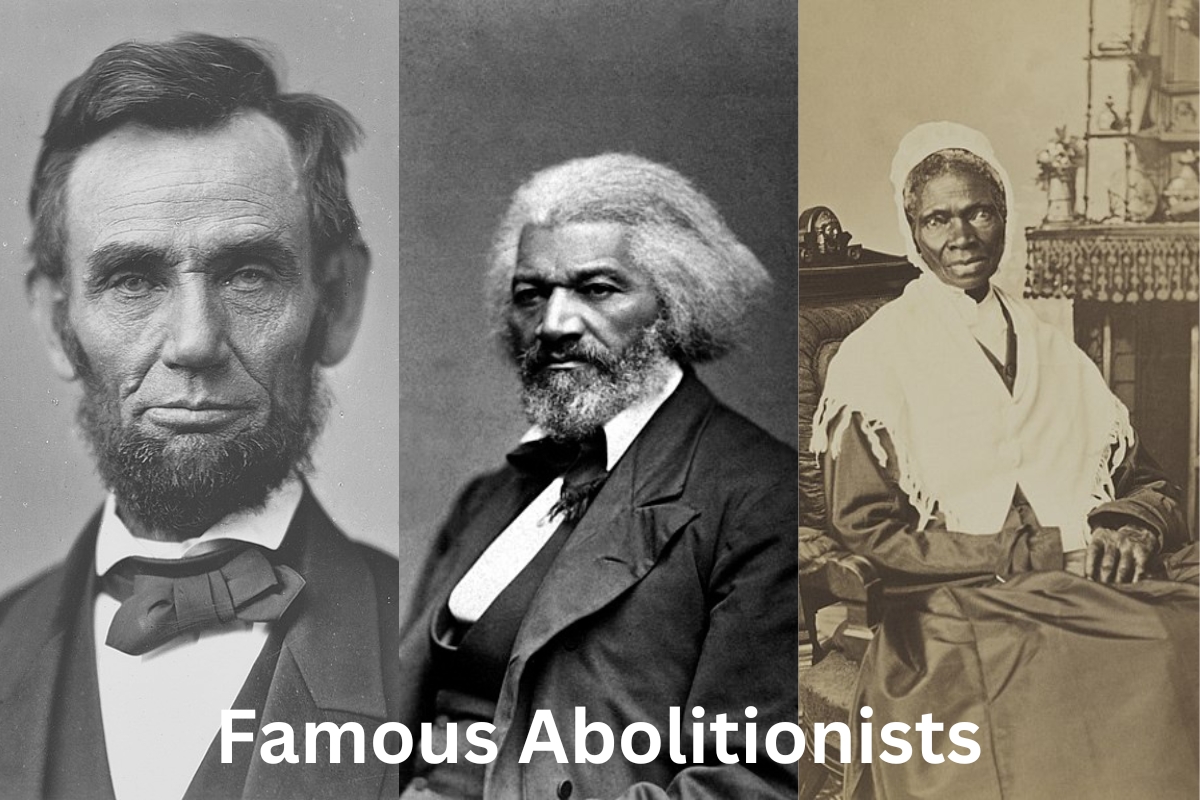
Key abolitionist figures understood the power of personal branding. Individuals like Frederick Douglass, a self-emancipated slave who became a masterful orator and writer, embodied the very principles the movement espoused. His life story was his personal brand narrative, a living testament to the humanity and intellectual capabilities of Black people, directly refuting pro-slavery arguments about inherent inferiority. His eloquence and dignity lent immense credibility to the cause, making him an invaluable “brand ambassador.”
Similarly, Harriet Tubman, “Moses of her people,” became a heroic symbol of resistance and courage. Even figures like William Lloyd Garrison, through his uncompromising stance, cultivated a personal brand of principled activism. These individuals didn’t just represent the movement; they were the movement in the public eye, their personal integrity and actions directly enhancing the credibility and resonance of the overall abolitionist brand. Their consistent message and authentic commitment made them powerful voices, building trust and garnering respect even from opponents.
Countering Opposition: Reputation Management in a Divided Society
The abolitionist brand was constantly under attack. Pro-slavery forces engaged in their own “counter-marketing,” demonizing abolitionists as radicals, fanatics, and threats to social order. They spread misinformation and engaged in smear campaigns. In response, abolitionists had to employ strategies akin to modern reputation management.
They did this by consistently reiterating their moral high ground, publishing factual accounts to counter disinformation, and drawing clear distinctions between their peaceful, moral objectives and the violence and injustice of slavery. They highlighted hypocrisy and inconsistency in the arguments of their opponents. When violence erupted against abolitionists (as it frequently did), they used these incidents to further illustrate the barbarity of the pro-slavery stance, turning negative events into opportunities to reinforce their own brand’s narrative of victimhood and moral righteousness. By maintaining a steadfast and consistent message, they managed to protect their brand’s integrity and gradually shift the narrative in their favor, demonstrating resilience in the face of intense opposition.
The Legacy of a Cause: Sustaining Impact and Historical Branding
The ultimate measure of any brand’s strength is its lasting impact and ability to transcend its immediate context. The abolitionist movement’s profound success in dismantling slavery left an indelible mark on history, creating a legacy that continues to inform and inspire, proving the enduring power of ethical branding.
Measuring Success: Impact Beyond Immediate Goals
While the Civil War and the 13th Amendment formally ended slavery in the United States, the abolitionist movement’s “success” cannot be solely measured by legislative victories. Their true impact lies in their transformative effect on public consciousness. They fundamentally altered the moral landscape, making slavery not just a political issue but an undeniable moral atrocity in the eyes of an increasing number of people. This long-term shift in societal values, driven by persistent brand messaging, was arguably their greatest triumph.
Their influence extended beyond the immediate goal, inspiring subsequent social justice movements. The tactics, rhetoric, and organizational structures developed by abolitionists provided a template for the women’s suffrage movement, the civil rights movement, and countless other campaigns for human rights. This demonstrates how a strong “movement brand” can generate a ripple effect, influencing future generations and causes—a testament to its enduring value and adaptability.
Enduring Resonance: The Brand’s Long-Term Value
The abolitionist brand continues to resonate today, serving as a powerful historical touchstone for justice and equality. Figures like Frederick Douglass, Harriet Tubman, and Sojourner Truth are still celebrated as heroes, their stories taught in schools, their words quoted in contemporary debates. Their commitment to ethical principles and their strategic approach to social change have ensured that the abolitionist “brand” remains synonymous with courage, moral conviction, and the pursuit of human dignity.
Their story reminds us that even against overwhelming odds, a clear vision, consistent messaging, dedicated community building, and principled leadership can create a brand so powerful it can dismantle systemic injustice. The abolitionists were more than just historical figures; they were architects of a profoundly impactful social brand, offering timeless lessons in how to lead, communicate, and catalyze transformation on a grand scale. Their brand endures because its core values—freedom, equality, and human dignity—are timeless and universally appealing.
In conclusion, “what were abolitionists” were, in essence, pioneering brand strategists of social change. They created a compelling brand identity for their cause, deployed innovative marketing and public relations tactics, built powerful communities of advocates, and influenced public opinion through strategic communication. Their efforts culminated in one of history’s most significant triumphs for human rights, leaving a legacy that underscores the transformative power of a well-defined, passionately communicated, and morally grounded brand. Their historical struggle provides a powerful masterclass for any organization, movement, or individual aiming to make a significant, lasting impact in the world.
aViewFromTheCave is a participant in the Amazon Services LLC Associates Program, an affiliate advertising program designed to provide a means for sites to earn advertising fees by advertising and linking to Amazon.com. Amazon, the Amazon logo, AmazonSupply, and the AmazonSupply logo are trademarks of Amazon.com, Inc. or its affiliates. As an Amazon Associate we earn affiliate commissions from qualifying purchases.