
The relationship between the United States and Canada is one of the most extensive and intricate bilateral trade partnerships in the world. Often characterized by a shared border, intertwined economies, and cultural similarities, the perception might be that goods flow seamlessly between the two nations with minimal friction. However, the reality of international trade involves a complex web of regulations, agreements, and, yes, tariffs. The question “what tariffs does the US pay to Canada?” at first glance seems straightforward, but it unravels a nuanced discussion about how tariffs function, who truly bears their cost, and the specific sectors where they still apply within this vital economic corridor.
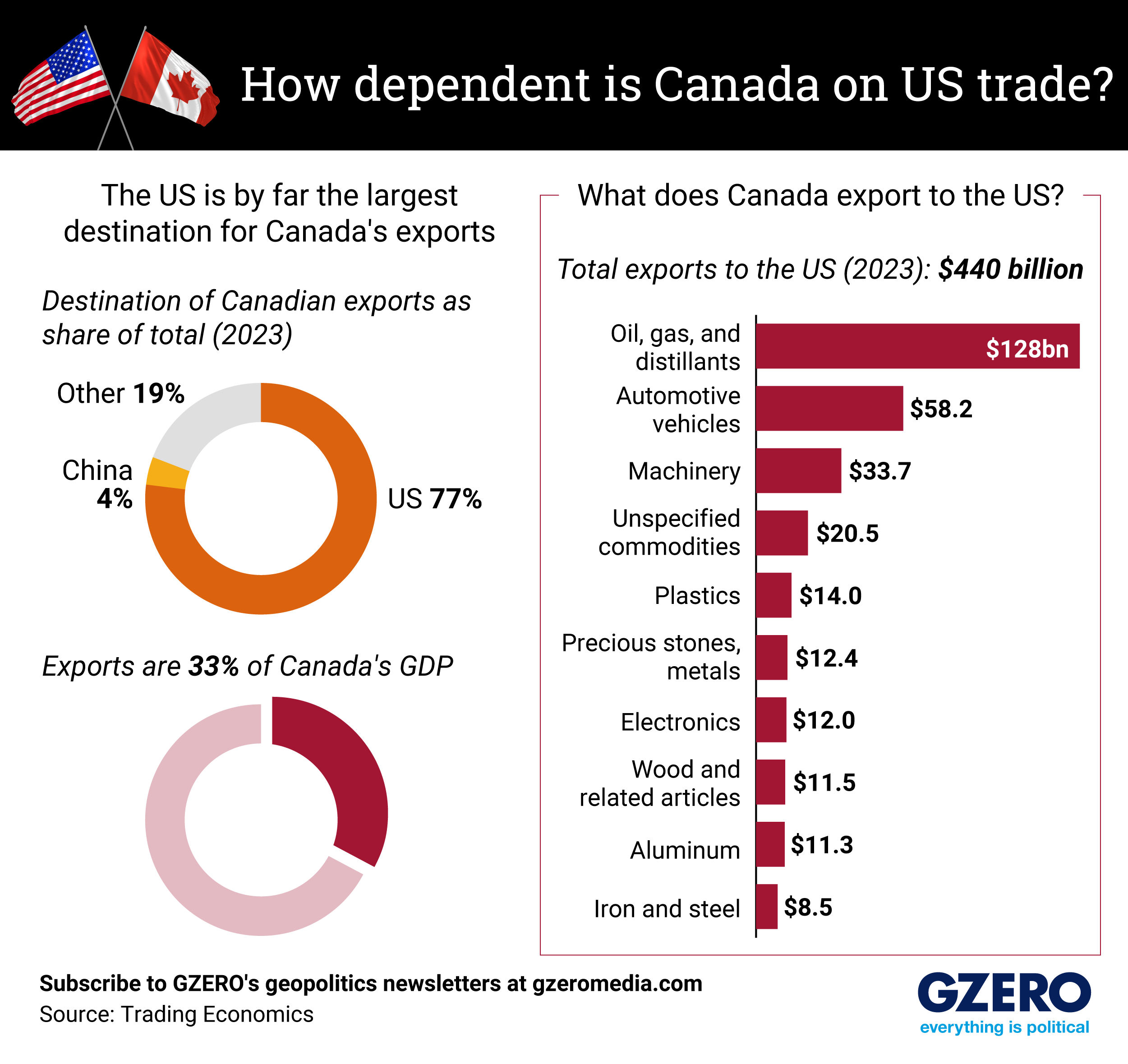
Understanding this dynamic requires a deep dive into trade agreements, the nature of duties, and the economic impact they exert on both sides of the 49th parallel. While the vast majority of goods traded between the US and Canada are tariff-free thanks to successive trade agreements, specific product categories and strategic policy decisions can lead to the imposition of duties. It’s crucial to clarify that tariffs are not typically “paid by the US” in the sense of the US government remitting funds to the Canadian government. Rather, tariffs are taxes levied by an importing country’s government on goods arriving from another country. These duties are collected from the importer in the receiving country, who then often passes the cost along to consumers or absorbs it, impacting profit margins. This article will dissect these complexities, providing an insightful look into the financial architecture of US-Canada trade.
Understanding Tariffs in US-Canada Trade
To grasp the specifics of what tariffs apply in US-Canada trade, it’s essential to establish a foundational understanding of what tariffs are, why they exist, and how the trade relationship between these two nations has evolved over time. This context is vital for discerning the actual financial flows and economic impacts.
The Fundamentals of Tariffs
At its core, a tariff is a tax imposed by a government on goods and services imported from another country. The primary purposes of tariffs are multifaceted: to protect domestic industries from foreign competition by making imported goods more expensive; to generate revenue for the government; and to serve as a tool in international trade negotiations, influencing the economic behavior of other nations. When we speak of “what tariffs the US pays to Canada,” it’s a slight misnomer. The tariffs are duties imposed by the importing country (in this case, the US) on goods originating from the exporting country (Canada). Therefore, it is US importers who are legally responsible for paying these tariffs to the US Treasury, not to the Canadian government. These costs are then often absorbed by the importer or passed on to US consumers through higher prices, making the Canadian goods less competitive than their domestic counterparts or goods from other tariff-free regions. This distinction is critical for understanding the actual financial mechanics.
Evolution of US-Canada Trade Agreements
The trade relationship between the US and Canada has been significantly shaped by a series of landmark agreements designed to reduce and eliminate trade barriers, including tariffs. The journey began with the Canada-US Free Trade Agreement (CUSFTA) in 1989, which dramatically liberalized trade. This was superseded by the North American Free Trade Agreement (NAFTA) in 1994, expanding the free trade zone to include Mexico and creating one of the world’s largest free trade areas. NAFTA largely eliminated tariffs on a vast array of goods moving between the three countries, fostering deep economic integration and the development of complex cross-border supply chains, particularly in sectors like automotive.
In 2020, NAFTA was replaced by the United States-Mexico-Canada Agreement (USMCA), known as CUSMA in Canada. This updated agreement aimed to modernize trade rules, particularly in areas like digital trade, labor, and environmental standards, while maintaining the core principle of largely tariff-free trade for most goods. The USMCA reinforced the tariff-free status for many products that had enjoyed it under NAFTA, but it also introduced new rules of origin, particularly for the automotive sector, and adjustments to agricultural trade, which can indirectly influence the application of tariffs if goods do not meet specific criteria. These agreements collectively mean that the baseline for US-Canada trade is one of minimal tariffs, making the exceptions all the more noteworthy.
Key Sectors and Specific Tariff Scenarios
While the USMCA provides a framework for predominantly tariff-free trade, certain sectors and specific circumstances still see the application of duties. These are often areas of sensitive domestic industries, strategic policy concerns, or where goods fail to meet the origin requirements of the trade agreement.
Agricultural Products
Agriculture remains one of the most protected sectors in international trade, and the US-Canada relationship is no exception. While many agricultural products flow freely, specific commodities, particularly those subject to Canada’s supply management system, still face high tariffs. Canada maintains a strict supply management system for dairy, poultry, and eggs, which limits domestic production and applies substantial tariffs (often exceeding 200-300%) to imports beyond specific quota levels. These tariffs are designed to protect Canadian farmers from cheaper foreign competition. Conversely, the US also maintains some tariffs on certain Canadian agricultural imports, although generally at much lower rates than Canada’s supply-managed goods. The USMCA did make some adjustments, providing US dairy farmers with expanded access to the Canadian market through tariff-rate quotas (TRQs), meaning specific volumes can enter at lower or zero tariffs, but beyond those quotas, the high tariffs persist.
Automotive Sector
The automotive industry is perhaps the most integrated cross-border sector between the US and Canada, with parts and finished vehicles routinely crossing the border multiple times during production. Under USMCA, finished vehicles and parts generally enjoy tariff-free status, provided they meet stringent rules of origin. These rules mandate a certain percentage of vehicle content (currently 75%) must originate from North America, and specific portions of the vehicle must be produced by workers earning at least $16 per hour. If a vehicle or component fails to meet these complex rules of origin, it could be subject to Most Favored Nation (MFN) tariffs, which are the standard tariffs applied to countries without a free trade agreement. This can significantly impact the cost structure for manufacturers. The intent of these rules is to incentivize North American production and supply chains, but they also introduce a potential for tariffs if manufacturers source too many components from outside the region.
Steel and Aluminum
The steel and aluminum sectors represent a more recent and prominent example of tariff imposition in US-Canada trade, albeit largely resolved for now. In 2018, the US imposed Section 232 tariffs on steel (25%) and aluminum (10%) imports from various countries, including Canada, citing national security concerns. Canada responded with retaliatory tariffs on a wide range of US goods, including steel, aluminum, and consumer products. This trade dispute significantly disrupted the integrated North American metals market and raised costs for manufacturers on both sides of the border. Fortunately, a resolution was reached in 2019, with the US agreeing to lift the Section 232 tariffs on Canadian steel and aluminum, and Canada simultaneously removing its retaliatory duties. However, the agreement included a monitoring mechanism and the possibility for tariffs to be re-imposed if surges in imports were detected, demonstrating the ongoing potential for tariffs in politically sensitive industrial goods.
Other Industrial Goods and Raw Materials
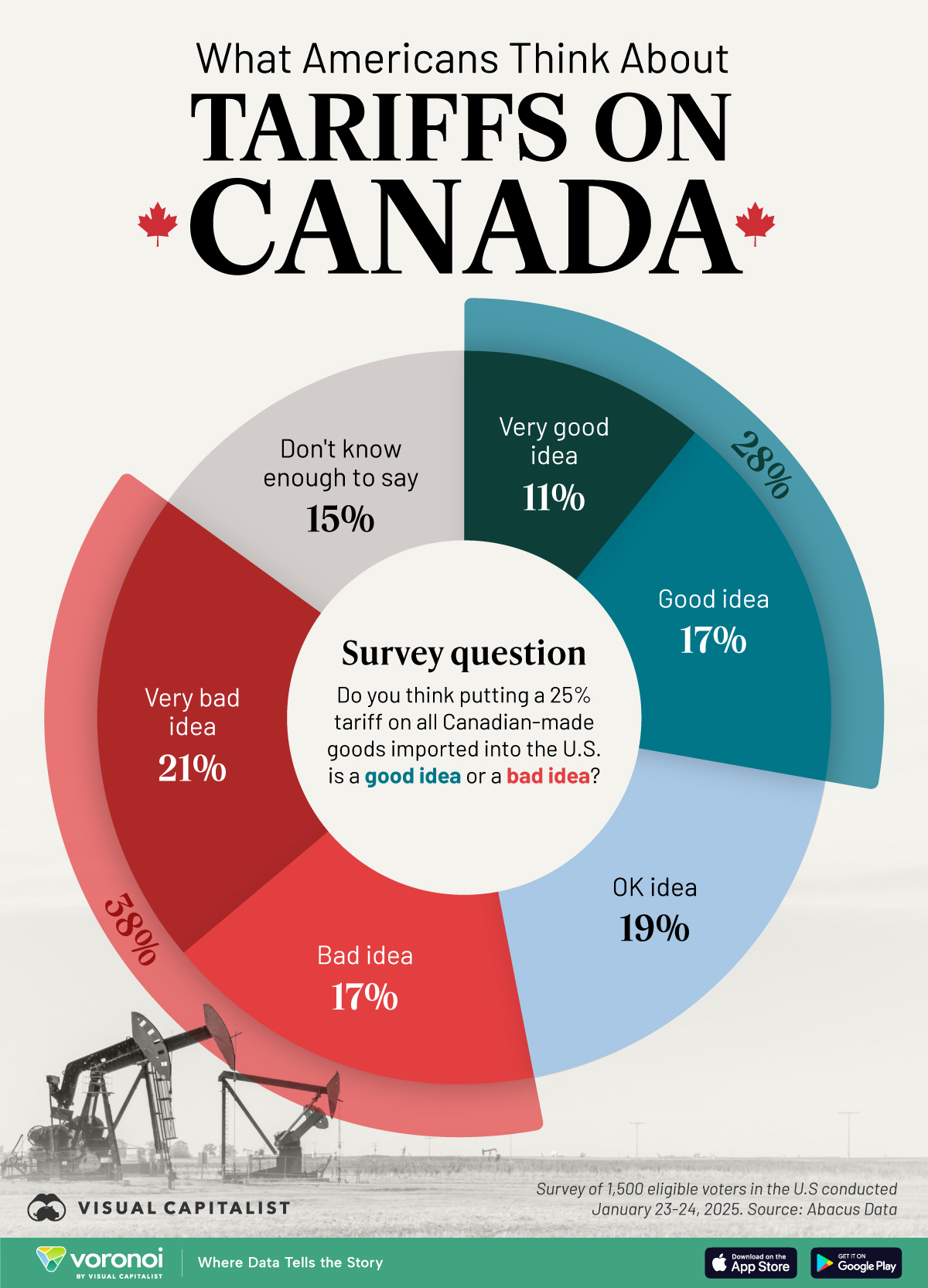
For the vast majority of other industrial goods, machinery, manufactured products, and raw materials (beyond steel and aluminum), trade between the US and Canada is largely tariff-free under the USMCA. This includes a wide array of products from forestry to aerospace components. The agreement provides a robust framework to ensure that goods produced within North America, meeting the specified rules of origin, can cross the border without incurring tariffs. However, specific exceptions can arise for highly specialized products, goods not covered under the agreement, or if new trade disputes emerge. Additionally, customs duties can be applied if imported goods fail to comply with safety, health, or environmental standards, although these are typically regulatory rather than trade tariffs. The overarching theme for these sectors is one of broad liberalization, aimed at fostering competitive manufacturing and integrated supply chains.
The Economic Impact: Who Really Bears the Cost?
While the direct payment of tariffs is made by the importer to their own government, the economic effects ripple throughout the supply chain and ultimately impact businesses and consumers in both countries. Understanding who truly bears the cost requires looking beyond the initial transaction.
Impact on US Consumers
When the US imposes tariffs on Canadian goods, US consumers often bear a significant portion of the cost. Importers, facing higher costs for Canadian products, typically pass these increased expenses onto retailers, who then pass them onto consumers in the form of higher prices. This means that US consumers might pay more for Canadian-made goods, reducing their purchasing power. For instance, if the US were to impose tariffs on certain Canadian food products, US grocery shoppers would likely see higher prices for those items. Tariffs can also lead to reduced product choice, as some Canadian exporters might find it uneconomical to sell in the US market under tariff burdens, thus limiting the variety of goods available to US consumers. This can contribute to inflationary pressures within specific sectors.
Impact on US Businesses
US businesses, particularly those that rely on Canadian inputs for their manufacturing processes or resell Canadian products, face several challenges. Increased input costs directly impact their bottom line, potentially reducing profit margins or forcing them to raise their own prices to remain profitable. This can make them less competitive against businesses that source inputs domestically or from other countries without tariffs. Furthermore, navigating complex tariff schedules, rules of origin, and customs procedures adds administrative burden and costs. Businesses may need to invest in compliance officers, software, or legal advice to ensure they are adhering to trade regulations, which diverts resources from core operations and can disproportionately affect small and medium-sized enterprises (SMEs).
Impact on Canadian Exporters
On the Canadian side, tariffs imposed by the US can significantly reduce the competitiveness and profitability of their exports. Higher costs for US importers mean reduced demand for Canadian goods. Canadian exporters might have to absorb some of the tariff cost themselves by lowering their export prices to remain competitive, which cuts into their profit margins. Alternatively, they might struggle to find buyers in the US market, leading to reduced production, job losses in Canada, and a need to seek alternative markets for their products. This can disrupt established supply chains and relationships that have been built over decades, forcing Canadian businesses to re-evaluate their export strategies and diversify their customer base, which is often a costly and time-consuming process.
Government Revenue and Trade Policy
While the primary aim of most tariffs in this context is not revenue generation (especially given the free trade agreement), any collected duties do contribute to the US Treasury. However, compared to total government revenue, tariff collections from Canada are typically a very small percentage. More significantly, tariffs serve as a powerful tool in trade policy and international relations. They can be used as leverage in negotiations, as seen with the Section 232 tariffs on steel and aluminum, to pressure a trading partner to make concessions or address specific trade imbalances. While effective in some instances, the use of tariffs can also escalate into trade wars, creating uncertainty and instability that negatively impact global economic growth and undermine the spirit of cooperation fostered by free trade agreements. Therefore, their application is often a carefully considered, though sometimes controversial, policy instrument.
Navigating the Future of US-Canada Tariffs
The US-Canada trade relationship, while largely mature and stable, is not static. It continues to be influenced by global economic shifts, evolving policy priorities, and technological advancements. Understanding these dynamics is key to anticipating future tariff scenarios and their financial implications.
The Role of USMCA
The United States-Mexico-Canada Agreement (USMCA) remains the cornerstone of trade relations between the two countries, providing a robust framework that largely ensures tariff-free trade for qualifying goods. Its provisions, including detailed rules of origin, updated labor and environmental standards, and a dispute settlement mechanism, are designed to minimize trade friction and provide certainty for businesses. However, the agreement also includes review mechanisms, and its implementation involves ongoing interpretation and potential for adjustments. For instance, specific clauses concerning dairy access or auto content could be revisited or challenged, potentially leading to new discussions around tariffs if disputes arise and are not resolved through the established channels. The USMCA’s effectiveness in preventing future tariff skirmishes hinges on both countries’ commitment to its spirit and letter.
Geopolitical and Economic Headwinds
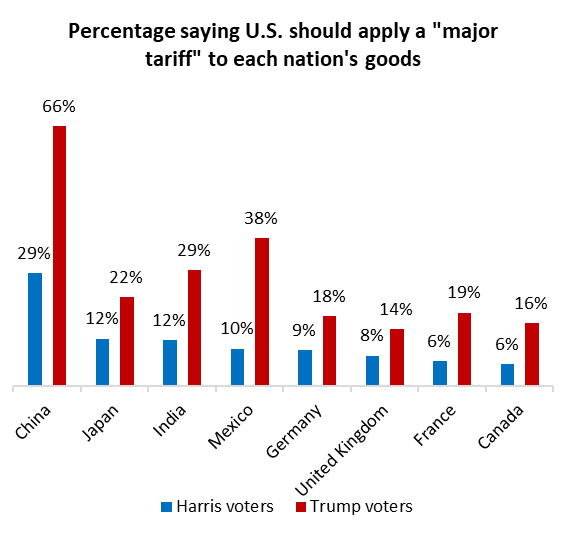
Beyond specific trade agreements, broader geopolitical and economic trends can influence the likelihood and application of tariffs. Growing protectionist sentiments globally, driven by desires to reshore manufacturing, enhance supply chain resilience, or address perceived unfair trade practices, could lead to increased calls for tariffs on various imports, even from close allies like Canada. Furthermore, global challenges such as climate change are introducing new policy considerations that could indirectly affect trade. Carbon border adjustments, for example, which levy fees on imports from countries with less stringent climate policies, could function similarly to tariffs, impacting the cost of goods and requiring businesses to adapt their financial planning. The dynamic interplay of these factors means that while the core of US-Canada trade is stable, specific sectors or goods could become targets for future tariff action.
Strategies for Businesses
For businesses engaged in US-Canada trade, navigating this complex landscape requires proactive strategies. Firstly, a deep understanding of the USMCA and other relevant trade agreements is paramount. Companies must ensure their goods meet rules of origin and other regulatory requirements to avoid unnecessary tariffs. Investing in robust customs compliance programs and supply chain visibility can mitigate risks. Secondly, diversifying supply chains can reduce reliance on single-country sourcing and build resilience against sudden tariff impositions or trade disruptions. This involves exploring alternative suppliers, production locations, or markets. Finally, businesses have a crucial role in advocacy. Engaging with industry associations, trade bodies, and government representatives can help shape trade policy, provide valuable insights into the practical impacts of tariffs, and highlight opportunities for fostering smoother cross-border commerce. Financial planning must also account for potential tariff costs, building these into pricing strategies and risk assessments to safeguard profitability.
In conclusion, while the question “what tariffs does US pay to Canada” might suggest a direct transfer of funds, the reality is far more intricate. Tariffs are taxes paid by US importers to their own government, primarily affecting US consumers through higher prices and US businesses through increased costs. Though the USMCA ensures largely tariff-free trade, specific sectors like agriculture, and historical instances involving strategic goods like steel and aluminum, underscore the continued relevance of tariffs. As the global economic landscape evolves, businesses and policymakers on both sides of the border must remain vigilant, adaptable, and committed to the principles of free and fair trade to ensure the enduring prosperity of this vital economic partnership.
aViewFromTheCave is a participant in the Amazon Services LLC Associates Program, an affiliate advertising program designed to provide a means for sites to earn advertising fees by advertising and linking to Amazon.com. Amazon, the Amazon logo, AmazonSupply, and the AmazonSupply logo are trademarks of Amazon.com, Inc. or its affiliates. As an Amazon Associate we earn affiliate commissions from qualifying purchases.