
The unassuming architecture of a honeycomb, a marvel of natural engineering, offers profound lessons for the world of branding. Far from being a mere curiosity of the natural world, the hexagonal shape of a honeycomb embodies principles of efficiency, strength, and community that are directly translatable to creating, sustaining, and evolving a powerful brand. In an increasingly competitive marketplace, where brands vie for attention, loyalty, and market share, understanding and applying these fundamental natural designs can provide a unique competitive edge, shaping everything from visual identity to brand strategy and community building. This exploration delves into how the humble honeycomb can serve as a blueprint for brand excellence, offering insights into design, structure, and the interconnectedness essential for modern brand success.

The Hexagon: Nature’s Masterclass in Efficiency and Structure
At the heart of the honeycomb’s remarkable properties lies the hexagon. Bees instinctively construct these six-sided cells not out of aesthetic preference, but out of a profound, evolutionary-driven efficiency. This geometric choice minimizes the amount of wax needed to store the maximum amount of honey, making it an exemplary model for resource optimization and structural integrity. For brands, this translates into the intelligent deployment of resources and the construction of a robust, resilient identity capable of withstanding market pressures and evolving trends.
Optimal Space Utilization: The Geometry of Value
The hexagon is celebrated in geometry as the most efficient shape for tiling a flat surface without gaps. This translates directly to its ability to maximize storage volume while minimizing material use—a critical lesson for brands. In brand strategy, “optimal space utilization” can manifest in several ways. It’s about ensuring every touchpoint, every message, and every interaction contributes effectively to the brand narrative, leaving no “gaps” in perception or experience. It’s about crafting lean, impactful campaigns that achieve maximum reach and engagement with minimal expenditure. This principle encourages brands to consolidate their messaging, streamline their visual assets, and focus their efforts where they will yield the greatest return, much like a bee carefully constructs its cells to store the most valuable nectar. Brands that embrace this efficiency demonstrate a commitment to clarity and purpose, avoiding diluted messages or redundant efforts, thus creating more potent and memorable brand experiences.
Unwavering Strength: Resilience in Design and Strategy
Beyond efficiency, the hexagonal structure imparts exceptional strength and stability. The interlocking nature of the cells evenly distributes pressure, allowing the entire structure to withstand significant external forces. This inherent strength is a cornerstone principle for brand resilience. A strong brand identity, much like a honeycomb, is built on robust foundational elements: a clear mission, consistent values, and a distinctive visual language. When these elements are thoughtfully designed and interconnected, the brand becomes more resistant to market fluctuations, reputational challenges, and competitive threats. This resilience isn’t just about surviving; it’s about thriving through adversity, maintaining brand equity, and reinforcing trust with consumers even in turbulent times. Brands that emulate this structural integrity are not only durable but also inspire confidence, signaling reliability and enduring value to their audience.
The Visual Allure: Hexagonal Aesthetics in Brand Identity
The hexagon isn’t just functional; it also possesses a unique aesthetic appeal that is both modern and timeless. Its symmetrical, balanced form evokes feelings of order, harmony, and precision. Many brands have intuitively, or consciously, leveraged the visual power of the hexagon to craft distinctive and memorable brand identities, infusing their corporate image with qualities of strength, efficiency, and interconnectedness.
Logos and Iconography: Crafting Memorable Marks
Perhaps the most direct application of the honeycomb’s shape in branding is through logos and iconography. The hexagon offers a versatile and distinctive geometric form that can be adapted to various brand personalities. Brands seeking to convey innovation, stability, or a network-centric approach often find the hexagon an ideal motif. For instance, companies in tech, data, or logistics frequently incorporate hexagonal elements to symbolize connectivity, precision, and robust systems. Its clean lines and inherent balance make it highly scalable and adaptable across different media, from small app icons to large billboards, ensuring brand consistency and recognition. The hexagon’s strong geometric presence helps create a logo that is not only visually appealing but also carries a subliminal message of reliability and sophisticated structure, making the brand mark memorable and impactful.
Packaging and Product Design: A Sensory Experience
The influence of hexagonal design extends beyond two-dimensional logos into the tactile world of packaging and product design. Hexagonal packaging can maximize shelf space for retailers and offer a unique, engaging unboxing experience for consumers. Brands can utilize hexagonal patterns or shapes in their product containers to differentiate themselves, suggesting premium quality, innovative design, or sustainable practices due to the shape’s inherent efficiency. Furthermore, the hexagonal pattern can be integrated into the product itself—think of hexagonal textures on sports equipment for better grip, or modular furniture designs that leverage the tessellating nature of hexagons for custom configurations. This thoughtful application of the honeycomb aesthetic elevates the product from a mere commodity to an experience, fostering deeper connection and brand recognition through sensory engagement.
Digital Interfaces and User Experience: Structured Engagement
In the digital realm, the principles of hexagonal organization contribute significantly to intuitive user interfaces (UI) and engaging user experiences (UX). Websites, apps, and digital platforms can adopt hexagonal grid layouts to organize content, create visually appealing navigation, and represent interconnected data points. This structure can guide the user’s eye naturally, making complex information more digestible and fostering a sense of order and ease. For example, dashboards or data visualization tools might use hexagonal tiles to represent distinct modules or datasets, enhancing clarity and user interaction. The honeycomb’s pattern can also symbolize a network or community within digital platforms, reinforcing a sense of collective identity and shared purpose among users, mirroring the collaborative nature of a bee colony.

Building the Brand Hive: Fostering Community and Connection
The honeycomb is not just a structure; it’s a testament to a thriving community—the bee colony. This ecosystem of interconnected individuals working towards a common goal provides a powerful metaphor for brand building. A truly successful brand cultivates a “hive” of loyal customers, advocates, and internal stakeholders, fostering a sense of belonging and shared purpose that extends far beyond transactional relationships.
The Power of Interconnectedness: Ecosystems of Engagement
A beehive operates as a highly interconnected and interdependent system, where each bee plays a vital role in the collective’s survival and prosperity. Brands can learn from this by consciously building ecosystems of engagement. This means creating multiple touchpoints and platforms where customers can interact with the brand and, crucially, with each other. Online forums, social media groups, loyalty programs, and user-generated content initiatives all contribute to creating this interconnected web. When customers feel connected not only to the brand but also to a community of like-minded individuals who share their passion for the brand’s offerings, the bond becomes exponentially stronger. This interconnectedness fuels a self-sustaining cycle of advocacy and organic growth, much like a healthy bee colony expanding its reach and influence.
Cultivating Loyalty: The Sweet Nectar of Retention
The ultimate output of a beehive is honey—a valuable, sweet reward. For brands, this “sweet nectar” is customer loyalty and retention. Just as bees return to a hive that consistently provides shelter and resources, customers remain loyal to brands that consistently deliver value, exceed expectations, and make them feel appreciated. Building this loyalty involves more than just product quality; it requires consistent brand messaging, exceptional customer service, personalized experiences, and genuine engagement. By treating customers as integral members of the brand “hive,” investing in their experience, and listening to their feedback, brands can cultivate a deep, lasting loyalty that withstands competitive pressures and ensures sustained profitability. The goal is to make the brand’s offerings so integral and the community so welcoming that customers choose to return time and again, becoming advocates in their own right.
Collaborative Innovation: Swarming Towards New Ideas
Bees are master collaborators, continuously adapting and innovating within their environment. The collective intelligence of a bee colony allows for efficient problem-solving and resource allocation. Brands can harness this spirit of collaborative innovation by involving their customers and employees in the creative process. Co-creation initiatives, feedback loops, crowdsourcing ideas, and fostering an internal culture that values diverse perspectives can lead to groundbreaking products, services, and marketing strategies. This “swarming” towards new ideas leverages the collective wisdom and creativity of the brand’s extended community, ensuring that offerings remain relevant, fresh, and truly resonate with the target audience. It transforms the brand from a singular entity into a dynamic, adaptive organism capable of continuous evolution.
Strategic Foundations: Applying Honeycomb Principles to Brand Growth
The honeycomb’s structure is not just for immediate utility; it’s a foundational system designed for long-term sustainability and growth. Applying these principles to brand strategy enables businesses to build a framework that is adaptable, efficient, and capable of sustained expansion, much like a beehive expanding its cells.
Modularity and Adaptability: Evolving with Agility
The modular nature of the honeycomb, with each cell an independent yet interconnected unit, offers a powerful lesson in brand adaptability. Brands operating in dynamic markets must be able to pivot, innovate, and expand their offerings without undermining their core identity. A modular brand strategy allows for the introduction of new product lines, services, or brand extensions as individual “cells” that seamlessly integrate into the existing “hive” without causing structural disruption. This agility ensures that the brand can evolve with consumer needs and technological advancements, maintaining relevance and capturing new market segments. It’s about building a brand architecture that is flexible enough to accommodate change, robust enough to support innovation, and coherent enough to maintain a unified brand image across all its manifestations.
Resource Optimization: Sustainable Brand Building
The efficiency of the honeycomb in resource utilization directly informs sustainable brand building. This involves not only financial prudence in marketing and development but also ethical sourcing, environmentally conscious operations, and a commitment to social responsibility. Brands that manage their resources wisely, minimizing waste and maximizing impact, build a reputation for integrity and sustainability. This resonates strongly with modern consumers who increasingly prioritize brands aligned with their values. By adopting a resource-optimized approach, brands can achieve long-term growth that is both profitable and responsible, ensuring their enduring appeal and positive contribution to the wider ecosystem, much like a beehive’s contribution to pollination and biodiversity.
A Unified Vision: Harmonizing Brand Elements
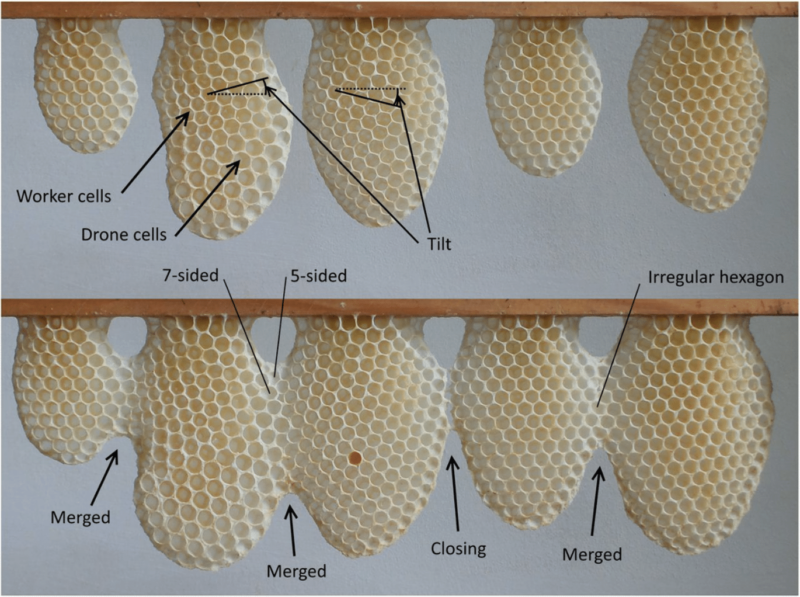
Despite its many individual cells, a honeycomb functions as a cohesive, unified whole. Similarly, a strong brand must present a unified vision across all its elements—from product design and marketing communications to customer service and corporate culture. Every “cell” of the brand must align with the overarching purpose and values, creating a harmonious and consistent brand experience. This holistic approach ensures that consumers receive a coherent message, fostering trust and clarity about what the brand stands for. When all brand elements work in concert, like the meticulously organized cells of a honeycomb, the brand’s identity becomes clear, compelling, and undeniably powerful, resonating deeply with its audience and securing its place as a leader in its field.
In conclusion, the seemingly simple shape of a honeycomb offers an extraordinary masterclass in brand building. From the geometric precision that dictates efficiency and strength in visual identity and packaging, to the profound lessons in community building, loyalty, and strategic adaptability, the principles embedded in this natural wonder provide an invaluable blueprint for brand excellence. By understanding and applying the honeycomb’s inherent wisdom, brands can construct resilient identities, foster vibrant communities, and optimize their strategies for sustainable growth, ensuring they too can thrive and produce their own sweet nectar of success in the competitive landscape.
aViewFromTheCave is a participant in the Amazon Services LLC Associates Program, an affiliate advertising program designed to provide a means for sites to earn advertising fees by advertising and linking to Amazon.com. Amazon, the Amazon logo, AmazonSupply, and the AmazonSupply logo are trademarks of Amazon.com, Inc. or its affiliates. As an Amazon Associate we earn affiliate commissions from qualifying purchases.