
When we look back at the span of human history, few “organizations” have maintained a more cohesive, recognizable, and enduring brand identity than the religious system of Ancient Egypt. While we often view the beliefs of the Nile Valley through the lens of archaeology or theology, a closer analysis reveals a masterclass in brand strategy, corporate identity, and multi-generational marketing. The question “what religion did ancient Egypt practice?” is not merely a question of gods and goddesses; it is an inquiry into how a society built a visual and narrative ecosystem so powerful that it remains instantly recognizable 5,000 years after its inception.
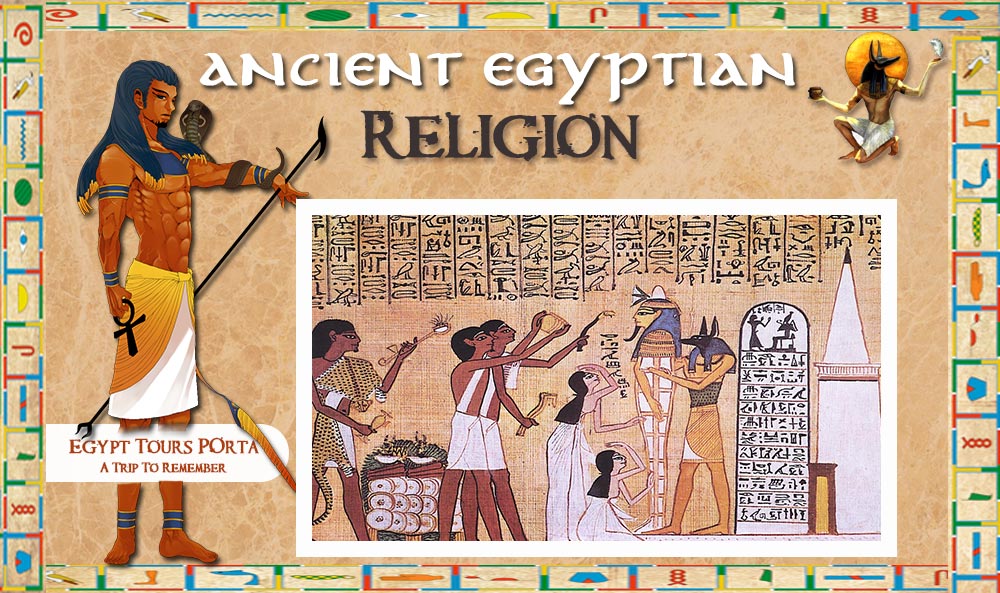
In the modern world of Brand Strategy, we strive for “brand equity”—the value derived from consumer perception. Ancient Egypt did not just achieve brand equity; they achieved brand immortality. By examining their religious practices through the framework of modern branding, we can uncover the sophisticated techniques they used to create a unified national identity that survived foreign invasions, internal collapses, and the literal passage of millennia.
1. The Architecture of Visual Identity: Consistency as a Core Value
The most fundamental requirement of any successful brand is consistency. Whether it is the specific shade of red used by Coca-Cola or the minimalist aesthetic of Apple, consistency breeds trust and recognition. Ancient Egyptian religion utilized a visual language that was so strictly regulated that it remained largely unchanged for three thousand years.
The Power of Iconography and Symbolism
Ancient Egyptian religion operated on a “Logo-first” philosophy. Symbols like the Ankh (representing life), the Djed pillar (stability), and the Eye of Horus (protection) were not merely decorative; they were brand assets. These symbols were deployed across every medium—from massive stone pylons to tiny faience amulets worn by commoners.
For a brand strategist, the Egyptian approach to iconography is a study in “Scalable Design.” These symbols worked at the size of a mountain or the size of a ring. Because the meaning of these symbols was fixed and universally understood across the kingdom, the “brand” of the state religion could communicate complex theological concepts instantly, bypassing the need for literacy among the general population.
Frontalism and the “Style Guide”
In modern corporate design, companies use a Brand Style Guide to ensure every piece of content looks the same. Ancient Egyptian priests and royal architects followed a “Canon of Proportions.” This was their style guide. The technique of Frontalism—where the head is in profile but the body faces forward—ensured that every depiction of a deity or a pharaoh was uniform.
This rigid adherence to style served a strategic purpose: it signaled stability and “Ma’at” (divine order). When the visual identity of a brand never changes, it suggests that the brand itself is eternal and unchanging. For the ancient Egyptian “consumer,” this consistency provided a sense of security in a world that was often chaotic.
2. The Pharaoh as the Ultimate Brand Ambassador
In the modern era, we see CEOs like Elon Musk or Richard Branson becoming the face of their companies. Their personal brand is inextricably linked to the corporate brand. Ancient Egypt pioneered this concept with the Pharaoh. The Pharaoh was not just a political leader; he was the “Chief Brand Officer” and the primary intermediary between the “customers” (the people) and the “product” (the gods).
The Divine Endorsement
A brand’s credibility often relies on endorsements. The Pharaoh’s legitimacy was built on a “Divine Endorsement” model. By portraying themselves in reliefs alongside gods like Amun-Ra or Hathor, Pharaohs were utilizing an association strategy. If the gods are the ultimate authority, and the Pharaoh is “the son of Ra,” then the Pharaoh’s personal brand inherits the prestige of the divine.
This was marketing at its most effective. Every temple built and every statue erected served to reinforce this association. The Pharaoh’s name was encased in a cartouche—a visual framing device that acted as a royal trademark, ensuring that his specific “brand” was protected and highlighted within the larger religious narrative.
Narrative Storytelling: The Myth of Osiris
Every great brand needs a story—a “Hero’s Journey” that the audience can connect with. The Egyptian religious brand centered on the myth of Osiris, Isis, and Horus. This story of betrayal, resurrection, and the triumph of justice provided an emotional hook for the population.

From a marketing perspective, the Osiris myth addressed the “pain points” of the human condition: the fear of death and the desire for justice. By framing their religious “services” as the solution to these universal problems, the Egyptian priesthood created a high-demand product. The brand promise was simple: “Follow our rituals, and you too can achieve the resurrection of Osiris.”
3. Mergers, Acquisitions, and Brand Extensions
One of the most fascinating aspects of Ancient Egyptian religion was its ability to evolve through “Brand Mergers.” As different cities rose to power, their local patron gods were often merged with national deities to create more powerful, “parent” brands.
Syncretism: The Art of the Brand Merger
When the city of Thebes became the political capital, its local god, Amun, was merged with the sun god, Ra, to create Amun-Ra. This was not a replacement of a brand, but a strategic merger that combined the “heritage” of Ra with the “current market power” of Amun.
This process, known as syncretism, allowed the Egyptian religious system to remain flexible. It prevented “brand fragmentation” by incorporating local identities into the national narrative. Instead of competing with local gods, the central authority simply acquired them, creating a diverse but unified portfolio of deities that could appeal to different demographics across the Nile Valley.
The Afterlife as a Premium Tier Service
If the daily temple rituals were the “freemium” version of the religion (accessible to all through public festivals), the elaborate mummification and burial process was the “Premium Tier.” The Egyptian brand offered different levels of engagement based on the user’s resources.
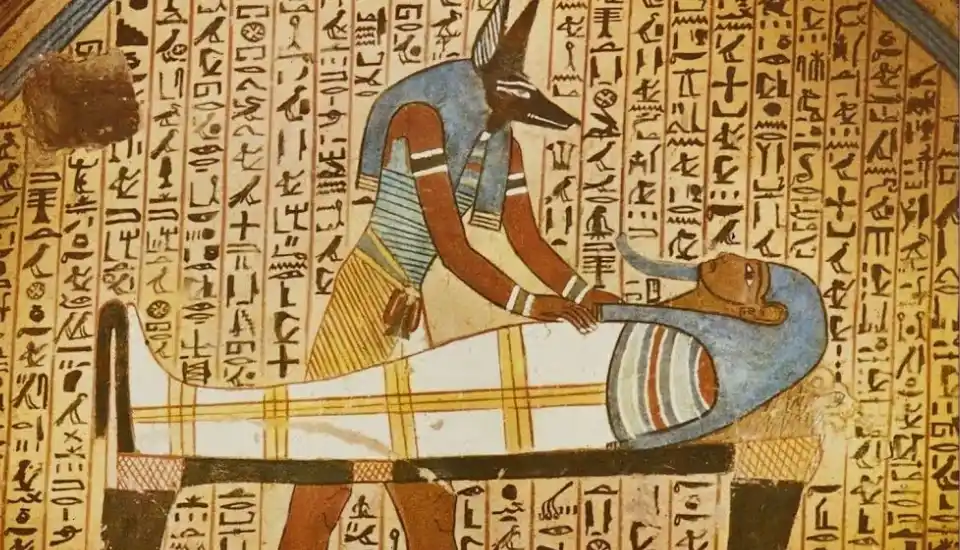
The Book of the Dead served as a “User Manual” for this premium service. It was a customized collection of spells and directions designed to help the deceased navigate the afterlife. For those who could afford it, this “product” offered the ultimate value proposition: eternal life. This tiered system allowed the religious institution to monetize at every level of society, ensuring that the “Money” (in the form of land, grain, and labor) continued to flow into the temple estates.
4. Physical Touchpoints: The Temple as Brand Experience
In modern branding, the physical environment is a crucial “touchpoint.” Whether it’s an Apple Store or a luxury hotel, the space is designed to make the consumer feel a specific way. Ancient Egyptian temples were the world’s first “Immersive Brand Experiences.”
Sensory Marketing and Grandeur
The design of a temple like Karnak or Luxor was intentional. The transition from the bright, open courtyards to the dark, mysterious “Holy of Holies” was a choreographed user journey. The use of incense (scent marketing), chanting (audio branding), and the massive scale of the stone columns (visual dominance) worked together to create an overwhelming sense of awe.
These temples were not just places of worship; they were “Physical Evidence” of the brand’s power. When a commoner stood before a 60-foot pylon covered in vibrant carvings of the Pharaoh smiting enemies, the brand message was clear: The system is powerful, the gods are real, and you are part of something vast.
Global Reach and Cultural Export
The strength of the Egyptian religious brand was so great that it eventually became an “export brand.” During the Greco-Roman period, the cult of Isis spread across the Mediterranean, reaching as far as London. This is the equivalent of a local brand going global. The visual identity of Isis was adapted to suit Greek and Roman tastes, but the “Core Brand Values”—maternal protection and the promise of salvation—remained intact.
Conclusion: The Legacy of a Five-Thousand-Year Brand
The religion of Ancient Egypt was more than a set of beliefs; it was a sophisticated, integrated brand system that utilized visual consistency, celebrity endorsement, narrative storytelling, and strategic mergers to maintain its relevance for millennia. When we ask “what religion did ancient Egypt practice?”, we are looking at a system that mastered the art of identity better than almost any organization in history.
For modern brand strategists and marketers, the lesson is clear: long-term success requires a balance between a rigid, recognizable visual identity and a flexible, evolving narrative. The Egyptians understood that a brand is not just what you sell (the afterlife), but how you make people feel (secure in the cosmic order). By turning their theology into a tangible, visual, and experiential identity, they ensured that their “brand” would be remembered long after their civilization turned to dust. In the end, they achieved the ultimate goal of any brand strategy: they became immortal.
aViewFromTheCave is a participant in the Amazon Services LLC Associates Program, an affiliate advertising program designed to provide a means for sites to earn advertising fees by advertising and linking to Amazon.com. Amazon, the Amazon logo, AmazonSupply, and the AmazonSupply logo are trademarks of Amazon.com, Inc. or its affiliates. As an Amazon Associate we earn affiliate commissions from qualifying purchases.