
Navigating the landscape of personal finance and healthcare benefits can often feel like a complex puzzle. Among the most valuable tools at your disposal is the Flexible Spending Account (FSA), a powerful, tax-advantaged savings option that allows you to pay for a wide array of healthcare expenses. However, to truly maximize the benefits of your FSA and avoid the dreaded “use-it-or-lose-it” scenario, understanding precisely what purchases qualify is paramount. This comprehensive guide will demystify FSA eligibility, helping you make informed decisions and stretch your healthcare dollars further.
Understanding Flexible Spending Accounts (FSAs)
Before diving into the specifics of qualifying purchases, it’s essential to grasp the fundamental mechanics of an FSA. This knowledge forms the bedrock for effective utilization.
What is an FSA and How Does it Work?
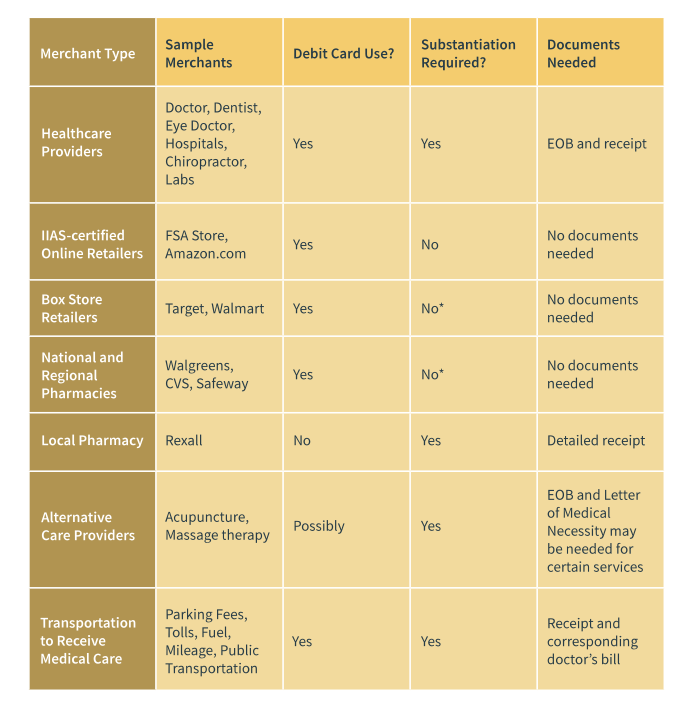
An FSA is an employer-sponsored benefit that allows employees to contribute a portion of their pre-tax earnings to an account to be used for eligible healthcare expenses. The primary advantage lies in the tax savings: because contributions are made before taxes are deducted, your taxable income is reduced, leading to lower overall tax liability. When you incur an eligible expense, you can pay for it directly using an FSA debit card or submit a claim for reimbursement.
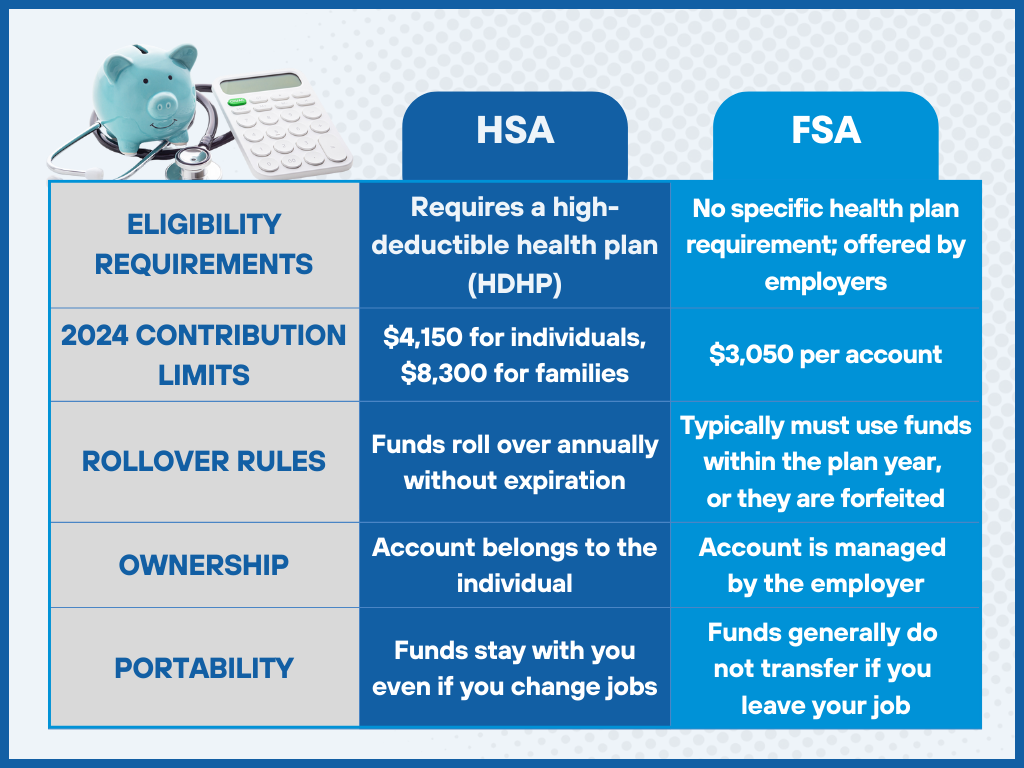
Unlike Health Savings Accounts (HSAs), which are typically paired with high-deductible health plans and allow funds to roll over year after year, FSAs have historically operated under a “use-it-or-lose-it” rule. This means that any funds not spent by the end of the plan year are forfeited. However, many employers now offer one of two grace periods: either a two-and-a-half-month extension to use the funds or the ability to carry over a limited amount (e.g., up to $610 for 2024) into the next plan year. It’s crucial to check with your plan administrator about your specific FSA’s rules regarding rollovers and grace periods. Annual contribution limits, set by the IRS, also apply (e.g., $3,200 for 2024).
The CARES Act and Expanded Eligibility
The landscape of FSA eligibility saw a significant and beneficial expansion with the passage of the CARES Act in March 2020. Prior to this legislation, many over-the-counter (OTC) medications required a doctor’s prescription to be FSA-eligible. The CARES Act permanently changed this, making a vast array of OTC drugs and medicines eligible without a prescription. Furthermore, it explicitly added menstrual care products to the list of qualified medical expenses. This legislative change has dramatically broadened the utility of FSAs, making it easier for individuals to use their pre-tax funds for everyday health needs.
Core Categories of FSA-Eligible Expenses
The range of purchases that qualify for FSA reimbursement is broad, covering everything from routine medical care to essential everyday health items.
Medical, Dental, and Vision Care
This category represents the most commonly understood and utilized aspect of FSA benefits. Virtually any expense related to the diagnosis, cure, mitigation, treatment, or prevention of disease, or for the purpose of affecting any structure or function of the body, is typically eligible.
- Medical Services: This includes co-payments, deductibles, and co-insurance for doctor’s visits (general practitioners, specialists), hospital stays, diagnostic tests (e.g., X-rays, MRIs, blood tests), and emergency room visits. Also covered are services from chiropractors, acupuncturists, physical therapists, and psychiatrists, provided they address a medical condition.
- Prescription Medications: All prescribed drugs are eligible, whether filled at a pharmacy or through mail-order services. This also extends to insulin, even if purchased without a prescription.
- Dental Care: Routine cleanings, fillings, extractions, root canals, crowns, dentures, and orthodontic treatments (braces) for both adults and children are covered. Cosmetic dental procedures are generally excluded unless they are necessary to treat a dental disease or injury.
- Vision Care: Comprehensive eye exams, prescription eyeglasses, contact lenses, contact lens solution, and prescription sunglasses are all eligible. Furthermore, medically necessary vision correction surgeries, such as LASIK, are also typically covered.
Over-the-Counter (OTC) Medications and Products
Thanks to the CARES Act, this category has become incredibly versatile, allowing individuals to use FSA funds for a host of common health products without the need for a doctor’s note.
- Pain Relievers and Fever Reducers: Medications like ibuprofen, acetaminophen, and aspirin.
- Cold and Flu Remedies: Decongestants, cough suppressants, sore throat lozenges, and multi-symptom cold medications.
- Allergy and Sinus Medications: Antihistamines, nasal sprays, and sinus relief products.
- Digestive Health: Antacids, laxatives, and anti-diarrhea medications.
- First-Aid Supplies: Bandages, antiseptic wipes, gauze, medical tapes, and antibiotic ointments.
- Menstrual Care Products: Tampons, pads, liners, and menstrual cups. This was a significant addition, recognizing these as essential health items.
- Sunscreen: Products with an SPF of 30 or higher are generally eligible.
- Reading Glasses: Non-prescription reading glasses are covered.
- Contact Lens Solution and Eye Drops: Essential for contact lens wearers and those experiencing dry eyes.
Less Obvious but Equally Important Eligible Expenses
Beyond the common categories, many other items and services qualify for FSA reimbursement, often surprising beneficiaries with their breadth.
Medical Equipment and Supplies

When healthcare needs extend beyond medication, FSAs often cover the necessary equipment and supplies.
- Durable Medical Equipment (DME): This includes items like crutches, wheelchairs, walkers, blood glucose monitors, nebulizers, and oxygen equipment. These are typically prescribed by a doctor for medical purposes.
- Diabetic Supplies: Test strips, lancets, and syringes are all eligible.
- Breast Pumps and Supplies: For new mothers, breast pumps, bottles (used with the pump), and storage bags are covered.
- Therapeutic Devices: Items such as heating pads, ice packs, humidifiers, and vaporizers can be eligible if used to treat a specific medical condition.
- Braces and Supports: Orthopedic braces, compression stockings, and medical-grade back supports.
Diagnostic Devices and Preventive Care
Investing in your health proactively or monitoring conditions at home is also frequently covered.
- Home Health Tests: Blood pressure monitors, blood sugar monitors, certain fertility monitors, and home COVID-19 test kits are examples of eligible diagnostic tools.
- Preventive Screenings: While many are covered by insurance, if there’s a deductible or co-pay, or if a specific screening isn’t fully covered, FSA funds can often be used.
- Vaccinations: Flu shots, tetanus shots, and other medically recommended immunizations are eligible expenses.
- Smoking Cessation Programs: If prescribed or medically recommended, programs and related over-the-counter products (e.g., nicotine patches, gum) can qualify.
Specialized Care and Therapies
For those requiring specialized treatments, FSAs can offer financial relief.
- Acupuncture and Chiropractic Care: These alternative therapies are eligible when prescribed by a medical professional to treat a specific medical condition.
- Physical and Occupational Therapy: If prescribed as part of a treatment plan for an injury or medical condition, these services qualify.
- Psychiatric and Psychological Counseling: Services for mental health conditions, including therapy and counseling, are eligible.
- Substance Abuse Treatment: This includes inpatient or outpatient programs, as well as counseling services.
- Weight Loss Programs: Only if prescribed by a physician to treat a specific disease, such as obesity, heart disease, or hypertension. General wellness or cosmetic weight loss programs are not eligible.
- Learning Disability Services: Special education for children with learning disabilities can be eligible if recommended by a physician.
Exclusions and Important Considerations
While the list of eligible expenses is extensive, it’s equally important to be aware of what generally does not qualify and to adhere to best practices for managing your FSA.
What Doesn’t Qualify?
To avoid confusion and potential forfeiture of funds, familiarize yourself with common exclusions:
- Cosmetic Procedures: Surgeries or treatments primarily intended to improve appearance are typically not eligible unless medically necessary (e.g., reconstructive surgery after an injury).
- General Health Items: Everyday toiletries like toothpaste, standard soap, shampoo, and non-prescription vitamins or supplements (unless prescribed for a specific medical condition) are not covered. Gym memberships for general fitness also do not qualify.
- Insurance Premiums: Health insurance premiums, long-term care insurance premiums, or Medicare premiums are generally not FSA-eligible, as FSAs are designed for out-of-pocket expenses.
- Holistic or Wellness Programs: Unless prescribed by a physician to treat a specific medical condition, general wellness programs, health club memberships, or nutritional supplements for general health usually don’t qualify.
- Future Medical Care: You cannot use FSA funds to prepay for future medical expenses that have not yet been incurred.
Documentation and Record-Keeping
Proper documentation is not just a recommendation; it’s a requirement. The IRS mandates that all FSA expenses be substantiated.
- Keep All Receipts: Always retain original receipts for every FSA purchase, even if you use an FSA debit card. These receipts should clearly show the item or service purchased, the date, and the amount.
- Explanation of Benefits (EOB): For services covered by your health insurance, your EOB statement is crucial. It details what was covered by insurance and what your out-of-pocket responsibility is, which is what your FSA can then cover.
- Doctor’s Notes/Prescriptions: For certain items or services that might be borderline (e.g., a specific vitamin for a deficiency, a weight loss program), a Letter of Medical Necessity (LMN) from your doctor is indispensable. This document explicitly states that the expense is incurred for medical care.
- Retention: Keep your records for at least three years after the tax filing deadline for the year the expenses were incurred, as the IRS can audit your account.
Maximizing Your FSA Benefits
Strategic planning can help you get the most out of your FSA:
- Estimate Carefully: At enrollment, take time to estimate your anticipated out-of-pocket healthcare, dental, and vision expenses for the upcoming year. Consider routine check-ups, planned procedures, prescription costs, and even potential OTC needs.
- Understand Carryover/Grace Period: Know your employer’s specific rules. If you have a carryover option, don’t panic if you have a small balance left. If you have a grace period, plan to use remaining funds before it expires.
- Use Your FSA Debit Card: Many FSAs issue a debit card, making it convenient to pay for eligible expenses directly at the point of sale without needing to pay out-of-pocket and then submit for reimbursement.
- Regularly Check Eligibility Lists: The IRS publishes Publication 502, “Medical and Dental Expenses,” which is the definitive guide to eligible expenses. Your FSA administrator’s website will also have a searchable list.
- Plan “Use-It-or-Lose-It” Spending: If you find yourself with a significant balance towards the end of your plan year and no carryover, consider scheduling necessary appointments (dentist, optometrist) or stocking up on eligible OTC items (sunscreen, first aid, contact lens solution) before the deadline.
In conclusion, a Flexible Spending Account is an invaluable financial tool designed to ease the burden of healthcare costs. By thoroughly understanding what purchases qualify and diligently managing your account, you can effectively leverage your FSA to save money on essential medical, dental, and vision care, as well as a wide array of over-the-counter health products. Proactive planning, careful record-keeping, and staying informed about eligibility rules are the keys to fully unlocking the significant financial advantages your FSA offers.
aViewFromTheCave is a participant in the Amazon Services LLC Associates Program, an affiliate advertising program designed to provide a means for sites to earn advertising fees by advertising and linking to Amazon.com. Amazon, the Amazon logo, AmazonSupply, and the AmazonSupply logo are trademarks of Amazon.com, Inc. or its affiliates. As an Amazon Associate we earn affiliate commissions from qualifying purchases.