
The question “what price diesel?” resonates far beyond the fuel pump. It’s a query that taps into the intricate veins of global economics, influencing everything from the cost of your morning coffee to the stability of international markets. Diesel, an indispensable energy source, powers the vast majority of global commerce, driving transportation, industry, agriculture, and even electricity generation in many parts of the world. Its price is not merely a number on a display; it’s a critical economic indicator, a barometer of geopolitical stability, and a significant determinant of both personal and business financial health. Understanding the complex interplay of factors that dictate diesel prices, and more importantly, the profound ripple effects across economies, is crucial for financial planning, investment strategies, and policy formulation alike.
The Core Determinants of Diesel Pricing
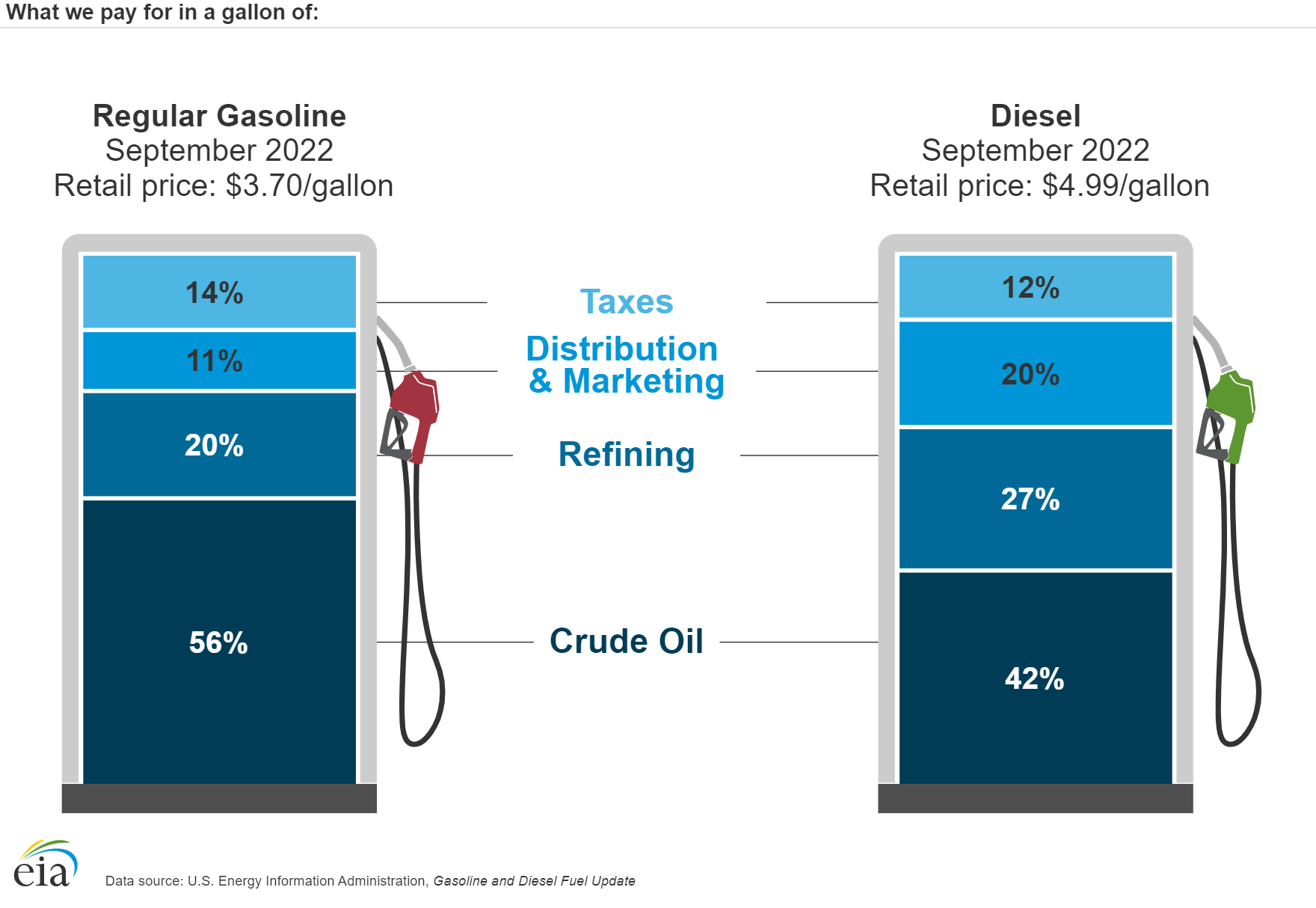
The price of diesel is a mosaic assembled from numerous, often volatile, global and local factors. It’s a dynamic sum that reflects everything from subterranean crude oil reserves to geopolitical tensions simmering on distant continents. Pinpointing a single cause for price fluctuations is rarely possible; instead, it’s the confluence of these forces that shapes the final figure consumers and businesses pay.
Global Supply and Demand Dynamics
At its fundamental level, the price of diesel, like any commodity, is governed by the classic economic principles of supply and demand. The supply side is predominantly dictated by the production levels of crude oil, the primary input for diesel. Major oil-producing nations and cartels, such as OPEC+, wield significant influence through their collective decisions on output quotas. Factors like new oil discoveries, technological advancements in extraction (e.g., fracking), and production disruptions due to natural disasters or maintenance also play a vital role. On the demand side, global economic growth is a powerful driver. As economies expand, industrial activity increases, trade volumes swell, and transportation needs rise, all of which elevate the demand for diesel. Emerging markets, with their burgeoning infrastructure projects and growing middle classes, contribute disproportionately to this rising global appetite. A slowdown in global growth, conversely, can dampen demand and exert downward pressure on prices.
Geopolitical Factors and Supply Chain Resilience
Geopolitics casts a long shadow over the energy markets. Conflicts in oil-producing regions, political instability, sanctions against key producers, or even diplomatic spats can disrupt supply chains, reduce export capacities, or create uncertainty that drives up speculative prices. For instance, tensions in the Middle East, a vital region for global oil supply, frequently send shockwaves through the market. Furthermore, the physical infrastructure of oil and refined product transportation – pipelines, shipping routes, and refineries – is vulnerable. Blockages, attacks, or even severe weather events can impede the flow of diesel, creating localized or widespread supply shortages and subsequent price spikes. The resilience of these supply chains, therefore, is a significant determinant of price stability.
Refining Capacity and Seasonal Variations
Crude oil must be refined into diesel, and the global refining capacity is another critical bottleneck. If refineries operate below capacity due to maintenance, unexpected outages, or lack of investment, the supply of refined products like diesel can tighten, irrespective of crude oil availability. The type of crude oil available also matters, as not all refineries are equipped to process all grades efficiently. Moreover, seasonal demand patterns significantly impact diesel prices. In colder climates, diesel is often used for heating oil, leading to increased demand during winter months. Summer months, conversely, often see increased demand for transportation fuels as holiday travel and construction activities surge. These predictable seasonal swings are often factored into market pricing but can be exacerbated by unforeseen events.
Taxation, Regulation, and Environmental Policies
Government policies are powerful levers in shaping the final price of diesel. Excise taxes, value-added taxes (VAT), and other levies are applied at various stages, adding significantly to the pump price. Environmental regulations, such as those mandating lower sulfur content in diesel or promoting alternative fuels, can increase production costs for refiners, which are then passed on to consumers. Carbon taxes or emissions trading schemes further embed the cost of environmental impact into the price. Subsidies, on the other hand, can artificially depress prices for consumers but come with their own economic trade-offs, often straining public finances and distorting market signals. The interplay of these diverse policy instruments creates a complex and often unpredictable layer within the overall pricing structure.
The Far-Reaching Impact on Personal Finance
For the average household, the price of diesel isn’t just an abstract economic figure; it’s a tangible expense that directly impacts their budget and indirectly affects nearly every aspect of their cost of living. When diesel prices climb, the financial pinch is felt widely and deeply.
Direct Costs for Motorists and Commuters
The most immediate and obvious impact of rising diesel prices is on the direct costs for individuals who own diesel-powered vehicles. This includes commuters who rely on diesel cars, individuals in rural areas with limited public transport options, and self-employed tradespeople whose livelihoods depend on commercial diesel vehicles. Higher fuel costs translate directly into reduced discretionary income, forcing households to cut back on other expenditures or delve into savings. For those with long commutes or high mileage requirements, even a modest increase per litre can amount to hundreds of dollars annually, significantly eroding their purchasing power.
Indirect Inflationary Pressures on Everyday Goods
Perhaps the more insidious effect of high diesel prices is its indirect impact on the cost of almost all goods and services. Diesel powers the logistics backbone of the economy – the trucks, trains, and ships that transport raw materials to factories and finished products to retailers. When the cost of fuel for these operations rises, businesses inevitably pass these increased transportation costs onto consumers through higher prices for everything from groceries and clothing to electronics and furniture. This phenomenon, often referred to as “diesel-led inflation,” reduces the real value of wages and savings, making daily life more expensive for everyone, regardless of whether they directly purchase diesel.
The Cost of Home Heating Oil (where applicable)
In many regions, particularly colder climates, diesel is chemically very similar to home heating oil (often called red diesel or gas oil). Consequently, the price movements of diesel directly correlate with the cost of heating homes. For households that rely on oil-fired heating systems, particularly during harsh winters, a spike in diesel prices can lead to significantly higher utility bills, placing considerable strain on household budgets already contending with other inflationary pressures. This can force difficult choices between heating a home adequately and other essential expenditures.
Strategies for Mitigating Personal Diesel Costs
Individuals can adopt several strategies to mitigate the impact of high diesel prices. Fuel-efficient driving habits, such as reducing speed, avoiding aggressive acceleration, and maintaining proper tire pressure, can significantly improve mileage. Exploring public transportation options, carpooling, or even cycling for shorter distances can reduce reliance on personal vehicles. For those considering new vehicle purchases, evaluating fuel economy and considering hybrid or electric alternatives becomes an increasingly attractive financial proposition. Budgeting specifically for fuel costs and utilizing fuel loyalty programs or credit cards with cashback on fuel purchases can also offer marginal relief.
Diesel’s Critical Role in Business and Industry
For businesses, diesel is more than just an operational expense; it is a foundational input that underpins profitability, supply chain efficiency, and competitive advantage. Fluctuations in its price can profoundly impact bottom lines, investment decisions, and ultimately, economic stability.
Logistics, Transportation, and Supply Chain Costs
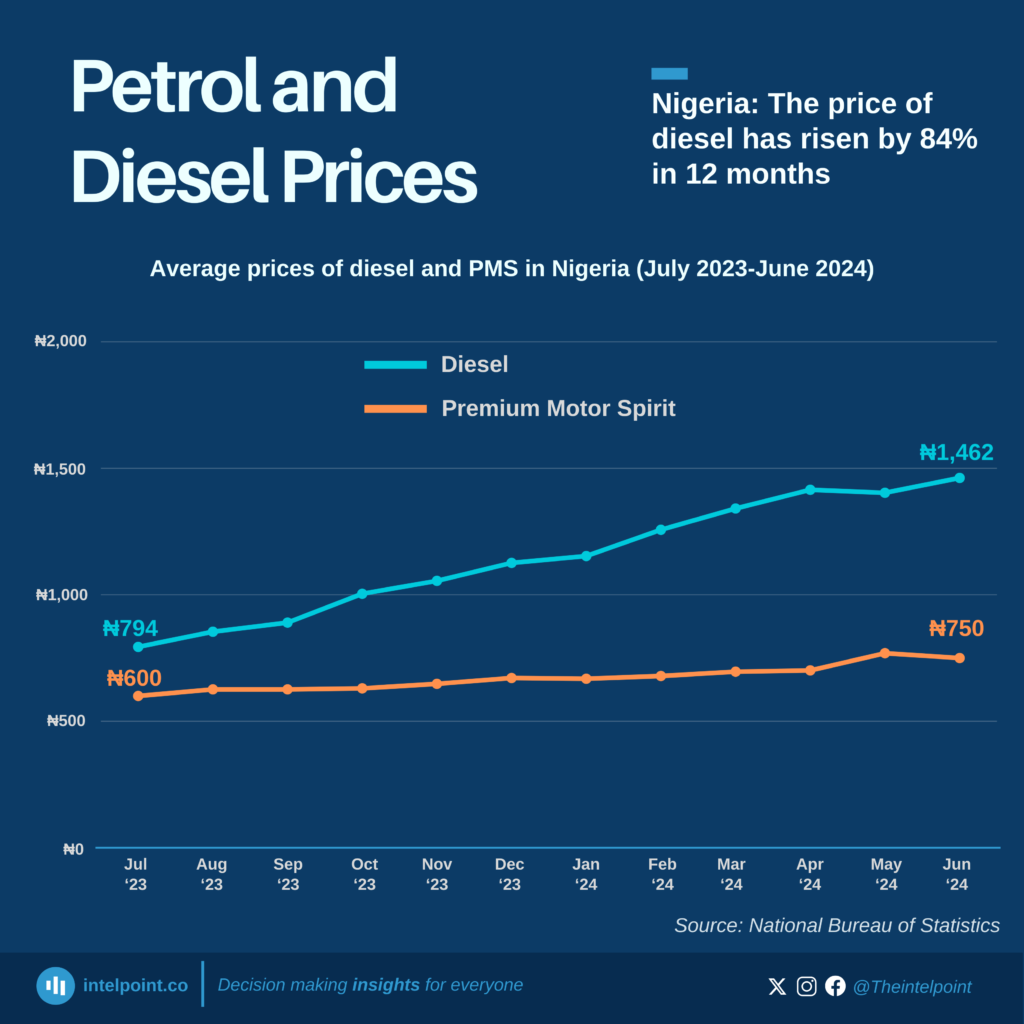
The logistics and transportation sectors are the most directly exposed to diesel price volatility. Trucking companies, shipping lines, and rail freight operators incur massive fuel costs, often representing a significant percentage of their total operating expenses. Surges in diesel prices can compress profit margins, leading to difficult decisions regarding freight rates, route optimization, and fleet upgrades. These increased costs are invariably passed along the supply chain, impacting manufacturers, retailers, and ultimately, end consumers. Managing fuel price risk through hedging strategies, investing in fuel-efficient vehicles, or optimizing delivery routes becomes paramount for these businesses to remain competitive.
Agriculture, Manufacturing, and Construction Sectors
Beyond transportation, diesel is the lifeblood of numerous other critical industries. In agriculture, tractors, harvesters, and irrigation pumps run on diesel, meaning that higher fuel costs directly translate into increased production expenses for farmers, affecting everything from crop planting to harvesting. Manufacturing plants often use diesel generators as backup power or for heavy machinery. The construction industry is heavily reliant on diesel for excavators, bulldozers, cranes, and other heavy equipment. For these sectors, a rise in diesel prices increases the cost of production, driving up the price of food, goods, and infrastructure projects, and potentially delaying or canceling vital developments.
Small and Medium-Sized Enterprises (SMEs) Vulnerability
Small and Medium-Sized Enterprises (SMEs) are often disproportionately vulnerable to diesel price increases. Unlike larger corporations that might have dedicated financial departments for hedging against fuel price volatility or the scale to negotiate bulk discounts, SMEs typically operate on tighter margins with less financial flexibility. A sudden increase in fuel costs can quickly erode their profitability, stifle growth, and in severe cases, threaten their viability. This vulnerability can lead to job losses, reduced local economic activity, and a concentration of market power among larger, more resilient competitors.
Corporate Hedging Strategies and Fuel Efficiency Investments
To mitigate the financial risks associated with diesel price volatility, many larger corporations employ sophisticated hedging strategies. This involves using financial instruments like futures contracts and options to lock in a future price for a certain volume of fuel, thereby providing predictability in budgeting and protecting against sudden price spikes. Beyond financial instruments, businesses are increasingly investing in operational efficiencies. This includes upgrading to more fuel-efficient fleets, optimizing logistics software to reduce mileage, exploring alternative fuels (like natural gas or electric vehicles where feasible), and investing in renewable energy sources for operational power. These long-term investments aim to reduce overall fuel dependency and build greater resilience against market fluctuations.
Diesel as a Barometer of Economic Health
The price of diesel, while influenced by economic activity, also serves as a critical indicator and influencer of broader economic health. Its movements can signal shifts in consumer behavior, dictate government policy responses, and even provide insights into the pace of the global energy transition.
Fuel Prices and Consumer Confidence
High and volatile fuel prices can significantly dent consumer confidence. When individuals perceive that their disposable income is being eroded by essential costs like transportation and heating, they tend to become more cautious with discretionary spending. This pullback in consumer spending, which is a major driver of economic growth in many nations, can slow down retail sales, impact services, and ultimately contribute to an economic downturn. Conversely, stable or falling diesel prices can provide a boost to confidence, encouraging spending and investment. Policymakers often watch fuel price trends closely as an early indicator of shifts in public sentiment and economic momentum.
Government Fiscal and Monetary Policy Responses
Governments often face immense pressure to respond to sustained high diesel prices. Fiscal responses might include temporary fuel tax reductions, subsidies for specific industries (like agriculture or public transport), or direct financial aid packages for low-income households struggling with energy costs. However, such measures can strain public budgets and distort market signals. Central banks, in their monetary policy roles, must also consider the inflationary impact of rising diesel prices. While they typically focus on core inflation (excluding volatile energy and food prices), persistent energy cost increases can feed into broader inflation expectations, potentially prompting interest rate hikes to cool the economy, which in turn can slow growth.
The Energy Transition and Diesel’s Future
The long-term trajectory of diesel prices is intricately linked to the global energy transition. As nations commit to decarbonization and seek to reduce their reliance on fossil fuels, demand for diesel may eventually plateau or decline in some sectors, particularly in light-duty transportation and power generation. Investment in electric vehicles, hydrogen fuel cells, and advanced biofuels is accelerating, promising a future where diesel’s dominance is challenged. However, for heavy-duty transportation, aviation, shipping, and certain industrial applications, diesel and its derivatives are likely to remain critical for decades to come, especially in the absence of scalable, cost-effective alternatives. The “what price diesel” question will thus evolve to include the cost of transitioning away from it, balancing the economic realities of today with the environmental imperatives of tomorrow.
Navigating Volatility: Strategies for Resilience
The inherent volatility of diesel prices necessitates robust strategies for both personal and business financial resilience. Adapting to fluctuating energy markets is not merely about surviving economic shocks, but about positioning for long-term stability and sustainable growth.
Diversification and Alternative Energy Investments
For investors and businesses, diversifying energy sources and investing in alternative energy solutions represents a prudent long-term strategy. This includes supporting and investing in renewable energy projects (solar, wind, geothermal), exploring sustainable biofuels, and researching advanced battery technologies. From a personal finance perspective, investing in companies that are leaders in renewable energy or electric vehicle technology can provide a hedge against the rising costs of traditional fossil fuels, aligning financial growth with sustainable practices. Reducing overall energy consumption through efficiency upgrades in homes and businesses also serves as a fundamental diversification strategy, lessening exposure to any single energy commodity.
Smart Financial Planning for Households and Businesses
Proactive and intelligent financial planning is crucial. Households should build emergency savings funds to absorb unexpected increases in essential costs like fuel and heating. Budgeting for variable expenses and actively tracking fuel consumption can provide greater control. For businesses, meticulous cash flow management, scenario planning (stress-testing budgets against various diesel price forecasts), and establishing robust credit lines are essential. Integrating fuel cost forecasts into strategic planning and procurement decisions, rather than reacting retrospectively, allows businesses to anticipate and mitigate risks more effectively. This might involve locking in contracts with suppliers for fixed fuel prices over a period, if market conditions are favorable.
Policy Interventions and Market Stabilization
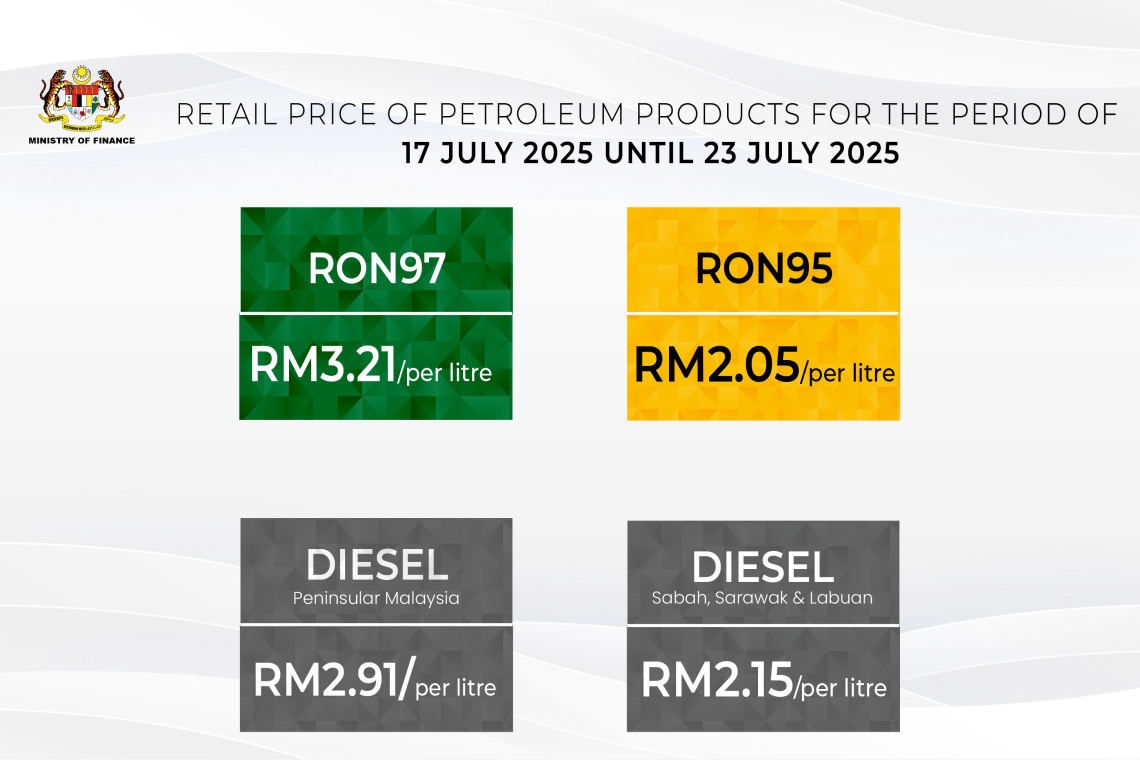
Governments and international bodies play a significant role in market stabilization. This can involve strategic petroleum reserves (like the U.S. SPR) that can release oil during supply shocks to temper price increases. Regulatory frameworks aimed at increasing market transparency and preventing price gouging also contribute to a fairer market. Furthermore, long-term policy initiatives that support research and development in alternative fuels, invest in robust and diversified energy infrastructure, and foster international cooperation on energy security can build a more resilient global energy landscape. Ultimately, the quest to answer “what price diesel?” is a continuous economic dialogue, demanding foresight, adaptability, and a commitment to understanding the complex interplay of global forces that shape our financial realities.
aViewFromTheCave is a participant in the Amazon Services LLC Associates Program, an affiliate advertising program designed to provide a means for sites to earn advertising fees by advertising and linking to Amazon.com. Amazon, the Amazon logo, AmazonSupply, and the AmazonSupply logo are trademarks of Amazon.com, Inc. or its affiliates. As an Amazon Associate we earn affiliate commissions from qualifying purchases.