
India, a nation of over 1.4 billion people and home to an astonishing linguistic diversity, presents a fascinating case study in the economic power of language. While Hindi is often recognized as the most widely spoken language and numerous regional languages thrive, the role of English transcends mere communication; it stands as a critical economic enabler, a gateway to global markets, and a significant determinant of individual financial prosperity. The question “what percent of Indians speak English?” is not merely a demographic query; it’s an inquiry into the very fabric of India’s modern economy, revealing insights crucial for personal finance, investment strategies, and business development.
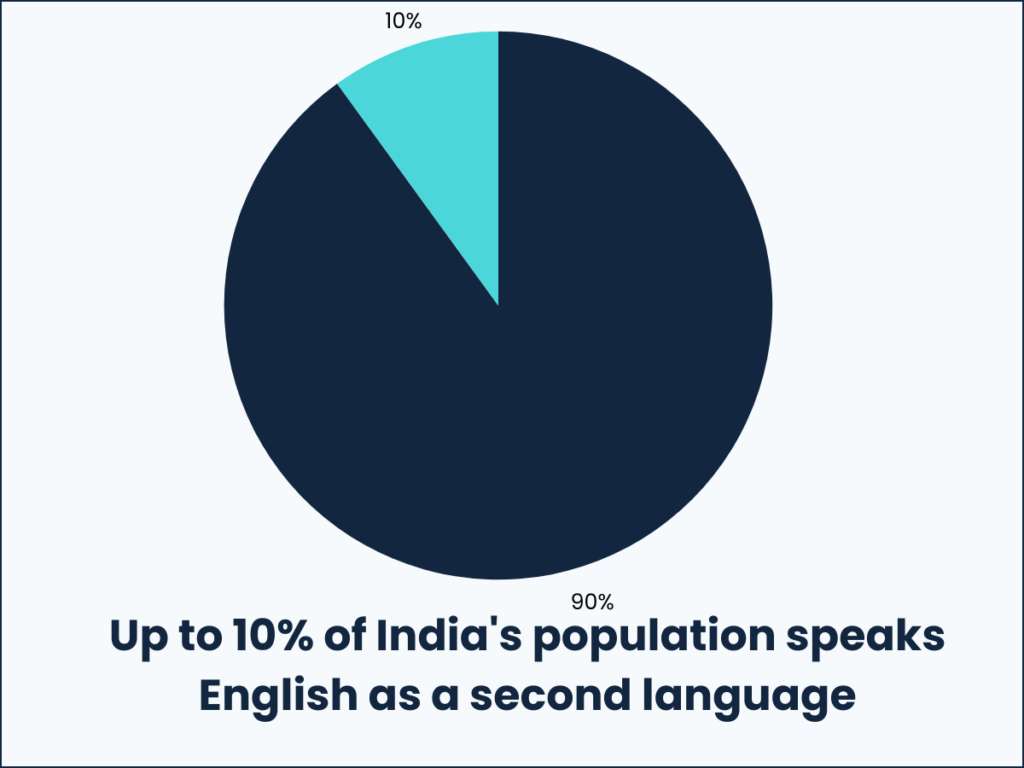
Pinpointing an exact percentage is challenging due to varying definitions of “speaking English” – ranging from basic comprehension to full fluency. However, its profound impact on India’s burgeoning service sector, its burgeoning startup ecosystem, and the upward mobility of its workforce is undeniable. English proficiency has become a cornerstone of India’s economic strategy, attracting global businesses, fostering innovation, and creating unparalleled opportunities for wealth generation and financial growth across the subcontinent. Understanding this linguistic landscape is vital for anyone looking to navigate or invest in India’s dynamic economic future.
The Nuance of Numbers: Defining English Proficiency in India
Estimating the precise number of English speakers in India is a complex task, fraught with definitional challenges. Unlike a simple headcount, “speaking English” encompasses a broad spectrum of abilities, from rudimentary understanding to native-like fluency. This spectrum directly influences the economic opportunities available to individuals and the country as a whole.
Beyond Simple Percentages: Different Measures of Fluency
Official census data often relies on self-reported language abilities, which can inflate numbers or fail to capture actual functional proficiency. Various studies and surveys offer a range of estimates:
- Highly Proficient/Fluent: Typically estimated to be between 10% and 15% of the population. This group possesses the advanced communication skills necessary for professional roles in multinational corporations, IT, and high-end services. For these individuals, English is a direct conduit to higher earning potential and global career paths.
- Working Knowledge: A larger segment, potentially around 30% to 40%, possesses a working knowledge of English, sufficient for basic business communication, understanding media, and navigating urban environments. This group benefits from English in roles requiring customer interaction, administrative tasks, and certain service industries, often earning more than their non-English-speaking counterparts.
- Some Exposure/Basic Understanding: A significant majority, potentially over 50%, has had some exposure to English through schooling or media, enabling them to understand simple phrases or read basic text. While this level may not unlock high-paying jobs directly, it lays a foundational layer that can be built upon.
The discrepancy in these numbers highlights that not all “English speakers” are created equal in the eyes of the job market or the global economy. For financial purposes, the focus is largely on the highly proficient and working knowledge segments, as these are the groups most directly poised to leverage English for economic gain.
Regional Disparities and Socio-Economic Correlates
English proficiency is not uniformly distributed across India; it correlates strongly with geography, urbanisation, and socio-economic status.
- Urban vs. Rural: English is significantly more prevalent and proficient in urban centers, where access to quality education, private schools, and multinational companies is higher. Metros like Mumbai, Delhi, Bangalore, and Hyderabad boast a much larger proportion of English speakers, reflecting their status as economic hubs. In rural areas, English proficiency drops sharply, often limiting access to certain economic opportunities.
- Educational Attainment: Higher levels of education, particularly degrees from prestigious institutions, almost invariably imply strong English skills. Graduates from engineering, management, and medical fields are typically fluent, equipping them for global careers.
- Socio-Economic Background: Affluent families often send their children to English-medium private schools from an early age, giving them a significant head start. This creates a cycle where English proficiency is both a symptom and a cause of economic advantage, reinforcing existing disparities but also offering a pathway for upward mobility through dedicated investment in education.
These disparities underscore that English is not just a language but a valuable form of human capital, intricately linked to an individual’s financial trajectory and the broader economic landscape of different regions within India.
English Proficiency as an Economic Catalyst for Individuals
For millions of Indians, English is far more than a second language; it is a powerful tool for economic empowerment, directly influencing career trajectories, income levels, and access to financial opportunities.
Gateway to High-Value Careers and Higher Earning Potential
English proficiency is a non-negotiable prerequisite for entry into India’s most lucrative and rapidly growing sectors.
- Information Technology (IT) and Software Development: India’s IT sector is a global powerhouse, and English is the lingua franca of this industry. Developers, engineers, and IT professionals who are fluent in English can work directly with international clients, participate in global projects, and command significantly higher salaries. The ability to communicate complex technical concepts effectively in English is a core competency that drives demand and compensation.
- Business Process Outsourcing (BPO) and Knowledge Process Outsourcing (KPO): These sectors, which handle everything from customer service to financial analysis for global companies, thrive on India’s large pool of English-speaking talent. Call centers, back-office operations, and research firms hire extensively from this demographic, offering stable employment and competitive wages, particularly in a country where unemployment remains a concern.
- Multinational Corporations (MNCs) and Global Services: MNCs operating in India or with global teams rely heavily on English for internal communication and external client engagement. Roles in management, marketing, finance, and human resources within these companies often require advanced English skills, leading to premium salaries, international exposure, and robust career progression.
- Academia, Research, and Healthcare: Professionals in these fields benefit immensely from English proficiency, allowing them to access global research, collaborate with international peers, publish in international journals, and even pursue opportunities abroad, significantly enhancing their earning potential and professional standing.
The financial returns on English proficiency are tangible, often translating into incomes that are multiples higher than those available to individuals restricted to regional languages in their professional lives.
Fueling the Gig Economy and Online Income Streams
The rise of the global gig economy has opened unprecedented avenues for English-speaking Indians to generate income online, often as side hustles or even full-time ventures, without geographic limitations.
- Freelancing and Remote Work: Platforms like Upwork, Fiverr, Toptal, and Freelancer.com connect skilled Indians with clients worldwide. Services such as content writing, virtual assistance, graphic design, web development, data entry, and translation are in high demand internationally. English proficiency allows these freelancers to understand client requirements, communicate effectively, and deliver high-quality work, directly translating into online income in foreign currencies, which often holds greater purchasing power in India.
- Online Tutoring and Education: English-speaking teachers and subject matter experts can offer online tutoring to students across the globe, especially in English language learning, STEM subjects, and test preparation (e.g., IELTS, TOEFL, SAT). This provides a flexible and lucrative source of income.
- Content Creation and Digital Marketing: The global digital economy thrives on English content. Indians fluent in English can create blogs, YouTube channels, podcasts, and social media content targeting international audiences, monetizing through advertising, sponsorships, and affiliate marketing. They can also work as digital marketing specialists for global brands.
These opportunities enable individuals to diversify their income, build financial resilience, and even achieve financial independence by tapping into a global talent market, directly facilitated by their English language skills.
Enhancing Financial Literacy and Access to Global Resources
English proficiency extends its financial benefits beyond direct income generation by providing access to a wealth of global financial information and tools.
- Global Financial News and Analysis: English enables individuals to read international financial news outlets (e.g., The Wall Street Journal, Bloomberg, The Economist), access global market analyses, and understand international economic trends. This exposure is crucial for making informed investment decisions, whether in Indian or global markets.
- Investment Platforms and Tools: Many advanced investment platforms, trading tools, and financial software are designed with English as the primary language. Proficiency allows individuals to navigate these tools effectively, understand complex financial instruments, and participate in global stock markets or cryptocurrency markets.
- Educational Resources and Courses: A vast amount of free and paid financial education content, from online courses on personal finance and investing to in-depth research papers, is available in English. Accessing these resources empowers individuals to improve their financial literacy, manage their wealth more effectively, and plan for their financial future with greater confidence.
In essence, English acts as a powerful lever, amplifying an individual’s ability to earn, save, invest, and manage their money in an increasingly interconnected global economy.
The Macroeconomic Impact: India’s Global Financial Standing
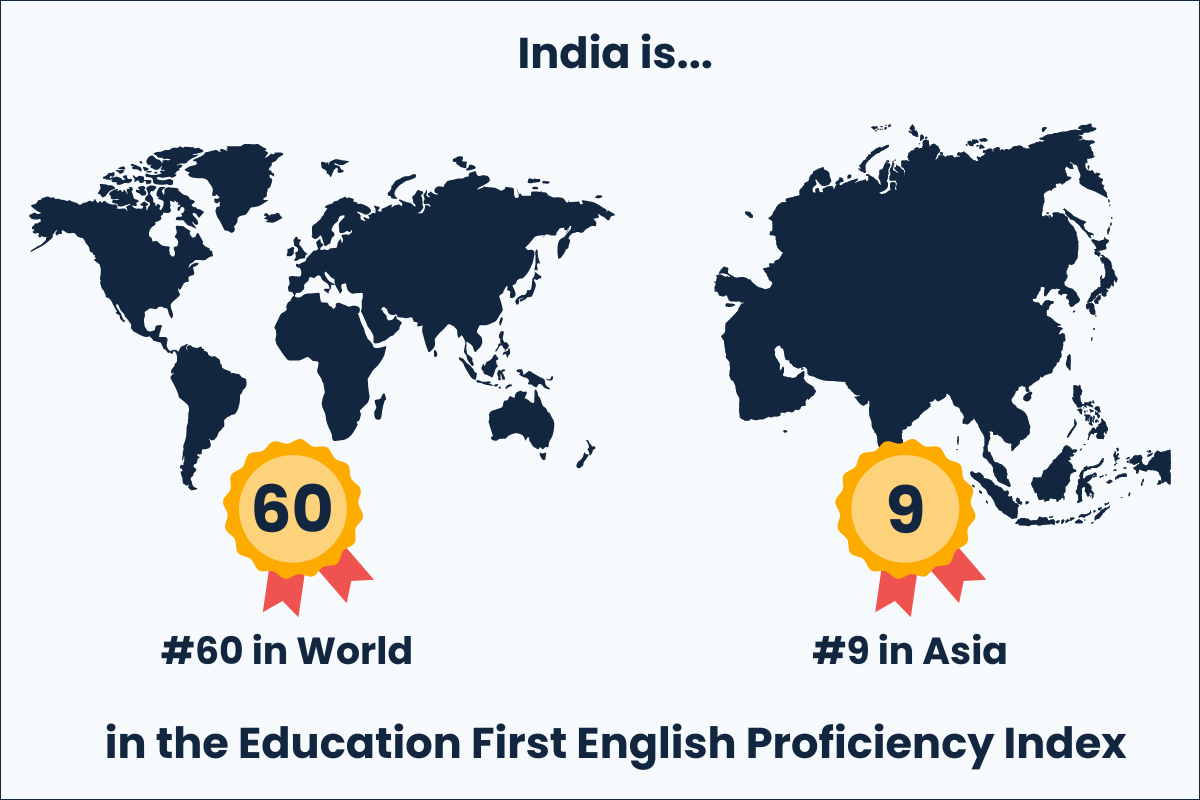
At a national level, the prevalence of English proficiency among a significant segment of its population has been a critical factor in shaping India’s economic trajectory, transforming it into a global economic player and a magnet for international investment.
The Backbone of India’s Service Sector Dominance
India’s economic miracle over the past three decades has been largely driven by the explosive growth of its service sector, particularly IT and IT-enabled services (ITES).
- Global Outsourcing Hub: India emerged as the world’s leading outsourcing destination largely because of its cost-effective, large pool of English-speaking graduates. This linguistic advantage allowed Indian companies to seamlessly integrate into global supply chains, providing services ranging from software development and maintenance to complex business analytics and legal process outsourcing (LPO).
- Driving Economic Growth and Employment: The IT and BPO sectors employ millions directly and indirectly, contributing significantly to India’s GDP, boosting urban development, and creating a new middle class. This economic activity generates substantial foreign exchange earnings, bolstering the national economy.
- Value Chain Progression: Initially focused on basic data entry, India’s service sector has moved up the value chain to provide high-end consulting, R&D, and product development, a progression that would have been impossible without a sophisticated English-speaking workforce capable of handling complex international projects.
The economic contribution of these English-dependent sectors is monumental, positioning India as an indispensable partner in the global service economy.
Attracting Foreign Investment and International Business
A large, skilled, and English-proficient workforce makes India an exceptionally attractive destination for Foreign Direct Investment (FDI) and multinational corporations seeking to expand their global footprint.
- Ease of Communication for Global Operations: For companies looking to establish operations, R&D centers, or manufacturing units in India, the availability of English-speaking talent significantly reduces communication barriers, facilitates collaboration with headquarters, and streamlines training processes. This dramatically lowers the operational friction for international businesses.
- Access to a Global Talent Pool: MNCs can tap into India’s vast human capital, leveraging highly educated English speakers for various roles, from engineering and finance to marketing and customer support, allowing them to scale operations efficiently and cost-effectively.
- Strategic Location for Regional Hubs: India’s central location and English proficiency also enable it to serve as a regional hub for global companies, managing operations and client relationships across Asia, the Middle East, and Africa.
The cumulative effect of this linguistic asset is the sustained inflow of billions of dollars in FDI, leading to job creation, technology transfer, and overall economic development, significantly enhancing India’s financial standing on the global stage.
Fostering Entrepreneurship and Innovation with Global Reach
English proficiency has also played a crucial role in the explosive growth of India’s startup ecosystem, empowering entrepreneurs to think globally from day one.
- Global Market Access: Indian startups, particularly in the tech and e-commerce sectors, can immediately target international markets if their teams are proficient in English. This capability vastly expands their potential customer base beyond India’s borders, leading to faster growth and higher revenue potential.
- Attracting International Funding and Partnerships: English is the language of venture capital and international business deals. Indian entrepreneurs who can articulate their vision, pitch their ideas, and negotiate effectively in English are better positioned to attract funding from global investors and forge partnerships with international companies.
- Access to Global Knowledge and Best Practices: English enables Indian innovators to stay abreast of global technological trends, business models, and best practices. This access to information accelerates local innovation, preventing reinvention of the wheel and fostering a culture of continuous learning and adaptation.
The ability to operate in an international language has transformed India into a hotbed of innovation, with its startups increasingly becoming global players and contributing significantly to the nation’s economic diversification and future financial prospects.
Investing in English: A Strategic Financial Imperative
Given the profound economic benefits, investing in English language proficiency is not merely an educational choice but a strategic financial imperative for individuals, families, and the nation as a whole.
Education as an Investment in Human Capital
For families in India, investing in English-medium education, especially in private schools, is often seen as a critical investment in their children’s future financial security and upward mobility.
- Long-Term Financial Returns: Studies consistently show a correlation between English proficiency and higher lifetime earnings. Parents often make significant financial sacrifices to ensure their children receive an English-based education, viewing it as a direct pathway to better jobs and improved living standards.
- Expanding Skill Sets: Beyond formal schooling, supplemental English language training, online courses, and immersion programs are increasingly popular. These investments enhance communication skills, which are transferable across industries and are highly valued by employers globally.
- Government Initiatives: Recognizing the importance, government initiatives to improve English education in public schools are also crucial, aiming to democratize access to this economic enabler and reduce the skill gap between urban and rural populations.
Treating English education as a form of human capital investment yields substantial long-term financial dividends for individuals and contributes to a more skilled national workforce.
Identifying Investment Opportunities in the English Ecosystem
For investors, the economic significance of English in India presents various opportunities to capitalize on this linguistic advantage.
- EdTech Platforms: Investing in EdTech companies focused on English language learning (e.g., online academies, AI-powered language apps) can be lucrative, given the immense demand for English proficiency across all age groups.
- IT and BPO Service Providers: Companies at the forefront of India’s IT and BPO sectors, which rely heavily on English-speaking talent, offer compelling investment cases. Their ability to secure global contracts and generate revenue in foreign currencies makes them attractive.
- Skill Development and Training Companies: Enterprises that specialize in professional English communication training, soft skills development, and placement services catering to the global workforce are poised for growth.
- Real Estate in Tier-2 Cities: As IT and BPO firms expand beyond major metros into Tier-2 cities to tap into new talent pools, real estate investments in these emerging hubs can yield significant returns, driven by the demand for commercial and residential properties from the English-speaking workforce.
These investments align with the demographic and economic realities of India, positioning portfolios to benefit from a sustained driver of growth.
The Future of English and India’s Economic Trajectory
The trajectory of English in India is inextricably linked to its economic future. As India continues its journey towards becoming a developed nation, the role of English is likely to remain paramount.
- Continued Global Integration: India’s ambition to deepen its integration into the global economy, attract more FDI, and expand its exports will necessitate a strong emphasis on English proficiency across various sectors.
- Innovation and Research: English will continue to be the primary language for advanced research, technological collaboration, and knowledge exchange, fostering innovation that drives economic progress.
- Demographic Dividend: With a young and growing workforce, investing in English education ensures that India’s demographic dividend translates into a globally competitive human capital advantage, capable of driving economic growth for decades to come.
The continued investment in and cultivation of English language skills will not only shape India’s economic landscape but also its influence and soft power on the world stage, ensuring that its people are equipped to seize global opportunities and contribute to a prosperous future.
Conclusion
The question “what percent of Indians speak English?” might seem straightforward, but its implications for the Indian economy and individual financial well-being are profoundly complex and far-reaching. While precise figures vary, the impact of English proficiency on India’s economic narrative is undeniable. It serves as a vital economic catalyst, enabling individuals to access high-value careers, participate in the global gig economy, and enhance their financial literacy. At a macro level, English has been instrumental in solidifying India’s position as a global IT and outsourcing hub, attracting massive foreign investment, and fostering a vibrant entrepreneurial ecosystem with international reach.
For personal finance, English skills translate directly into higher earning potential and broader opportunities for wealth creation. For investors, understanding the widespread economic utility of English in India reveals compelling avenues, from EdTech to the burgeoning service sector. As India continues to ascend the global economic ladder, the strategic importance of English will only grow, making investment in language skills a cornerstone of both individual prosperity and national economic growth. It is clear that in the intricate tapestry of India’s economy, English is not just a language; it is a powerful financial asset.
aViewFromTheCave is a participant in the Amazon Services LLC Associates Program, an affiliate advertising program designed to provide a means for sites to earn advertising fees by advertising and linking to Amazon.com. Amazon, the Amazon logo, AmazonSupply, and the AmazonSupply logo are trademarks of Amazon.com, Inc. or its affiliates. As an Amazon Associate we earn affiliate commissions from qualifying purchases.