
The Fast & Furious franchise transcends a mere film series; it is a global entertainment brand synonymous with high-octane action, gravity-defying stunts, and an enduring theme of ‘family.’ Spanning over two decades, its intricate web of sequels, prequels, and spin-offs presents a unique challenge for both new viewers and long-time fans: navigating the optimal viewing order. From a brand strategy perspective, the way an audience consumes a sprawling narrative directly impacts their understanding of its evolution, character arcs, and core identity. This article delves into the strategic implications of different viewing orders, not just as a guide for movie night, but as a compelling case study in managing a dynamic, multi-billion-dollar brand. We will explore how different approaches to watching the Fast Saga can either reinforce or dilute the brand’s intended messaging, influence audience loyalty, and shape its legacy in popular culture. Understanding the nuances of the Fast & Furious timeline offers invaluable insights into effective brand storytelling and franchise management in an era of complex cinematic universes.

The Franchise as a Brand: Navigating Narrative Complexity
The Fast & Furious brand did not spring fully formed into the global phenomenon it is today. Its journey from a modest street-racing film to a juggernaut of international espionage and superhero-esque antics is a testament to strategic brand evolution and masterful, albeit sometimes unconventional, storytelling.
Building a Legacy: From Street Racing to Global Espionage
The brand’s origin story began with The Fast and the Furious (2001), establishing core brand pillars: underground car culture, adrenaline-fueled races, and the nascent concept of ‘family’ among outsiders. This initial offering, a relatively grounded action-crime film, resonated with a specific demographic. However, the brand quickly demonstrated its adaptability. With each subsequent installment, particularly starting with Fast Five (2011), the franchise boldly expanded its scope. It pivoted from street-level heists to international espionage, incorporating an increasingly diverse ensemble cast and stunts that defied physics. This strategic shift wasn’t just about bigger budgets; it was about broadening the brand’s appeal to a wider global audience, transforming it from a niche car movie series into a tentpole action franchise capable of competing with spy thrillers and superhero sagas. Crucially, even as the genre evolved, the foundational brand values – loyalty, camaraderie, and the unbreakable bond of ‘family’ – remained steadfast, acting as a constant anchor in its dynamic evolution.
Maintaining Brand Cohesion Across a Shifting Timeline
One of the most distinctive aspects of the Fast & Furious brand, and a significant challenge for its managers, is its non-linear narrative progression. The third film, The Fast and the Furious: Tokyo Drift (2006), famously takes place after the events of films four, five, and six. This creative decision, initially made due to scheduling conflicts and a desire to experiment with a new cast, created a temporal puzzle for the brand’s continuity. For Universal Pictures, this wasn’t just a plot hole; it was a brand management tightrope walk. Maintaining brand cohesion required sophisticated narrative strategies to retroactively fit Tokyo Drift into the overarching timeline without alienating existing fans or confusing new ones. The strategic reintroduction of fan-favorite character Han Lue and the explanation of his fate across multiple films (culminating in Furious 7 and revisited in F9) became a pivotal example of how the brand proactively addressed its own narrative complexities. This demonstrated a deep understanding of audience expectations and a commitment to weaving a consistent, albeit circuitous, story that ultimately strengthened, rather than weakened, the brand’s internal logic and fan loyalty.
Strategic Viewing Orders: Enhancing the Brand Experience
For any comprehensive brand, the way its story is consumed can profoundly shape perception. With the Fast & Furious saga, choosing a viewing order is not merely an arbitrary decision; it’s a choice that dictates the brand experience, influencing suspense, emotional impact, and overall narrative comprehension.
Release Order: The Organic Evolution of a Brand Story
Watching the Fast & Furious movies in their original theatrical release order offers an authentic journey through the brand’s organic evolution. This sequence mirrors how audiences originally experienced the saga, witnessing its gradual shift from grounded street racing to international blockbuster spectacle.
- The Fast and the Furious (2001)
- 2 Fast 2 Furious (2003)
- The Fast and the Furious: Tokyo Drift (2006)
- Fast & Furious (2009)
- Fast Five (2011)
- Fast & Furious 6 (2013)
- Furious 7 (2015)
- The Fate of the Furious (2017)
- Fast & Furious Presents: Hobbs & Shaw (2019)
- F9 (2021)
- Fast X (2023)
Brand Advantage: This order allows viewers to experience the story’s original pacing, character development, and genre shifts exactly as intended by the creators. The emotional impact of character reintroductions (like Letty’s in Fast & Furious or Han’s explanation in Furious 7) and the strategic placement of cliffhangers land with their full intended force. It’s akin to following a brand’s product line as it expands and innovates over time, appreciating each iteration in its historical context.
Brand Disadvantage: The chronological anomaly of Tokyo Drift can be jarring for new viewers, potentially causing confusion and momentarily disrupting the seamless flow of the core narrative if one is unaware of the behind-the-scenes decisions.
Chronological Order: Unpacking the Intentional Narrative Arc
For those seeking a streamlined, uninterrupted narrative flow, watching the films in strict chronological order by story events offers a different, often clearer, brand experience. This order prioritizes understanding the unfolding plot and character arcs without temporal jumps.
- The Fast and the Furious (2001)
- 2 Fast 2 Furious (2003)
- Fast & Furious (2009)
- Fast Five (2011)
- Fast & Furious 6 (2013)
- The Fast and the Furious: Tokyo Drift (2006)
- Furious 7 (2015)
- The Fate of the Furious (2017)
- Fast & Furious Presents: Hobbs & Shaw (2019)
- F9 (2021)
- Fast X (2023)
Brand Advantage: This sequence provides a logical, coherent narrative for new audiences, highlighting the brand’s commitment to a consistent internal world. It allows for a deeper appreciation of character development and plot progression without the need for mental gymnastics. For a brand, narrative clarity can significantly reduce barriers to entry for new customers, ensuring they grasp the core story without confusion.
Brand Disadvantage: While narratively smooth, this order sacrifices some of the impactful reveals and emotional surprises designed for the original release sequence. The reintroduction of characters or resolution of past events might feel less climactic if their story has already been implicitly laid out in a chronologically earlier film.
Hybrid Approaches: Tailoring the Brand Journey
Recognizing that different consumers prefer different ways to interact with a brand, a hybrid viewing order offers a tailored experience, aiming to combine the best aspects of both release and chronological viewing. A common hybrid approach is:
- The Fast and the Furious
- 2 Fast 2 Furious
- Fast & Furious
- Fast Five
- Fast & Furious 6
- The Fast and the Furious: Tokyo Drift (Placed here to align with Han’s story arc directly after Fast & Furious 6)
- Furious 7
- The Fate of the Furious
- Fast & Furious Presents: Hobbs & Shaw
- F9
- Fast X

Brand Advantage: This method acknowledges the brand’s complex history while optimizing the narrative flow for maximum impact and comprehension. It caters to an informed audience that understands the franchise’s quirks but seeks an improved viewing experience. This flexible approach demonstrates the brand’s ability to be interpreted and enjoyed in multiple ways, further deepening engagement by empowering the audience to customize their interaction. It exemplifies advanced brand engagement, where the consumer actively participates in shaping their own experience.
Impact on Audience Engagement and Brand Loyalty
The viewing order, whether by release or chronology, significantly influences how audiences engage with the Fast & Furious brand and, consequently, their loyalty to it.
Fan Communities as Brand Advocates
The intricate timeline and character interconnections of the Fast & Furious franchise have fostered vibrant fan communities. These communities actively discuss, debate, and theorize about the optimal viewing order, character motivations, and future plot developments. This level of engagement turns fans into powerful brand advocates, who, through their passion and discussion, organically extend the brand’s reach and relevance. Forums, social media groups, and fan wikis become platforms where the brand’s story is continually dissected and reinterpreted, generating perpetual buzz. This active co-creation of meaning by the audience is invaluable for maintaining a brand’s cultural footprint and ensuring its longevity. The shared experience of piecing together the timeline, or simply discussing their preferred viewing method, strengthens the bonds within the fan base, directly translating to brand loyalty.
The Role of Narrative Consistency in Retention
Despite the temporal gymnastics required by Tokyo Drift, the Fast & Furious brand has largely succeeded in maintaining a strong sense of narrative consistency, particularly concerning its core themes and character relationships. The overarching emphasis on ‘family’ and loyalty serves as an unwavering brand anchor, providing emotional resonance that transcends plot complexities. When the brand has encountered potential inconsistencies (like Han’s ambiguous fate), its ability to retroactively address and resolve them in a satisfying manner (e.g., in Furious 7 and F9) has been crucial for retaining audience trust and loyalty. These narrative corrections demonstrate the brand’s commitment to its own canon and to its audience, proving that the creators are listening and invested in delivering a cohesive, believable world. A brand that actively manages its narrative integrity, even when challenging, ensures that its audience remains invested in its ongoing story.
Future-Proofing the Brand: Prequels, Spin-offs, and Sequels
The Fast & Furious brand has strategically expanded its universe through spin-offs like Hobbs & Shaw, which allowed it to explore new character dynamics and story avenues without diluting the main saga. These extensions cater to different audience segments (e.g., those who prefer buddy-cop action over street racing) while retaining the core ‘Fast’ identity of over-the-top action and charismatic characters. This diversification is a clever strategy for future-proofing the brand, ensuring its continued relevance and ability to attract new viewers while satisfying existing fans. The ongoing development of final sequels (Fast X Part 2) and potential future spin-offs (like a proposed female-led film) indicates a clear long-term brand strategy. By carefully managing its timeline across multiple narrative streams, the Fast & Furious brand successfully expands its footprint, extends its lifecycle, and continues to engage a global audience, proving itself a masterclass in dynamic franchise management.
Lessons in Franchise Management and Brand Storytelling
The Fast & Furious saga offers a rich tapestry of lessons for brand strategists and storytellers, demonstrating how a property can evolve, adapt, and sustain its relevance over two decades.
Adapting to Audience Expectations and Market Shifts
Few brands have demonstrated such a profound ability to adapt as the Fast & Furious. Starting as a relatively grounded action film, it shrewdly recognized evolving audience appetites for grander spectacle and expanded its scope accordingly. The pivot from street racing to global espionage and superhero-level feats wasn’t accidental; it was a calculated risk that paid off, transforming the brand into a global box office titan. This agility extended to incorporating diverse cast members, reflecting global demographics, and embracing an increasingly inclusive definition of ‘family.’ Furthermore, the brand navigated significant real-world challenges, most notably the tragic passing of Paul Walker. The emotional and narrative handling of his character, Brian O’Conner, in Furious 7 was a masterclass in respecting a legacy while moving the brand forward, resonating deeply with fans and critics alike. This capacity for reinvention and sensitive adaptation to external circumstances is a hallmark of truly resilient brand management.
The Power of Character Branding and Ensemble Casts
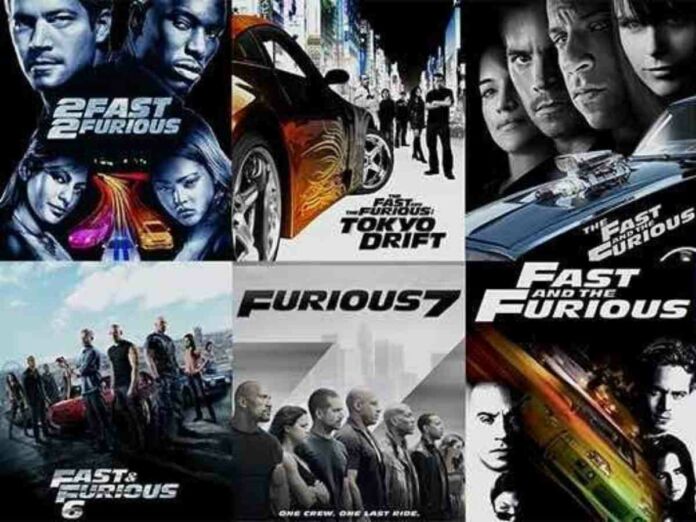
At the heart of the Fast & Furious brand’s enduring appeal is its robust cast of characters, each a distinct sub-brand contributing to the overall franchise appeal. Characters like Dominic Toretto (Vin Diesel), Brian O’Conner (Paul Walker), Letty Ortiz (Michelle Rodriguez), Roman Pearce (Tyrese Gibson), Tej Parker (Ludacris), Han Lue (Sung Kang), Luke Hobbs (Dwayne Johnson), and Deckard Shaw (Jason Statham) have cultivated their own fan bases. The strength of this ensemble cast strategy is multifaceted: it diversifies the brand’s appeal, provides multiple points of entry and connection for the audience, and creates a sense of a living, breathing universe. The interactions, rivalries, and evolving relationships among these characters are as crucial to the brand’s identity as the car chases themselves. This ensemble approach allows for narrative flexibility and ensures that even if one character’s storyline wanes, others can carry the emotional and thematic weight, safeguarding the brand’s continuous momentum.
Sustaining Brand Relevance Over Two Decades
To maintain relevance for over 20 years in the notoriously fickle entertainment industry is a monumental achievement. The Fast & Furious brand has accomplished this through a combination of consistent thematic elements (the unbreakable bond of family), continuous escalation of stakes (from local heists to saving the world), and a steady stream of releases that keep the brand top-of-mind. Its willingness to embrace camp, self-awareness, and progressively more outlandish stunts has fostered a unique brand identity that audiences expect and eagerly anticipate. The franchise hasn’t shied away from introducing new, compelling antagonists and integrating them into the family’s orbit, consistently revitalizing its narrative engine. By understanding its core audience, embracing its identity, and continually pushing the boundaries of what’s possible, the Fast & Furious brand stands as a premier example of successful, long-term brand management and sustained cultural impact.
Ultimately, watching the Fast & Furious movies isn’t just about entertainment; it’s about experiencing a meticulously managed global brand. Whether you choose the raw, evolving journey of the release order or the streamlined narrative of the chronological sequence, your viewing order profoundly shapes that experience. For the optimal blend of narrative clarity and intended emotional impact, we recommend the hybrid approach: watching the films in release order but placing The Fast and the Furious: Tokyo Drift after Fast & Furious 6. This sequence allows for a deeper appreciation of Han’s journey and maintains the integrity of the broader saga’s unfolding events. The Fast & Furious saga remains a prime example of dynamic brand storytelling that continually adapts, innovates, and strengthens its connection with a loyal global audience, solidifying its place as one of the most enduring and successful franchises in cinematic history.
aViewFromTheCave is a participant in the Amazon Services LLC Associates Program, an affiliate advertising program designed to provide a means for sites to earn advertising fees by advertising and linking to Amazon.com. Amazon, the Amazon logo, AmazonSupply, and the AmazonSupply logo are trademarks of Amazon.com, Inc. or its affiliates. As an Amazon Associate we earn affiliate commissions from qualifying purchases.