
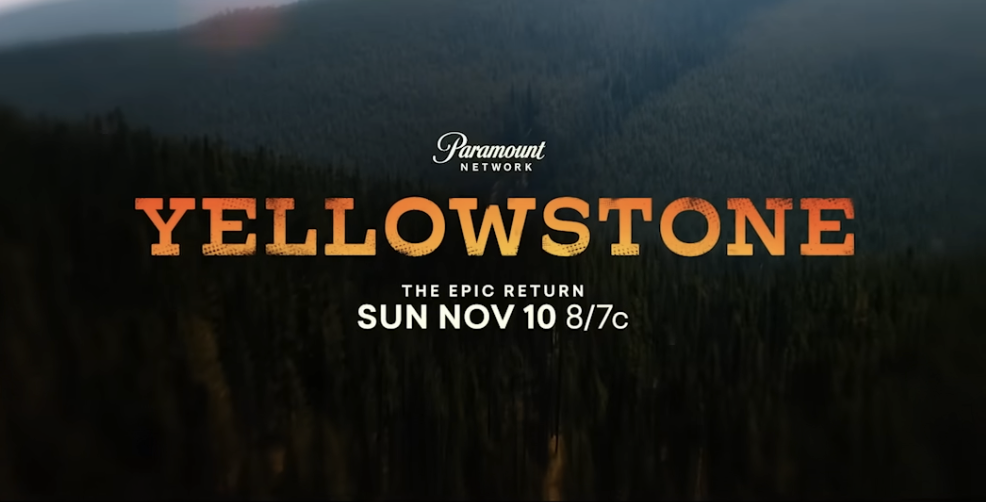
The question “what network is Yellowstone?” might seem straightforward, eliciting a simple answer: the Paramount Network. Yet, to truly understand the significance of this relationship, one must look beyond a mere factual identification and delve into the intricate world of media branding. “Yellowstone,” the immensely popular neo-western drama, is not just a television show; it’s a powerful brand, a cultural phenomenon, and a linchpin in the strategic positioning of its flagship network. This article will explore how “Yellowstone” has both defined and been defined by the Paramount Network, illustrating critical aspects of brand strategy, corporate identity, and marketing in the highly competitive entertainment landscape.
The Strategic Alliance: Paramount Network and the Yellowstone Phenomenon
The success of “Yellowstone” is inextricably linked to its initial home, the Paramount Network. This wasn’t merely a distribution deal; it was a strategic alignment that leveraged the network’s evolving identity and, in turn, solidified it. The collaboration highlights how a single, compelling piece of content can fundamentally shape a media brand.
Origins and Brand Alignment: Why Paramount Was the Right Home
When “Yellowstone” premiered in 2018, the Paramount Network was still a relatively new entity, having rebranded from Spike TV earlier that year. Spike TV had long catered to a male-centric demographic, often featuring reality shows, sports, and action-oriented content. The rebrand to Paramount Network aimed to elevate the channel’s perceived quality and broaden its appeal while retaining some of its core audience. The vision was to transform into a premium entertainment destination, a “basic cable channel with a premium feel,” capable of producing sophisticated, cinematic dramas.
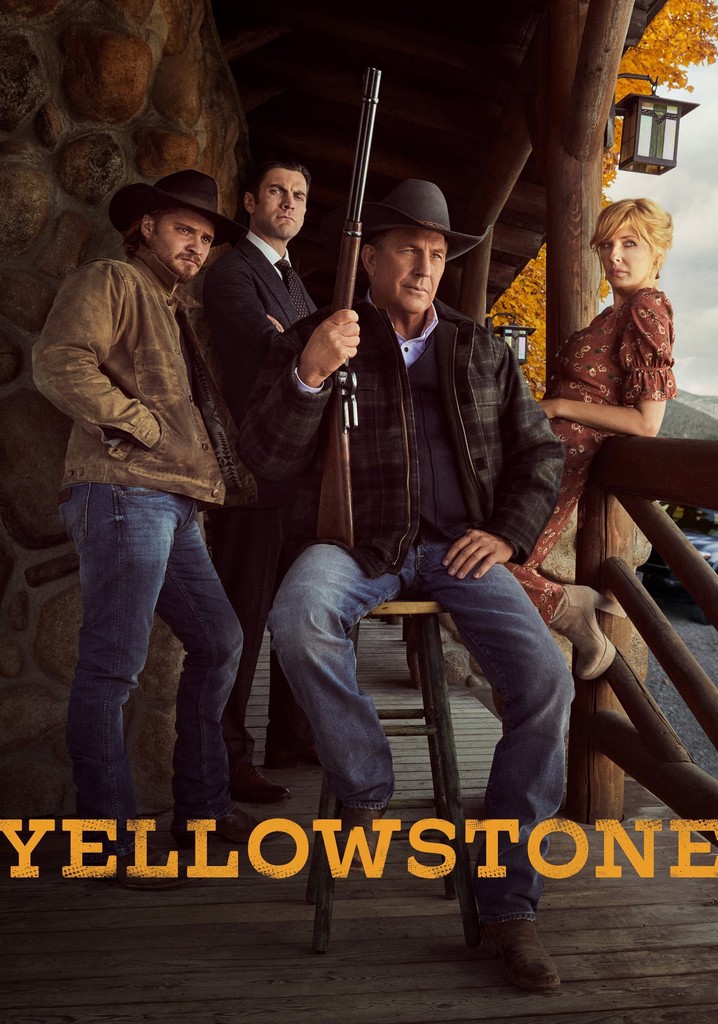
Enter “Yellowstone.” Created by Taylor Sheridan, known for his gritty, authentic storytelling in films like “Sicario” and “Hell or High Water,” the series immediately resonated with this ambition. Its themes of land, family, power, and the clash between tradition and modernity, set against the breathtaking backdrop of the American West, offered a rich narrative tapestry. The show’s mature themes, complex characters, and high production values aligned perfectly with Paramount Network’s aspirational brand identity. It wasn’t just another show; it was a statement of intent, signaling the network’s commitment to high-quality, character-driven drama that could attract a diverse yet loyal audience. The “Yellowstone” brand, with its rugged authenticity and epic scope, provided the foundational pillar for Paramount Network’s new era.
Cultivating a Niche: How Yellowstone Defined Paramount’s Identity
Before “Yellowstone,” Paramount Network was arguably searching for its definitive voice. While it aired a mix of movies and syndicated shows, it lacked a flagship original series that could truly brand it. “Yellowstone” filled this void spectacularly. It became the face of the network, drawing unprecedented viewership for a basic cable drama and consistently breaking its own records season after season. This enormous success did more than just boost ratings; it carved out a distinct niche for the Paramount Network.
The show’s brand ethos—a blend of classic western grit, high-stakes drama, and complex moral ambiguity—became synonymous with the network itself. Audiences started tuning into the Paramount Network specifically for “Yellowstone,” and in doing so, they developed an association between the quality and style of the show and the network’s overall brand. This symbiotic relationship meant that “Yellowstone” didn’t just exist on the Paramount Network; it was the Paramount Network for a significant portion of its audience. This flagship content strategy is a powerful lesson in branding, demonstrating how a single, well-chosen property can imbue a network with a clear, marketable identity and a loyal viewership base. It created a perception that if you liked “Yellowstone,” you’d likely find other compelling content on Paramount Network, even if such content was still developing.
Expanding the Universe: Brand Extension and Multi-Platform Strategy
The power of the “Yellowstone” brand extends far beyond its original series, demonstrating a sophisticated multi-platform strategy designed to maximize reach, engagement, and revenue. This expansion is a testament to the strength of its core brand identity and the strategic decisions made to leverage it across various media channels.
Spin-offs as Brand Reinforcement: 1883, 1923, and Beyond
Recognizing the immense popularity and rich historical context of the Dutton family saga, Paramount Global (the parent company of Paramount Network) shrewdly opted to expand the “Yellowstone” universe through prequels. 1883 and 1923 were not just new shows; they were direct brand extensions, offering origin stories that deepened the mythology and broadened the appeal of the Yellowstone brand. These spin-offs allowed the franchise to explore different eras, introduce new compelling characters, and cater to an even wider audience interested in historical dramas rooted in the same thematic DNA.
Crucially, the strategic decision was made to launch these prequels exclusively on Paramount+, Paramount Global’s streaming service. This move was a masterclass in cross-platform branding. It served multiple purposes:
- Drives Streaming Subscriptions: The immense pull of the Yellowstone brand incentivized fans of the original series to subscribe to Paramount+ to access the spin-offs. This directly translated the linear TV success into streaming growth.
- Reinforces Paramount+ Brand Identity: By making high-quality, high-demand content exclusive to the streaming service, Paramount+ positioned itself as a serious contender in the streaming wars, offering premium, must-watch content. The Yellowstone universe became a pillar of the Paramount+ brand.
- Expands Narrative Possibilities: The prequel format allowed creative freedom to explore the historical roots of the Dutton family without disrupting the ongoing narrative of the main “Yellowstone” series, thereby enriching the overall brand story.
This segmented approach—main series on linear TV, prequels on streaming—showcases a nuanced understanding of audience behavior and platform capabilities, ensuring the Yellowstone brand thrives across different consumption models.
The Digital Frontier: Streaming, Engagement, and Global Reach
The digital footprint of the “Yellowstone” brand is complex but strategically vital. While the main “Yellowstone” series airs on Paramount Network, its streaming rights initially went to Peacock, a competing streaming service owned by NBCUniversal. This split-rights situation highlights the intricate, often pre-existing, deals that can complicate a brand’s digital presence. Despite this, the global reach and digital engagement around “Yellowstone” are undeniable.

The brand leverages social media platforms extensively to maintain fan engagement, share behind-the-scenes content, and promote new episodes and spin-offs. Online fan communities dissect plotlines, celebrate characters, and eagerly anticipate new seasons. This digital conversation is a critical component of modern media branding, fostering a sense of community and sustained interest far beyond the broadcast schedule. Furthermore, the global licensing of the “Yellowstone” brand to various international broadcasters and streaming services ensures its reach extends worldwide, cultivating a global fanbase and solidifying its status as an international entertainment property. The strategic management of its digital presence, even with fragmented streaming rights, underscores the importance of a multi-faceted approach to brand building in the digital age, where content must be accessible and engaging across a myriad of platforms to truly capture and retain its audience.
The Commercial Value of a Flagship Brand: Marketing and IP Leverage
A successful entertainment brand like “Yellowstone” is not just about captivating narratives; it’s a significant commercial asset. Its immense popularity translates directly into substantial marketing leverage and intellectual property (IP) value, benefiting its network and parent company in multifaceted ways.
Attracting Advertisers and Affiliates: Brand Equity in Action
For the Paramount Network, “Yellowstone” represents unparalleled brand equity. Its consistent ability to draw tens of millions of viewers, particularly in coveted demographics, makes it an incredibly attractive proposition for advertisers. Brands are eager to place their commercials during “Yellowstone” broadcasts, knowing they will reach a large, engaged, and often affluent audience. This translates into higher advertising rates and robust revenue streams for the network. The show’s appeal spans various industries, from automotive to consumer goods, all eager to associate with its brand image of rugged individualism, quality, and American heritage.
Beyond direct advertising revenue, “Yellowstone” strengthens Paramount Network’s position in negotiations with cable and satellite providers. Affiliates are more willing to carry a network that boasts a flagship show capable of retaining subscribers and attracting new ones. The perceived value of the Paramount Network, driven largely by “Yellowstone,” increases its leverage in securing favorable carriage agreements, contributing to vital subscription fees. Thus, the “Yellowstone” brand acts as a powerful economic engine, underpinning the financial stability and growth of its broadcasting platform.
Merchandise, Tourism, and Cultural Impact: Beyond the Screen
The commercial influence of the “Yellowstone” brand extends far beyond television screens and advertising slots into tangible products and cultural experiences. The show has spawned a thriving merchandise market, ranging from apparel (Dutton Ranch hats and jackets) to home goods, capturing the lifestyle and aesthetic associated with the series. This direct-to-consumer revenue stream further capitalizes on fan loyalty and the show’s aspirational qualities.
Moreover, “Yellowstone” has had a significant impact on tourism. The breathtaking landscapes featured in the show, primarily filmed in Montana, have drawn increased interest from tourists eager to visit the real-life locations and experience the “Yellowstone” lifestyle. This unexpected brand extension into travel and tourism highlights the immersive quality of the show’s world-building and its ability to inspire real-world engagement. The show has become a cultural touchstone, influencing fashion, music, and even political discourse, particularly in its portrayal of rural American values and conflicts. This broader cultural footprint underscores the deep penetration of the “Yellowstone” brand into the public consciousness, making it a powerful and enduring piece of intellectual property that can be leveraged across numerous commercial ventures.
Challenges and Future of Media Branding in a Saturated Market
Even with the phenomenal success of “Yellowstone,” navigating the future of its brand, and by extension, the Paramount Network’s brand, presents significant challenges in a rapidly evolving and saturated media landscape. The key lies in strategic adaptation and careful management to sustain momentum without diluting the core brand essence.
Navigating Streaming Wars: Brand Loyalty vs. Platform Hopping
One of the most complex challenges facing the “Yellowstone” brand is the fragmentation of its content across different platforms. The original series streams on Peacock, while its popular prequels, 1883 and 1923, are exclusive to Paramount+. This split can create confusion and frustration for viewers, forcing them to subscribe to multiple services to access the full universe. In an era dominated by streaming wars, where consumers are increasingly savvy and prone to “platform hopping” based on specific content, maintaining brand loyalty becomes a delicate balancing act.
The future success of the “Yellowstone” brand, and indeed Paramount Global’s overall streaming strategy, hinges on mitigating this fragmentation. This might involve renegotiating streaming rights to consolidate the entire universe onto Paramount+ in the long term, or creating clearer pathways for viewers to access content. The goal is to cultivate a seamless user experience that reinforces the “Yellowstone” brand as a comprehensive, accessible universe, rather than a scattered collection of shows. Building brand loyalty in this environment means not just delivering compelling content, but also ensuring its availability is frictionless and intuitive for the audience.
Sustaining Momentum: Evolving the Brand Without Diluting It
As the main “Yellowstone” series approaches its conclusion, a critical challenge emerges: how to sustain the brand’s momentum and relevance without over-saturating or diluting its core appeal. The current strategy of expanding with well-received prequels has been successful, but continuous expansion requires careful planning. Each new spin-off or related project must maintain the high quality, thematic integrity, and authentic voice that defined the original series. There’s a risk that too many ancillary projects, if not executed flawlessly, could diminish the prestige and impact of the overarching “Yellowstone” brand.
The creative vision of Taylor Sheridan and his team, coupled with astute brand management by Paramount Global, will be crucial. This involves identifying new stories within the universe that genuinely enrich the narrative rather than simply rehashing old tropes. It also means strategically pacing releases to keep audiences engaged without overwhelming them. The challenge is to evolve the brand—exploring new characters, timelines, and perspectives—while remaining true to the essence that made “Yellowstone” a phenomenon: its compelling characters, epic scope, and exploration of uniquely American themes. The long-term health of the “Yellowstone” brand depends on a delicate balance between innovation and preservation, ensuring its continued resonance with both existing fans and new audiences.
In conclusion, “Yellowstone” is far more than just “what network it is on”; it is a monumental case study in modern media branding. Its journey from a flagship show on the Paramount Network to a sprawling multi-platform universe demonstrates the power of compelling content to define a network’s identity, drive subscriber growth, attract advertisers, and even influence culture. As the entertainment industry continues to evolve, the strategic management of brands like “Yellowstone” will remain paramount, dictating not only which content succeeds but also how networks and streaming services carve out their distinct identities in a crowded market.
aViewFromTheCave is a participant in the Amazon Services LLC Associates Program, an affiliate advertising program designed to provide a means for sites to earn advertising fees by advertising and linking to Amazon.com. Amazon, the Amazon logo, AmazonSupply, and the AmazonSupply logo are trademarks of Amazon.com, Inc. or its affiliates. As an Amazon Associate we earn affiliate commissions from qualifying purchases.