
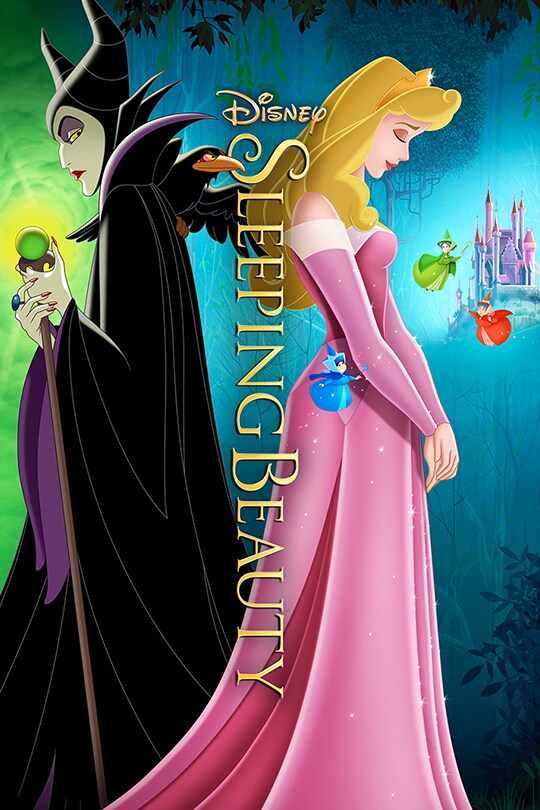
To the casual observer, the question “What movie is Princess Aurora from?” has a simple answer: the 1959 animated classic, Sleeping Beauty. However, from a brand strategy and corporate identity perspective, Princess Aurora represents far more than a single cinematic appearance. She is a cornerstone of one of the most successful brand architectures in history—the Disney Princess franchise.
The story of Princess Aurora is a masterclass in how a legacy character can be leveraged, rebranded, and integrated into a multi-billion-dollar ecosystem. By analyzing the evolution of Aurora’s brand, from her mid-century debut to her modern-day reimagining, we can uncover vital lessons in brand longevity, visual identity, and strategic IP (Intellectual Property) management.
The Origin Story: Branding a Classic for the Mid-Century Era
When Walt Disney began production on Sleeping Beauty, the goal was not merely to tell a fairy tale; it was to create a visual masterpiece that would distinguish the Disney brand from all contemporary competitors. Aurora was designed to be the “ultimate” princess, a culmination of the studio’s artistic prowess.
The Visual Identity of Sleeping Beauty
Unlike the softer, rounded aesthetics of Snow White or Cinderella, Princess Aurora’s visual brand was defined by sharp lines, verticality, and an Art Deco influence. Under the artistic direction of Eyvind Earle, the film adopted a “tapestry” look. This was a deliberate branding choice. Disney wanted to elevate the medium of animation to “fine art” status. Aurora, with her angular features and distinctive golden hair, became the face of this sophisticated brand pivot. For businesses today, this highlights the importance of visual differentiation; Aurora wasn’t just another princess—she was a specific aesthetic statement.
Strategic Alignment with the Disney House Style
At the time of her release, the Disney brand was expanding rapidly into theme parks and television. Princess Aurora was strategically positioned as the “resident” of the Sleeping Beauty Castle at the heart of the newly opened Disneyland. This was a brilliant move in brand immersion. By naming the park’s central landmark after a character whose film hadn’t even been released yet, Disney practiced “pre-emptive branding,” ensuring that by the time the movie premiered in 1959, the audience already felt a physical and emotional connection to the character’s “brand home.”
The Disney Princess Franchise: A Masterclass in Brand Architecture
For decades, Princess Aurora existed as a standalone legacy character. However, in the late 1990s and early 2000s, Disney underwent a massive strategic shift. They realized that their individual female protagonists were more valuable as a collective brand. This led to the creation of the “Disney Princess” franchise, a move that changed the landscape of character marketing forever.
Categorization and Character Archetypes
The “Disney Princess” brand was created by Andy Mooney, who noticed that young fans were creating their own “princess” experiences by mixing products from different films. Disney’s brand strategy team decided to formalize this by grouping Aurora with characters like Belle, Ariel, and Jasmine. Within this brand architecture, Aurora fills the “Graceful/Classic” archetype.
In branding, archetypes help consumers navigate a product line. By categorizing Aurora as the embodiment of traditional elegance, Disney ensured she didn’t compete for the same psychological space as the “Adventurous” Ariel or the “Intellectual” Belle. This segmentation allowed the company to sell the same concept (royalty) through multiple distinct lenses.
Expanding the Narrative Ecosystem
The branding of Princess Aurora didn’t stop with the 1959 film. To keep the brand relevant for new generations, Disney utilized “narrative expansion.” This involved featuring Aurora in direct-to-video sequels, television cameos (such as Sofia the First), and video games like Kingdom Hearts.
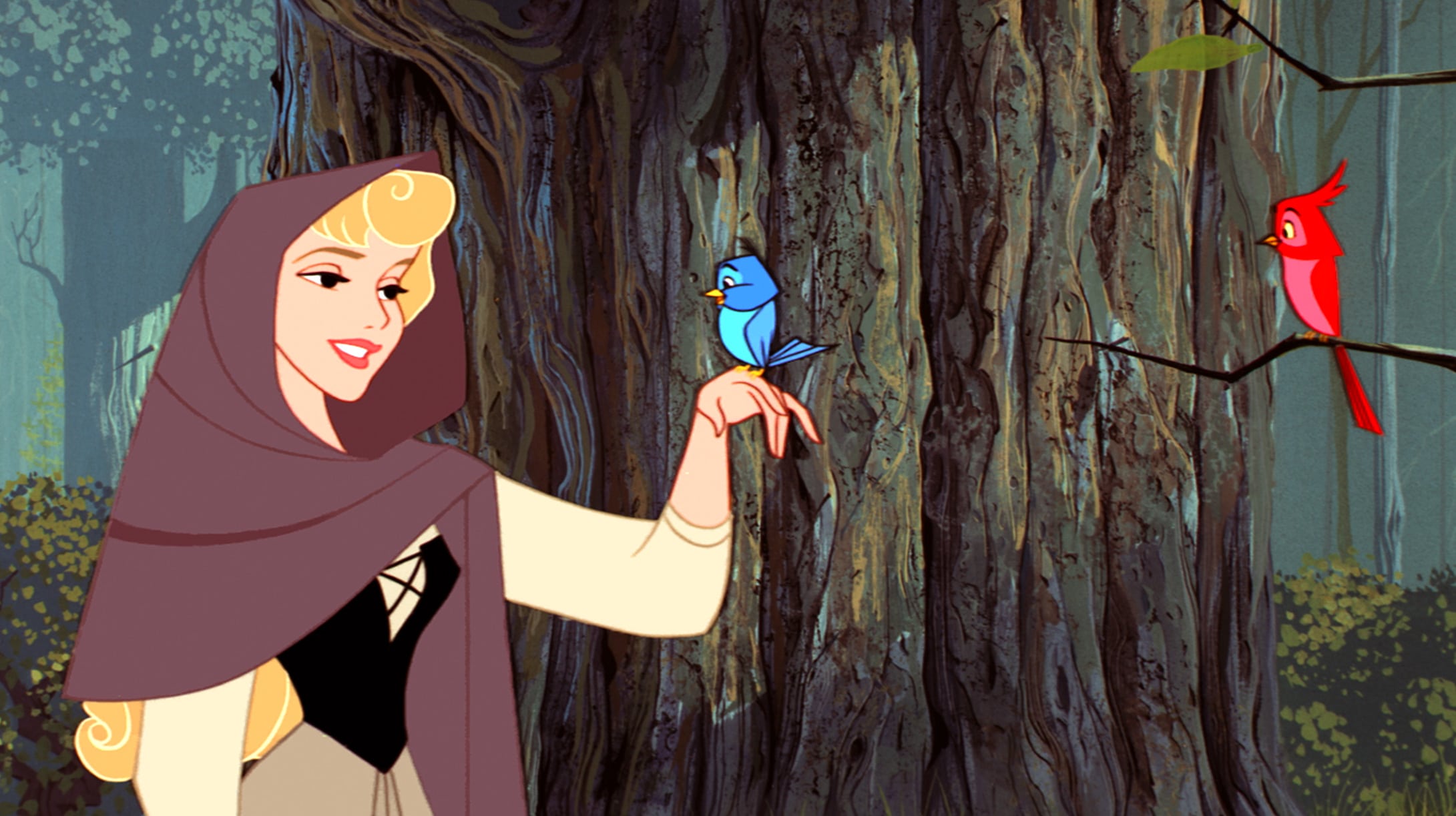
Each appearance serves as a brand “touchpoint,” reinforcing the character’s presence in the market. For corporate brand managers, this serves as a reminder that a product’s lifecycle can be indefinitely extended if it is successfully integrated into a broader, evolving ecosystem.
Rebranding the Villain: The Maleficent Shift and Brand Subversion
One of the most daring moves in the history of the Aurora brand occurred in 2014 with the release of Maleficent. This film was a fundamental shift in brand perspective, focusing on the antagonist rather than the protagonist.
Subverting Expectations to Sustain Interest
By the 2010s, the “passive” princess brand was facing criticism. To protect the longevity of the Sleeping Beauty IP, Disney rebranded the story. In this new iteration, Aurora’s brand was updated to be more curious and empathetic, while the narrative focus shifted to Maleficent. This is a classic example of “brand pivot.” When a legacy brand becomes too predictable, subverting the narrative can re-engage a cynical or bored audience.
Brand Dilution vs. Brand Evolution
Critics often worry that changing a character’s story will lead to brand dilution. However, Disney managed this by maintaining the “core brand assets”: the spinning wheel, the three fairies, and Aurora’s iconic look. By keeping the visual cues consistent while evolving the emotional core of the story, Disney proved that a brand can change its message without losing its identity. This strategy allowed Aurora to remain relevant in a post-feminist market while still honoring the 1959 original.
Cultural Impact and Global Brand Longevity
Today, Princess Aurora is more than a movie character; she is a global lifestyle brand. Her image appears on everything from high-end fashion collaborations to digital apps, proving that a well-managed brand can transcend its original medium.
Licensing and Global Touchpoints
The licensing strategy for Princess Aurora is a pillar of the Disney Consumer Products division. By licensing Aurora’s likeness to diverse industries—luxury jewelry, children’s toys, and even digital cosmetics in gaming—Disney ensures that the “Aurora brand” is present at every stage of a consumer’s life. This is “cradle-to-grave” branding. A child who plays with an Aurora doll may eventually grow up to buy a Swarovski crystal Aurora figurine or stay at the Castle Suite in a Disney park.
Lessons in Heritage Branding
The primary reason people still ask “What movie is Princess Aurora from?” is because the character has become a piece of cultural heritage. Heritage branding is the practice of using a brand’s history to build trust and emotional resonance with consumers.
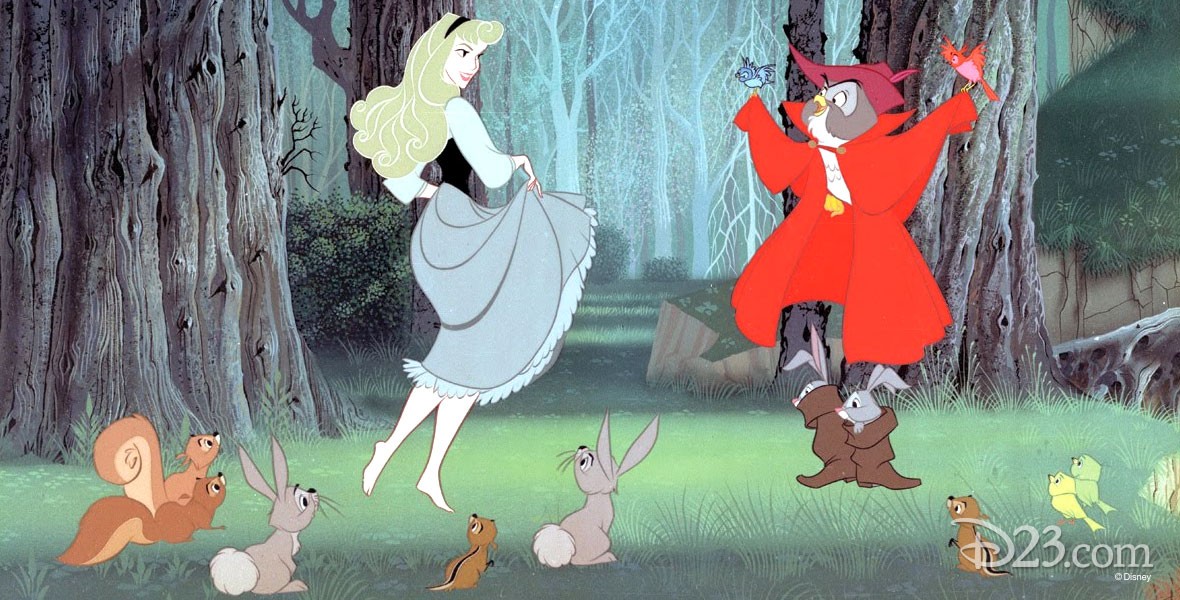
Disney protects Aurora’s brand “purity” through strict style guides. Whether she is appearing in a 2D book or a 3D video game, her proportions, colors, and “brand voice” remain consistent. For any business, the lesson is clear: consistency builds trust, and trust builds a legacy. When a brand is consistent for over 60 years, it stops being a product and starts being a tradition.
Conclusion: The Eternal Sleep and the Eternal Brand
Princess Aurora’s journey from a 1959 animated protagonist to a central figure in a global multi-billion-dollar franchise is a testament to the power of strategic branding. She is not just from “the movie Sleeping Beauty“; she is from a meticulously crafted universe designed to capture hearts and market share across generations.
By focusing on visual identity, participating in a larger brand architecture, pivoting when the market demands change, and maintaining strict consistency through licensing, Disney has turned a “sleeping” character into a wide-awake financial and cultural powerhouse. For brand strategists and marketers, Aurora serves as a reminder that the story you tell is only the beginning—the way you manage, expand, and protect that story is what creates a truly timeless brand.
aViewFromTheCave is a participant in the Amazon Services LLC Associates Program, an affiliate advertising program designed to provide a means for sites to earn advertising fees by advertising and linking to Amazon.com. Amazon, the Amazon logo, AmazonSupply, and the AmazonSupply logo are trademarks of Amazon.com, Inc. or its affiliates. As an Amazon Associate we earn affiliate commissions from qualifying purchases.