
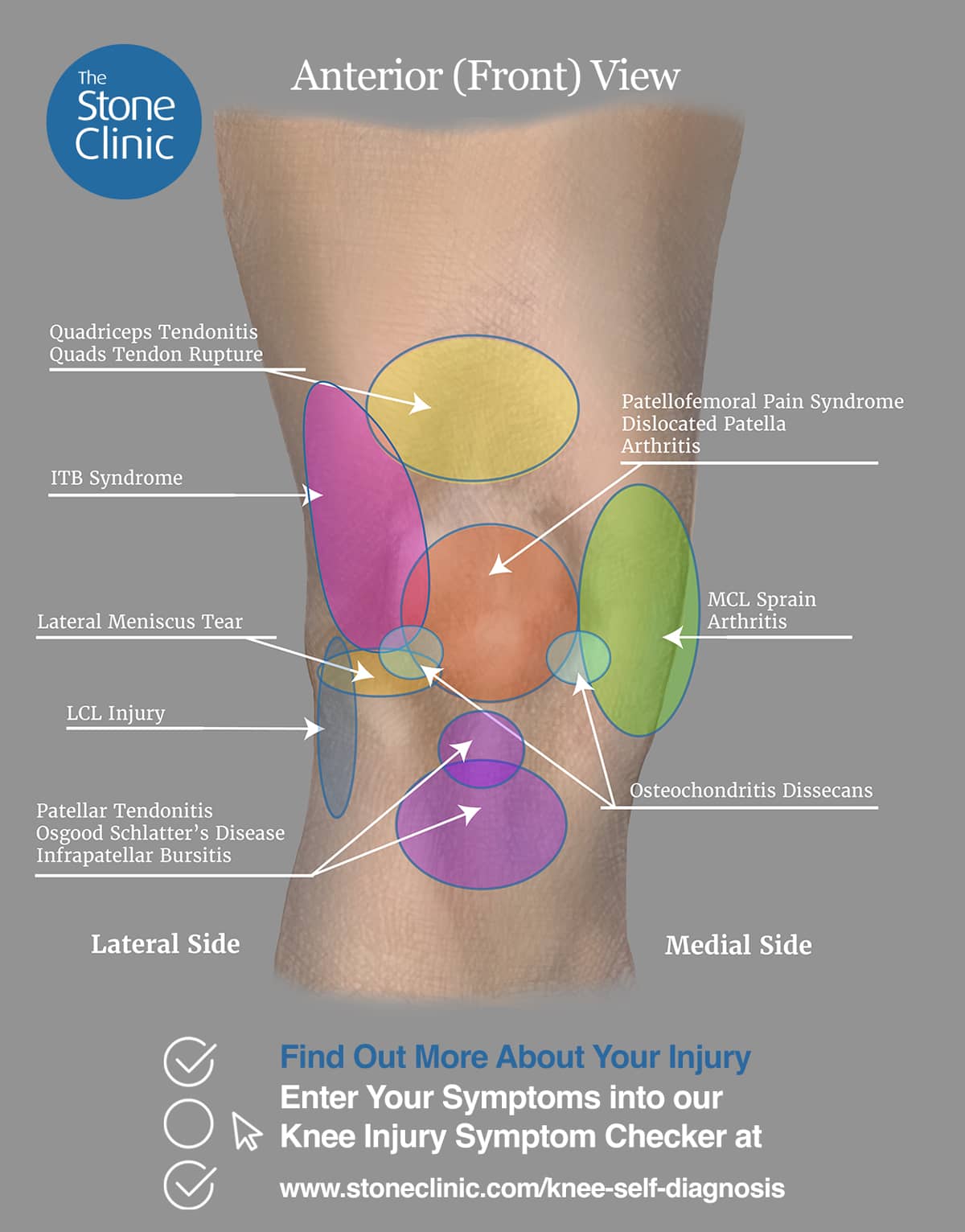
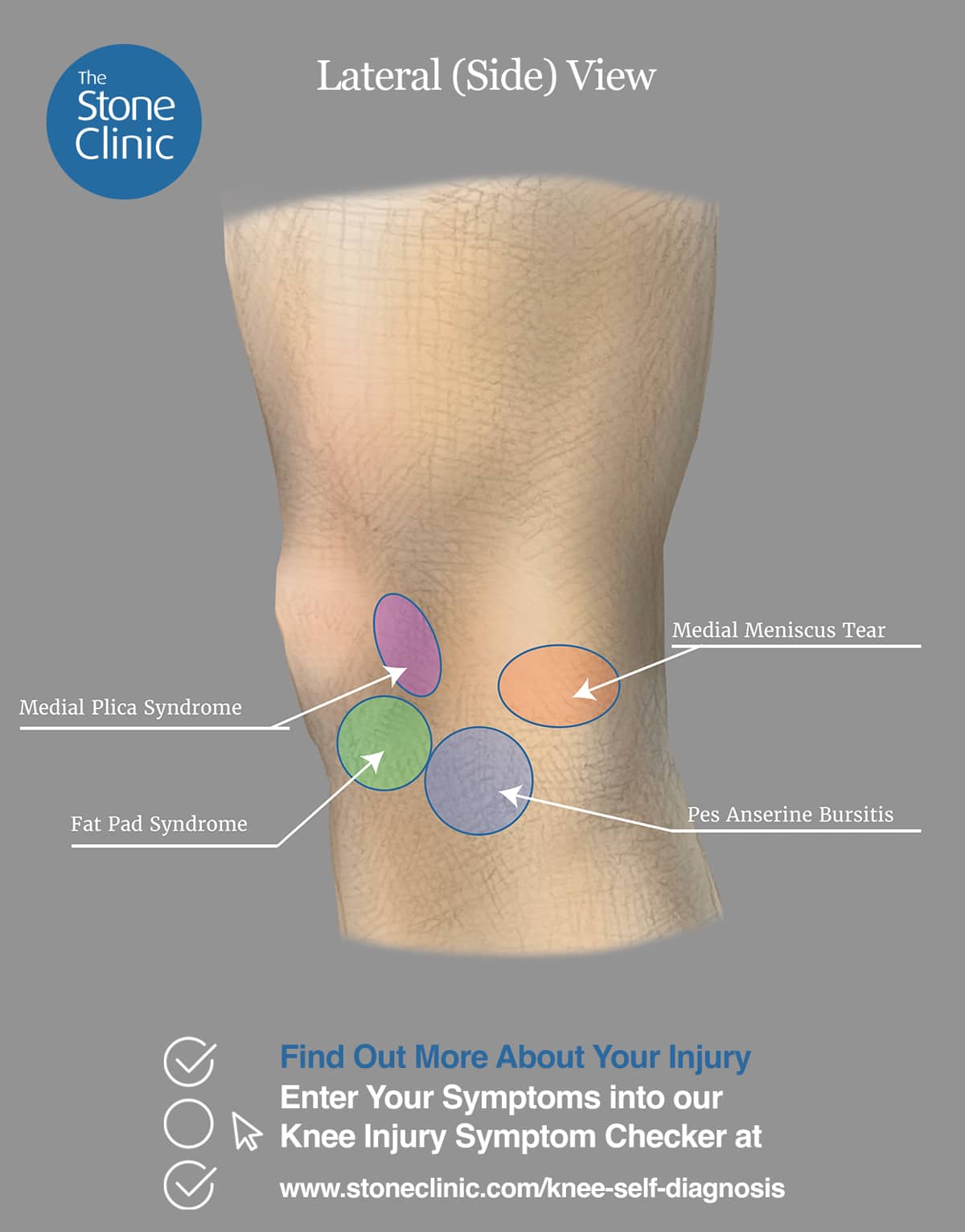
The seemingly simple question, “What is wrong with my knee?”, once led to a protracted journey of specialist visits, physical examinations, and often, invasive diagnostic procedures. Today, thanks to a revolution in technology, the path to understanding and addressing knee discomfort is becoming increasingly sophisticated, data-driven, and personalized. We are moving beyond anecdotal self-assessment and general medical advice towards an era where cutting-edge gadgets, intelligent software, and advanced analytics play a pivotal role in demystifying our musculoskeletal health. This exploration delves into how technology is transforming our ability to diagnose, monitor, treat, and even prevent knee issues, offering unprecedented insights into one of the body’s most complex and vital joints. From the discreet wearables on our wrists to the intricate AI models analyzing medical scans, the answer to “what is wrong with my knee” is now deeply intertwined with the advancements in digital health.
The Rise of Wearable Technology in Proactive Knee Health Management
Wearable technology has transitioned from novelty gadgets to indispensable tools for health monitoring, offering a continuous stream of data that can illuminate subtle changes in our physical well-being, including early indicators of knee issues. These devices empower individuals to take a proactive stance, moving beyond reactive care to preventative strategies informed by personal biometrics and activity patterns.
Smartwatches and Activity Trackers: Beyond Step Counting
Modern smartwatches and activity trackers do far more than just count steps. They integrate sophisticated sensors capable of tracking heart rate, sleep patterns, skin temperature, and even blood oxygen levels, all of which can indirectly impact or reflect musculoskeletal health. While not directly diagnosing knee problems, consistent monitoring of these metrics can help identify changes in activity levels due to pain or discomfort, alterations in gait, or increased inflammation indicators. For instance, a sudden decrease in daily steps or a sustained change in walking asymmetry detected by these devices could signal an emerging knee issue, prompting earlier intervention before the problem escalates into chronic pain or significant injury. The accessibility and continuous nature of this data provide a foundation for understanding an individual’s baseline and deviations from it.
Advanced Biometric Sensors and Gait Analysis
The next generation of wearables incorporates specialized biometric sensors designed to provide more granular data pertinent to joint health. Smart insoles, for example, can analyze pressure distribution across the foot during walking or running, revealing imbalances that could strain the knees over time. Similarly, discreet sensors embedded in clothing or worn as patches can perform sophisticated gait analysis, measuring parameters such as stride length, cadence, ground contact time, and joint angles. Abnormalities in gait are often a direct consequence of knee pain, weakness, or structural issues. By identifying these deviations early, individuals and healthcare providers can pinpoint potential problems before they lead to severe injury or chronic conditions. This level of detail offers a quantitative assessment of movement patterns, far surpassing what subjective observation can achieve.
Predictive Analytics for Injury Prevention
The true power of wearable technology lies in its ability to feed vast amounts of data into predictive analytics models. By collecting continuous data on activity levels, biomechanics, and physiological responses, AI algorithms can learn individual movement patterns and identify risk factors for specific injuries, including various knee conditions. For athletes, this might mean predicting overload or potential ACL tears based on training intensity and biomechanical stress. For the general population, it could involve alerting users to changes in gait that suggest the onset of osteoarthritis or patellofemoral pain syndrome. These predictive capabilities enable personalized recommendations for exercise modifications, rest, or preventative physical therapy, shifting the paradigm from treating injuries to actively preventing them. This proactive approach, powered by real-time data and intelligent algorithms, is revolutionizing how we approach knee health.
AI and Machine Learning: Revolutionizing Diagnosis and Treatment Planning
Artificial Intelligence (AI) and Machine Learning (ML) are rapidly transforming the landscape of medical diagnostics and treatment. When it comes to understanding “what is wrong with my knee,” these technologies are providing unprecedented levels of accuracy, speed, and personalization, moving beyond traditional methods to offer more precise insights and tailored interventions.
AI-Powered Image Analysis for Faster, More Accurate Diagnoses
One of the most impactful applications of AI in knee health is in medical imaging. Radiologists regularly analyze X-rays, MRIs, and CT scans to identify structural damage, inflammation, or degenerative changes in the knee. AI algorithms are now being trained on vast datasets of these images, learning to detect subtle anomalies that might be missed by the human eye or require extensive expert review. AI-powered diagnostic tools can quickly process images, highlight areas of concern, and even provide probabilistic diagnoses, significantly reducing the time to diagnosis and improving accuracy. For conditions like meniscus tears, ligament damage, or early-stage osteoarthritis, AI can offer a consistent and objective second opinion, helping clinicians confirm findings and expedite the diagnostic process. This not only enhances diagnostic precision but also allows medical professionals to focus more on complex cases and patient interaction.
Personalized Treatment Pathways Through Data-Driven Insights
Once a diagnosis is made, determining the most effective treatment plan is crucial. AI and ML are instrumental in creating highly personalized treatment pathways. By analyzing a patient’s medical history, genetic profile, lifestyle data, and the specifics of their knee condition, AI algorithms can predict the likely efficacy of different interventions—from specific types of physical therapy to medication regimens or surgical approaches. This data-driven approach moves away from a one-size-fits-all model, allowing healthcare providers to recommend treatments that are statistically more likely to succeed for an individual patient. For instance, AI might identify that a patient with a particular genetic marker and activity level would respond better to a certain type of conservative therapy for a cartilage injury, while another might benefit more from early surgical intervention. This level of personalization optimizes outcomes and minimizes trial-and-error in treatment.
AI in Rehabilitation: Virtual Coaches and Gamified Therapy
The recovery phase after a knee injury or surgery is often challenging and requires consistent adherence to rehabilitation exercises. AI is now powering virtual rehabilitation coaches and gamified therapy programs designed to make this process more engaging and effective. AI-driven apps can analyze a patient’s movements via smartphone cameras or wearable sensors, providing real-time feedback on exercise form and technique. This ensures exercises are performed correctly, preventing re-injury and maximizing therapeutic benefit. Gamified platforms transform monotonous exercises into interactive challenges, improving patient motivation and adherence. For example, a patient might navigate a virtual obstacle course, with their knee movements controlling an avatar, making therapy feel less like a chore and more like an enjoyable activity. These AI-powered tools extend the reach of physical therapists beyond clinic walls, offering continuous support and personalized progression, significantly enhancing recovery journeys.
Innovative Gadgets and Apps for Support and Recovery
Beyond broad diagnostic and treatment strategies, a burgeoning ecosystem of innovative gadgets and mobile applications is directly addressing the day-to-day challenges of living with and recovering from knee issues. These tools offer immediate support, personalized guidance, and facilitate a more engaged approach to self-management.
Smart Braces and Compression Sleeves
Traditional knee braces and compression sleeves offer static support, but their smart counterparts are ushering in a new era of dynamic assistance. These innovative gadgets incorporate sensors that monitor joint movement, temperature, and even muscle activity. Some smart braces can adjust their level of compression or support in real-time based on the user’s activity, providing stability when needed during strenuous movements and relaxing during periods of rest. Others might integrate biofeedback mechanisms, alerting users to improper gait or excessive strain. For individuals recovering from injury or managing chronic conditions like osteoarthritis, these intelligent supports not only provide physical stability but also offer invaluable data on joint loading and movement patterns, which can be shared with healthcare providers to fine-tune rehabilitation plans and prevent further injury.
Digital Therapeutics and Guided Exercise Apps
The proliferation of digital therapeutics (DTx) and specialized exercise apps has revolutionized how individuals engage with their physical therapy and recovery programs. These applications are often evidence-based, clinically validated software programs designed to prevent, manage, or treat a medical disorder or disease. For knee health, DTx apps can deliver personalized exercise routines, strength training programs, and flexibility drills directly to the user’s smartphone or tablet. Many incorporate video demonstrations, progress tracking, and reminders to ensure adherence. Some even integrate with wearable sensors to monitor performance and provide instant feedback on technique, ensuring exercises are performed safely and effectively. This accessibility means that individuals can continue their rehabilitation journey outside of clinic hours, maintaining consistency and accelerating recovery under the virtual guidance of an expert-designed program.
Telehealth Platforms for Remote Consultation
Telehealth platforms have become an indispensable tool, especially for musculoskeletal issues, offering a convenient and accessible way to consult with medical professionals from the comfort of one’s home. For knee problems, this means patients can have initial consultations, follow-up appointments, and even physical therapy sessions conducted virtually. High-definition video calls allow doctors and physical therapists to visually assess gait, range of motion, and other indicators of knee health. Patients can demonstrate exercises, report on pain levels, and discuss progress without the need for travel. These platforms reduce barriers to care, making it easier for individuals in rural areas or those with limited mobility to access specialized expertise. Furthermore, integrated features often allow for secure sharing of images, previous medical records, and data from personal health trackers, providing a comprehensive view of the patient’s condition for remote diagnosis and ongoing management.
The Future of Knee Care: Robotics, AR/VR, and Regenerative Tech
Looking ahead, the evolution of technology promises even more profound shifts in how we approach knee health. From highly precise surgical interventions to immersive therapeutic experiences and groundbreaking biological solutions, the future of knee care will be characterized by unprecedented levels of precision, personalization, and potential for complete restoration.
Robotic-Assisted Surgery for Precision and Minimally Invasive Procedures
Robotics is already making significant inroads into orthopedic surgery, particularly for knee replacement and ligament repair. Robotic-assisted systems offer surgeons enhanced precision, control, and visualization, leading to more accurate implant positioning and reduced risk of complications. These systems can create a highly detailed 3D model of the patient’s knee, allowing the surgeon to plan the procedure with millimeter accuracy before the first incision. During surgery, the robot guides the surgeon’s instruments within predefined boundaries, ensuring cuts are made precisely and consistently. This enhanced accuracy can lead to better outcomes, faster recovery times, and longer-lasting implants. For patients, it means less pain, smaller incisions, and a quicker return to normal activities, redefining the experience of major knee surgery.
Virtual Reality for Pain Management and Rehabilitation
Virtual Reality (VR) is emerging as a powerful tool in both pain management and rehabilitation for knee conditions. In pain management, VR environments can distract patients from discomfort during painful procedures or chronic pain flare-ups by immersing them in soothing or engaging virtual worlds. This “digital analgesia” offers a non-pharmacological alternative or supplement to traditional pain relief methods. In rehabilitation, VR can transform monotonous exercises into interactive and engaging experiences. Patients can perform therapeutic movements within a virtual environment, with the system tracking their progress and providing real-time feedback. This gamified approach increases motivation and adherence, making recovery more effective. Augmented Reality (AR) further enhances this by overlaying digital information onto the real world, guiding patients through exercises with visual cues superimposed on their actual surroundings, offering a blend of virtual immersion and physical engagement.
The Promise of Regenerative Medicine and Bio-Integrated Devices
The frontier of knee care lies in regenerative medicine and bio-integrated devices, technologies that aim not just to repair but to restore damaged tissues. Advances in stem cell therapy and gene editing hold the potential to regenerate damaged cartilage or meniscus, offering a biological solution to wear and tear. Smart implants are also on the horizon, not merely replacing damaged parts but actively communicating with the body. These bio-integrated devices could release growth factors to stimulate tissue healing, monitor joint loading, or even adapt their properties based on physiological feedback. Imagine a knee implant that encourages bone growth around it or a ligament repair that actively strengthens as the body heals. These cutting-edge technologies promise a future where knee injuries are not just managed but potentially reversed, leading to a complete and lasting return to healthy, pain-free function.
Navigating the Digital Health Landscape: Security and Ethical Considerations
While the technological revolution in knee health offers immense benefits, it also introduces critical considerations regarding data privacy, accuracy, and the balance between digital tools and professional medical expertise. As we embrace these innovations, it’s vital to navigate the digital health landscape responsibly and ethically.
Data Privacy and Cybersecurity in Health Tech
The collection of vast amounts of personal health data by wearables, apps, and telehealth platforms raises significant concerns about privacy and cybersecurity. This data, which often includes sensitive biometric information, activity levels, and medical history, is highly valuable and vulnerable to breaches. Companies developing health tech solutions must adhere to stringent data protection regulations (like HIPAA in the US or GDPR in Europe) and implement robust cybersecurity measures to safeguard patient information. Users, in turn, need to be vigilant about understanding privacy policies, managing app permissions, and using secure networks. The trust placed in these digital tools hinges on the assurance that personal health data will be protected from unauthorized access, misuse, or sale. The potential for discrimination or exploitation based on health data necessitates continuous vigilance and evolving regulatory frameworks.
Ensuring Accuracy and Reliability of Health Apps
The market is flooded with health and wellness apps, but not all are created equal. The effectiveness of digital tools for knee health management—whether for exercise guidance, symptom tracking, or rehabilitation—depends heavily on their scientific validity and reliability. Users need to exercise caution and seek out apps that are evidence-based, developed by medical professionals, and, where applicable, cleared or approved by regulatory bodies (like the FDA for digital therapeutics). Unsubstantiated claims or poorly designed apps can lead to ineffective self-treatment, misinformation, or even exacerbate existing conditions. Healthcare providers also have a role in recommending vetted apps and educating patients on how to discern credible digital health resources from unverified ones, ensuring that the technology used is genuinely beneficial and safe.

The Human Touch: Balancing Tech with Professional Medical Guidance
Perhaps the most crucial ethical consideration is maintaining the indispensable role of the human element in healthcare. While technology provides powerful tools for diagnosis, monitoring, and support, it should augment, not replace, the expertise and empathy of medical professionals. A smart brace can collect data, but a physical therapist interprets it in the context of a patient’s unique needs and provides hands-on care. An AI can suggest a diagnosis, but a doctor confirms it, communicates with the patient, and tailors a treatment plan that considers emotional and social factors. The patient-physician relationship remains paramount. Technology should facilitate better communication, empower patients with information, and make care more efficient and personalized, but the ultimate decision-making, compassionate care, and holistic understanding of a patient’s well-being must always reside with qualified healthcare providers. The future of knee care is a collaborative one, where cutting-edge technology works in harmony with human expertise.
aViewFromTheCave is a participant in the Amazon Services LLC Associates Program, an affiliate advertising program designed to provide a means for sites to earn advertising fees by advertising and linking to Amazon.com. Amazon, the Amazon logo, AmazonSupply, and the AmazonSupply logo are trademarks of Amazon.com, Inc. or its affiliates. As an Amazon Associate we earn affiliate commissions from qualifying purchases.