
Owning a vehicle is a significant personal finance commitment, extending far beyond the initial purchase price. From insurance premiums and fuel costs to maintenance and repairs, a car comes with a myriad of ongoing expenses. Among these, the vehicle license fee stands out as a universal, yet often misunderstood, financial obligation for car owners across most jurisdictions. Far from a mere bureaucratic formality, this fee plays a crucial role in the financial ecosystem of road infrastructure, public services, and regulatory oversight.
In essence, a vehicle license fee—also commonly referred to as a vehicle registration fee, road tax, or annual tab fee—is a mandatory payment to a government authority (typically state, provincial, or local) that grants a vehicle legal permission to operate on public roads. It’s an annual or periodic charge that certifies your vehicle meets certain legal requirements, is properly identified, and contributes to the public good. For many, it’s just another line item in the annual budget, but for the discerning financial planner, understanding its purpose, calculation, and implications is key to sound personal finance management. This article will delve into the intricacies of the vehicle license fee, dissecting its purpose, how it’s calculated, the practicalities of payment, and its broader financial implications for vehicle owners.
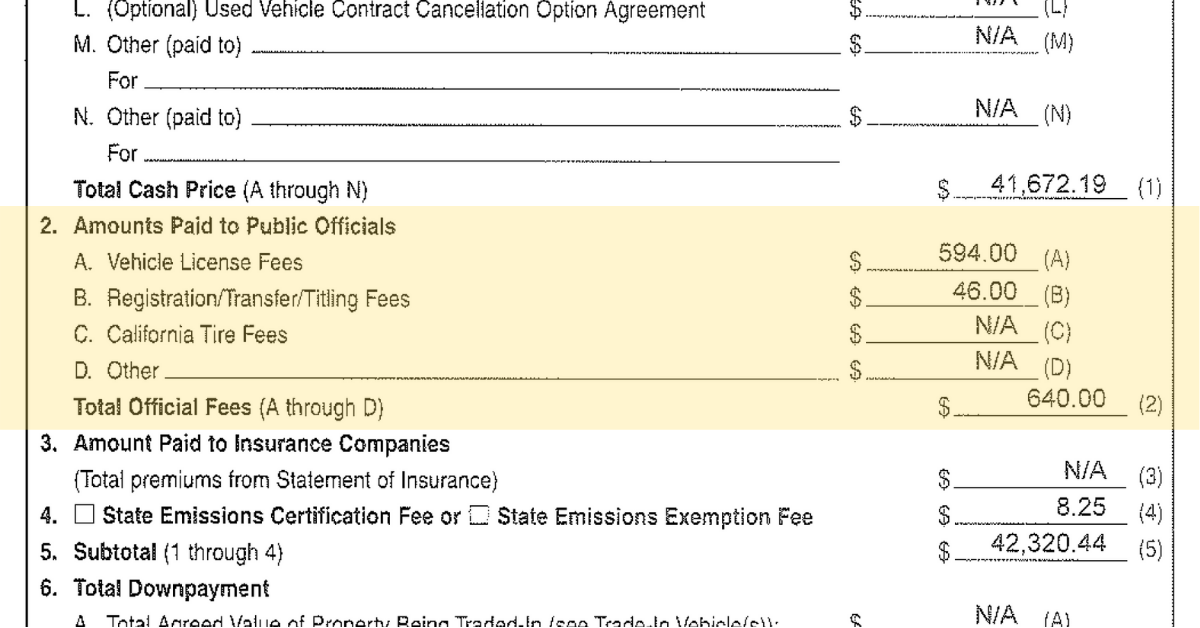
Understanding the Core Purpose of Vehicle License Fees
At its heart, the vehicle license fee serves multiple vital functions, all of which ultimately tie back to the effective management and funding of public resources. Understanding these purposes provides valuable insight into why this expense is a non-negotiable part of vehicle ownership.
Funding Public Infrastructure and Services
One of the primary reasons governments collect vehicle license fees is to generate revenue for the construction, maintenance, and repair of transportation infrastructure. Roads, bridges, highways, and tunnels require continuous investment to ensure they are safe, efficient, and capable of handling traffic volumes. These fees often supplement other funding sources, such as fuel taxes, to create a robust financial backbone for critical infrastructure projects. Beyond roads, these funds can also support broader public services like public safety (police and emergency services), environmental protection, and even public transit initiatives, all of which directly or indirectly benefit from or are impacted by vehicle use. This direct link to infrastructure means that your annual payment contributes to the very pathways you use every day, making it a tangible investment in communal assets.
Ensuring Road Safety and Regulation
Vehicle license fees are also instrumental in maintaining a regulated and safe driving environment. The registration process, which is intrinsically linked to the fee, allows authorities to track vehicles, ensuring they meet safety and emissions standards. It helps prevent unregistered vehicles from operating, which could pose risks due to lack of insurance, theft, or mechanical deficiencies. The fee collection system also facilitates the enforcement of traffic laws and the identification of vehicles involved in accidents or crimes. By requiring regular registration, governments can maintain an up-to-date database of vehicle ownership, which is crucial for law enforcement, emergency services, and general public safety. This regulatory aspect safeguards not only individual drivers but the entire driving populace, fostering a more secure and predictable road network.
Supporting Environmental Initiatives
In an era of increasing environmental consciousness, many jurisdictions have integrated environmental objectives into their vehicle license fee structures. Funds derived from these fees can be earmarked for initiatives aimed at reducing vehicle emissions, promoting cleaner transportation alternatives, or investing in sustainable infrastructure. Furthermore, some fee structures are designed to incentivize the purchase and ownership of more fuel-efficient or electric vehicles, imposing higher fees on older, less efficient, or higher-polluting cars. This mechanism serves as a financial nudge towards greener choices, aligning personal vehicle ownership with broader environmental goals. From supporting charging station infrastructure to funding air quality monitoring, the environmental dimension of license fees reflects a growing societal commitment to sustainability, directly impacting the financial choices of environmentally conscious consumers.
The Mechanics of Calculation: What Determines Your Fee?
The amount you pay for your vehicle license fee is rarely a flat rate. Instead, it’s typically determined by a complex interplay of factors that vary significantly from one jurisdiction to another. Understanding these variables is key to anticipating and budgeting for this annual expense.
Vehicle Type, Weight, and Age
One of the most common factors influencing license fees is the type of vehicle, its weight, and its age. Heavier vehicles, such as large SUVs, trucks, or commercial vehicles, often incur higher fees because they cause more wear and tear on roads and bridges. Similarly, the classification of the vehicle (e.g., passenger car, motorcycle, RV, commercial truck) can impact the fee structure. Some jurisdictions also implement an age-based system, where newer vehicles might have a higher initial fee that gradually decreases as the car ages, assuming depreciation and potentially reduced road usage or impact over time. Conversely, some regions might impose higher fees on older vehicles to encourage their replacement with newer, more efficient models.
Vehicle Value and Sales Price
In many areas, the market value of the vehicle, or its original sales price, plays a significant role in determining the license fee. This approach often treats the license fee as a form of excise tax or ad valorem tax, meaning it’s based on a percentage of the vehicle’s assessed value. For a new car, this might be based on the Manufacturer’s Suggested Retail Price (MSRP) or the actual sale price. For used cars, a depreciated value, often determined by official appraisal guides, will be used. This method means that luxury vehicles or high-end models will typically command substantially higher license fees than economy cars, reflecting the perceived economic value and wealth associated with owning such a vehicle.
Emissions Standards and Fuel Efficiency
Reflecting the environmental objectives discussed earlier, an increasing number of jurisdictions are tying license fees to a vehicle’s emissions rating or fuel efficiency. Vehicles that produce higher levels of pollutants (e.g., CO2, NOx) or have lower miles per gallon (MPG) might face steeper fees. Conversely, hybrid, electric, or highly fuel-efficient vehicles may qualify for reduced fees or even exemptions as an incentive for their adoption. This mechanism directly links the financial burden to a vehicle’s environmental footprint, encouraging consumers to choose cleaner transportation options. It serves as a financial encouragement to embrace sustainability, directly impacting the budgeting decisions of environmentally conscious consumers.
State-Specific Regulations and Local Variances
Perhaps the most significant factor in fee calculation is the specific laws and regulations of your state, province, or even local municipality. There is no single universal formula for vehicle license fees; each jurisdiction devises its own system. Some states might use a flat fee, while others employ a complex matrix combining several of the factors above. Additionally, local taxes or special assessments might be tacked onto the state fee, leading to further variations even within the same state. For instance, some cities might levy an additional registration fee to fund local transit or infrastructure projects. This highlights the importance of checking with your local Department of Motor Vehicles (DMV) or equivalent agency to understand the precise calculation method applicable to your vehicle and location.
The Practicalities of Payment: Registration and Renewal
Beyond understanding what the fee is and how it’s calculated, knowing the practical aspects of payment—including initial registration and subsequent renewals—is crucial for smooth vehicle ownership and financial compliance.
Initial Registration for New and Used Vehicles

When you purchase a new vehicle, the dealership typically handles the initial registration process and collects the necessary fees on your behalf, often rolling them into the total purchase price. For a used vehicle purchased from a private seller, the responsibility usually falls squarely on the buyer. This involves submitting paperwork, proof of ownership (title), proof of insurance, and payment of the license fee (and often sales tax) to the DMV within a specified timeframe after the purchase. Failing to register your vehicle promptly can result in penalties, fines, or even the inability to legally drive the car.
The Annual Renewal Process
For most vehicles, the license fee is an annual recurring expense. Jurisdictions generally send out renewal notices well in advance of the expiration date, detailing the amount due and the deadline. These notices typically arrive by mail or email and provide instructions on how to renew. The renewal process often involves verifying your current address, confirming insurance coverage, and sometimes undergoing a vehicle inspection (e.g., emissions test, safety inspection) before the renewal can be completed. Renewing your vehicle’s registration and paying the associated license fee on time ensures your vehicle remains street-legal and prevents unnecessary complications.
Required Documentation and Payment Methods
To complete either initial registration or annual renewal, you’ll typically need a few key documents. These almost always include proof of ownership (vehicle title), proof of insurance, and personal identification. Depending on your jurisdiction, you might also need a valid emissions certificate, safety inspection report, or proof of residence. Payment methods have become increasingly flexible, with most DMVs accepting online payments via credit/debit card, mail-in checks, or in-person payments. Utilizing online portals is often the most convenient option, saving time and potential queues.
Consequences of Late Payment or Non-Compliance
Ignoring the annual vehicle license fee can lead to significant financial and legal repercussions. Late payments almost universally incur penalties, which can quickly add up. Beyond fines, operating an unregistered vehicle or one with expired tags can lead to traffic citations, further fines, and potentially even the vehicle being impounded. In serious cases, it could affect your driving record or insurance rates. Financially, these additional costs are entirely avoidable with proper planning and adherence to deadlines, emphasizing the importance of treating this fee as a predictable and mandatory part of your annual financial budget.
Broader Financial Implications for Vehicle Owners
Understanding vehicle license fees goes beyond just knowing the cost; it involves integrating this expense into a holistic financial plan for vehicle ownership. For prudent financial managers, these fees are not an isolated cost but a component of a larger financial picture.
Incorporating Fees into Your Vehicle Ownership Budget
Smart financial planning dictates that all recurring expenses associated with vehicle ownership—including the license fee, insurance, fuel, maintenance, and loan payments—be factored into a comprehensive budget. Many people budget monthly for fuel and loan payments, but neglect the annual or bi-annual costs like license fees and insurance premiums. Creating a dedicated savings fund or setting aside a portion of your monthly income for these periodic costs can prevent financial surprises and ensure you’re always prepared. This proactive approach smooths out your cash flow and makes annual renewals a routine administrative task rather than a financial scramble.
Long-Term Financial Planning and Depreciation
The impact of vehicle license fees can also influence long-term financial decisions, particularly regarding vehicle acquisition and replacement. If you live in a jurisdiction where fees are based on vehicle value, purchasing a more expensive car means committing to higher annual fees for its lifespan. This adds to the overall cost of ownership and affects the total depreciation value over time. When considering a new or used car, it’s financially wise to investigate not just the purchase price and immediate taxes, but also the annual license fees specific to that vehicle model and your location. This forward-thinking perspective helps in making an informed decision that aligns with your long-term financial goals.
Potential Savings and Exemptions
While vehicle license fees are mandatory, there might be opportunities for savings or exemptions depending on your circumstances and vehicle type. As mentioned, some jurisdictions offer reduced fees or exemptions for electric vehicles (EVs), plug-in hybrids, or very fuel-efficient cars, as an incentive for environmental responsibility. Certain categories of vehicle owners, such as veterans, individuals with disabilities, or those belonging to specific non-profit organizations, might also qualify for reduced rates or waivers. Additionally, some states offer prorated fees if you sell your vehicle mid-year or move to a different jurisdiction. Proactively researching these potential savings can lead to a reduction in your annual out-of-pocket expenses, further optimizing your personal finance strategy.
Navigating the System: Tips for Vehicle Owners
Successfully managing your vehicle license fee obligations requires a proactive and informed approach. A few simple strategies can save you time, money, and unnecessary stress.
Staying Informed About Local Regulations
The landscape of vehicle fees and regulations is dynamic and subject to change. State legislatures and local councils frequently update laws pertaining to vehicle registration, fees, and emissions standards. It is crucial for vehicle owners to stay informed about these changes. Regularly checking the official website of your state’s Department of Motor Vehicles (DMV), Department of Transportation, or equivalent agency is the best way to keep abreast of any new requirements, fee adjustments, or policy shifts that could impact your financial obligations. Subscribing to official government email alerts or newsletters, if available, can also be a convenient way to receive timely updates.
Utilizing Online Tools and Resources
Most government agencies have invested heavily in online portals and digital services to streamline vehicle registration and renewal. These online tools are invaluable resources for vehicle owners. They often allow you to:
- Calculate estimated fees: Many sites offer a fee calculator where you can input vehicle details (VIN, make, model, year) to get an estimate of your annual license fee.
- Renew registration online: This is by far the most convenient method, allowing you to pay fees and receive updated tags or stickers by mail, often avoiding long lines at physical offices.
- Access forms and documents: Necessary forms for various transactions (e.g., title transfers, address changes) are usually available for download.
- Check renewal status: You can often verify if your renewal has been processed and when your new tags were mailed.
Leveraging these online resources can significantly simplify the process, ensuring accuracy and efficiency in managing your vehicle-related finances.
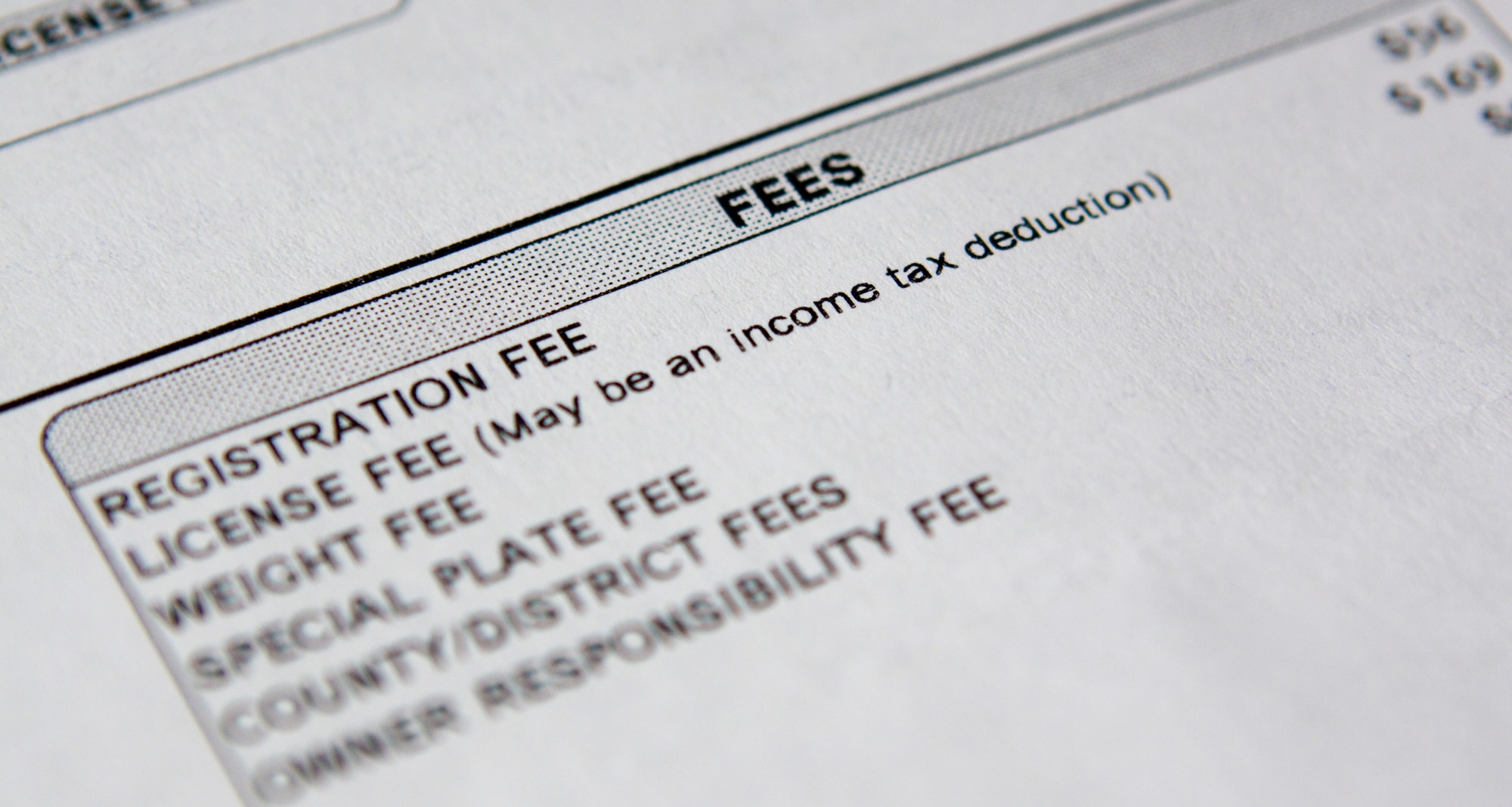
Planning Ahead for Renewal Deadlines
One of the simplest yet most effective tips for managing vehicle license fees is to mark your renewal deadline on your calendar or set up digital reminders. Most jurisdictions send out renewal notices several weeks or even months in advance, providing ample time to gather necessary documents, complete any required inspections, and submit payment. Procrastination can lead to unnecessary stress, last-minute rushes, and potentially costly late fees. By planning ahead and allocating funds in your budget, you can ensure a smooth, timely renewal process, saving both time and money in the long run.
In conclusion, the vehicle license fee, while seemingly a minor annual expense, is a fundamental component of responsible vehicle ownership and sound personal finance. It underpins vital public services, ensures road safety, and increasingly supports environmental initiatives. By understanding its purpose, how it’s calculated, the practicalities of payment, and its broader financial implications, vehicle owners can navigate this obligation with confidence, ensuring compliance while effectively managing their personal finances.
aViewFromTheCave is a participant in the Amazon Services LLC Associates Program, an affiliate advertising program designed to provide a means for sites to earn advertising fees by advertising and linking to Amazon.com. Amazon, the Amazon logo, AmazonSupply, and the AmazonSupply logo are trademarks of Amazon.com, Inc. or its affiliates. As an Amazon Associate we earn affiliate commissions from qualifying purchases.