
In the vast and often homogenized landscape of television, standing out requires more than just a compelling story; it demands a meticulously crafted brand identity. FX’s “Atlanta,” created by and starring Donald Glover, is a masterclass in this very principle. Far from being a mere narrative, “Atlanta” has cultivated a unique and potent brand that transcends its genre, resonates deeply with its audience, and leaves an indelible mark on popular culture. To understand “what TV show Atlanta is about” is not merely to grasp its plot, but to dissect its carefully constructed brand, a blend of artistic vision, cultural commentary, and daring originality. This article will explore how “Atlanta” established its distinctive brand, examining its strategic narrative choices, the influence of its creators, its market positioning, and its enduring cultural impact.

Crafting an Unmistakable Brand Voice: Atlanta’s Narrative and Aesthetic Strategy
Every successful brand possesses a clear, consistent, and recognizable voice. For “Atlanta,” this voice is one of surreal realism, biting social commentary, and an unapologetic embrace of the unconventional. From its inception, the show defied easy categorization, a deliberate brand strategy that immediately set it apart from its contemporaries.
The Art of Ambiguity: Challenging Conventional Storytelling Norms
“Atlanta”‘s brand is built on its willingness to subvert expectations. While ostensibly a comedy-drama centered around Earn Marks (Donald Glover) managing the burgeoning rap career of his cousin Paper Boi (Brian Tyree Henry), the show consistently veers into the absurd, the dreamlike, and the profoundly uncomfortable. Episodes often abandon traditional narrative arcs for standalone vignettes, surreal encounters, or even horror elements, such as the infamous “Teddy Perkins” episode. This narrative ambiguity is not a weakness but a core brand strength. It signals to the audience that “Atlanta” is not a passive viewing experience; it demands active engagement, interpretation, and an open mind. This brand promise of intellectual challenge and unpredictable storytelling fosters a loyal, engaged viewership that appreciates its refusal to conform to predictable television tropes. It’s a brand that doesn’t just entertain, but provokes thought and discussion.
Visual Language and Sonic Signatures: Building an Immersive World
Beyond its narrative structure, “Atlanta”‘s brand identity is deeply embedded in its aesthetic. The show’s visual language is distinct, often employing a muted color palette, deliberate pacing, and long, contemplative shots that evoke a sense of unease or introspection. Cinematography plays a crucial role in establishing the brand’s tone, often using stark contrasts between the mundane and the fantastical, or the beautiful and the bleak. Complementing this visual style is a meticulously curated soundtrack, featuring a mix of contemporary hip-hop, classic tracks, and atmospheric original scores. The music is never mere background noise; it is an active participant in the storytelling, enhancing mood, driving narrative, and reinforcing the show’s connection to the culture it portrays. Together, these visual and sonic elements create an immersive brand experience that is instantly recognizable, whether it’s the specific light of a late Atlanta afternoon or the unsettling silence preceding a bizarre encounter.
Authenticity as a Pillar: Reflecting a Specific Cultural Zeitgeist
A key pillar of “Atlanta”‘s brand is its unwavering commitment to authenticity, particularly in its depiction of Black American life and culture. The show navigates themes of race, class, poverty, systemic injustice, and the pursuit of success in a way that feels raw, nuanced, and deeply personal. It eschews stereotypes for complex characterizations and explores the specificities of life in Atlanta—a city often referred to as “the Black Mecca”—with an insider’s perspective. This authenticity builds trust with its audience, particularly those who identify with its themes and characters. It’s a brand that feels real, unvarnished, and courageous in its portrayal of uncomfortable truths, making it highly resonant and culturally significant. This authenticity is not just about representation; it’s a strategic choice that grounds its surreal elements and amplifies its impact.
The Creators as Brand Architects: Donald Glover’s Vision and Influence
No brand exists in a vacuum; it is shaped by the visionaries behind it. For “Atlanta,” Donald Glover is not just the creator and star, but the primary architect of its brand, leveraging his multifaceted personal brand to forge the show’s unique identity.
Leveraging Personal Brand Equity for Project Success
Donald Glover, known also by his musical moniker Childish Gambino, came to “Atlanta” with a significant personal brand already established. As a successful comedian, actor, writer, and musician, Glover had cultivated a reputation for intelligence, creativity, and a willingness to challenge norms. His previous work, from “Community” to his music albums like “Awaken, My Love!”, showcased an artistic range and a distinctive voice. This pre-existing brand equity provided “Atlanta” with immediate credibility and a built-in audience. Viewers expected something innovative, thought-provoking, and slightly unconventional from Glover, and “Atlanta” delivered precisely that, reinforcing both his personal brand and the show’s. His name became synonymous with the show’s unique quality, attracting critics and audiences eager to see his next artistic endeavor.
Creative Control and Artistic Integrity as Brand Values
A crucial aspect of “Atlanta”‘s brand is its commitment to creative freedom. Glover and his team, including brother Stephen Glover and director Hiro Murai, maintained significant creative control, allowing them to pursue their singular vision without substantial interference. This commitment to artistic integrity became a key brand value, signaling to both industry insiders and the audience that “Atlanta” was not a product of corporate committee but a pure artistic expression. This autonomy is evident in the show’s genre-bending nature, its unpredictable narrative shifts, and its readiness to tackle sensitive subjects with unflinching honesty. Such artistic freedom is a rare commodity in television, and “Atlanta”‘s ability to wield it became a testament to its brand’s strength and the trust placed in its creators.
Cultivating a Cult Following: The Power of Niche Appeal
While critically acclaimed, “Atlanta” has always operated with a certain niche appeal, a conscious choice that has paradoxically strengthened its brand. By not attempting to appeal to the broadest possible demographic, “Atlanta” was able to be unapologetically specific, cultivating a passionate and dedicated “cult” following. These viewers are not just passive consumers; they are advocates, dissecting episodes, discussing theories, and eagerly anticipating each new season. This intensely engaged audience acts as a powerful brand amplifier, generating organic buzz and word-of-mouth marketing that money can’t buy. The show’s complex themes and unconventional structure naturally appeal to an audience segment that values depth and originality, reinforcing its brand as a show for discerning viewers.

Market Positioning and Audience Engagement: Branding in a Crowded Streaming Landscape
In an era saturated with content, strategic market positioning is paramount for any brand to thrive. “Atlanta” carved out its niche through bold differentiation and intelligent audience engagement.
Breaking Through the Noise: Differentiating with Genre-Bending Content
The television landscape is awash with comedies, dramas, and genre shows. “Atlanta”‘s brand strategy was to refuse to be just one of them. By blending comedy, drama, surrealism, social commentary, and even horror elements, the show created a category of its own. This genre-bending approach was a calculated risk that paid off, making “Atlanta” stand out dramatically from its competitors. It wasn’t just another show about rappers; it was an experience. This differentiation was actively marketed, emphasizing its unique voice and the critical praise it garnered for its originality. In a world of endless streaming options, “Atlanta” branded itself as truly unique, making it an essential watch for those seeking something fresh and challenging.
From Niche to Cultural Phenomenon: Strategic Word-of-Mouth and Critical Acclaim
While its initial appeal might have been niche, “Atlanta”‘s critical acclaim and the passionate advocacy of its early adopters propelled its brand into a broader cultural conversation. Reviews consistently lauded its originality, performances, and audacious storytelling. Awards—including multiple Golden Globes and Emmys—provided external validation, further bolstering its brand reputation. These accolades weren’t just trophies; they were powerful marketing tools, reinforcing the show’s status as a premium, artistically significant brand. Coupled with the organic spread through social media and fan discussions, “Atlanta” transcended its initial niche to become a recognized cultural phenomenon, a testament to effective brand building through quality and earned media.
Sustaining Brand Relevance: Evolution Across Seasons
A truly strong brand doesn’t remain static; it evolves while retaining its core identity. “Atlanta” demonstrated this by consistently reinventing itself across its four seasons. Each season, while maintaining the show’s distinct voice and characters, explored new thematic territory, adopted different narrative structures (e.g., season three’s focus on Europe and anthology-style episodes), and pushed artistic boundaries. This continuous evolution kept the brand fresh, preventing stagnation and maintaining audience interest. It signaled that “Atlanta” was a living, breathing artistic entity, always striving for new insights and challenges, rather than resting on its laurels. This dynamic approach to storytelling ensured the brand remained relevant and exciting throughout its run.
The Show as a Cultural Brand: Impact Beyond Entertainment
“Atlanta”‘s brand extends far beyond its narrative and characters; it has become a cultural touchstone, influencing discourse, art, and even fashion.
Sparking Conversations: Social Commentary as a Brand Proposition
At its heart, “Atlanta” is a profound social commentary disguised as entertainment. Its brand proposition includes sparking difficult but necessary conversations about race, identity, class, and the American dream. Whether it’s through the subtle exploration of microaggressions, the explicit depiction of systemic racism, or the nuanced portrayal of mental health, the show consistently challenges viewers to think critically about the world around them. This commitment to social relevance elevates its brand from mere entertainment to a significant cultural force. It’s a brand that doesn’t just show you the world; it encourages you to question and understand it more deeply.
Influencing Pop Culture: Memes, Fashion, and Artistic Inspiration
The impact of “Atlanta”‘s brand can be seen in its pervasive influence on pop culture. Iconic scenes, lines, and characters have spawned countless memes, becoming part of the online lexicon. The show’s distinctive aesthetic, particularly its blend of street style and high fashion, has influenced trends. Moreover, “Atlanta” has inspired a new generation of filmmakers and storytellers, demonstrating that unconventional, authentic narratives can achieve both critical and popular success. Its brand signifies a benchmark for creative freedom and cultural relevance, encouraging other artists to push boundaries and explore unique perspectives.
Awards and Recognition: Validating Brand Excellence
The numerous awards and critical accolades received by “Atlanta” are more than just industry laurels; they are crucial validators of its brand excellence. Emmys, Golden Globes, and Peabody Awards signify a consensus among critics and industry peers that “Atlanta” is a show of exceptional quality and cultural importance. This external validation solidifies its brand as a premium, artistically significant product. For audiences, these awards act as quality markers, attracting new viewers and reinforcing the pride of its existing fanbase. They underscore the brand’s commitment to artistic achievement and its recognition within the highest echelons of television.
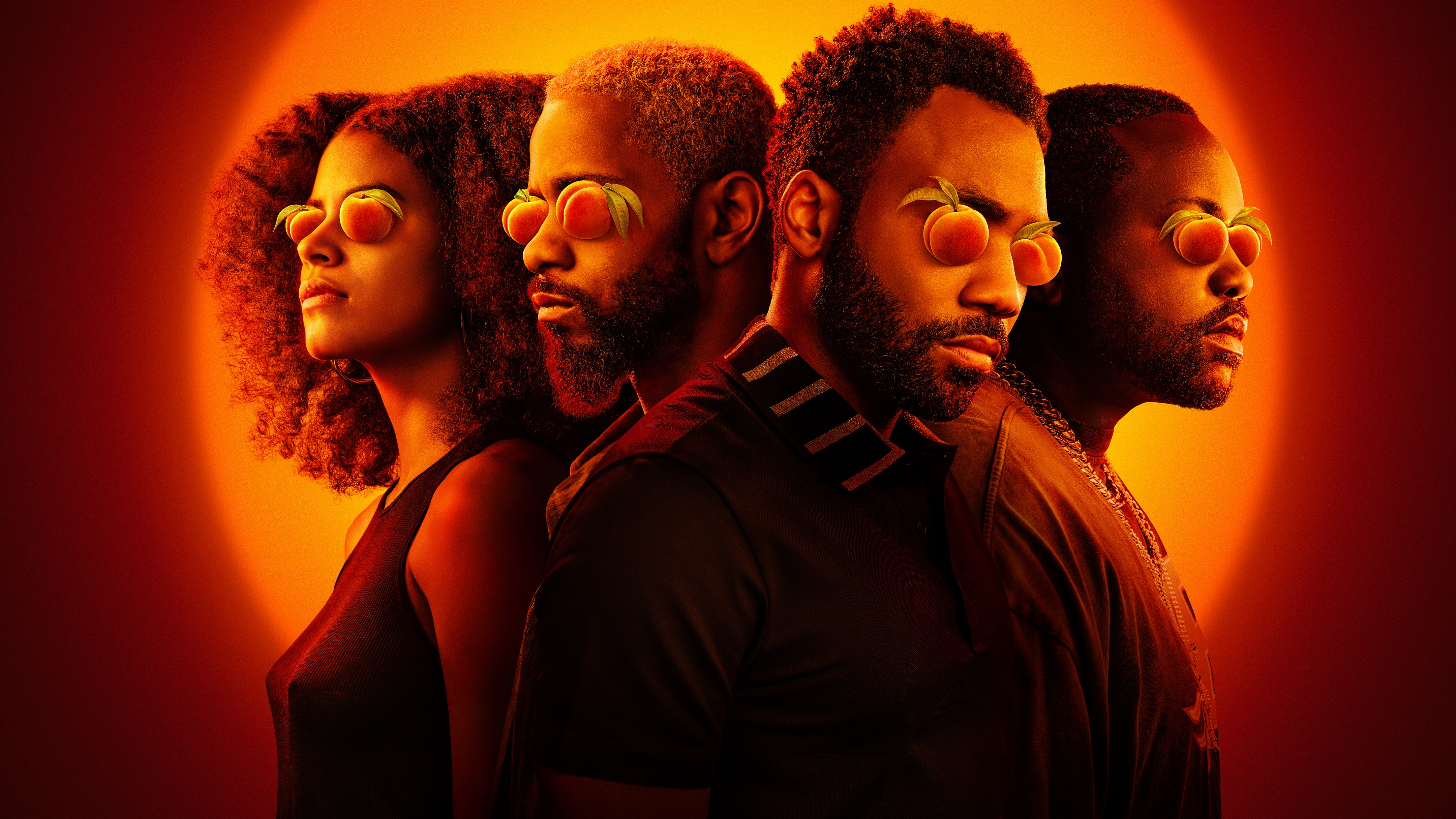
Conclusion: The Enduring Brand Legacy of Atlanta
“What is TV show Atlanta about?” It’s about a group of characters navigating life in Atlanta, yes, but more profoundly, it’s about the construction of a unique, powerful, and indelible brand. Through its audacious narrative, distinctive aesthetic, the unwavering vision of its creators, and its strategic market positioning, “Atlanta” built a brand that defied convention, challenged perceptions, and left an undeniable cultural footprint. It stands as a testament to the power of artistic integrity and creative courage in building a brand that resonates deeply and endures long after the final credits roll. “Atlanta” is not just a show; it’s a phenomenon, a benchmark, and a powerful case study in the art of branding.
aViewFromTheCave is a participant in the Amazon Services LLC Associates Program, an affiliate advertising program designed to provide a means for sites to earn advertising fees by advertising and linking to Amazon.com. Amazon, the Amazon logo, AmazonSupply, and the AmazonSupply logo are trademarks of Amazon.com, Inc. or its affiliates. As an Amazon Associate we earn affiliate commissions from qualifying purchases.