
The phrase “dry socket” often evokes a cringe, particularly for those who have experienced the intense pain following a tooth extraction. Medically known as alveolar osteitis, a dry socket occurs when the blood clot that should form in the extraction site either dissolves prematurely or fails to form at all, exposing the underlying bone and nerves. While the immediate concern for any patient is the excruciating discomfort, the financial ramifications of such a complication can be substantial, transforming a routine dental procedure into a unexpected drain on personal finances.
In the realm of personal finance, unexpected medical expenses are a leading cause of financial stress and debt. A dry socket, though relatively common, is a prime example of how a health issue can quickly escalate into a financial burden. From direct treatment costs to indirect expenses like lost wages and the potential impact on future financial planning, understanding the full monetary scope of a dry socket is crucial for anyone navigating healthcare costs. This article will delve into the financial aspects of a dry socket, offering insights into managing these unexpected expenditures within the broader context of personal and business finance.
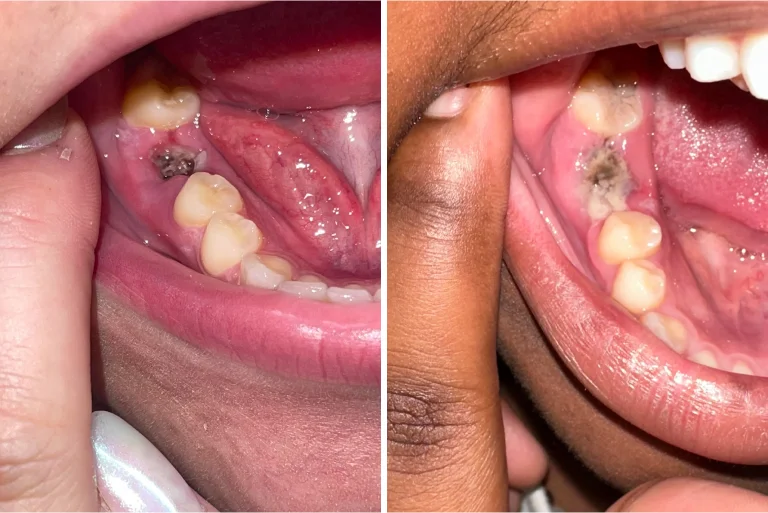
The Unexpected Cost of Post-Extraction Complications
A tooth extraction, whether due to decay, impaction, or trauma, is typically viewed as a definitive solution to a dental problem. However, when complications like a dry socket arise, the initial financial outlay for the extraction can be just the beginning. The subsequent need for additional medical intervention, medication, and time away from work contributes to a financial snowball effect that can surprise many.
Direct Medical Expenses: Consultations, Medications, and Procedures
The most immediate financial impact of a dry socket comes from the direct costs of its treatment. A standard tooth extraction fee typically covers the procedure itself and perhaps a follow-up visit. However, a dry socket necessitates additional appointments, often involving a general dentist or an oral surgeon, to manage the pain and promote healing.
Each follow-up consultation incurs a fee, which can quickly accumulate. Treatment for a dry socket usually involves irrigating the socket, applying medicated dressings, and potentially prescribing stronger pain relievers and antibiotics. The cost of these specialized dressings, which need to be changed regularly, and prescription medications can add up significantly. For instance, strong opioid pain relievers, while effective, can be expensive, and a course of antibiotics, if prescribed to prevent infection, also carries a cost. Patients might require multiple visits over several days or even weeks until the socket begins to heal properly. Each visit is an opportunity for co-pays or direct billing, and if the original extraction was performed by a general dentist, subsequent treatment might require a referral to a specialist, leading to higher specialist fees. For individuals without adequate dental insurance, these costs are borne entirely out-of-pocket, potentially running into hundreds or even thousands of dollars depending on the severity and duration of the condition. This unplanned expenditure can derail carefully constructed personal budgets, forcing individuals to dip into savings, emergency funds, or, in worse cases, accrue debt.
Indirect Costs: Lost Wages and Productivity
Beyond the direct medical bills, a dry socket imposes a significant burden through indirect costs, primarily lost wages and decreased productivity. The intense, throbbing pain associated with a dry socket is often debilitating, making it difficult, if not impossible, to concentrate on work or perform daily tasks effectively. This pain is typically unresponsive to over-the-counter pain medications, necessitating stronger prescriptions that can induce drowsiness and impair cognitive function.
For hourly wage earners or those in physically demanding jobs, taking time off work is often unavoidable. Even salaried employees, while not losing direct pay, may experience a significant drop in productivity, potentially leading to missed deadlines, increased workload upon return, or even jeopardizing performance evaluations. Entrepreneurs and small business owners face an even more direct impact, as every day away from their business translates directly into lost income and potential setbacks for their ventures. The cumulative effect of these missed workdays or reduced output can be substantial, especially if the healing process is prolonged or if the individual requires multiple days off for appointments and recovery. This indirect financial hit often goes uncalculated but can be just as impactful as the direct medical bills, undermining an individual’s financial stability and potentially delaying other financial goals like debt repayment or savings contributions.
The Hidden Burden: Emotional and Mental Health Costs
While not always immediately quantifiable in monetary terms, the emotional and mental health toll of a dry socket can indirectly lead to financial strain. The severe, persistent pain, coupled with the frustration of a prolonged healing process and the disruption to daily life, can contribute to stress, anxiety, and even depression.
These mental health challenges can, in turn, affect an individual’s ability to work, make sound financial decisions, or even manage their personal finances effectively. Chronic pain can lead to increased reliance on pain medication, which carries its own financial and health risks. Furthermore, if the psychological impact is severe enough to warrant therapy or counseling, these services represent another layer of unexpected healthcare costs. The hidden burden extends to the quality of life, impacting social activities, sleep patterns, and overall well-being, all of which have an intrinsic value that, when diminished, can lead to costly coping mechanisms or further health complications down the line. A proactive approach to oral health and preparedness for potential complications is therefore not just about physical well-being, but also about safeguarding one’s mental health and, by extension, financial resilience.
Navigating Dental Insurance and Payment Options
Understanding how dental insurance functions, especially concerning complications like a dry socket, is paramount to managing the financial aftermath effectively. Many patients assume their insurance will cover everything, only to be surprised by out-of-pocket expenses. Proactive engagement with insurance providers and healthcare facilities about costs can mitigate financial shocks.
Understanding Your Dental Coverage for Complications
Dental insurance plans vary widely in their coverage for routine procedures, major work, and, crucially, complications. While most plans cover a percentage of extraction costs, the coverage for subsequent dry socket treatment can be less straightforward. Some plans might categorize dry socket treatment as a separate, albeit necessary, procedure, applying different co-pays, deductibles, or benefit percentages. Other plans might consider it part of the initial extraction “global fee” if treated by the same provider within a specific timeframe, potentially leading to no additional charge.
It is critical for individuals to review their policy documents or contact their insurance provider before undergoing any dental surgery to understand how complications are handled. Key questions to ask include: What is the coverage for follow-up visits related to complications? Are specific medications or dressings covered? Is there a separate deductible or co-pay for post-operative care? For those undergoing oral surgery, confirming whether the procedure is covered under dental or medical insurance can also be a significant factor, as medical insurance often has different deductibles and out-of-pocket maximums. A clear understanding of these details can help in anticipating and budgeting for potential costs, preventing unwelcome surprises when the bills arrive.
Out-of-Pocket Expenses and Payment Plans
Even with dental insurance, out-of-pocket expenses are almost inevitable. Deductibles, co-pays, and services not fully covered by the plan all contribute to the patient’s direct financial responsibility. For dry socket treatment, these can include the full cost of certain medications, specialized dressings, or additional specialist fees if the initial provider does not handle the complication.
When faced with significant out-of-pocket costs, patients should explore payment options offered by their dental provider. Many dental offices understand the financial strain of unexpected medical issues and offer flexible payment plans, allowing patients to pay off their balance in installments. This can be a much more manageable option than a lump sum payment. Additionally, financing options like CareCredit or other medical credit cards can provide a way to cover immediate costs, though careful consideration of interest rates and repayment terms is essential. For individuals without insurance or those facing extremely high costs, negotiating directly with the dental office for a discounted cash rate might also be an option. Proactive communication about financial concerns can often lead to workable solutions, preventing medical debt from accumulating unnecessarily.
The Value of Emergency Funds for Health Crises
The financial unpredictability of health complications like a dry socket underscores the critical importance of an emergency fund. An emergency fund, typically three to six months’ worth of living expenses saved in an easily accessible account, is designed to cover unexpected financial crises, including medical emergencies.
For individuals who have meticulously built an emergency fund, an unexpected dry socket, while painful, becomes less of a financial catastrophe. They can cover direct medical expenses, medication costs, and offset lost wages without derailing their budget or accumulating debt. This financial safety net provides not just monetary security but also significant peace of mind, allowing patients to focus on recovery rather than financial stress. For those without an emergency fund, a dry socket can quickly expose financial vulnerabilities, forcing them to rely on credit cards, loans, or other high-interest debt, which can take months or even years to repay. The experience of managing a dry socket often serves as a stark reminder or a powerful motivator for individuals to prioritize building and maintaining a robust emergency fund as a cornerstone of their personal financial strategy, ensuring readiness for a wide array of unforeseen life events, including health-related setbacks.
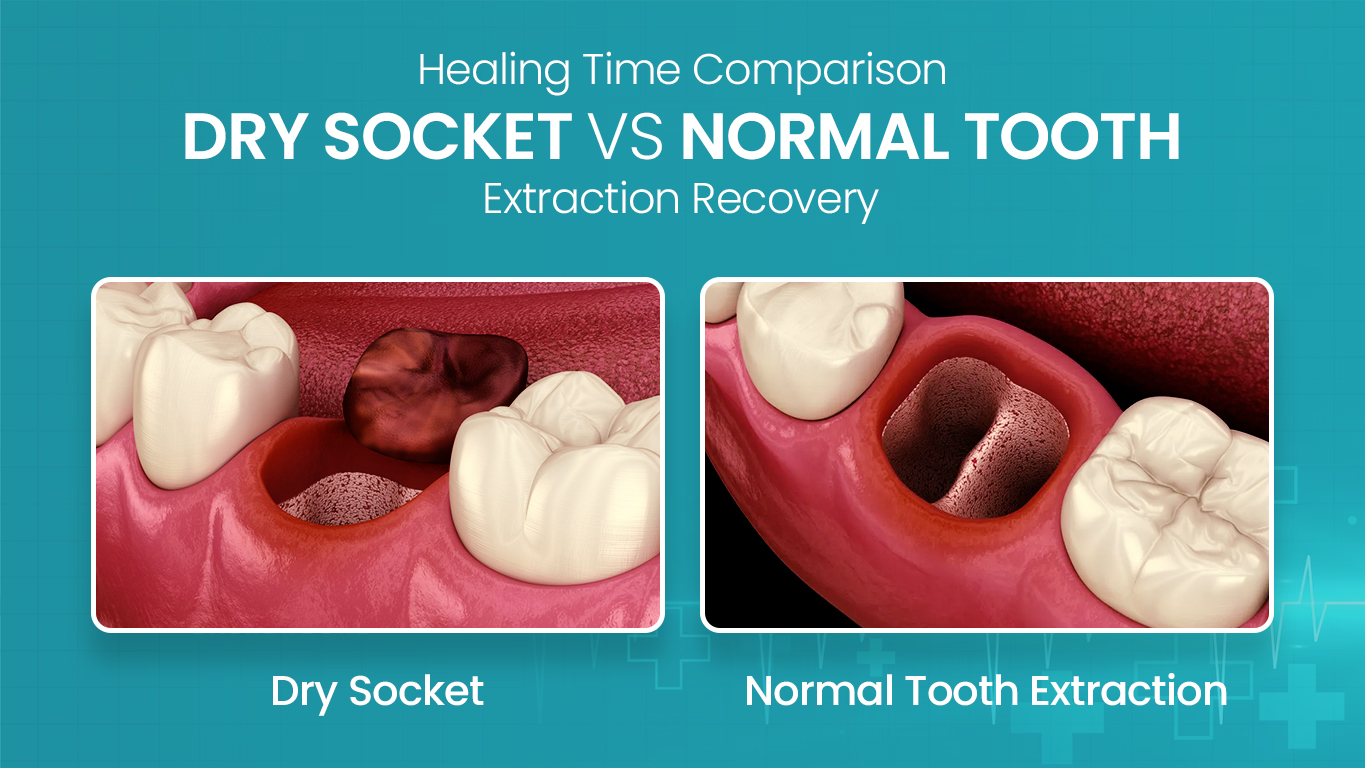
Prevention as a Financial Strategy: Investing in Post-Operative Care
In personal finance, proactive planning and prevention are often the most cost-effective strategies. This principle holds true for oral health, particularly in preventing complications like a dry socket. Adhering to post-operative instructions isn’t just about faster healing; it’s a direct investment in avoiding significant financial outlays down the line.
Adhering to Aftercare Instructions: A Cost-Saving Measure
After a tooth extraction, your dentist or oral surgeon provides specific aftercare instructions designed to facilitate healing and prevent complications. These instructions typically include advice on diet (soft foods), oral hygiene (gentle rinsing, no vigorous spitting), activity restrictions (avoiding strenuous exercise), and refraining from smoking or using straws. While these guidelines might seem restrictive, adhering to them meticulously is one of the most effective, and financially prudent, ways to prevent a dry socket.
Ignoring these instructions – for instance, dislodging the blood clot by vigorous rinsing, drinking through a straw, or the negative pressure created by smoking – directly increases the risk of developing a dry socket. The few days of inconvenience in following aftercare instructions pale in comparison to the financial and physical ordeal of treating a dry socket. By diligently following these guidelines, patients can save themselves from additional consultation fees, medication costs, potential lost wages, and the emotional distress associated with prolonged pain and recovery. It’s a classic example of an ounce of prevention being worth a pound of cure, where the “cure” in this case is not only painful but also financially burdensome.
The Price of Negligence: When Prevention Fails
When aftercare instructions are not followed, and a dry socket develops, the “price of negligence” becomes acutely clear. What could have been a relatively straightforward recovery with minimal additional cost transforms into a costly and prolonged ordeal. The decision to ignore medical advice, perhaps driven by impatience or a misunderstanding of the risks, directly translates into a measurable financial cost.
This cost isn’t just limited to the immediate treatment of the dry socket. The extended recovery period can impact work schedules, potentially affecting bonuses or promotion opportunities. The mental toll of dealing with severe pain and an extended recovery can also lead to decreased overall productivity and an inability to focus on financial planning or income-generating activities. From a financial perspective, viewing post-operative instructions as an investment in future health and financial stability encourages a mindset of responsible self-care. The alternative is a series of reactive expenses that chip away at savings, create debt, and add unnecessary stress to an already complex financial landscape.
Long-Term Financial Planning for Oral Health
Beyond preventing immediate complications like a dry socket, taking a long-term approach to oral health significantly impacts one’s overall financial well-being. Regular dental check-ups and preventative care, such as cleanings and routine screenings, are proactive investments that can prevent more serious, and far more expensive, problems down the line.
For example, addressing cavities early is significantly cheaper than requiring a root canal or an extraction later. Similarly, maintaining good oral hygiene can prevent gum disease, which has been linked to systemic health issues that incur substantial medical costs. Integrating dental health into a holistic personal finance plan means allocating funds for regular dental care, researching comprehensive dental insurance options, and even budgeting for potential major procedures. This foresight minimizes the chances of unexpected dental crises leading to financial distress. Just as one plans for retirement or education, planning for ongoing oral health is an essential component of a robust financial strategy, safeguarding not only teeth but also the financial foundation against the high cost of neglect and unforeseen complications.
Mitigating Risk: How to Protect Your Wallet and Your Health
In the face of potential dental complications like a dry socket, risk mitigation becomes a crucial strategy, extending beyond clinical care to financial preparedness. By making informed choices about dental providers, insurance, and personal finance habits, individuals can build a stronger defense against unexpected health-related financial setbacks.
Choosing the Right Dental Provider and Insurance Plan
The choice of dental provider plays a significant role in mitigating the risk of complications and managing their financial impact. Reputable, experienced dentists and oral surgeons are more likely to perform extractions with precision, provide thorough post-operative instructions, and offer clear communication regarding potential complications and their treatment. While it might be tempting to opt for the cheapest option, the potential cost savings could be offset, or even overshadowed, by the expenses incurred from complications. Researching reviews, credentials, and experience is a wise investment of time.
Equally important is selecting the right dental insurance plan. A robust plan with good coverage for both routine and major procedures, including post-operative care and complications, can significantly reduce out-of-pocket expenses. This involves carefully comparing different plans, understanding their deductibles, annual maximums, and coverage percentages. For individuals facing complex dental work, considering plans that integrate with or complement medical insurance might also be beneficial, especially if a surgical procedure could involve both dental and medical aspects of care. Investing in a comprehensive plan is a financial safeguard against the high costs of unforeseen dental emergencies.
The Role of Informed Decision-Making in Healthcare Spending
Informed decision-making is critical when navigating healthcare spending. Before any dental procedure, patients should engage in open discussions with their dental provider about the procedure itself, potential risks (like dry socket), and the expected costs, including any potential charges for complications. Requesting a detailed treatment plan with itemized costs and discussing payment options upfront can prevent financial surprises.
Understanding the typical recovery process and the signs of complications allows patients to seek timely intervention, which can prevent minor issues from escalating into more severe, and costly, problems. This proactive approach to understanding one’s health and financial responsibilities empowers individuals to make choices that align with both their health goals and their financial capacity. It moves patients from a reactive position of dealing with unexpected bills to a proactive stance of managing their healthcare expenses strategically.
Building a Financial Safety Net for Unexpected Medical Needs
Ultimately, the most effective way to protect your wallet from the unforeseen costs of conditions like a dry socket is to build a comprehensive financial safety net. This includes not just an emergency fund, as previously discussed, but also a broader financial plan that accounts for health-related expenses.
Consider setting up a Health Savings Account (HSA) or Flexible Spending Account (FSA) if eligible. These tax-advantaged accounts allow individuals to save and pay for qualified medical expenses with pre-tax dollars, providing a significant financial advantage. HSAs, in particular, offer the added benefit of being investment accounts that roll over year to year, providing a long-term savings vehicle for future healthcare costs. Beyond specific accounts, incorporating health costs into a regular budget, even if it’s a small monthly allocation for “miscellaneous medical,” can soften the blow of unexpected expenses. By consistently preparing for the financial aspects of health, individuals can transform the potential crisis of a dry socket into a manageable setback, ensuring their overall financial health remains robust.
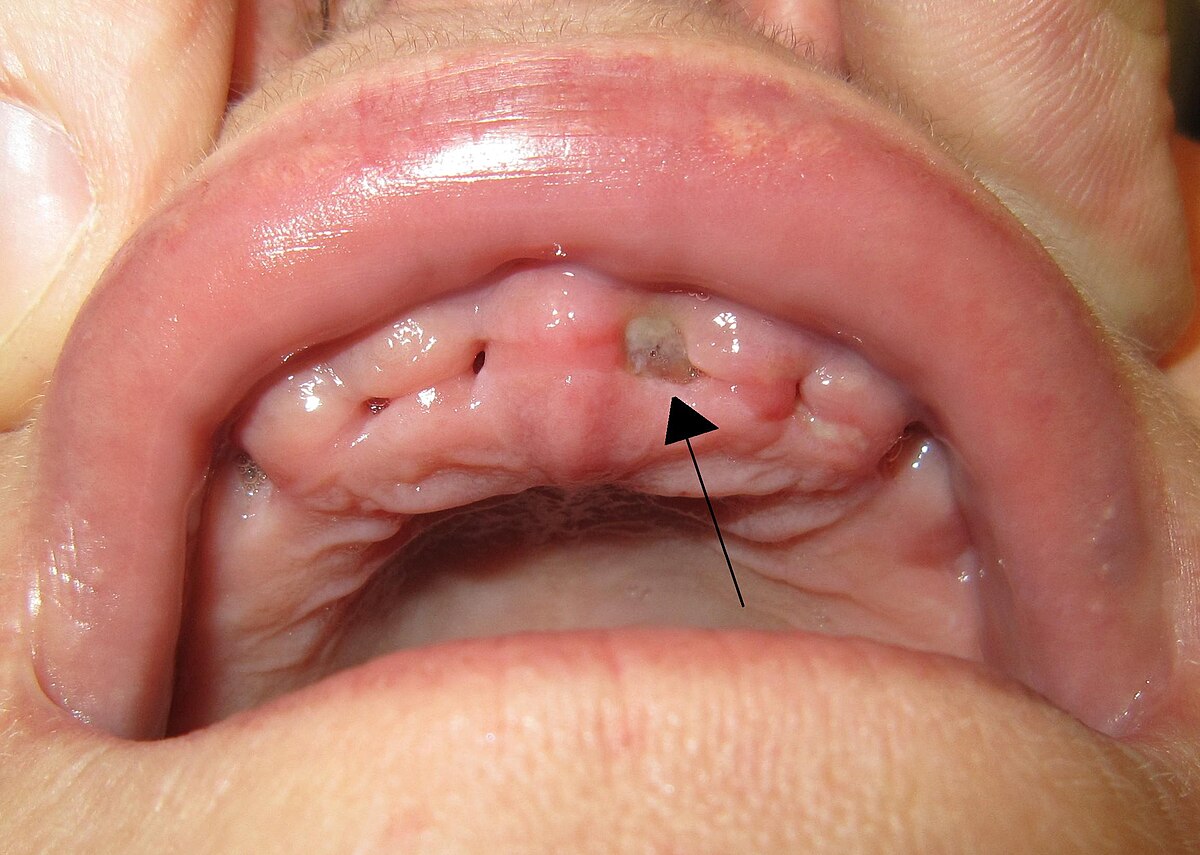
Conclusion
A tooth dry socket, while primarily a painful medical condition, carries profound financial implications that can impact an individual’s budget, productivity, and long-term financial stability. From the direct costs of multiple consultations, specialized dressings, and prescription medications to the indirect costs of lost wages and the hidden burden on mental health, the financial ripple effect of a dry socket is significant.
However, by adopting a proactive and informed financial approach to oral health, individuals can mitigate these risks. This includes understanding the nuances of dental insurance coverage for complications, exploring available payment options, and, most crucially, building a robust emergency fund. Furthermore, viewing post-operative care as a critical financial strategy, alongside making informed choices about dental providers and long-term oral health planning, empowers individuals to protect both their physical well-being and their financial health. In the complex landscape of personal finance, being prepared for medical contingencies like a dry socket is not just about managing pain; it’s about safeguarding financial resilience and ensuring peace of mind.
aViewFromTheCave is a participant in the Amazon Services LLC Associates Program, an affiliate advertising program designed to provide a means for sites to earn advertising fees by advertising and linking to Amazon.com. Amazon, the Amazon logo, AmazonSupply, and the AmazonSupply logo are trademarks of Amazon.com, Inc. or its affiliates. As an Amazon Associate we earn affiliate commissions from qualifying purchases.