
Tomato concentrate, at its core, is a versatile, semi-liquid product derived from ripe tomatoes through a process that removes most of their water content. It’s essentially tomatoes in their most intensified, flavor-packed form, offering a vibrant red color and a rich, umami taste that forms the backbone of countless culinary creations worldwide. Far from being a mere commodity, the quality, consistency, and strategic application of tomato concentrate are pivotal elements in the brand identity and market success of food manufacturers globally. Understanding what tomato concentrate is, therefore, is not just about its physical properties, but about its profound impact on brand integrity, consumer perception, and product differentiation.

The Foundation: Deconstructing Tomato Concentrate
To appreciate its significance in branding, we must first grasp the fundamentals of what tomato concentrate entails – from its definition to the rigorous processes that ensure its quality. This understanding forms the bedrock upon which successful food brands are built.
Definition and Manufacturing Process
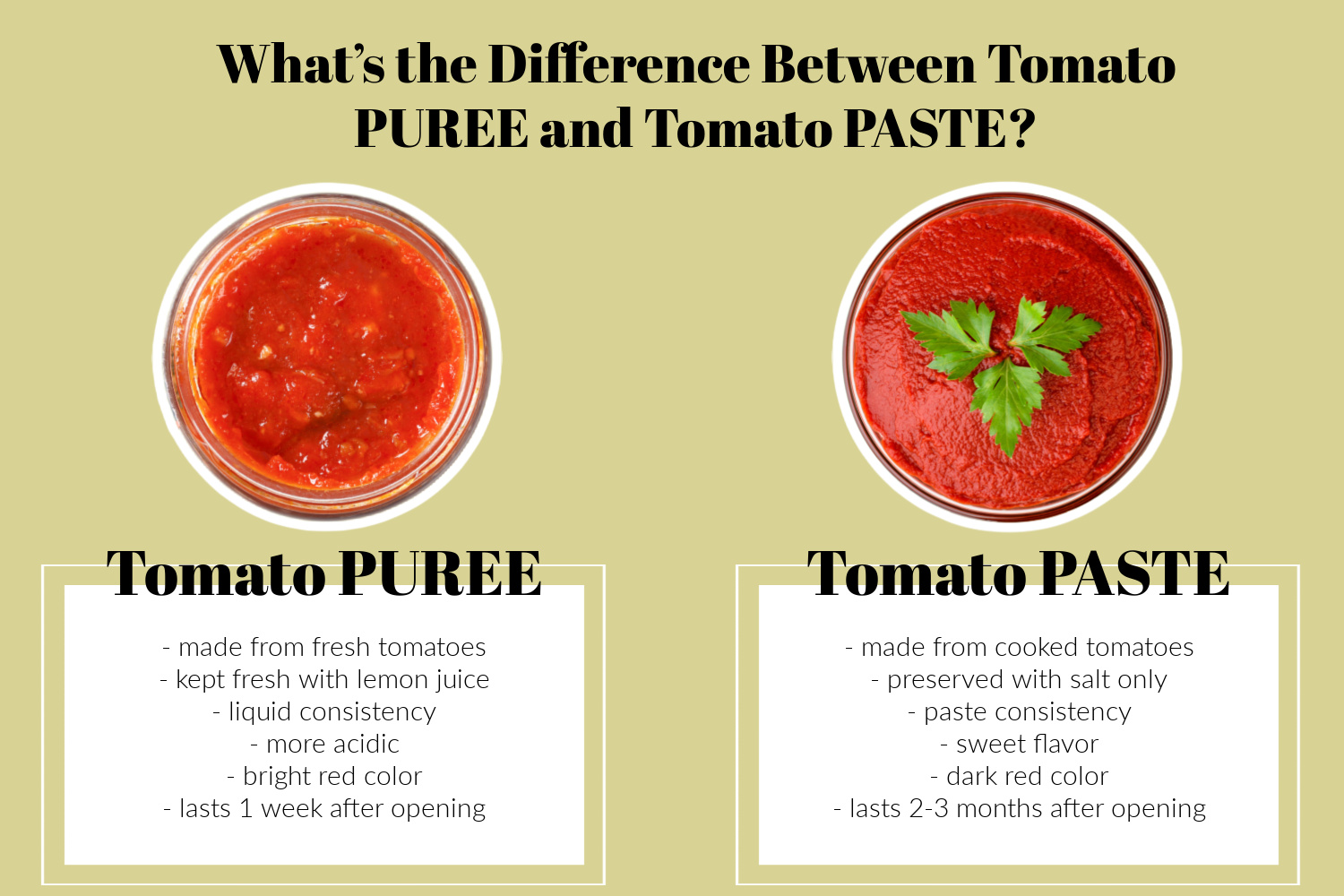
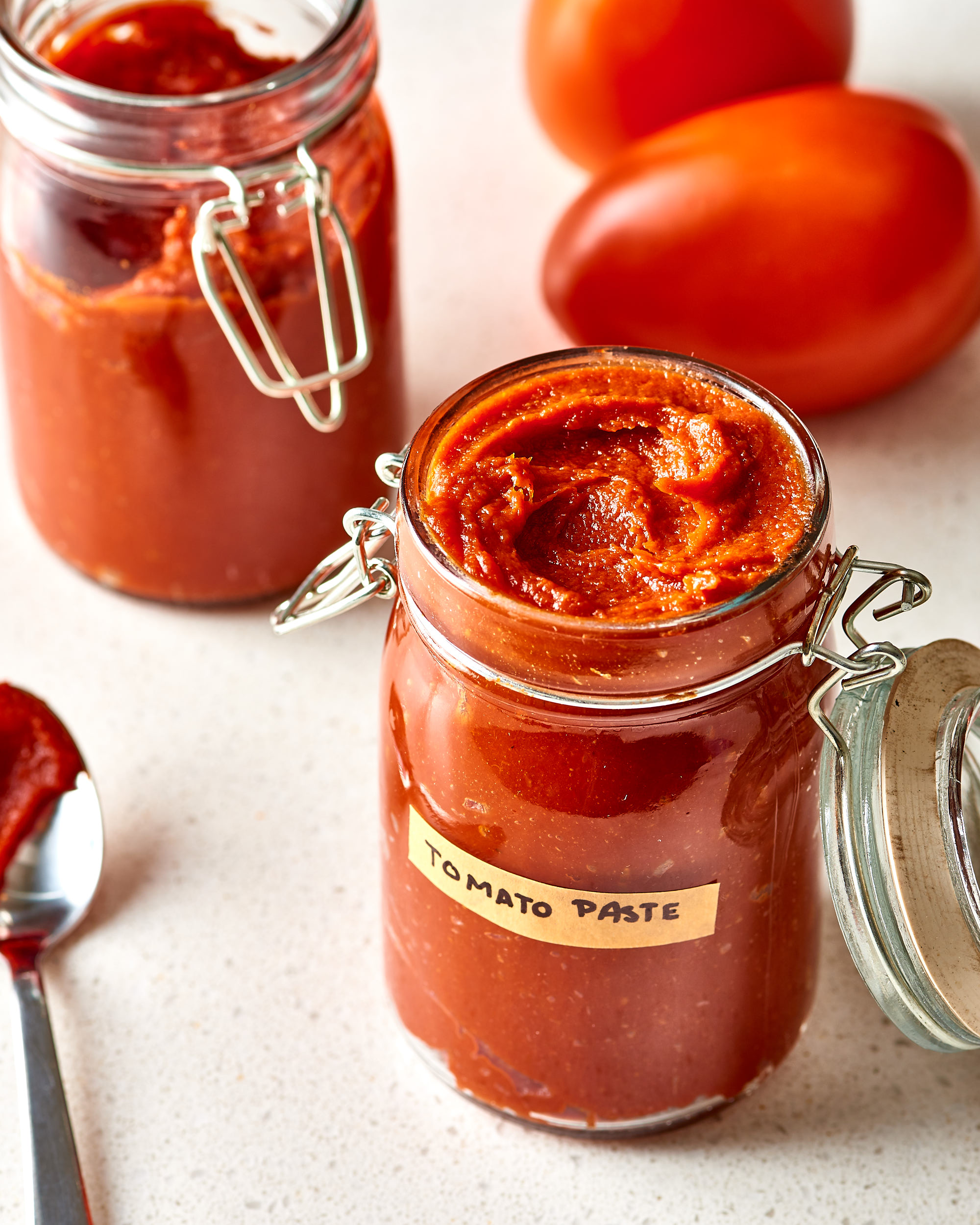
Tomato concentrate is typically produced by crushing fresh, ripe tomatoes, then sieving the pulp to remove skins and seeds. The resulting tomato juice is then evaporated under vacuum at low temperatures to remove a significant portion of its water content, leaving behind a thick, concentrated paste. This process not only extends the shelf life of tomatoes but also intensifies their natural sugars, acids, and vibrant red pigment (lycopene), making it a potent flavor enhancer and coloring agent.
The degree of concentration is measured by Brix value, which indicates the percentage of soluble solids (primarily sugars). Common concentrates range from single strength (unconcentrated juice) to 28-30 Brix (a standard concentrate) and even higher for paste. For brands, the specified Brix level is a critical factor, as it directly impacts the cost-effectiveness of their formulations and the consistency of their final product. A brand relying on a 28-30 Brix concentrate expects a specific flavor intensity and texture, and any deviation can compromise their product’s integrity and, by extension, their brand promise.
Varieties and Quality Metrics
Just as fresh tomatoes come in numerous varieties, so too does the concentrate derived from them. The choice of tomato variety impacts the concentrate’s color, acidity, and overall flavor profile. Brands might specify concentrates made from Roma tomatoes for their rich color and balanced acidity, or other heirloom varieties for a more distinct flavor.
Beyond Brix, several other quality metrics are crucial for brands. “Color” is paramount, often measured by the A/B ratio (ratio of red to yellow), as it directly influences the visual appeal of finished products like ketchups, sauces, and soups. “pH” levels dictate acidity and shelf stability, while “Howard Mold Count” ensures microbiological purity, reflecting the quality control standards of the concentrate producer. “Viscosity,” or thickness, is another key specification, affecting the mouthfeel of branded products. For food brands, meticulously specifying these parameters is not just about quality control; it’s about safeguarding their unique recipe, ensuring a consistent consumer experience, and upholding their brand’s reputation for excellence. A premium pasta sauce brand, for instance, cannot afford variations in the color or texture of its base ingredient without risking consumer dissatisfaction and damage to its carefully cultivated image.
Strategic Imperatives: Tomato Concentrate in Brand Building
In the highly competitive food industry, every ingredient contributes to a brand’s narrative. Tomato concentrate, often an unsung hero, plays a surprisingly strategic role in establishing product consistency, building trust, and fostering differentiation.
Consistency, Flavor, and Product Integrity as Brand Pillars
For any food brand, consistency is paramount. Consumers expect their favorite jar of pasta sauce or bottle of ketchup to taste, look, and feel the same every single time. Tomato concentrate is a linchpin in achieving this consistency. By providing a stable base with controlled Brix, acidity, and color, it allows brands to standardize their recipes, ensuring that seasonal variations in fresh tomatoes don’t translate into inconsistent end products. This unwavering consistency builds immense brand trust and loyalty. When a brand consistently delivers on its flavor promise, it reinforces its identity as reliable and high-quality, creating a strong foundation for repeat purchases. The intense umami of high-quality concentrate also significantly enhances the flavor depth of a product, elevating a simple sauce to a gourmet experience and distinguishing it from lesser competitors. This superior taste profile becomes a critical part of the brand’s unique selling proposition.
Supply Chain Transparency and Brand Trust
In an era of increasing consumer awareness, supply chain transparency is no longer a niche request but a mainstream expectation. Brands are increasingly scrutinized for the origin and ethical sourcing of their ingredients. For tomato concentrate, this means understanding the journey from farm to factory. Brands that can demonstrate a clear, ethical, and sustainable supply chain for their concentrate gain a significant competitive advantage. This might involve partnerships with growers, adherence to fair labor practices, and environmentally friendly cultivation methods.
Communicating these efforts builds profound brand trust. A brand that proudly states its tomatoes are sourced from specific regions, grown sustainably, or processed with minimal environmental impact, resonates deeply with conscious consumers. This transparency not only satisfies ethical concerns but also reinforces the brand’s commitment to quality and responsibility, cultivating a positive corporate identity that extends beyond the product itself.
Custom Formulations for Brand Differentiation
While standard tomato concentrates serve many purposes, leading brands often seek custom formulations to truly differentiate their products. This could involve requesting concentrates made from specific heirloom tomato varieties, or concentrates with a particular Brix level, acidity, or even a nuanced flavor profile achieved through unique processing techniques. Such bespoke concentrates allow a brand to create a signature taste or texture that is difficult for competitors to replicate.
Imagine a premium soup brand that prides itself on a “garden-fresh” taste; they might partner with a concentrate producer to develop a concentrate with a lower Brix and brighter acidity, mimicking fresh tomatoes. Or a Mexican sauce brand might opt for a concentrate with a deeper, slightly roasted flavor profile. These custom approaches are powerful tools for brand differentiation, enabling unique positioning in a crowded market. They move beyond mere ingredient sourcing to strategic ingredient co-development, where the concentrate becomes an integral part of the brand’s intellectual property and competitive edge.
Marketing and Perception: Shaping the Brand Narrative
The story behind the ingredients can be as compelling as the final product. For tomato concentrate, careful marketing and thoughtful design transform a fundamental ingredient into a contributor to a brand’s narrative and consumer connection.
Packaging as a Silent Salesperson
While consumers rarely see raw tomato concentrate, its quality is reflected in the final packaged product. Packaging design plays a crucial role in communicating the inherent quality and brand values that a superior concentrate enables. A vibrant, rich red color of a pasta sauce, clearly visible through a transparent jar, immediately signals quality and intensity derived from excellent tomatoes and concentrate. Brands strategically use packaging to highlight freshness, naturalness, or premium ingredients. Elegant labels, premium materials, and thoughtful typography can elevate the perception of a product, subtly communicating that the brand invests in every aspect, including its foundational ingredients. A brand aiming for a rustic, artisanal image might use labels that suggest traditional methods, implicitly assuring consumers of the authentic quality of its tomato base. Packaging, therefore, doesn’t just protect the product; it sells the story of its ingredients.
Origin Stories and Geographical Indications
The provenance of ingredients is a potent marketing tool. Just as wines boast of their terroir, some brands emphasize the origin of their tomatoes used for concentrate. “Italian San Marzano tomatoes” is a well-known example of a geographical indication that immediately evokes quality and tradition. Brands can leverage the reputation of specific tomato-growing regions—be it California’s Central Valley, Italy’s fertile plains, or other prime agricultural areas—to enhance their product’s appeal.
By associating their concentrate with a renowned region, brands tap into established consumer perceptions of quality, authenticity, and specific flavor profiles. This narrative not only adds value but also creates a sense of heritage and craftsmanship around the product. For instance, a brand might highlight that its concentrate comes from “sun-ripened tomatoes grown in the nutrient-rich volcanic soil of Southern Italy,” elevating a common ingredient into a premium selling point and reinforcing a sophisticated brand image.
The Ingredient’s Role in Consumer Loyalty
Ultimately, the consistent quality delivered by premium tomato concentrate fosters consumer loyalty. When a consumer trusts a brand to consistently provide delicious, high-quality products, that trust translates into repeat purchases and advocacy. The underlying consistency and rich flavor provided by the concentrate form an invisible but powerful bond. Consumers may not explicitly think about the Brix level of the concentrate in their favorite salsa, but they recognize and appreciate the consistent taste and texture that result from it.
Furthermore, in an era where consumers are increasingly health-conscious, brands can leverage the natural goodness of tomatoes. Highlighting the lycopene content (a potent antioxidant) in their tomato-based products, which is concentrated during the manufacturing process, can appeal to health-minded consumers, further reinforcing brand value beyond just taste. The concentrate, then, is not just a filler or a base; it is an active contributor to the perceived health benefits and overall satisfaction that drive long-term brand loyalty.
Corporate Identity in the Tomato Processing Sector
The corporate identity of companies that produce tomato concentrate, or those that heavily rely on it, extends beyond mere product features. It encompasses their commitment to sustainability, ethical practices, and continuous innovation. These elements are increasingly vital for building a robust and respected brand in the modern market.
Sustainability, Ethics, and Social Responsibility
In the global food supply chain, corporate identity is deeply intertwined with a company’s stance on environmental and social issues. For tomato concentrate producers, this means a commitment to sustainable farming practices—reducing water usage, optimizing pesticide application, and preserving soil health. It also involves ethical labor practices throughout the harvest and processing stages. Brands that can demonstrate strong sustainability credentials, perhaps through certifications like Rainforest Alliance or specific internal initiatives, significantly enhance their corporate identity and appeal to a growing segment of environmentally and socially conscious B2B customers and end consumers.
Furthermore, social responsibility, such as supporting local farming communities or investing in regional infrastructure, reflects positively on a corporate brand. A company known for its sustainable and ethical approach is not only seen as a responsible entity but also as a reliable partner, leading to stronger business relationships and a more resilient brand ecosystem. This commitment shapes how the corporate brand is perceived by stakeholders, investors, and even employees.
Innovation and R&D: Future-Proofing the Brand
The tomato processing sector is not static; innovation is key to future-proofing a corporate brand. This includes R&D efforts in developing new concentrate formulations—perhaps low-sodium options, organic varieties, or concentrates optimized for specific culinary applications like plant-based meat alternatives. Innovation also extends to processing technologies that improve efficiency, reduce energy consumption, or enhance the nutritional profile of the concentrate.
A corporate identity built on innovation signals foresight, adaptability, and a commitment to meeting evolving market demands. It allows the brand to stay ahead of trends, introduce novel solutions, and maintain a competitive edge. For example, a concentrate producer investing in technologies to recover valuable compounds from tomato by-products (like lycopene extract or seed oil) not only demonstrates innovation but also reinforces its commitment to sustainability and resource efficiency, further strengthening its corporate brand.
Private Label vs. Branded Offerings: A Strategic Choice
Tomato concentrate companies often face a strategic choice: focus primarily on producing generic private label concentrates for other brands, or develop their own branded concentrate products. Each path has distinct implications for corporate identity and market positioning.
A company focused on private label excels in efficiency, cost-effectiveness, and discretion, becoming a trusted, silent partner to numerous other brands. Its corporate identity might be one of reliability and scale. Conversely, a company that develops its own branded concentrate (perhaps a specialty organic concentrate sold directly to gourmet restaurants or food service) aims for recognition and premium positioning. This requires a strong marketing effort, a distinctive brand story, and often a focus on unique qualities like specific origin or processing methods. This strategic choice defines how the corporate entity is perceived—as a backbone supplier or as a distinct, value-added brand in its own right. Many large processors employ a hybrid strategy, balancing volume-driven private label operations with select branded specialty offerings.
Case Studies in Branding Excellence (Hypothetical Examples)
To illustrate the profound impact of tomato concentrate on branding, let’s consider two hypothetical case studies that demonstrate how this versatile ingredient forms the essence of distinct brand identities.
Elevating Everyday Meals: A Pasta Sauce Brand’s Journey
Consider “Verdant Valley Sauces,” a hypothetical premium pasta sauce brand. Their brand promise is “authentic, garden-fresh taste, just like Nonna made.” Their success hinges entirely on the quality and consistency of their tomato concentrate. Verdant Valley doesn’t just buy generic concentrate; they partner with a specific Californian producer, “Sun-Kissed Farms,” which guarantees concentrate made from a particular varietal of sun-ripened Roma tomatoes, processed within hours of harvest to a precise 26 Brix level. This slightly lower Brix provides a brighter, fresher tomato taste than standard concentrates.
Verdant Valley’s marketing heavily emphasizes the “single-origin” aspect of their tomatoes, highlighting the commitment to specific farming regions and ethical practices. Their packaging features vibrant red tomatoes and images of picturesque fields, subtly communicating the freshness derived from their high-quality concentrate. Through consistent flavor delivery, rooted in their meticulously sourced concentrate, Verdant Valley has built a loyal customer base willing to pay a premium. Their brand identity is synonymous with authentic Italian taste, achieved not just by spices, but by the foundational quality of their chosen tomato concentrate, making it an invisible yet crucial brand hero.
Global Reach, Local Taste: A Ketchup Giant’s Strategy
Now, let’s look at “GlobalTaste Ketchup,” a hypothetical multinational brand known for its ubiquitous red bottle and instantly recognizable flavor. Their brand promise is “the same great taste, everywhere, every time.” For GlobalTaste, consistency across continents is paramount. They utilize vast quantities of tomato concentrate, but their strategy is different. Instead of single-origin, they focus on standardized, high-volume production of concentrate that meets incredibly strict, proprietary specifications (e.g., 28-30 Brix, specific color values, and acidity levels).
GlobalTaste collaborates with multiple large-scale concentrate producers globally, ensuring diversified supply chains and robust quality control protocols. Their corporate identity emphasizes scale, efficiency, and unwavering product uniformity. Their R&D team continuously works with concentrate suppliers to optimize processing techniques, ensuring that whether a bottle of GlobalTaste Ketchup is produced in Europe, Asia, or North America, its taste profile, color, and viscosity are identical. Their marketing focuses on the nostalgic, universally loved taste, a consistency that is achievable only through precise management of their core ingredient – tomato concentrate. This strategic approach to concentrate sourcing and quality control allows GlobalTaste to maintain its dominant market position and uphold its brand promise of predictable, satisfying flavor across the globe.
In conclusion, tomato concentrate is far more than a simple food ingredient. It is a strategic component in brand building, influencing product quality, consistency, marketing narratives, and corporate identity across the vast landscape of the food industry. From ensuring consistent flavor to enabling sustainable sourcing stories and facilitating global product uniformity, understanding “what is tomato concentrate” means appreciating its pivotal role in crafting and sustaining powerful food brands.
aViewFromTheCave is a participant in the Amazon Services LLC Associates Program, an affiliate advertising program designed to provide a means for sites to earn advertising fees by advertising and linking to Amazon.com. Amazon, the Amazon logo, AmazonSupply, and the AmazonSupply logo are trademarks of Amazon.com, Inc. or its affiliates. As an Amazon Associate we earn affiliate commissions from qualifying purchases.