
In the modern era of the “subscription economy,” few services have permeated the household budget as thoroughly as Amazon Prime. What began in 2005 as a simple loyalty program offering unlimited two-day shipping for a flat annual fee has evolved into a multi-faceted digital ecosystem. For the savvy consumer, the question is no longer just “what does it cost?” but rather “is it worth the investment?” From a personal finance perspective, an Amazon Prime subscription is a line item that requires a rigorous cost-benefit analysis to determine if the convenience justifies the capital outlay.
Breaking Down the Price Tag: Current Subscription Tiers and Structure
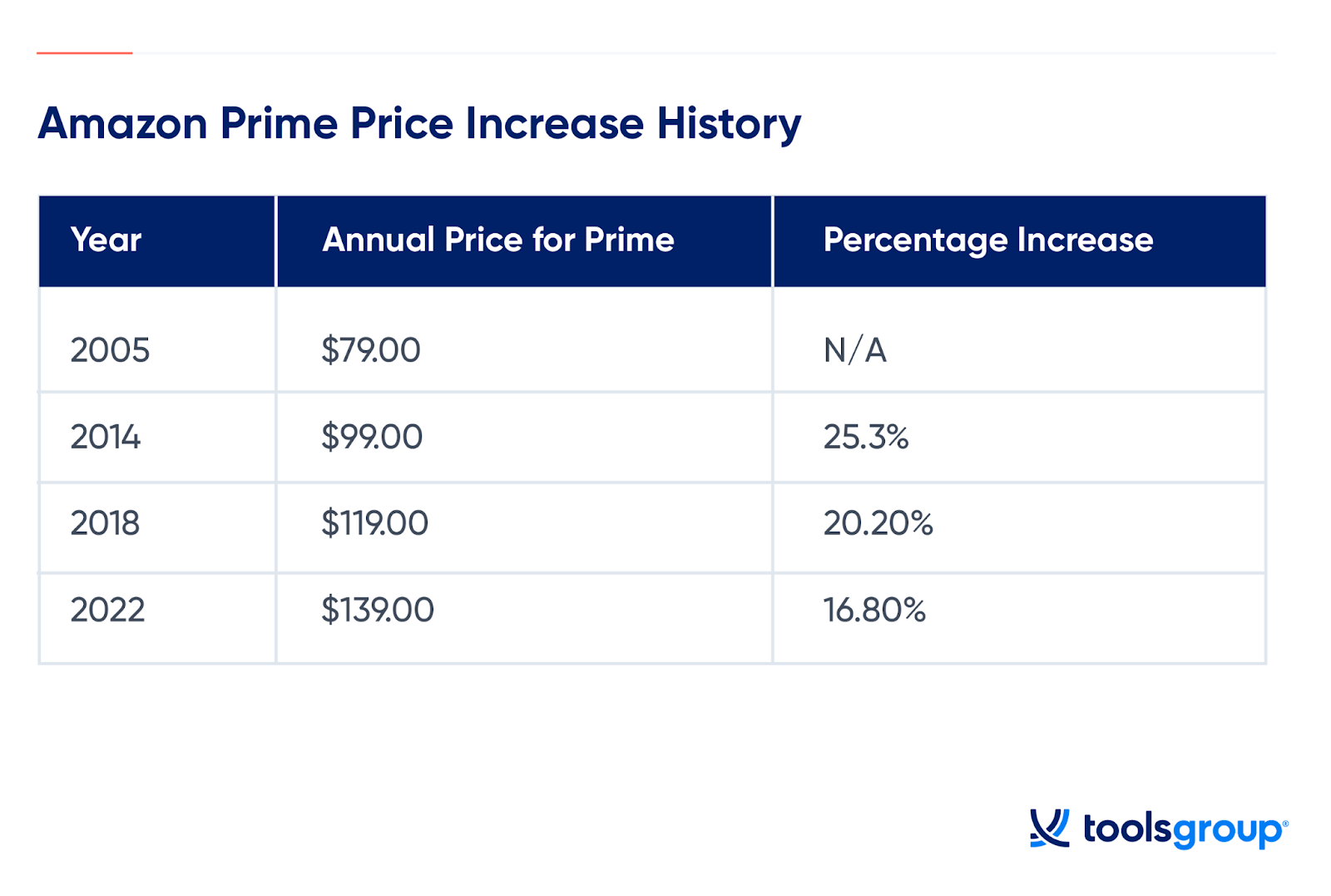
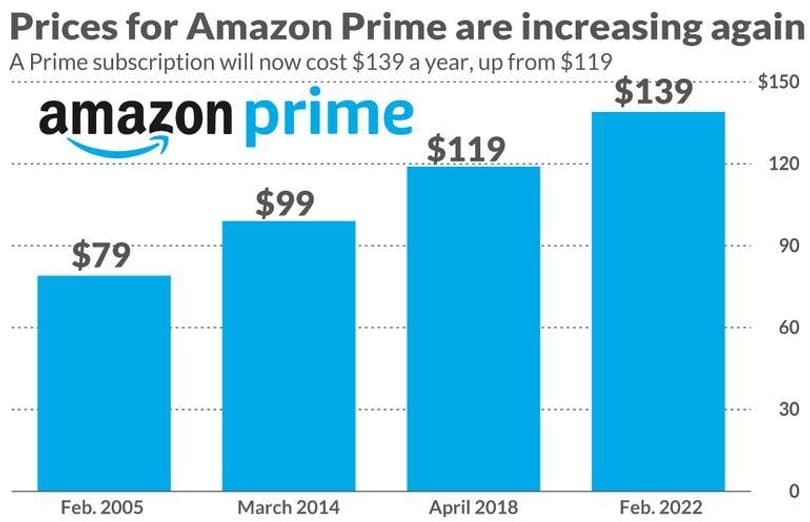
To manage a personal budget effectively, one must first understand the exact recurring costs associated with any service. Amazon has restructured its pricing several times over the last decade, most notably in 2022, reflecting the rising costs of logistics and content production.
The Standard Consumer Tiers
Currently, the standard Amazon Prime membership is offered in two primary payment structures. The monthly plan costs $14.99 per month, while the annual plan is priced at $139 per year. When analyzed through a financial lens, the annual plan offers a significant discount—approximately 23%—compared to the cumulative monthly payments, which total nearly $180 over a year. For those who are certain they will use the service year-round, the annual upfront payment is the mathematically superior choice, effectively saving the user $40.
Discounted Tiers for Strategic Saving
Amazon also offers targeted pricing for specific demographics, which can drastically alter the financial equation:
- Prime Student: Designed for higher education students, this tier is priced at $7.49 per month or $69 per year. It often comes with a six-month trial, representing one of the highest-value entries into the ecosystem.
- Prime Access: For individuals receiving qualifying government assistance (such as SNAP or Medicaid), Amazon offers a discounted rate of $6.99 per month. This initiative is designed to make the logistics savings of Prime accessible to lower-income households who may benefit most from reduced transportation costs to physical stores.
The Hidden Costs of Add-ons
It is important to note that the “cost” of Prime often extends beyond the membership fee. The ecosystem is designed to encourage further spending through Prime Video Channels (like Paramount+ or Max), Kindle Unlimited, and Amazon Music Unlimited. To maintain a lean financial profile, users must distinguish between the core membership and these “peripheral” subscriptions that can quickly inflate a monthly digital budget.
The ROI of Prime: Calculating the Hidden Financial Benefits
In finance, Return on Investment (ROI) is the ultimate metric. To determine if the $139 annual fee is a sound investment, one must quantify the savings generated by the membership.
The Shipping Break-Even Point
The most immediate financial benefit is the elimination of shipping fees. For a non-Prime member, standard shipping often ranges from $5.95 to $9.95 per order, depending on the items and speed. If we take an average shipping cost of $7, a consumer would need to place approximately 20 orders per year to “break even” on the annual membership fee through shipping savings alone. For households that rely on Amazon for frequent small purchases—ranging from household essentials to office supplies—the ROI becomes positive within the first few months.
Grocery Savings via Whole Foods and Amazon Fresh
For those who strategically manage their grocery budgets, Prime offers exclusive discounts at Whole Foods Market. Members receive an additional 10% off items marked with yellow sale signs, plus rotating weekly deals. Furthermore, the “Subscribe & Save” feature allows for up to 15% off recurring deliveries of household staples. When managed correctly, these grocery and household discounts can offset a large portion of the membership fee, effectively turning the subscription into a tool for reducing “cost of living” expenses.
Healthcare and Prescription Financials
A more recent addition to the Prime value proposition is the RxPass and the Amazon Pharmacy discounts. For a flat $5 monthly fee (on top of Prime), members can get all their eligible generic medications delivered. Additionally, the Prime prescription savings card can offer up to 80% off medications at over 60,000 pharmacies nationwide when not using insurance. For individuals with high-cost maintenance medications, the savings here can dwarf the cost of the Prime membership itself.
Beyond the Box: Analyzing the Value of Digital Services
From a wealth-management perspective, one way to optimize a budget is through “subscription consolidation.” If an Amazon Prime membership can replace other standalone digital services, its net cost effectively drops to zero or even becomes a profit-center for the household.
Prime Video vs. Standalone Streaming
The streaming market is increasingly fragmented and expensive, with platforms like Netflix and Disney+ consistently raising prices. Prime Video is included in the membership. If a consumer values the library of content provided by Prime Video and decides to cancel a $15.49/month Netflix Standard subscription as a result, the Prime membership pays for itself in savings within nine months.
Prime Music and Digital Media
While Amazon offers a premium “Music Unlimited” tier, the base Prime Music service provides ad-free access to millions of songs and podcasts. For the casual listener, this can replace a $10.99/month Spotify or Apple Music subscription. Similarly, Prime Reading offers a rotating selection of e-books and magazines, potentially reducing a household’s monthly entertainment and education expenditure.
Cloud Storage and Data Security
Amazon Photos provides unlimited, full-resolution photo storage for Prime members. In a world where Google Photos and Apple iCloud have moved toward paid storage models for larger libraries, this is a significant financial perk. A comparable 2TB storage plan on other platforms typically costs $9.99 per month ($120/year). By migrating photo backups to Amazon, a user can essentially write off nearly the entire cost of their Prime membership against the savings from canceled cloud storage plans.
Cost Traps and Subscription Fatigue: Managing Your Digital Overhead
Despite the potential for a high ROI, Amazon Prime can also become a “financial leak” if not managed with discipline. Professional financial planning requires an honest assessment of usage patterns.
The Psychology of “Free” Shipping
The most significant “hidden cost” of Amazon Prime is the psychological incentive to overspend. Studies in behavioral economics suggest that the “frictionless” nature of one-click ordering and the perception of “free” shipping lead consumers to make more frequent, impulsive purchases. To ensure Prime remains a financial asset, users should implement a “24-hour rule” for non-essential items, preventing the convenience of the service from eroding their monthly savings rate.
Assessing the “Ghost Subscription”
A common pitfall in personal finance is the “ghost subscription”—a service that is paid for but underutilized. If a household only orders from Amazon once a month and does not use the streaming or photo services, they are effectively paying $11.58 for a single delivery. In this scenario, it is more financially prudent to aggregate orders to hit the $35 free shipping threshold available to non-members. An annual audit of one’s Amazon “Order History” is essential to determine if the frequency of use justifies the recurring fee.
The Sharing Economy: Amazon Household
One of the most effective ways to increase the ROI of a Prime membership is through “Amazon Household.” This feature allows two adults to share Prime benefits at no additional cost. By splitting the $139 annual fee between two roommates or family members, the individual cost drops to $69.50. This halving of the expense immediately doubles the financial utility of the service, making it one of the most cost-effective “life hacks” in the subscription space.

Conclusion: Is Amazon Prime a Sound Financial Investment?
Determining the value of an Amazon Prime subscription requires a shift from viewing it as a mere “cost” to evaluating it as a strategic financial tool. At $139 per year, it is a significant commitment, but for a consumer who leverages the full suite of services—shipping, grocery discounts, Rx savings, and digital replacements—the total value can easily exceed $500 to $800 annually.
However, the “Money” perspective demands a caveat: convenience should never be confused with savings. If the membership encourages unnecessary consumption or if the digital perks go unused, the subscription becomes an unnecessary drain on capital. The most successful financial strategy is to treat Amazon Prime as a bundle of services that must be actively managed. By consolidating other subscriptions into Prime, utilizing the Household sharing feature, and maintaining disciplined purchasing habits, the cost of Amazon Prime can be transformed from a recurring expense into a powerful engine for household efficiency and budget optimization.
aViewFromTheCave is a participant in the Amazon Services LLC Associates Program, an affiliate advertising program designed to provide a means for sites to earn advertising fees by advertising and linking to Amazon.com. Amazon, the Amazon logo, AmazonSupply, and the AmazonSupply logo are trademarks of Amazon.com, Inc. or its affiliates. As an Amazon Associate we earn affiliate commissions from qualifying purchases.