
The umbilical cord, a lifeline connecting a developing fetus to its mother, is an extraordinary biological structure. While its primary role as a conduit for nutrients and waste exchange is well-understood biologically, its intricate composition has become a fascinating subject for technological exploration. Modern science, leveraging an array of advanced technologies, has not only precisely identified what the umbilical cord is made of but has also unlocked its immense potential as a source for groundbreaking medical and bio-engineering innovations. This article delves into the technological methods that reveal the cord’s composition and how this understanding fuels cutting-edge applications in biomedicine, diagnostics, and regenerative science.
Unraveling the Cord’s Composition Through Advanced Biomedical Technologies
Understanding the precise makeup of the umbilical cord, from its cellular components to its complex extracellular matrix, is foundational to harnessing its therapeutic potential. This understanding is largely driven by sophisticated biomedical technologies that offer unprecedented views into its structure and molecular machinery.
High-Resolution Imaging and Microscopic Analysis
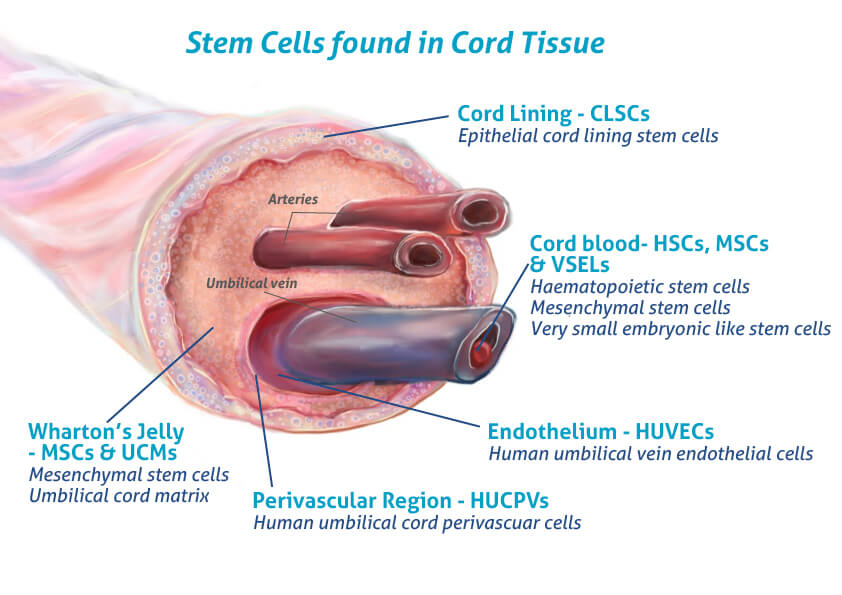
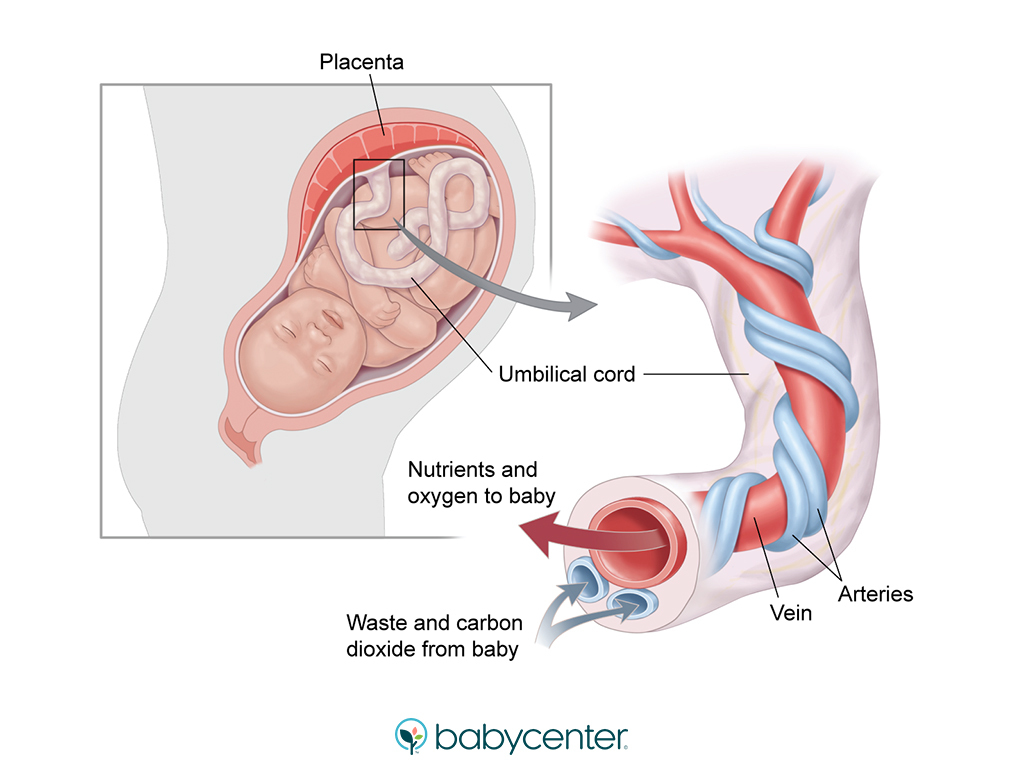
Traditional histology provides a macroscopic view, but it’s advanced imaging technologies that truly dissect the umbilical cord’s architecture. Electron microscopy, for instance, offers ultra-high-magnification images, allowing scientists to visualize the ultrastructure of individual cells, the collagen fibers, and the intricate network of the extracellular matrix that constitutes Wharton’s jelly. Confocal microscopy, with its ability to create detailed 3D reconstructions, enables researchers to map the spatial distribution of different cell types—such as fibroblasts and mesenchymal stem cells—within the cord tissue, along with the vascular structures (two arteries and one vein) that are central to its function. These technologies are crucial for discerning the physical arrangement and connectivity of the cord’s components, revealing not just what is there, but how it’s organized. Furthermore, emerging optical coherence tomography (OCT) systems are beginning to offer real-time, non-invasive imaging of fresh cord tissue, promising new avenues for quality assessment in biobanking.
Omics Technologies for Molecular Profiling
Beyond structural imaging, “omics” technologies provide a deep dive into the molecular identity of the umbilical cord’s constituents. Genomics involves sequencing the DNA of cells derived from the cord, identifying genetic markers that could be indicative of health status or predisposition to certain conditions. Proteomics analyzes the entire complement of proteins present in cord blood and tissue, revealing the functional molecules—enzymes, structural proteins, signaling molecules—that underpin its biological activity. This includes the identification of growth factors and cytokines embedded within Wharton’s jelly, which are critical for its regenerative properties. Metabolomics, on the other hand, studies small molecule metabolites, offering insights into the metabolic state and biochemical pathways active within the cord’s cellular components. The vast datasets generated by these technologies are then processed and interpreted using advanced bioinformatics software and AI algorithms, transforming raw molecular data into actionable biological insights about the cord’s precise chemical and biological makeup.
Bio-engineering and the Synthetic Mimicry of Umbilical Structures
The detailed knowledge of the umbilical cord’s composition gained through advanced diagnostics has paved the way for remarkable bio-engineering efforts. Scientists are now not only understanding what the cord is made of but also attempting to replicate or leverage its components for therapeutic and reconstructive purposes.
Engineered Scaffolds and Tissue Regeneration
One of the most exciting applications of understanding the umbilical cord’s makeup lies in tissue engineering. Wharton’s jelly, the gelatinous substance that encases the vessels, is rich in extracellular matrix components like collagen, hyaluronic acid, and proteoglycans, along with a high density of mesenchymal stem cells. This natural composition provides an ideal biomaterial. Bio-engineers are using this knowledge to design synthetic or naturally derived scaffolds that mimic the structural and biochemical properties of the cord’s matrix. These scaffolds, made from biocompatible polymers or decellularized cord tissue, are then seeded with specific cell types to promote tissue regeneration in various parts of the body, such as cartilage, bone, or nerve tissue. The goal is to create an environment that encourages cells to grow and differentiate, much like the cord itself supports fetal development.
Bioprinting and Advanced Fabrication Techniques
The advent of 3D bioprinting offers a revolutionary approach to creating complex biological structures. By precisely depositing “bio-inks” composed of living cells, growth factors, and biocompatible polymers—many of which are inspired by or directly derived from the umbilical cord’s natural components—researchers can fabricate tissues and organs layer by layer. For instance, the intricate vascular network of the umbilical cord, with its distinct arterial and venous structures, serves as a blueprint for bioprinting functional blood vessels. This technology could potentially create replacement vessels, patches for damaged organs, or even entire organoids that closely mimic the natural composition and function of human tissues, directly translating our understanding of “what the cord is made of” into practical, life-saving solutions.
AI-Driven Analysis and Diagnostic Applications of Cord Components
The sheer volume and complexity of data generated from analyzing the umbilical cord’s composition necessitate the power of artificial intelligence and advanced computational tools. AI is transforming how we interpret this biological information, leading to more precise diagnostics and enhanced clinical applications.
Machine Learning in Cord Blood Stem Cell Identification and Banking
Umbilical cord blood is a rich source of hematopoietic stem cells, crucial for treating various blood disorders and certain cancers. The efficacy of cord blood banking and transplantation heavily relies on accurate assessment of cell viability, count, and purity. Machine learning algorithms are now being deployed to automate and refine this process. By training on vast datasets of cellular images and flow cytometry data, AI can rapidly identify and quantify stem cell populations within cord blood with higher accuracy and consistency than manual methods. This technology not only streamlines the banking process but also enhances the selection of optimal cord blood units for clinical use, directly impacting the therapeutic potential derived from “what the cord is made of.” AI-powered software tools are also instrumental in managing the extensive databases associated with cord blood registries, ensuring efficient matching between donors and recipients.
Predictive Analytics for Neonatal Health
The umbilical cord, and particularly the cord blood, offers a unique window into the health status of a newborn and can provide early indicators of future health risks. Researchers are leveraging AI and predictive analytics to analyze a multitude of biomarkers (proteins, metabolites, genetic markers) present in cord blood. By correlating these compositional elements with long-term health outcomes, AI models can identify patterns indicative of conditions such as metabolic disorders, neurological vulnerabilities, or even predispositions to certain chronic diseases later in life. This technological application transforms the understanding of the cord’s composition from a purely descriptive biological fact into a powerful diagnostic tool, enabling earlier interventions and personalized medical care for neonates.
The Umbilical Cord as a Source for Next-Generation Medical Technologies
Beyond its immediate diagnostic value, the umbilical cord stands as a veritable biological treasure trove, providing components that are actively being leveraged for the development of future medical technologies, from advanced therapies to novel drug delivery systems.
Stem Cell Therapies and Gene Editing Technologies
The mesenchymal stem cells (MSCs) and hematopoietic stem cells (HSCs) found within the umbilical cord tissue and blood are at the forefront of regenerative medicine. These cells, being “what the cord is made of,” possess remarkable self-renewal capabilities and multipotent differentiation potential. Technologically, this means they can be cultured, expanded, and guided to differentiate into various cell types, forming the basis for new therapies for conditions ranging from cardiovascular disease and neurological disorders to autoimmune diseases. Furthermore, advanced gene editing technologies like CRISPR are being applied to these cord-derived stem cells. This allows scientists to correct genetic defects in the cells themselves, offering the potential for curative therapies for inherited genetic disorders, effectively turning the cord’s raw biological material into highly sophisticated, genetically engineered therapeutic agents.
Developing Novel Biomaterials and Drug Delivery Systems
The unique biomechanical and biochemical properties of the umbilical cord’s components, particularly Wharton’s jelly, inspire the creation of new biomaterials. Its natural elasticity, biocompatibility, and immune-modulatory properties make it an excellent candidate for various medical applications. Researchers are extracting specific molecules like hyaluronic acid or synthesizing biopolymers that mimic the properties of Wharton’s jelly to develop novel drug delivery systems. These systems can encapsulate therapeutic agents and release them in a controlled manner, enhancing drug efficacy and reducing side effects. For example, Wharton’s jelly-derived hydrogels are being investigated as matrices for localized drug delivery to wound sites or as scaffolds for tissue repair, showcasing how the cord’s intrinsic composition directly informs the development of cutting-edge biotechnologies.
Ethical Considerations and Technological Governance
As our technological capabilities expand our ability to understand, utilize, and manipulate the components of the umbilical cord, a robust framework of ethical considerations and technological governance becomes paramount.
Data Security and Privacy in Cord Biobanking
The banking of umbilical cord blood and tissue involves the collection and storage of highly sensitive personal and genetic information. As AI and big data analytics increasingly process this information for diagnostic and therapeutic purposes, ensuring the digital security and privacy of these records is a critical technological challenge. Robust encryption, secure cloud infrastructure, and strict access controls are necessary to protect individuals’ genetic data from unauthorized access or misuse. Developing secure, blockchain-enabled solutions for consent management and data provenance in biobanking is an emerging area of technological focus to address these concerns.
Regulatory Frameworks for Cord-Derived Technologies
The rapid pace of innovation in cord-derived technologies—from stem cell therapies to bio-engineered scaffolds—outpaces existing regulatory frameworks. Effective technological governance requires a dynamic approach to ensure the safety, efficacy, and ethical development and deployment of these advanced medical products. This involves international collaboration to establish standards for manufacturing, clinical trials, and responsible innovation. Regulatory bodies must adapt to assess novel technologies that leverage the umbilical cord’s components, balancing the potential for revolutionary treatments with the imperative to protect patient safety and uphold ethical scientific practices.

Conclusion
The question “what is the umbilical cord made of” transcends a simple biological answer when viewed through a technological lens. From high-resolution imaging and sophisticated “omics” platforms that precisely map its cellular and molecular components, to advanced bio-engineering and AI-driven analytics that unlock its therapeutic potential, technology has transformed our understanding and utilization of this vital structure. The umbilical cord is not merely a transient biological link; it is a profound source of inspiration and material for next-generation medical technologies. As innovation continues to accelerate, the synergistic relationship between biology and technology will undoubtedly lead to further breakthroughs, leveraging the intricate composition of the umbilical cord for the betterment of human health and medicine.
aViewFromTheCave is a participant in the Amazon Services LLC Associates Program, an affiliate advertising program designed to provide a means for sites to earn advertising fees by advertising and linking to Amazon.com. Amazon, the Amazon logo, AmazonSupply, and the AmazonSupply logo are trademarks of Amazon.com, Inc. or its affiliates. As an Amazon Associate we earn affiliate commissions from qualifying purchases.