
Understanding your target heart rate (THR) is a cornerstone of effective exercise and overall cardiovascular health. For decades, athletes and health enthusiasts have sought to calculate and maintain specific heart rate zones to optimize their workouts, whether for endurance, fat burning, or peak performance. While the fundamental physiological principles remain constant, the methods by which we understand, measure, and utilize THR have been revolutionized by technology. In an increasingly digital world, the question “what is the target heart rate” is no longer just about a manual calculation, but rather about leveraging cutting-edge tech to gain unprecedented insights into our bodies.
Gone are the days when a simple finger on the wrist or neck was the primary method for gauging effort. Today, smartwatches, fitness trackers, AI-driven algorithms, and sophisticated health applications provide real-time, continuous, and highly personalized data, transforming how we interact with our target heart rate. This article delves into what target heart rate truly means and, more importantly, explores the indispensable role technology plays in making this vital metric actionable, precise, and accessible to everyone.
Understanding Target Heart Rate in the Digital Age
At its core, target heart rate refers to the specific range of heartbeats per minute that you should aim for during exercise to achieve optimal results. It’s a dynamic zone, influenced by age, fitness level, and the specific goals of your workout. Historically, calculating these zones involved basic arithmetic formulas, but the digital age has ushered in an era of precision and personalization that far surpasses manual methods.
The Core Concept: Why it Matters for Fitness & Health
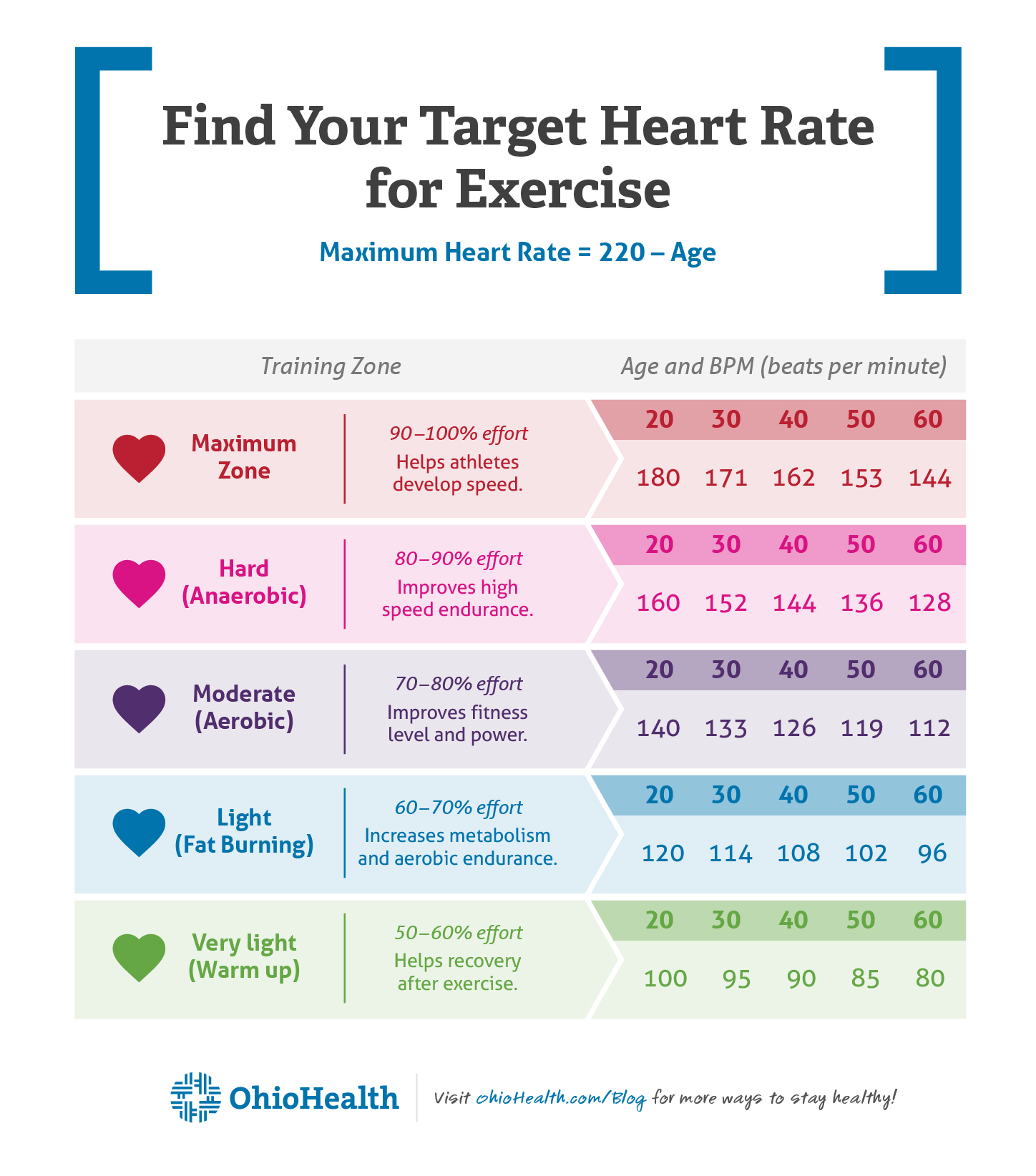
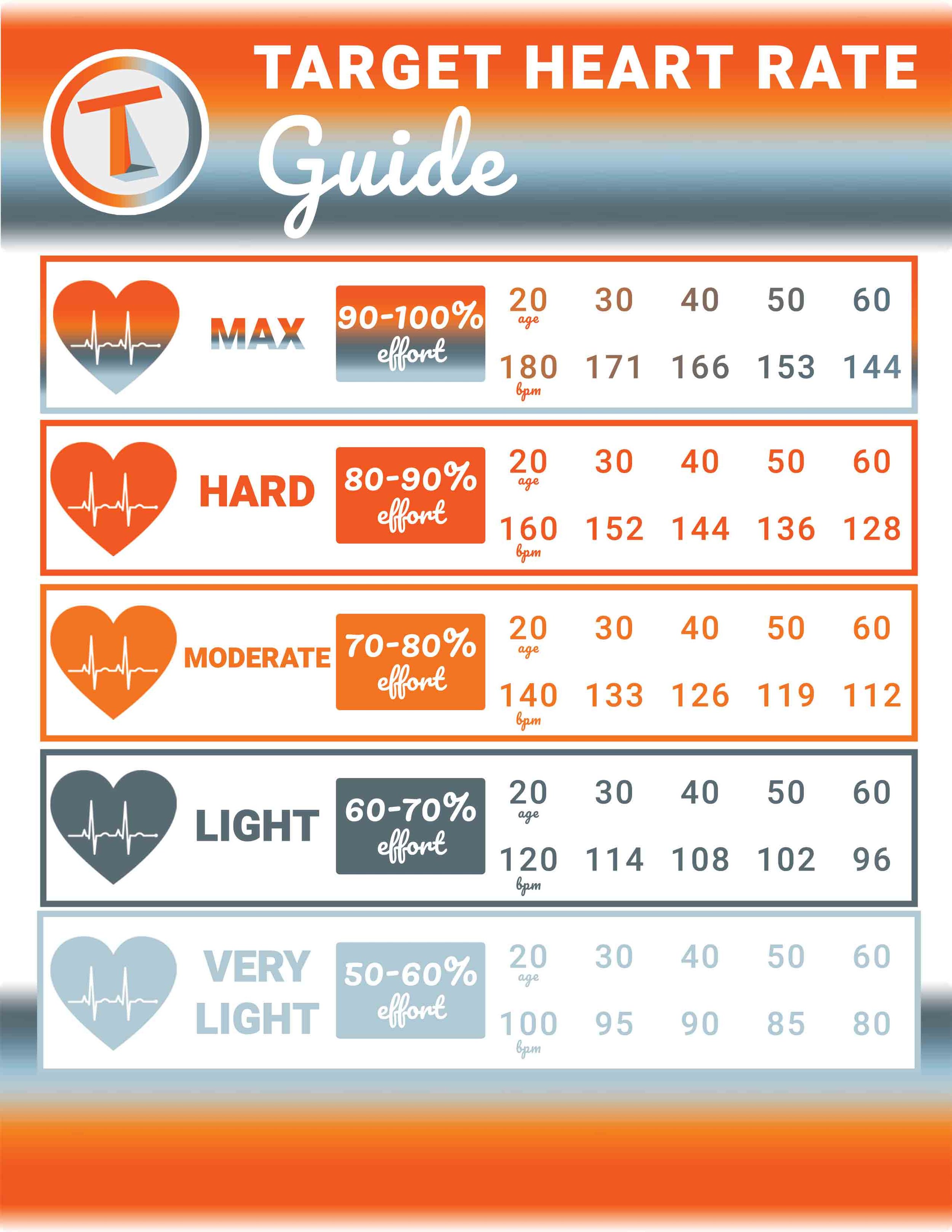
Your heart rate is a direct indicator of how hard your heart is working. During physical activity, your body demands more oxygen, prompting your heart to pump faster to deliver oxygen-rich blood to your muscles. The target heart rate zones are typically expressed as a percentage of your maximum heart rate (MHR). For example:
- Moderate Intensity (50-70% MHR): Ideal for general health, improving cardiovascular fitness, and warm-ups.
- Vigorous Intensity (70-85% MHR): Best for improving endurance, increasing stamina, and maximizing calorie burn.
- Peak/Maximal (85-100% MHR): Short bursts for interval training or pushing limits, generally not sustainable for long periods.
Understanding these zones is crucial because exercising below your THR might not yield sufficient physiological benefits, while exceeding it for prolonged periods could lead to overtraining or injury. However, the true power of this concept is unlocked when combined with modern technology, moving it from a theoretical guideline to a practical, real-time feedback loop. Technology doesn’t just help us calculate these zones; it helps us stay within them and adapt as needed.
Traditional Calculation vs. Tech-Driven Precision
The classic formula for estimating maximum heart rate (MHR) is 220 minus your age. From this, you’d calculate your target zones. For example, a 30-year-old would have an estimated MHR of 190 bpm, with a moderate zone between 95-133 bpm. While this provides a rough estimate, it’s a generalization that doesn’t account for individual physiological differences, underlying health conditions, or unique fitness adaptations. It’s a one-size-fits-all approach in a world of diverse bodies.
Enter technology. Modern fitness devices, coupled with advanced algorithms, offer a much more nuanced and accurate picture. Instead of relying solely on age, these technologies factor in a myriad of data points: resting heart rate, heart rate variability (HRV), sleep patterns, activity history, and even biometric data. They can detect trends, identify anomalies, and provide real-time feedback that adjusts dynamically to your body’s current state. This digital leap means that your “target heart rate” is no longer a static number, but a living, breathing metric that evolves with your fitness journey, offering precision unparalleled by manual methods.
The Role of Wearable Technology in Heart Rate Monitoring
Wearable technology has fundamentally transformed how we interact with our own physiology. What was once confined to clinics or professional training facilities is now readily available on our wrists, offering continuous, convenient, and surprisingly accurate heart rate monitoring. These devices have made the concept of target heart rate a practical reality for millions.
Smartwatches and Fitness Trackers: Your Personal HR Lab
Smartwatches like Apple Watch, Garmin, Fitbit, and Samsung Galaxy Watch, along with dedicated fitness trackers, are equipped with sophisticated optical heart rate sensors (photoplethysmography or PPG). These sensors use green LED lights to detect blood flow changes in your wrist, converting these pulses into a heart rate reading. While wrist-based sensors might have slight variations compared to chest straps (often considered the gold standard for accuracy), their convenience and continuous monitoring capabilities make them invaluable for everyday use and exercise.
These devices don’t just display a number; they often provide:
- Real-time zone indicators: Visual cues (colors, vibrations) to show if you’re in your target zone.
- Workout summaries: Detailed graphs of your heart rate throughout a session.
- Resting heart rate trends: A key indicator of cardiovascular health and recovery.
- Heart rate variability (HRV): A metric reflecting the time variation between heartbeats, used to assess stress and recovery.
Effectively, these wearables transform your wrist into a personal, portable heart rate laboratory, democratizing access to crucial physiological data that was once the preserve of professional athletes.
Real-Time Data and Continuous Monitoring
One of the most significant advantages of wearable tech is its ability to provide real-time, continuous heart rate data. Traditional methods required you to stop, take your pulse, and then calculate. With a smartwatch, you can glance at your wrist during a run, bike ride, or gym session and immediately see if you’re hitting your target zone. This instantaneous feedback allows for on-the-fly adjustments to your intensity, ensuring you’re maximizing every minute of your workout.
Beyond active exercise, continuous monitoring offers a holistic view of your heart health throughout the day and night. It tracks your resting heart rate, identifies sleep patterns, and can even alert you to unusual heart rhythms. This wealth of data provides a comprehensive picture of your cardiovascular health, allowing you to identify trends, gauge recovery, and make informed decisions about your overall well-being. The constant stream of data empowers users to move beyond guesswork, towards data-driven fitness.
AI and Algorithms: Personalizing Your Zones
The raw heart rate data collected by wearables becomes truly powerful when processed by artificial intelligence and sophisticated algorithms. These aren’t just calculators; they are intelligent systems that learn from your unique physiology and activity patterns. AI can:
- Personalize MHR estimates: Moving beyond the 220-age formula, AI can analyze your workout performance, resting heart rate, and historical data to provide a more accurate, individualized maximum heart rate.
- Adaptive zone recommendations: As your fitness improves, or if you’re experiencing fatigue, AI can dynamically adjust your recommended target zones, ensuring your workouts remain challenging yet appropriate.
- Recovery insights: By analyzing HRV and sleep heart rate, AI can assess your recovery status and advise on when to push hard and when to prioritize rest, preventing overtraining.
- Anomaly detection: Some advanced algorithms can detect irregular heart rhythms (e.g., atrial fibrillation) and prompt users to seek medical advice, adding a critical health monitoring dimension.
This integration of AI means that your target heart rate is no longer a static goal but a dynamic, intelligent guide, constantly learning and adapting to your body’s unique responses and evolving fitness levels.
Leveraging Apps and Digital Platforms for Optimized Training
The hardware of wearables is only one half of the equation; the software—fitness apps and digital platforms—is where the real intelligence and actionable insights come to life. These digital ecosystems transform raw heart rate data into structured training plans, motivational tools, and comprehensive health dashboards.
Fitness Apps: Setting Goals and Tracking Progress
Modern fitness apps (e.g., Strava, MyFitnessPal, Nike Training Club, dedicated apps from device manufacturers) serve as central hubs for your heart rate data. They allow you to:
- Define custom HR zones: Based on your goals (e.g., fat burning, endurance, performance).
- Structure workouts: Apps can guide you through interval training, long runs, or strength sessions, telling you exactly when to speed up or slow down to stay within your target heart rate zone. Voice prompts and visual cues make it seamless.
- Visualize performance: Post-workout summaries display heart rate graphs, time spent in each zone, and average heart rate, providing clear feedback on your effort and effectiveness.
- Track long-term trends: Over weeks, months, and years, these apps aggregate your data, revealing improvements in cardiovascular fitness, decreases in resting heart rate, and overall progress towards your health goals.
By providing structured guidance and clear visual feedback, fitness apps make the application of target heart rate principles intuitive and highly effective for users of all fitness levels.
Gamification and Community: Staying Motivated
Beyond raw data, digital platforms infuse fitness with elements of gamification and social connectivity, directly impacting motivation to adhere to training within target heart rate zones.
- Challenges and badges: Many apps offer virtual challenges (e.g., “Hit your vigorous zone for 30 minutes every day this week”) and award digital badges for achieving milestones, turning fitness into a rewarding game.
- Leaderboards and sharing: Users can often share their workout data (including time spent in HR zones) with friends or community members, fostering friendly competition and mutual encouragement. Seeing a friend consistently hitting their target heart rate can be a powerful motivator.
- Virtual coaching: Some apps integrate AI-driven virtual coaches that provide personalized feedback and encouragement based on your heart rate data, making the experience more engaging and supportive.
These features leverage human psychology to encourage consistent effort and adherence, making the pursuit of target heart rate goals less of a chore and more of an enjoyable, shared experience.
Data Synchronization and Cloud Storage: A Holistic View
The true power of the digital ecosystem lies in its ability to synchronize data across multiple devices and store it securely in the cloud. This means:
- Seamless integration: Your smartwatch heart rate data can automatically sync with your preferred fitness app, smart scale, or even smart gym equipment.
- Unified health dashboard: A single platform often aggregates data from various sources (heart rate, sleep, nutrition, activity, blood pressure), providing a holistic view of your health and fitness.
- Accessibility: Your data is accessible from anywhere, on any device, allowing you to review your progress at home, at the gym, or on the go.
- Longitudinal analysis: Cloud storage facilitates long-term data analysis, which is crucial for identifying deep trends, understanding the impact of lifestyle changes, and providing valuable information to healthcare providers if needed.
This interconnectedness ensures that your target heart rate data is not isolated but part of a larger, comprehensive health narrative, offering unparalleled insights and convenience.
Advanced Applications and Future Trends
The journey of technology in heart rate monitoring is far from over. New advancements are continually pushing the boundaries, promising even more personalized, predictive, and pervasive applications of target heart rate data.
Telehealth and Remote Monitoring: Beyond Fitness
The utility of heart rate monitoring extends far beyond exercise. In the realm of healthcare, advanced wearable technology is becoming an integral part of telehealth and remote patient monitoring.
- Chronic disease management: Patients with conditions like heart failure or hypertension can have their heart rate and other vital signs continuously monitored from home, with alerts sent to healthcare providers if anomalies are detected. This allows for proactive intervention and reduces hospitalizations.
- Post-operative recovery: Remote heart rate monitoring can track a patient’s recovery post-surgery, ensuring they stay within safe exertion levels and identifying early signs of complications.
- Preventive health: Continuous HR monitoring, coupled with AI analysis, can identify subtle changes in heart rate variability or resting heart rate that might indicate impending illness or stress, allowing for early lifestyle adjustments.
This shift transforms heart rate tech from a fitness gadget into a powerful medical tool, making healthcare more accessible, efficient, and personalized.
AI-Driven Adaptive Workouts: The Future of Personalized Training
The next frontier in fitness tech is truly adaptive, AI-driven workout programs that not only track but actively prescribe and adjust workouts in real-time based on your physiological responses.
- Predictive analytics: AI will be able to predict your performance readiness based on sleep, HRV, current heart rate, and historical data, recommending specific workouts or recovery days.
- Dynamic intensity adjustments: During a workout, if your heart rate is consistently lower or higher than expected for a given effort, the AI coach could dynamically adjust the workout intensity (e.g., “Increase your pace by 10%,” or “Slow down, you’re exceeding your anaerobic threshold”).
- Hyper-personalization: Training plans will become entirely unique to each individual, constantly evolving with every heartbeat, every night’s sleep, and every meal. This ensures optimal progress while minimizing the risk of injury or burnout.
The future envisions a truly intelligent fitness companion that understands your body better than you do, continuously guiding you towards your target heart rate zones and ultimate fitness goals.
Enhanced Accuracy and New Sensor Technologies
While current optical sensors are good, research is ongoing to improve accuracy and introduce new sensing modalities.
- ECG integration: Many smartwatches already offer single-lead ECG capabilities for detecting atrial fibrillation. Future devices may integrate more sophisticated ECG features for broader cardiac health insights.
- Beyond the wrist: Smart clothing, smart rings, and even patches are emerging that offer different placement options, potentially leading to greater comfort and accuracy for continuous monitoring.
- Advanced algorithms: New algorithms will continue to refine the signal processing from existing sensors, further reducing noise and improving the reliability of heart rate data, even during high-intensity or irregular movements.
- Non-contact sensors: Research into radar or camera-based heart rate detection could enable even less intrusive monitoring in environments like smart homes or cars.
These technological evolutions promise to make heart rate monitoring even more pervasive, precise, and seamlessly integrated into our daily lives.
Navigating the Tech Landscape: Choosing the Right Tools
With the abundance of heart rate monitoring technology available, choosing the right tools can be daunting. It’s essential to consider your individual needs and how different devices and platforms can best serve your target heart rate goals within the tech ecosystem.
What to Look For in a Heart Rate Monitor
When selecting a heart rate monitoring device, consider the following technical aspects:
- Accuracy: While no wrist-based optical sensor is perfect, look for devices known for consistent and reliable readings. Chest straps generally offer superior accuracy for high-intensity, fluctuating heart rates.
- Features: Do you need GPS, sleep tracking, blood oxygen monitoring, or ECG capabilities? Prioritize features relevant to your fitness and health goals.
- Battery Life: Continuous monitoring can be battery intensive. Choose a device with a battery life that aligns with your usage patterns.
- Ecosystem and App Integration: Does the device integrate well with your preferred fitness apps and other smart health devices? A seamless ecosystem enhances data utility.
- Comfort and Durability: The best tech is useless if it’s uncomfortable to wear or can’t withstand your activities.
Data Privacy and Security Considerations
As heart rate data is highly personal and sensitive, privacy and security are paramount.
- Understand Data Usage: Read the privacy policies of apps and device manufacturers to understand how your data is collected, stored, and used.
- Secure Accounts: Use strong, unique passwords and enable two-factor authentication for all health and fitness accounts.
- Control Sharing: Be mindful of what data you share with third-party apps or social communities. Configure privacy settings to your comfort level.
- Encryption: Ensure that data transmission and storage are encrypted to protect against unauthorized access.
Responsible use of health tech involves being informed and proactive about safeguarding your personal information.

Integrating Devices for a Seamless Experience
The true power of modern heart rate monitoring often comes from the integration of various devices and platforms.
- API Compatibility: Look for devices and apps that support open APIs or common health platforms (e.g., Apple Health, Google Fit) to ensure smooth data flow.
- One Central Hub: Identify a primary app or platform that can aggregate data from all your chosen devices for a unified view.
- Automated Syncing: Ensure that data syncing between your device and app is automatic and reliable, minimizing manual effort.
A well-integrated tech stack creates a seamless, powerful experience that maximizes the utility of your target heart rate data without adding unnecessary complexity.
In conclusion, “what is the target heart rate” has evolved from a straightforward physiological question into a complex, tech-driven dialogue. While the core principle of exercising within specific heart rate zones remains fundamental, technology has transformed how we access, understand, and apply this knowledge. From wearable sensors providing real-time data, to AI-driven algorithms offering personalized insights, and comprehensive apps structuring our fitness journeys, technology has made target heart rate an accessible and actionable metric for optimizing health and performance. As we look to the future, continuous innovation promises even more sophisticated tools, further embedding heart rate monitoring into the fabric of preventive health, personalized fitness, and overall well-being. Embracing these technological advancements, while remaining mindful of privacy and responsible usage, empowers us to unlock our full physiological potential.
aViewFromTheCave is a participant in the Amazon Services LLC Associates Program, an affiliate advertising program designed to provide a means for sites to earn advertising fees by advertising and linking to Amazon.com. Amazon, the Amazon logo, AmazonSupply, and the AmazonSupply logo are trademarks of Amazon.com, Inc. or its affiliates. As an Amazon Associate we earn affiliate commissions from qualifying purchases.