
The quest for a cream cheese substitute might seem purely culinary at first glance, driven by dietary restrictions, flavor preferences, or simply an empty tub in the fridge. However, for the financially savvy individual, home cook on a budget, or small business owner, this question often carries significant economic weight. Cream cheese, especially premium brands or specialty varieties, can be a considerable expense, contributing to rising grocery bills or impacting profit margins. Understanding viable substitutes isn’t just about maintaining taste and texture; it’s about smart financial management, unlocking cost savings, and potentially even discovering new avenues for income. This deep dive will explore the financial imperative behind seeking cream cheese alternatives, analyze their cost-effectiveness, and uncover opportunities to leverage this knowledge for economic gain.
The Financial Imperative: Why Seek Cream Cheese Substitutes?
In an era of fluctuating food prices and tightening budgets, every ingredient choice can have a ripple effect on personal and business finances. Cream cheese, a beloved staple in countless recipes from bagels to cheesecakes, is no exception. Its often premium price point makes exploring alternatives not just a culinary adventure, but a strategic financial decision.
Rising Dairy Costs and Budgetary Pressures
Global economic shifts, supply chain disruptions, and increased demand can significantly drive up the cost of dairy products. Cream cheese, being a processed dairy item, is particularly susceptible to these price hikes. For households, this translates into higher grocery bills, forcing a re-evaluation of staple purchases. For small businesses like bakeries, cafes, or catering services, escalating ingredient costs directly erode profit margins, making cost-effective substitutions a critical operational strategy. Identifying cheaper, yet effective, alternatives allows consumers to maintain their desired lifestyle within budget and businesses to sustain profitability without compromising quality.
Dietary Needs vs. Wallet Constraints
The growing prevalence of dietary restrictions and preferences—such as lactose intolerance, veganism, or specific allergen avoidance—often introduces an additional financial burden. Specialty cream cheese alternatives, while essential for those with specific needs, frequently come with a premium price tag compared to their dairy counterparts. This creates a dilemma where health and dietary adherence conflict with financial prudence. By understanding a broader range of substitutes, including readily available and often cheaper ingredients that can be modified, individuals can meet their dietary requirements without overstretching their wallets. This includes exploring homemade options that bypass the premium pricing of commercially produced specialty items.
Expanding Culinary Horizons (Affordably)
Exploring cream cheese substitutes isn’t solely about cutting costs on existing recipes; it’s also about opening up new, more affordable culinary possibilities. Many substitutes, while perhaps not a 1:1 flavor match, offer unique textures and profiles that can inspire new dishes, often at a fraction of the cost. For example, using a pureed blend of silken tofu and nutritional yeast can mimic the tang and creaminess of cream cheese in a savory spread or dip, introducing a new ingredient with a lower unit cost than traditional cream cheese. This innovative approach allows both home cooks and professional chefs to diversify their menus and ingredient lists, leading to potentially significant long-term savings and fresh, exciting offerings that appeal to cost-conscious consumers.
Navigating the Market: Cost-Effective Alternatives and Their Value
When considering cream cheese substitutes from a financial viewpoint, the key is to assess not just the per-unit cost, but also the versatility, required preparation, and the overall impact on the final product’s quality and market appeal. Different categories of substitutes offer varying levels of cost-effectiveness and application.
Dairy-Based Alternatives: Smart Swaps for Savings
For those without dairy restrictions, several dairy products offer similar textures and functionalities to cream cheese, often at a lower price point.
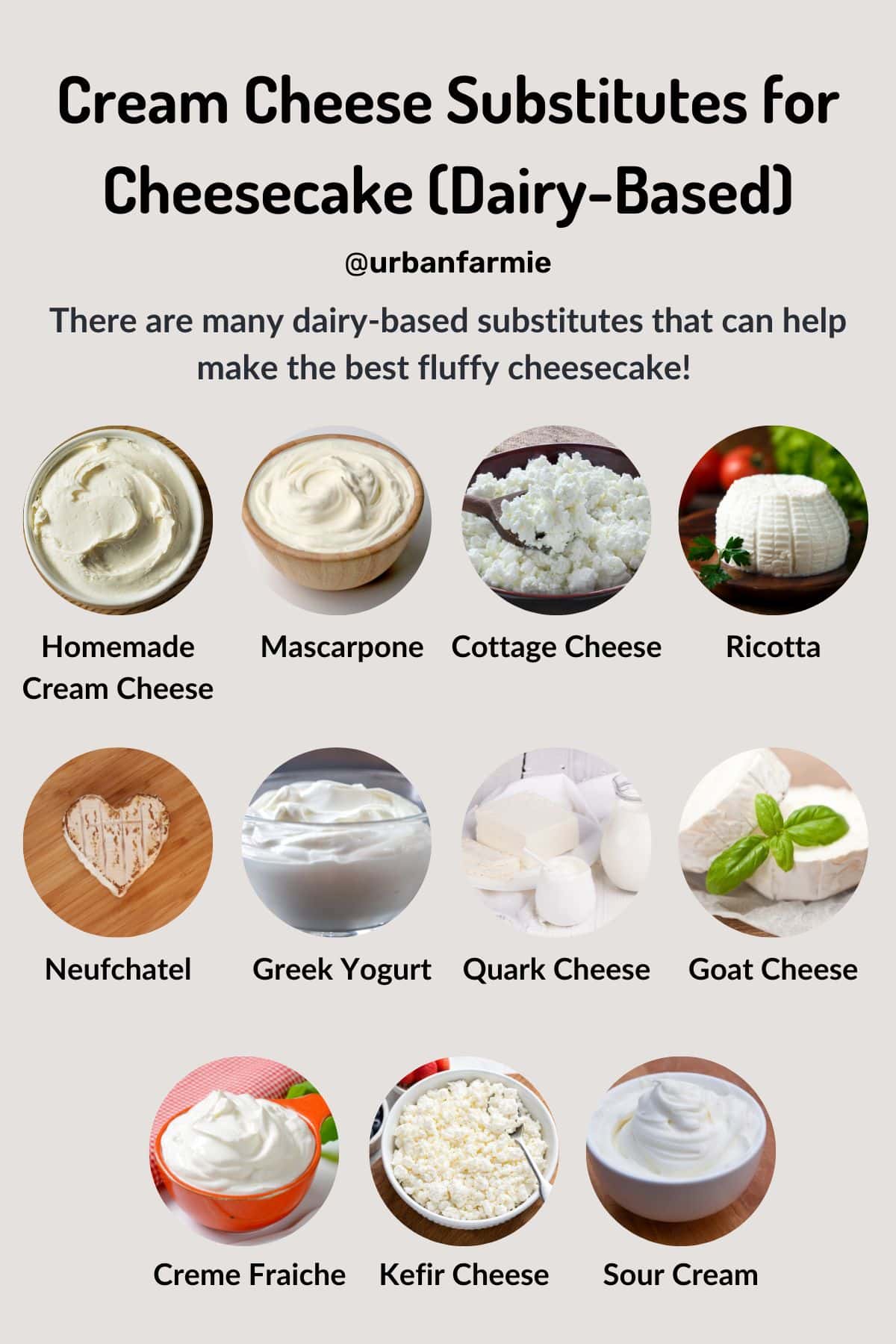
- Cottage Cheese: Often significantly cheaper than cream cheese, cottage cheese can be blended until smooth to achieve a similar creamy texture. While its flavor is milder, it can be seasoned with lemon juice, salt, and herbs to mimic cream cheese’s tang. This offers substantial savings for savory applications like dips or sandwich spreads.
- Ricotta Cheese: With its creamy texture and mild flavor, ricotta can serve as a substitute in many recipes, particularly in baked goods like cheesecakes or lasagna. It’s generally more affordable than cream cheese and contributes a lighter, fluffier texture.
- Neufchâtel Cheese: Hailing from France, Neufchâtel is a dairy cheese similar to cream cheese but with a lower fat content. Often found alongside cream cheese in supermarkets, it can sometimes be a slightly cheaper option, offering a near-identical texture and taste profile for direct substitution without compromise.
Plant-Based Options: Unpacking the Price Tag
The demand for vegan and dairy-free options has surged, leading to a proliferation of plant-based cream cheeses. While convenient, their price often reflects specialized production and niche market appeal.
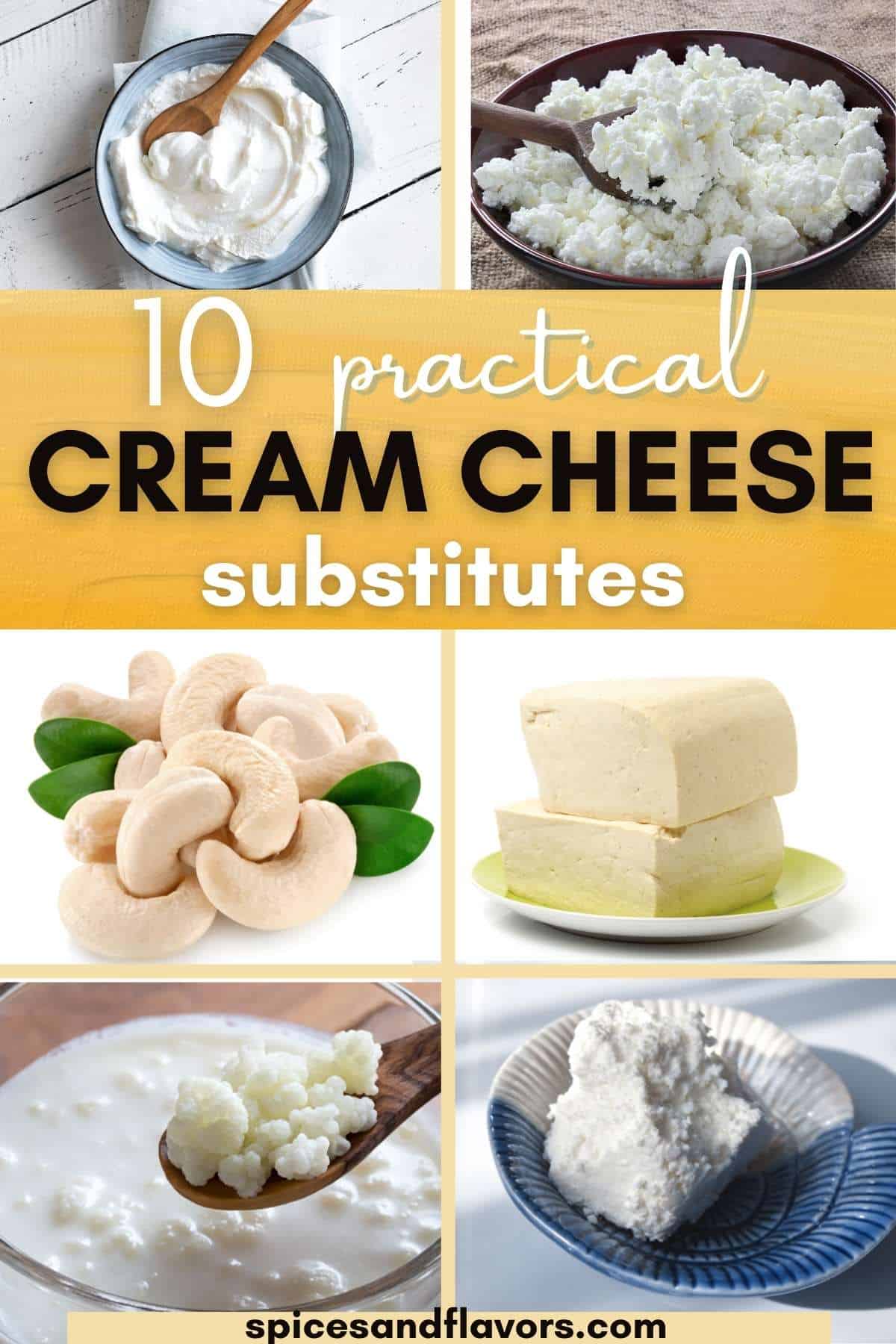
- Tofu/Cashew-Based Creams (DIY vs. Store-bought): Making your own “cream cheese” from soaked cashews or silken tofu with added lemon juice, apple cider vinegar, and nutritional yeast can be incredibly cost-effective. Raw cashews and tofu are generally cheaper per pound than pre-made vegan cream cheeses. The labor involved is an investment of time, but the ingredient cost savings can be substantial, especially for bulk preparation.
- Commercial Vegan Cream Cheeses: These products offer convenience but usually come at a premium price. While necessary for those who lack time or specific ingredients for DIY, it’s crucial for budget-conscious consumers and businesses to compare prices per ounce and consider the value proposition against homemade alternatives or dairy options. Some brands may offer competitive pricing during sales, making strategic purchasing important.
Non-Cheese Based Spreads: The Ultimate Budget Hacks

For simpler applications like spreading on toast or crackers, a variety of non-cheese spreads can serve as ultra-budget-friendly substitutes, though they may not directly replicate cream cheese in complex recipes.
- Avocado: Mashed avocado offers a creamy, fatty mouthfeel and can be seasoned for a savory spread. Its cost-effectiveness depends on seasonal pricing, but it’s a whole food alternative that provides nutritional value alongside its spreadability.
- Hummus: A versatile, protein-rich spread made from chickpeas, tahini, lemon juice, and garlic. It’s incredibly cost-effective, especially when made from scratch, and offers a distinct savory profile that can be a delicious, cheaper alternative to cream cheese in sandwiches or as a dip.
- Nut Butters: While not a direct texture or flavor substitute, various nut butters (peanut, almond, cashew) offer creamy spreads for sweet applications, often at a better price point than premium cream cheese, particularly when bought in bulk.
Beyond Savings: Monetizing Your Cream Cheese Substitute Know-How
The expertise gained from identifying and utilizing cost-effective cream cheese substitutes can extend beyond personal savings, evolving into genuine income-generating opportunities for entrepreneurial individuals and small businesses. This knowledge can be a valuable asset in the modern gig economy and culinary market.
Crafting and Selling Homemade Alternatives
For those adept at making their own plant-based or dairy-free cream cheese substitutes, there’s a burgeoning market for homemade, artisanal products.
- Niche Markets: Focus on specific dietary needs, such as vegan, allergen-friendly (e.g., nut-free cream cheese from seeds), or low-carb options. These niches often command premium pricing due to limited availability of commercial alternatives.
- Pricing Strategies: Accurately calculate ingredient costs, labor, packaging, and marketing to set competitive yet profitable prices. Selling locally at farmers’ markets, online through dedicated platforms, or directly to consumers can yield significant returns.
Content Creation and Affiliate Opportunities
The journey of finding and testing substitutes is fertile ground for content creation, which can be monetized through various digital channels.
- Blogging/Vlogging: Create articles, recipe videos, and tutorials showcasing different cream cheese substitutes, including cost comparisons, taste tests, and DIY guides. Share insights on how these substitutes impact budget and health.
- Monetizing through Ads, Sponsorships, and Affiliate Links: Once an audience is built, monetize content through display advertising. Partner with brands selling ingredients (e.g., cashews in bulk, specialty nutritional yeast) or kitchen tools (blenders, food processors) used in making substitutes, earning commissions on sales through affiliate links.
Catering and Small Business Applications
Small food businesses can revolutionize their cost structure and expand their customer base by strategically incorporating cream cheese substitutes.
- Reducing Ingredient Costs: Bakeries, cafes, or meal prep services can significantly lower their operational expenses by using more affordable, yet high-quality, substitutes in their recipes. This directly impacts profit margins.
- Offering Unique, Affordable Menu Items: Introduce new menu items featuring creative, cost-effective cream cheese alternatives. For example, a vegan cashew “cream cheese” frosting on cupcakes or a blended cottage cheese spread in sandwiches can attract new customers seeking value, dietary options, or novel flavors, differentiating the business in a crowded market.
Strategic Financial Planning for Culinary Staples
Effective management of culinary staples, including understanding and utilizing substitutes for items like cream cheese, is a cornerstone of sound personal and business financial planning. It’s not just about what you buy, but how you buy, store, and utilize it.
Bulk Buying and DIY: Maximizing Savings
One of the most effective strategies for reducing food costs is through bulk purchasing of foundational ingredients and opting for homemade versions of processed items.
- Buying Ingredients in Bulk: For homemade cream cheese substitutes, purchasing ingredients like raw cashews, tofu, nutritional yeast, or even large containers of cottage cheese when on sale, can lead to substantial savings per unit. This requires initial outlay but yields long-term financial benefits.
- The Economics of Making vs. Buying: Consistently evaluate whether the time and effort invested in making your own substitutes (e.g., cashew cream cheese) outweigh the cost and convenience of buying pre-made. Often, the financial savings of DIY can be significant enough to justify the effort, especially when preparing larger quantities.
Inventory Management and Waste Reduction
Knowing about cream cheese substitutes also plays a crucial role in reducing food waste, a silent drain on financial resources.
- Avoiding Waste: If you run out of cream cheese or find it expired, having readily available substitutes means you can proceed with your recipe without needing to discard other ingredients or make an unplanned, potentially expensive, trip to the store. This prevents waste and keeps meal plans on track.
- Flexible Recipe Planning: A deep understanding of substitutes allows for greater flexibility in meal planning. If a specific ingredient is suddenly expensive or unavailable, you can pivot to a cheaper alternative, ensuring your budget remains undisturbed and food isn’t wasted due to a single missing component.
Investment in Kitchen Skills and Tools
Finally, viewing the pursuit of cream cheese substitutes through a financial lens highlights the long-term value of investing in culinary skills and appropriate kitchen tools.
- Long-term Financial Benefits: Learning to prepare your own staples, master basic preservation techniques, and confidently adapt recipes with substitutes are invaluable skills that contribute to lifelong financial resilience and independence in the kitchen.
- Essential Tools: Investing in a good blender or food processor, for instance, might seem like an upfront cost, but it quickly pays for itself through the ability to create numerous homemade, cost-effective ingredients, including various cream cheese substitutes, dressings, and sauces. This reduces reliance on more expensive, pre-packaged alternatives, offering a strong return on investment.
By adopting a financial perspective on the question “what is the substitute for cream cheese,” individuals and businesses can transform a simple culinary query into a powerful tool for budget management, cost reduction, and even income generation, ultimately fostering greater economic stability and creativity in the kitchen.
aViewFromTheCave is a participant in the Amazon Services LLC Associates Program, an affiliate advertising program designed to provide a means for sites to earn advertising fees by advertising and linking to Amazon.com. Amazon, the Amazon logo, AmazonSupply, and the AmazonSupply logo are trademarks of Amazon.com, Inc. or its affiliates. As an Amazon Associate we earn affiliate commissions from qualifying purchases.