
In the intricate machinery of the justice system, the grand jury often operates behind a veil of secrecy, its critical functions largely misunderstood by the general public. Yet, its role, particularly in the realm of finance and economics, is profoundly significant, acting as a crucial safeguard against corruption, fraud, and corporate malfeasance. While not directly involved in personal finance or investment strategies, the grand jury’s investigative and oversight powers have far-reaching implications for business finance, market stability, and the integrity of our economic systems. This article delves into the multi-faceted role of a grand jury, specifically focusing on its impact and contributions within the “Money” sphere, examining how it underpins financial accountability and protects stakeholders across various economic landscapes.

The Grand Jury’s Foundation in Financial Oversight
The concept of a grand jury dates back centuries, rooted in the Magna Carta and English common law, initially designed to prevent arbitrary prosecutions by the Crown. In the United States, it is enshrined in the Fifth Amendment, ensuring that no person shall be held to answer for a capital, or otherwise infamous crime, unless on a presentment or indictment of a Grand Jury. While its historical origins were broad, covering all manner of serious crimes, its adaptation in modern times has made it an indispensable tool for maintaining financial order and probity.
Historical Roots in Preventing Financial Misconduct
Historically, early grand juries often investigated grievances that included various forms of financial misconduct, such as corruption among public officials, tax evasion, and the misuse of public funds. Their role was not merely to accuse but also to inquire into public matters, including the economic health and governance of their communities. This tradition established a precedent for the grand jury as a civic body capable of scrutinizing those in power, particularly concerning the handling of money and resources. As economies grew more complex, so too did the sophistication of financial crimes, solidifying the grand jury’s position as a bulwark against emerging threats to fiscal stability and fair economic practices.
Distinguishing Grand Juries from Trial Juries in Economic Cases
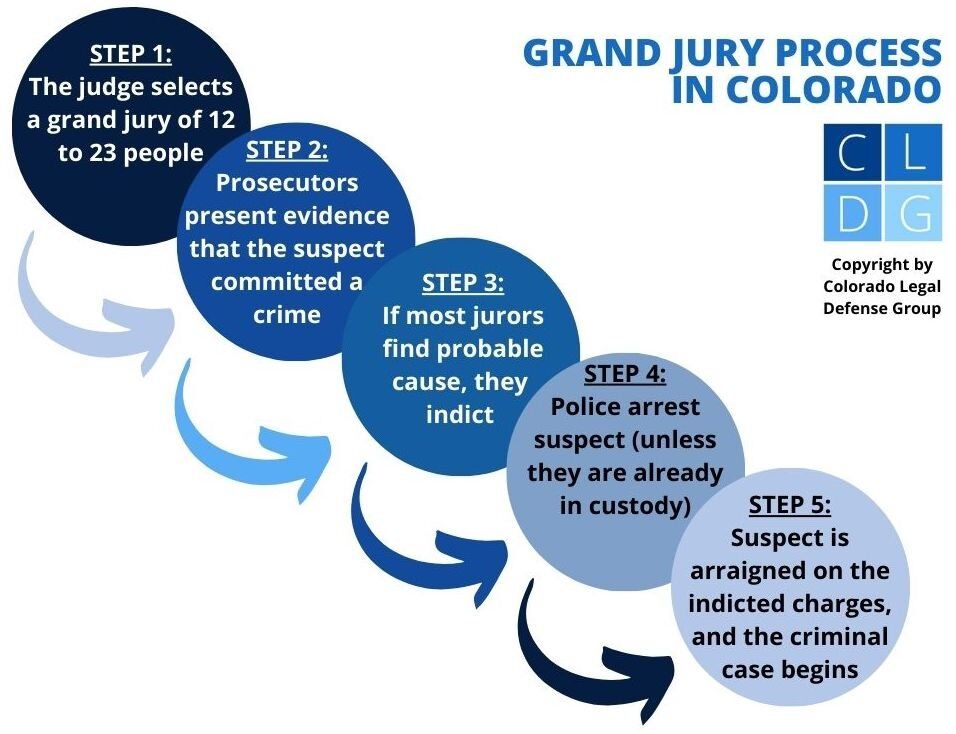
A fundamental distinction exists between a grand jury and a trial (petit) jury, particularly relevant in financial contexts. A trial jury determines guilt or innocence based on evidence presented in open court, beyond a reasonable doubt. Its focus is retrospective, assessing past events to render a verdict. In contrast, a grand jury’s role is investigative and prospective. It determines whether there is probable cause to believe a crime has been committed and that a specific person or entity committed it, warranting an indictment. In financial cases, this distinction is critical. Grand juries delve into complex financial transactions, review vast amounts of documentation, and hear testimony from numerous witnesses – often experts in accounting, forensics, and market analysis – all in secret. This secrecy is intended to protect the innocent from public accusation, allow witnesses to speak freely without fear of reprisal, and prevent suspects from fleeing or tampering with evidence. For sophisticated financial crimes, where evidence can be voluminous and intertwined with legitimate business activities, the grand jury’s investigative powers, particularly its subpoena authority, are invaluable.
Investigating White-Collar Crime and Corporate Malfeasance
The grand jury serves as the primary investigative body for federal and state prosecutors pursuing complex financial crimes. These are often crimes that do not involve physical violence but inflict significant economic harm on individuals, businesses, and the broader economy.
Unraveling Complex Financial Fraud Schemes
From Ponzi schemes and insider trading to securities fraud and mortgage fraud, financial crimes are often characterized by intricate layers designed to obscure illicit activity. Grand juries are tasked with sifting through these complexities. Prosecutors present evidence to the grand jury, which may include bank records, email communications, corporate ledgers, and expert testimony. The grand jury’s ability to issue subpoenas for documents and compel witness testimony is paramount. For instance, in cases involving multi-million dollar investment frauds, grand jurors might spend months reviewing thousands of financial statements, unraveling how funds were diverted, assets misrepresented, or investors deceived. Their collective judgment helps determine if enough evidence exists to proceed with a criminal prosecution, thereby safeguarding market integrity and protecting unsuspecting investors.
Targeting Corruption and Embezzlement
Corruption, whether in public office or corporate boardrooms, invariably involves the misuse of funds for personal gain. Embezzlement, another form of financial crime, sees individuals entrusted with money or property converting it for their own use. Grand juries play a vital role in investigating these abuses of trust. They might examine public contracts for kickbacks, scrutinize the financial dealings of elected officials, or investigate company executives for siphoning corporate assets. Their inquiries ensure that those who hold positions of financial authority are held accountable, which in turn reinforces public and investor confidence in institutions. When a grand jury issues an indictment against a public official for corruption or a CEO for embezzlement, it signals that financial probity is non-negotiable, sending a powerful deterrent message across the financial sector.
The Subpoena Power in Financial Investigations
One of the grand jury’s most potent tools in financial investigations is its subpoena power. A subpoena duces tecum can compel the production of vast quantities of documents—financial records, communications, corporate meeting minutes, and more—from individuals, businesses, and financial institutions. A subpoena ad testificandum can compel individuals to testify under oath. This power is crucial for breaking through stonewalling tactics, obtaining evidence held by recalcitrant parties, and piecing together a comprehensive financial narrative. Without this authority, prosecuting sophisticated financial crimes would be far more challenging, as much of the crucial evidence often lies within private, closely guarded financial data. The ability to compel this information allows grand juries to follow money trails, identify beneficiaries of illicit schemes, and expose the underlying mechanics of financial wrongdoing.
Impact on Business Finance and Market Stability

The actions of a grand jury can reverberate throughout the business world, influencing corporate governance, regulatory compliance, and overall market dynamics.
Corporate Governance and Shareholder Value Implications
When a grand jury investigates a corporation, or its executives, for financial misconduct, the implications for corporate governance are immediate and significant. Indictments can trigger leadership changes, internal investigations, and pressure for greater transparency. Shareholders, whose investments are directly tied to the company’s reputation and financial health, often demand stronger oversight and ethical practices. A grand jury’s inquiry into a company’s accounting practices, for example, can force a re-evaluation of internal controls, potentially leading to improved financial reporting and increased accountability to shareholders. Ultimately, the threat of grand jury action serves as a deterrent against fraudulent practices, encouraging robust corporate governance that protects shareholder value and ensures long-term financial stability.
Regulatory Compliance and Risk Mitigation
The specter of a grand jury investigation compels businesses to adhere strictly to financial regulations and actively mitigate risk. Industries heavily regulated by agencies like the SEC, IRS, and FINRA are constantly aware that breaches of compliance could lead to grand jury scrutiny. Companies invest heavily in compliance departments, internal audits, and ethics training to avoid practices that could draw the attention of prosecutors and, subsequently, a grand jury. From anti-money laundering (AML) protocols to accurate financial disclosures, the potential for grand jury involvement ensures that companies prioritize regulatory adherence, thereby reducing financial risk not just for themselves but also for their partners, investors, and the wider market. This pro-active approach to compliance helps maintain a predictable and trustworthy financial environment.
Economic Consequences of Indictments and Prosecutions
An indictment from a grand jury, particularly against a major corporation or influential financial figure, can have profound economic consequences. Stock prices can plummet, credit ratings can be downgraded, and consumer confidence can erode. For instance, an indictment against a bank for widespread money laundering could lead to massive fines, loss of customers, and even systemic risk if the institution is large enough. Similarly, high-profile indictments for insider trading can send shockwaves through specific market sectors. While these consequences can be severe, they are often seen as necessary to uphold the rule of law and maintain faith in the fairness and transparency of financial markets. The grand jury’s role, therefore, is not just about justice, but also about reinforcing the structural integrity of the economy by punishing and deterring behavior that could undermine it.
Grand Jury Reports: Shining Light on Public Spending and Fiscal Policy
Beyond its indictment function, some grand juries, particularly state-level “civil grand juries” in jurisdictions like California, have the authority to issue public reports on the operations of governmental entities and public officials. This is another crucial area where grand juries impact the “Money” category.
Scrutinizing Government Budgets and Expenditures
Civil grand juries often act as a fiscal watchdog, examining how local and state governments manage taxpayer money. They may investigate school districts’ budgets, county agencies’ spending practices, or the efficiency of public works projects. These investigations can uncover waste, mismanagement, or even potential fraud in the allocation and expenditure of public funds. For example, a grand jury might investigate why a municipal project is vastly over budget or why certain contracts were awarded without competitive bidding, ultimately ensuring greater accountability in public finance. Their findings, published in reports, can highlight deficiencies, recommend policy changes, and call for greater transparency, directly influencing how public money is handled and accounted for.
Recommendations for Financial Accountability and Transparency
The recommendations contained in grand jury reports are not legally binding in the same way an indictment is, but they carry significant moral and public weight. They often prompt legislative changes, internal reforms within government agencies, and increased public scrutiny of fiscal policies. A report detailing financial irregularities in a city department can lead to stricter budgetary controls, new oversight committees, or even the dismissal of officials. By bringing financial mismanagement into the public eye, grand juries foster greater governmental transparency and compel public officials to adopt more financially responsible and accountable practices. This oversight function is invaluable for ensuring that public funds are used efficiently and ethically, directly impacting the fiscal health of communities and the trust citizens place in their financial governance.
Protecting the Financial System and Investor Confidence
Ultimately, the grand jury’s consistent role in investigating and enabling the prosecution of financial crimes is critical for the long-term health and stability of the entire financial system.
Deterring Future Financial Crimes
The very existence and active engagement of grand juries in prosecuting financial crimes serve as a powerful deterrent. Knowing that complex fraud schemes, corporate corruption, and market manipulation can and will be investigated by a secretive, powerful body with subpoena authority discourages potential perpetrators. This deterrence effect is crucial for maintaining a fair and level playing field in financial markets. When high-profile executives or institutions face grand jury indictments and subsequent prosecution, it reinforces the message that no entity, regardless of its size or influence, is above the law when it comes to financial misconduct.
Rebuilding Trust in Markets and Institutions
Financial crises and scandals often erode public trust in markets, corporations, and regulatory institutions. The grand jury plays a pivotal role in rebuilding this trust. By diligently investigating allegations of fraud and corruption, and by issuing indictments when warranted, grand juries demonstrate that the justice system is actively working to hold wrongdoers accountable. This process is essential for restoring confidence among investors, consumers, and the general public that the financial system is governed by rules that are enforced fairly. A robust grand jury system, therefore, is not merely about punishment; it is about sustaining the foundational trust upon which all modern financial activity depends, ensuring that capital markets remain attractive and reliable venues for investment and economic growth.
In conclusion, while the grand jury’s role is fundamentally a legal one, its impact on the “Money” category—encompassing business finance, economic stability, investor confidence, and public financial accountability—is undeniable and profound. Through its investigative powers, particularly its ability to uncover complex financial fraud and corporate malfeasance, and its capacity to shed light on public spending through reports, the grand jury acts as a silent guardian of financial integrity. Its contributions are vital for maintaining an ethical, transparent, and trustworthy economic environment, ensuring that the wheels of commerce turn justly for all stakeholders.
aViewFromTheCave is a participant in the Amazon Services LLC Associates Program, an affiliate advertising program designed to provide a means for sites to earn advertising fees by advertising and linking to Amazon.com. Amazon, the Amazon logo, AmazonSupply, and the AmazonSupply logo are trademarks of Amazon.com, Inc. or its affiliates. As an Amazon Associate we earn affiliate commissions from qualifying purchases.