
In an era defined by rapid technological advancement, from artificial intelligence to quantum computing, it might seem counterintuitive to pause and explore the most fundamental units of biological continuity. Yet, understanding the reproductive cell – the very genesis of life – is not merely an exercise in biology; it is a critical foundation for comprehending and harnessing some of the most profound technological innovations of our time. From genetic engineering to advanced reproductive technologies and the burgeoning field of personalized medicine, the microscopic reproductive cell stands as the ultimate blueprint, a complex data package whose manipulation and study drive monumental shifts in human capability and understanding.
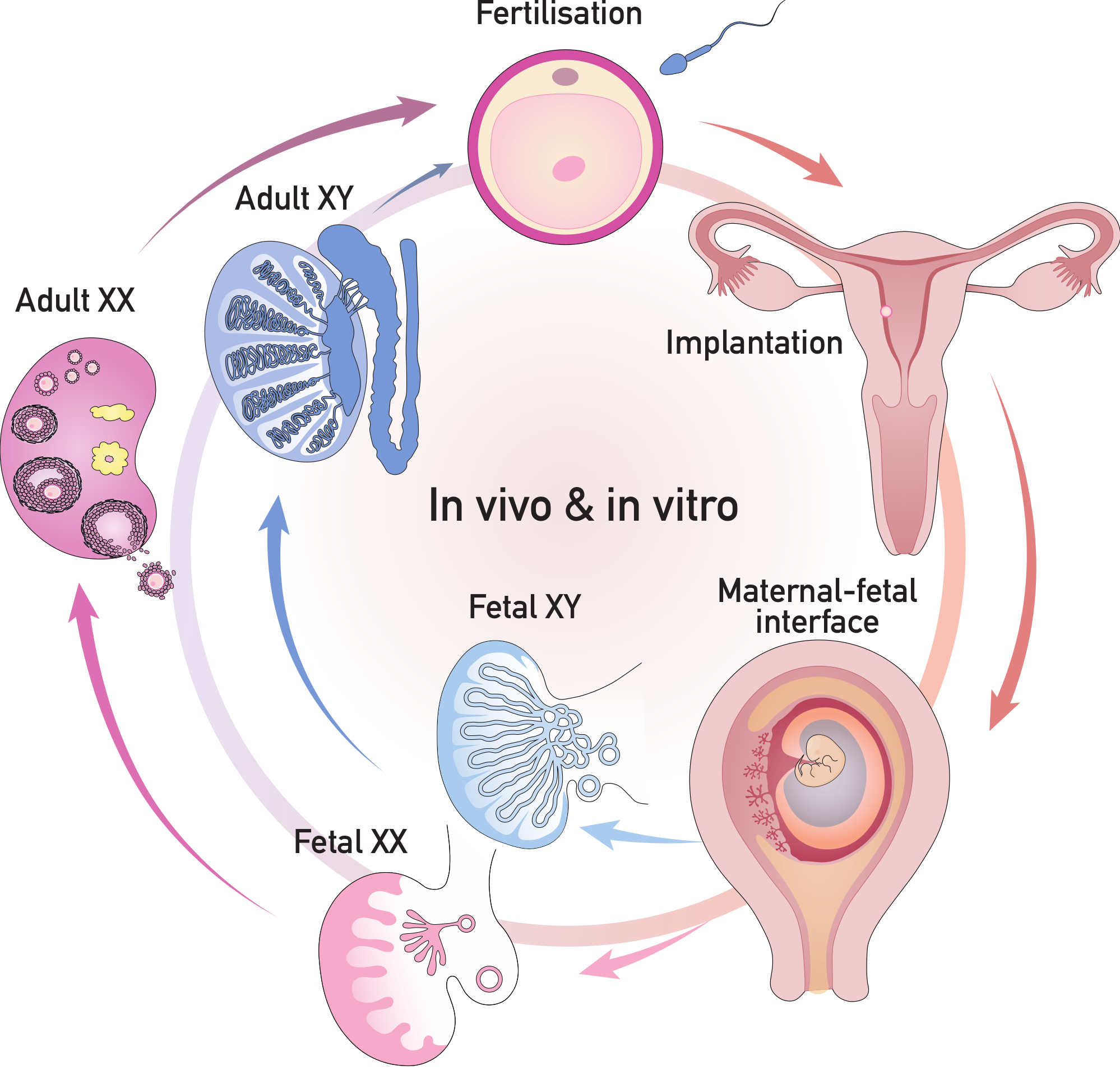
This exploration delves into the essence of the reproductive cell, not just as a biological entity, but as a technological linchpin. We will unpack its intrinsic design, examine how modern technology is decoding and interacting with its genetic payload, and consider the ethical and societal implications of our growing mastery over these vital biological units. For innovators, scientists, and anyone keen on the future of biotechnology, grasping the fundamental nature of the reproductive cell is paramount.
The Fundamental Units of Biological Continuity: A Primer for Technologists
At its core, a reproductive cell is a specialized biological cell that carries genetic information and is responsible for sexual reproduction. These cells are designed for a singular, monumental purpose: to combine and initiate the development of a new organism. For humans and many other sexually reproducing species, these are known as gametes. Their significance transcends mere biology, forming the very substrate upon which an array of advanced biotechnologies are built.
Gametes: The Specialized Carriers of Genetic Information
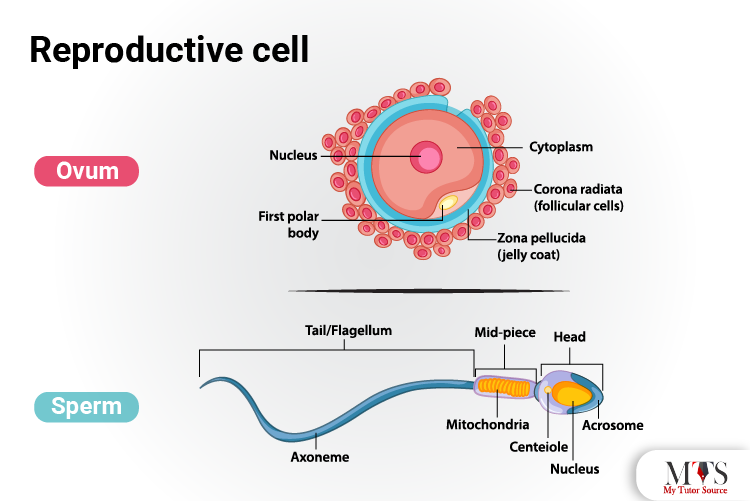
In humans, the two primary types of gametes are sperm cells (produced by males) and egg cells, or ova (produced by females). Each of these cells is haploid, meaning it contains only one set of chromosomes – 23 chromosomes in humans, half the number found in regular somatic (body) cells. This reduction in genetic material is crucial, as it ensures that when a sperm and an egg fuse during fertilization, the resulting cell (a zygote) will have the correct diploid number of chromosomes (46 in humans).
Sperm cells are typically small, motile (capable of movement), and possess a tail-like flagellum that propels them towards the egg. They are primarily carriers of the paternal genetic contribution. Egg cells, by contrast, are significantly larger, immotile, and contain not only the maternal genetic material but also crucial cytoplasmic components, nutrients, and organelles necessary for the early stages of embryonic development. The precision with which these cells are formed and delivered highlights a biological engineering marvel that modern technology continually strives to emulate or assist.
Meiosis: The Precision Engineering Behind Genetic Diversity
The process by which gametes are formed is called meiosis, a specialized type of cell division that contrasts sharply with mitosis (the division of somatic cells). Meiosis involves two rounds of division, resulting in four haploid cells from a single diploid progenitor cell. Critically, during meiosis, a process called “crossing over” occurs, where homologous chromosomes exchange segments of genetic material. This genetic recombination ensures that each gamete is genetically unique, contributing immensely to genetic diversity within a population.
From a technological perspective, meiosis is a masterclass in genetic data management and distribution. The deliberate shuffling of genes is nature’s way of ensuring adaptability and resilience, preventing the accumulation of detrimental mutations over generations and providing the raw material for evolution. Understanding the mechanics of meiosis is vital for geneticists and biotechnologists who aim to identify, isolate, or even correct specific genetic sequences within these cells, recognizing the profound implications of altering the inheritable blueprint.
The Zygote: The Genesis of a New Organism
The fusion of a sperm and an egg cell—fertilization—results in the formation of a zygote. This single, diploid cell is the ultimate reproductive cell, representing the first cell of a new individual. It contains a complete set of genetic instructions, derived from both parents, and holds the potential to develop into a complex, multicellular organism. From a technological viewpoint, the zygote is the initial repository of all the genetic data that will define an individual, making it a critical target for both diagnostic and therapeutic interventions. It’s the moment where the ‘code’ from two sources merges to begin a new program. The study of zygote development, differentiation, and gene expression is fundamental to embryology and forms the basis for understanding congenital conditions and developmental biology, fields increasingly impacted by AI-driven analysis and genomic sequencing.
Decoding the Blueprint: Technological Approaches to Reproductive Cells
The intrinsic biological mechanisms surrounding reproductive cells are complex, but modern technology has provided unprecedented tools to observe, understand, and even manipulate them. These technological interventions are not just about overcoming infertility; they extend to preventing genetic diseases, advancing regenerative medicine, and potentially redefining the very boundaries of human health and longevity.
In Vitro Fertilization (IVF) and Assisted Reproductive Technologies (ART): Bridging Biological Gaps
Perhaps the most widely recognized application of technology to reproductive cells is In Vitro Fertilization (IVF) and other Assisted Reproductive Technologies (ART). IVF involves retrieving egg cells from the female and sperm cells from the male, fertilizing them outside the body (in vitro, “in glass”), and then transferring the resulting embryo(s) into the uterus. This suite of technologies has revolutionized fertility treatment, offering hope to millions struggling with infertility.
Technologically, IVF is a marvel of precision engineering and controlled biological environments. It involves sophisticated hormonal regulation, microsurgical techniques for egg retrieval and embryo transfer, and advanced laboratory procedures for culturing gametes and embryos. Innovations such as Intracytoplasmic Sperm Injection (ICSI), where a single sperm is injected directly into an egg, allow for fertilization even in cases of severe male infertility. Furthermore, Preimplantation Genetic Testing (PGT) allows for genetic screening of embryos before transfer, enabling the selection of embryos free from specific genetic disorders, thus preventing the transmission of inheritable diseases – a direct application of genetic diagnostics at the earliest stage of life.
Gene Editing (CRISPR-Cas9) and Germline Modification: Precision at the Molecular Level
Beyond assisting natural processes, technology now allows for direct manipulation of the genetic material within reproductive cells. Gene editing technologies, most notably CRISPR-Cas9, have opened unprecedented avenues for correcting genetic defects. CRISPR-Cas9 acts like a molecular “cut and paste” tool, enabling scientists to precisely target and alter specific DNA sequences.
The application of gene editing to germline cells (reproductive cells or their precursors) carries immense potential and equally immense ethical considerations. Germline modification means that any genetic changes made would be inheritable, passed down to future generations. While this holds the promise of permanently eradicating genetic diseases from family lines, it also raises profound questions about unintended consequences, the concept of “designer babies,” and the fundamental alteration of the human gene pool. From a technological perspective, it represents the ultimate form of biological programming, where the very source code of life can be rewritten. The development of safe, precise, and ethically guided germline editing remains one of the most significant challenges and opportunities in biotechnology.
Stem Cell Research and Regenerative Medicine: Unlocking Developmental Potential
Reproductive cells, particularly the zygote and early embryonic cells, are totipotent or pluripotent, meaning they have the capacity to differentiate into any cell type in the body. This intrinsic developmental potential is the cornerstone of stem cell research and regenerative medicine. Embryonic stem cells, derived from early embryos, possess this remarkable ability to self-renew indefinitely and differentiate into specialized cells, tissues, and even organs.
Technological efforts are focused on directing these stem cells to grow specific tissues (e.g., heart muscle, nerve cells) for therapeutic purposes, such as repairing damaged organs, treating neurodegenerative diseases, or replacing diseased cells. While the ethical debate around embryonic stem cell use continues, induced Pluripotent Stem Cells (iPSCs), which are somatic cells reprogrammed to an embryonic-like state, offer an alternative, sidestepping some ethical concerns. The ability to create patient-specific iPSCs allows for personalized disease modeling, drug screening, and potentially patient-specific cell therapies, all tracing their origins back to the fundamental developmental potential observed in early reproductive cells.
Data-Driven Insights: Omics, AI, and Reproductive Health
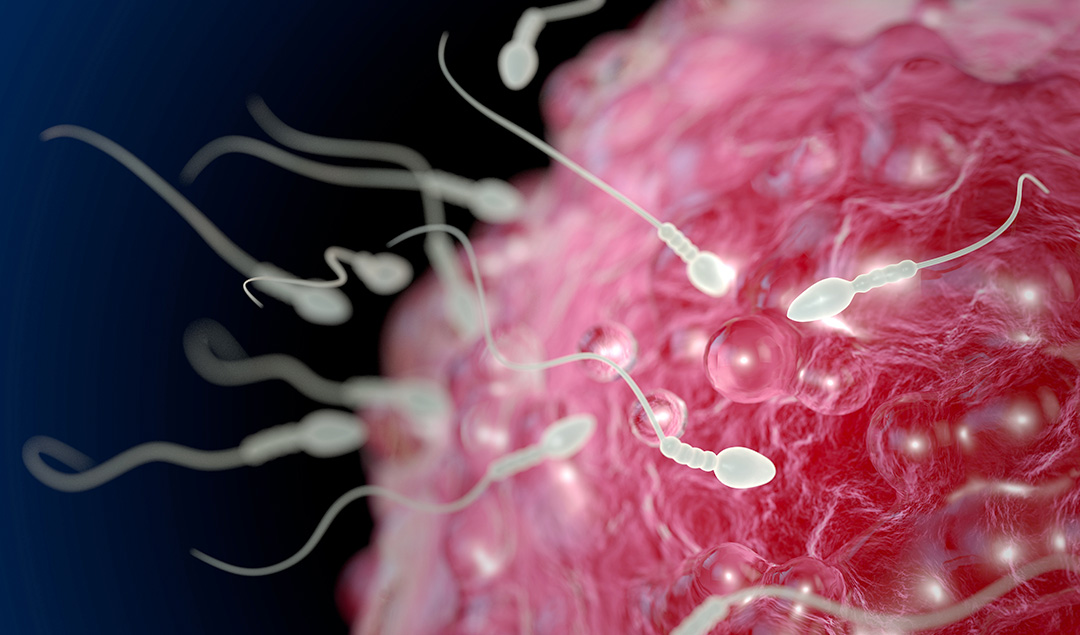
The sheer volume and complexity of information encoded within reproductive cells make them prime targets for “omics” technologies (genomics, proteomics, transcriptomics) and advanced computational analysis, particularly artificial intelligence (AI). These technologies are transforming our understanding of reproductive health, moving towards highly personalized and predictive approaches.
Genomics and Proteomics: Mapping the Reproductive Landscape
Genomics, the study of an organism’s entire genetic material, and proteomics, the large-scale study of proteins, are providing unprecedented detail about the molecular makeup of reproductive cells. High-throughput sequencing technologies can rapidly map the entire genome of a sperm, egg, or early embryo, identifying genetic variations, mutations, or predispositions to disease. This information is crucial for genetic counseling, preimplantation diagnosis, and understanding the genetic basis of infertility.
Proteomics complements genomics by revealing the functional output of genes – the proteins that actually carry out cellular processes. Understanding the proteome of gametes and embryos can provide insights into their quality, viability, and developmental potential, offering markers that might predict successful fertilization and implantation. These “omics” data sets are vast and complex, necessitating sophisticated bioinformatics tools and computational power for analysis and interpretation, linking directly to advances in digital technology.
AI in Embryo Selection and Diagnostic Imaging: Enhancing Precision
Artificial intelligence and machine learning are increasingly being deployed in reproductive medicine, particularly in areas requiring high-volume, nuanced pattern recognition. In IVF clinics, AI algorithms are being developed to analyze microscopic images of embryos and select those with the highest probability of successful implantation. By learning from thousands of past cases, AI can identify subtle morphological features that human embryologists might miss, potentially improving success rates and reducing the number of IVF cycles required.
Beyond embryo selection, AI is enhancing diagnostic imaging in reproductive health. It can assist in analyzing ultrasound scans of ovaries and uterus, identifying conditions like endometriosis or polycystic ovary syndrome (PCOS) with greater accuracy. Machine learning models are also being trained to interpret genetic sequencing data, identify causative mutations for infertility, or predict responses to fertility treatments, ushering in an era of more precise and personalized reproductive care.
Predictive Analytics for Fertility and Reproductive Success
The integration of “omics” data with clinical information and lifestyle factors, analyzed by predictive AI models, holds the promise of offering highly personalized fertility insights. These models aim to predict an individual’s reproductive lifespan, identify potential risks for infertility, and even tailor specific treatment protocols based on their unique biological profile. For instance, AI could analyze a woman’s hormonal profiles, genetic markers, and lifestyle data to provide a personalized fertility window or recommend proactive measures for fertility preservation. This shift from reactive treatment to proactive, personalized prediction represents a significant technological leap in managing reproductive health.
Ethical Compass and Societal Impact: Navigating the Reproductive Technology Frontier
As our technological capabilities concerning reproductive cells expand, so too do the ethical dilemmas and societal considerations. The power to manipulate the very beginning of life demands careful deliberation, regulatory foresight, and a profound understanding of the long-term implications for humanity.
The Promise and Peril of Germline Editing: Societal Debates
Germline gene editing, as mentioned, is perhaps the most contentious area. While the promise of eliminating inheritable diseases like cystic fibrosis or Huntington’s disease is compelling, the “peril” lies in the potential for unintended consequences, irreversible changes to the human gene pool, and the slippery slope towards non-medical “enhancements.” Societal debates revolve around fundamental questions: Who decides which traits are desirable? Will such technologies exacerbate existing social inequalities? What are the ecological implications of altering human evolution? These discussions require interdisciplinary input from scientists, ethicists, policymakers, and the public to forge a path that balances innovation with responsibility.
Accessibility and Equity in Reproductive Technologies
Many advanced reproductive technologies, including IVF and genetic screening, are expensive and often not covered by standard health insurance. This creates a significant disparity in access, with these life-altering technologies largely available only to those with significant financial resources. From a societal perspective, this raises questions of equity and justice: Should access to technologies that enable family building or prevent genetic disease be a privilege rather than a right? Technologists and policymakers face the challenge of making these innovations more affordable and widely available, perhaps through economies of scale, public funding, or novel business models for healthcare delivery.
Regulatory Frameworks and Responsible Innovation
The rapid pace of technological development often outstrips the ability of regulatory bodies to keep up. Developing robust, adaptable, and ethically informed regulatory frameworks is crucial for ensuring responsible innovation in reproductive technologies. This involves establishing clear guidelines for research, clinical application, and the commercialization of new techniques. International collaboration is also vital, given the global nature of scientific research and the potential for “fertility tourism” to jurisdictions with less stringent regulations. Striking a balance between fostering scientific progress and protecting individuals and society from potential harm is a delicate and ongoing task.
The Future of Reproduction: Beyond Traditional Paradigms
The journey from understanding “what is the reproductive cell” to actively shaping its future is far from over. Emerging technologies promise even more profound shifts, potentially redefining the very mechanisms of human reproduction and the biological limits we once perceived.
Artificial Gametes and In Vitro Gametogenesis (IVG)
One of the most exciting and potentially disruptive areas of research is In Vitro Gametogenesis (IVG). This technology aims to create functional sperm and egg cells from ordinary somatic cells (like skin cells) in a lab dish. If successful and safe for human application, IVG could revolutionize fertility treatment by providing an unlimited source of gametes, potentially enabling same-sex couples to have biological children related to both parents, or individuals to have children later in life without age-related fertility declines. It could also provide new avenues for studying gamete development and genetic diseases. The technical hurdles are immense, but the scientific progress in animal models is promising, positioning IVG as a future frontier of reproductive technology.
Uterus Transplantation and Ectogenesis: Expanding Reproductive Possibilities
Beyond the gametes themselves, technology is also pushing the boundaries of gestation. Uterus transplantation, though still a complex and risky procedure, has already enabled women without a functional uterus to carry pregnancies to term. Looking further into the future, the concept of ectogenesis – developing a fetus entirely outside the body in an artificial womb – represents the ultimate technological reimagining of gestation. While currently science fiction, early research into supporting premature infants outside the mother’s body hints at the long-term potential. These technologies, though still in early stages, challenge our most fundamental assumptions about biological reproduction and parental roles.
Cryopreservation and Biobanking: Preserving Reproductive Futures
The ability to cryopreserve (freeze) reproductive cells and embryos has already transformed fertility options. Egg, sperm, and embryo freezing allow individuals to preserve their fertility for various reasons, including medical treatments (like chemotherapy that can impair fertility), career planning, or simply delaying parenthood. Biobanking initiatives are collecting vast numbers of these cryopreserved cells, creating genetic libraries that could serve future research, reproductive needs, and even species conservation efforts. This technology offers individuals and societies unprecedented control over their reproductive timelines and futures, decoupling the biological imperative from immediate circumstance.
In conclusion, the reproductive cell, though seemingly a simple biological entity, is a world of immense complexity and profound technological implication. From its intrinsic genetic programming to the sophisticated tools developed to manipulate and analyze it, understanding this fundamental unit is central to navigating the future of biotechnology, medicine, and human society itself. As we continue to decode its mysteries and harness its potential, the ethical compass must always guide our hands, ensuring that our innovations serve humanity wisely and equitably. The journey into the reproductive cell is a testament to our relentless pursuit of knowledge and our enduring desire to shape the very fabric of life.
aViewFromTheCave is a participant in the Amazon Services LLC Associates Program, an affiliate advertising program designed to provide a means for sites to earn advertising fees by advertising and linking to Amazon.com. Amazon, the Amazon logo, AmazonSupply, and the AmazonSupply logo are trademarks of Amazon.com, Inc. or its affiliates. As an Amazon Associate we earn affiliate commissions from qualifying purchases.