
The arrival of a new year often brings a mix of resolution-making and administrative dread, primarily centered around one question: “When can I do taxes?” For many, the tax filing season is viewed as a hurdle to overcome, but for the savvy individual, it is a critical component of a broader personal finance strategy. Understanding the timeline of the Internal Revenue Service (IRS), the availability of financial documentation, and the strategic advantages of early filing can transform a stressful obligation into an opportunity for financial optimization.

Navigating the tax calendar requires more than just knowing a single deadline. It involves a deep dive into when documents become available, how to leverage financial tools for accuracy, and how to manage your cash flow effectively. Whether you are an employee with a single W-2 or a business owner managing complex income streams, timing is everything.
Understanding the IRS Calendar and Key Deadlines
The IRS typically begins accepting and processing individual tax returns in late January. While you may be eager to submit your forms as soon as the clock strikes midnight on New Year’s Eve, the system is not immediately prepared to receive them. The “start date” is officially announced by the IRS each year, usually falling between January 20th and January 29th.
The Official Tax Season Opening
The opening of the tax season signifies the moment the IRS systems are live and capable of performing the complex validations required for millions of returns. Filing before this date—though some software providers allow you to “submit” early—simply means your return sits in a queue. Understanding this helps manage expectations regarding your refund timeline. For the 2024 tax year (filed in 2025), aiming for late January is the most realistic starting point for those who have all their documentation in hand.
Crucial Deadlines You Cannot Afford to Miss
While the start date is flexible, the end date is generally fixed. For most taxpayers, the deadline to file is April 15. If the 15th falls on a weekend or a holiday, the deadline is pushed to the next business day.
- April 15: The primary deadline for individual returns and for paying any taxes owed to avoid interest and penalties.
- October 15: The extension deadline. While an extension gives you more time to file your paperwork, it does not give you more time to pay. Any estimated tax liability must still be paid by the April deadline.
What Happens if You File Early vs. Late?
Filing as soon as the IRS opens offers several financial benefits. First, it accelerates the receipt of any refund owed to you, which can then be redirected into high-yield savings accounts or investment vehicles. Second, early filing is a primary defense against identity theft. If you file before a fraudster attempts to use your Social Security number, their fraudulent return will be rejected. Conversely, filing late without an extension results in failure-to-file penalties, which can be as high as 5% of the unpaid taxes for each month the return is late.
Maximizing Your Refund Through Strategic Timing
The question of “when” you can file is often dictated by when your financial data is finalized. You cannot accurately file your taxes until you have a complete picture of your annual income and deductible expenses. This requires a synchronized arrival of various forms from employers, financial institutions, and government agencies.
When Do Employers and Banks Send Tax Documents?
By law, employers are required to send W-2 forms to employees by January 31. Similarly, 1099 forms (for freelancers, interest, or dividends) must typically be postmarked or digitally available by the same date. However, some brokerage firms may request extensions for 1099-B forms if they involve complex cost-basis reporting, sometimes pushing delivery into mid-February. It is a common financial mistake to file based on your final pay stub rather than the official W-2, as discrepancies can trigger IRS audits or “math error” notices.
The Advantage of Filing as Soon as You Have Your Paperwork
Once your documents are in hand, the “Golden Window” for filing opens. This is typically the first two weeks of February. Filing during this window ensures you are at the front of the processing line before the mid-season rush and the late-April bottleneck. From a personal finance perspective, a tax refund is an interest-free loan you’ve given to the government. The sooner you reclaim those funds, the sooner that capital can start working for you through debt reduction or asset accumulation.
Identifying Potential Delays in Refund Processing
Even if you file early, certain financial choices can delay your refund. For instance, taxpayers claiming the Earned Income Tax Credit (EITC) or the Additional Child Tax Credit (ACTC) are subject to the PATH Act. This law requires the IRS to hold refunds for these specific taxpayers until mid-to-late February to prevent fraudulent claims. Understanding these nuances allows you to plan your household budget without relying on a “quick” refund that might be legally delayed.
Leveraging Financial Tools for Seamless Filing
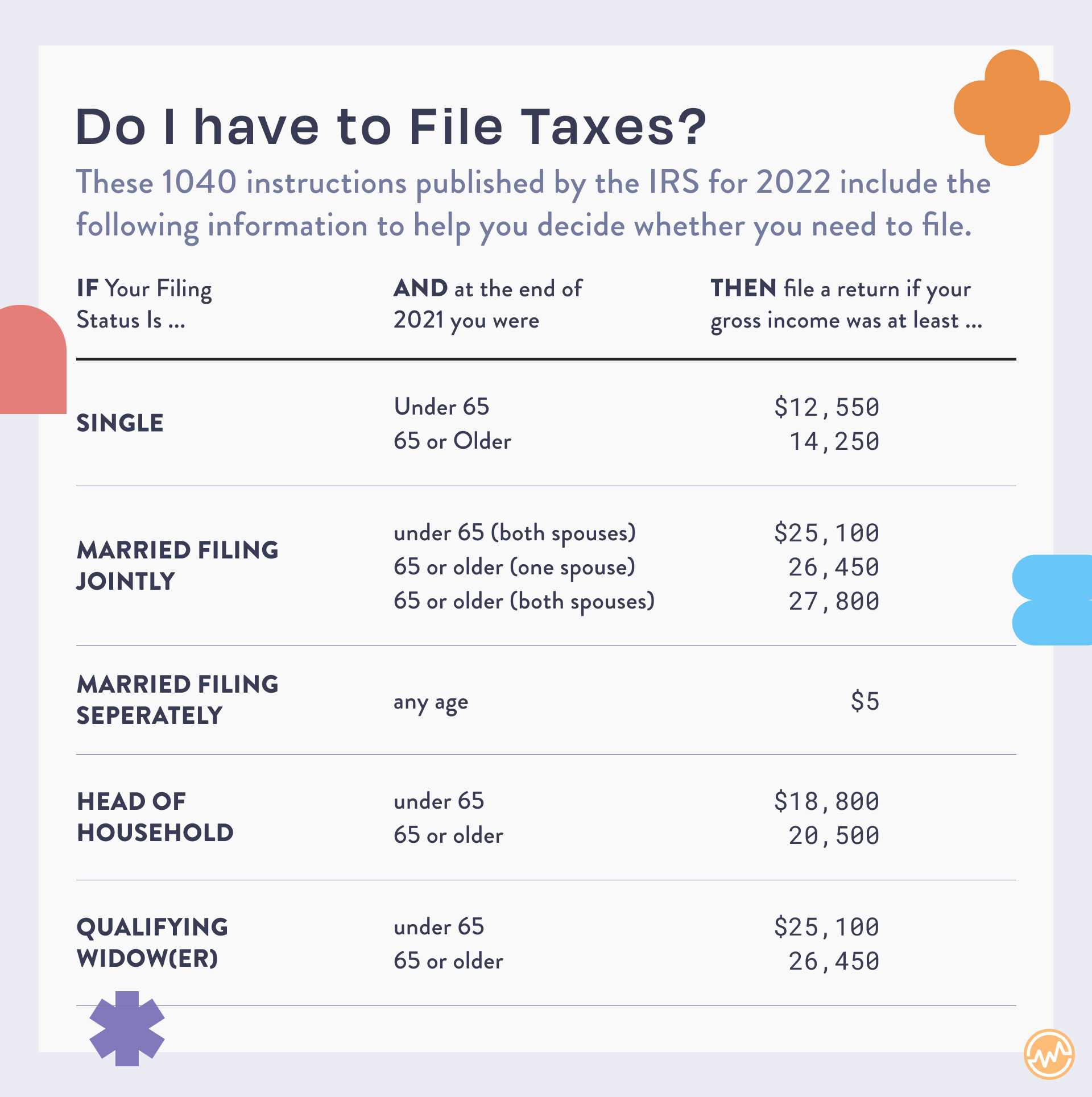
In the modern financial landscape, “when” you do your taxes is heavily influenced by “how” you do them. The tools you use can significantly shorten the preparation time, allowing you to file the moment the IRS opens its doors.
Digital Solutions for Tracking Deductions
The most organized taxpayers are those who use financial management apps throughout the year. Tools that sync with your bank accounts to categorize expenses can generate a “tax-ready” report in seconds. If you are a small business owner or a freelancer, using software to track 1099-NEC income and deductible business expenses (like home office costs or equipment) means you aren’t scrambling in March to find receipts. This proactive data collection is the cornerstone of efficient tax management.
Choosing Between Manual Filing and Professional Software
The complexity of your financial profile dictates when you should start the process.
- Simple Returns: If you have a single W-2 and no dependents, “Free File” software provided by the IRS is often available as soon as the season opens.
- Complex Portfolios: If you have K-1s from partnerships, rental properties, or significant cryptocurrency trades, you should begin organizing your data in early January but expect to file in late February or March due to the complexity of the forms involved.
Integrating Tax Planning into Your Annual Budget
Tax filing should not be viewed as a standalone event. Instead, it should be integrated into your annual financial check-up. When you prepare to file, take the time to review your retirement contributions (401k or IRA) and Health Savings Account (HSA) limits. In many cases, you have until the April filing deadline to make contributions that count toward the previous tax year, potentially lowering your taxable income and increasing your refund at the very last minute.
Navigating Complex Tax Situations
For many, the standard filing window is complicated by diverse income streams. As the “gig economy” continues to grow, more individuals find themselves navigating the intersection of personal and business finance.
Side Hustles and Self-Employment Considerations
If you earn more than $400 from self-employment, you are required to file a tax return and pay self-employment tax. This changes the “when” of your tax duties from an annual event to a quarterly one. To avoid underpayment penalties, you should be making estimated tax payments in April, June, September, and January. If you only think about taxes in the spring, you may find yourself facing significant interest charges on income earned early in the previous year.
Handling Investment Income and Capital Gains
The rise of retail investing has introduced a new layer of timing complexity. Selling stocks, bonds, or digital assets triggers capital gains or losses. The timing of these sales—whether they were held for more than a year (long-term) or less (short-term)—drastically changes the tax rate you pay. When preparing to do your taxes, ensure you have downloaded all 1099-B forms. If you traded frequently, consider using specialized tax software that aggregates exchange data to ensure every transaction is accounted for.
Tax Strategies for High-Net-Worth Individuals
For those in higher tax brackets, the question of “when” to do taxes often revolves around “tax loss harvesting.” This is the practice of selling losing investments to offset gains, thereby reducing the overall tax liability. While the filing happens in the spring, the strategic work must be completed by December 31. Reviewing your portfolio in late Q4 allows you to enter the filing season with a clear strategy to minimize what you owe.
Long-Term Financial Planning Beyond the Deadline
The moment you hit “submit” on your tax return is actually the best time to start planning for the next year. Tax preparation provides a unique snapshot of your financial health, revealing exactly how much you earned, how much you spent, and how much you contributed to your future.
Adjusting Withholdings for the Upcoming Year
If you receive a massive refund, it means you have been over-withholding from your paycheck. While a large check feels like a windfall, from a money management perspective, it is inefficient. You could have had that money in each paycheck to invest or pay down high-interest debt. Use the IRS Withholding Estimator immediately after filing to adjust your W-4 form with your employer, ensuring your “tax season” is balanced next year.
Building a Tax-Efficient Investment Portfolio
Understanding your tax bracket during the filing process should inform your investment choices for the year ahead. If you find yourself in a high bracket, you might prioritize tax-advantaged accounts like a 401(k) or a municipal bond fund. If you are in a lower bracket, a Roth IRA might be more beneficial, as you pay taxes now at a low rate to enjoy tax-free withdrawals later.

Quarterly Reviews: The Key to Stress-Free Filing
The best way to answer “when can I do taxes” is to realize that tax management is a year-round discipline. By conducting quarterly reviews of your income and expenses, you eliminate the “April surprise.” This proactive approach ensures that when the IRS finally opens its doors in January, you are not just ready to file—you are ready to optimize your wealth for the years to come. Professional financial health is built on the foundation of preparation, and the tax season is the ultimate test of that structure.
aViewFromTheCave is a participant in the Amazon Services LLC Associates Program, an affiliate advertising program designed to provide a means for sites to earn advertising fees by advertising and linking to Amazon.com. Amazon, the Amazon logo, AmazonSupply, and the AmazonSupply logo are trademarks of Amazon.com, Inc. or its affiliates. As an Amazon Associate we earn affiliate commissions from qualifying purchases.