
The question “what is the pay for a congressman?” often arises from a mixture of public curiosity, fiscal scrutiny, and a genuine interest in the financial realities of holding one of the most significant public offices in the United States. Far from being a simple salary figure, the compensation package for a member of the U.S. Congress is a multi-faceted structure encompassing base salary, a suite of benefits, allowances for official duties, and complex ethical considerations regarding outside income and financial transparency. Understanding this package is crucial for appreciating the financial incentives, challenges, and public trust associated with serving in the nation’s legislative body. This article delves into the intricate financial landscape that defines a congressman’s pay, exploring not just the raw numbers but also the underlying systems, ethical frameworks, and the broader economic context. For anyone interested in personal finance, government spending, or the economics of public service, dissecting this compensation offers a unique window into the intersection of policy and personal wealth.
The Base Salary: A Publicly Disclosed Figure
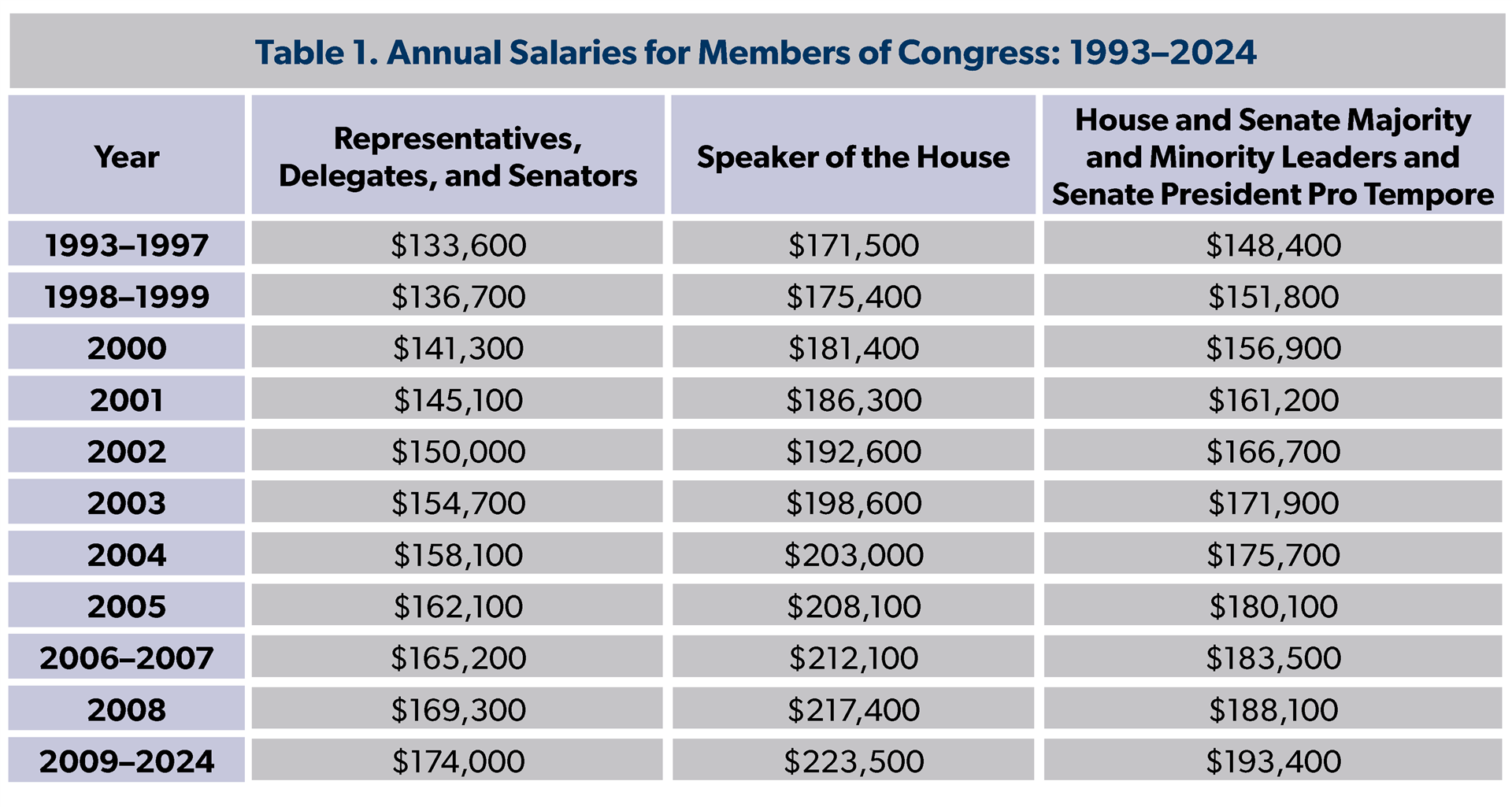
At the core of a congressman’s financial compensation is their annual base salary, a figure that is publicly disclosed and subject to congressional approval. This salary is standardized for all members of the House of Representatives and the Senate, reflecting a principle of equal pay for equal legislative responsibility, though leadership positions command higher compensation. The journey of this salary from its historical origins to its current level is a narrative woven with economic adjustments, political debates, and public opinion.
Current Salary Levels and Historical Context
As of the most recent adjustments, the base salary for a rank-and-file Member of Congress (both House Representatives and Senators) stands at $174,000 per year. This figure has remained constant for over a decade, with the last adjustment occurring in 2009. While this might seem like a substantial sum to the average American household, its context is vital. Historically, congressional salaries have evolved significantly. In 1789, members were paid $6 per day of attendance, a figure that fluctuated between per diem rates and annual salaries over the centuries. Significant increases, often met with public outcry, have punctuated this history, reflecting periods of inflation, economic growth, and changing perceptions of appropriate compensation for public service. For instance, the Ethics Reform Act of 1989 notably raised salaries while also banning honoraria, shifting the compensation more squarely to the salary itself and away from external speaking fees. Understanding this trajectory helps explain why the current figure, while static for years, is a product of long-standing legislative and economic considerations. Leadership positions, such as the Speaker of the House or the Majority/Minority Leaders in both chambers, receive slightly higher salaries, acknowledging their additional responsibilities and burdens, with the Speaker typically earning $223,500 and the other leaders $193,400.
Automatic Adjustments and Public Scrutiny
The mechanism for adjusting congressional salaries is rooted in the Ethics Reform Act of 1989, which established an annual cost-of-living adjustment (COLA) based on the Employment Cost Index (ECI). This provision allows for automatic increases unless Congress votes to decline them, a practice known as “freezing” the COLA. For much of the 21st century, particularly since 2009, Congress has indeed voted to freeze these automatic adjustments due to intense public scrutiny and political pressure. In an era where economic disparities are a key public concern, approving a pay raise for themselves, even one tied to inflation, is often seen as politically risky and can generate significant public backlash. This self-imposed restraint highlights the delicate balance between ensuring competitive compensation for public servants and responding to the prevailing economic sentiment of the electorate. While the intent of the automatic COLA was to depoliticize salary increases and ensure compensation keeps pace with inflation, the reality is that the political optics often outweigh the economic rationale, leading to prolonged freezes that can erode the purchasing power of the fixed salary over time, especially for members who lack significant personal wealth outside their congressional income.
Beyond the Salary: Comprehensive Benefits and Allowances
To focus solely on the base salary of a congressman would be to miss a significant portion of their financial and operational support. The compensation package extends far beyond the annual pay stub, encompassing a robust suite of benefits, office allowances, and reimbursements designed to facilitate their legislative duties and provide a degree of financial security commensurate with their high-stress, demanding roles. These elements are crucial for understanding the true financial value of congressional service and the operational resources available to each member.
Healthcare and Retirement Plans
Like many federal employees, Members of Congress are eligible for comprehensive healthcare and retirement plans. They can participate in the Federal Employees Health Benefits (FEHB) program, which offers a wide range of health insurance plans from various providers. However, under the Affordable Care Act, members and their staff must obtain health insurance through the health insurance exchanges established by the law or for those who qualify, through the DC Health Link small business health options program, with federal contributions toward premiums. This ensures they experience the healthcare marketplace similarly to many Americans, albeit with the significant financial backing of federal employment.
Regarding retirement, Members of Congress are typically covered by the Federal Employees Retirement System (FERS). This system comprises three components: a basic benefit plan, Social Security, and the Thrift Savings Plan (TSP), which is a defined contribution plan similar to a 401(k) with government matching contributions. To be eligible for a pension under FERS, members must serve at least five years. The specific amount of the pension depends on their length of service and the average of their highest three years of salary. This comprehensive retirement package provides a substantial long-term financial benefit, offering security well beyond their tenure in office, which is a significant draw for individuals considering a career in public service.
Office Budgets and Staffing Allowances (MRA)
Each Member of Congress is allocated a substantial budget known as the Members’ Representational Allowance (MRA). The MRA is a critical financial tool, not for the personal enrichment of the congressman, but for funding their official expenses. This allowance covers a broad spectrum of costs associated with running a congressional office, both in Washington D.C. and in their home district. The MRA can be used for staff salaries, official office expenses (such as rent, utilities, furniture, and supplies), and official travel. The specific amount of an MRA varies by member, primarily depending on the population and geographical size of their district, as well as the distance from Washington D.C., to account for differing operational needs.
The largest portion of the MRA is typically allocated to staffing. Members can hire a team of legislative assistants, press secretaries, caseworkers, and administrative staff, each playing a vital role in supporting the member’s legislative, constituent, and communication duties. The MRA also covers franking privileges, which allow members to send official mail to constituents without postage, provided certain rules are followed. This budget is subject to strict financial rules and oversight by the House and Senate Ethics Committees, ensuring that funds are used solely for official purposes and not for personal gain or campaign activities. The effective management of the MRA is crucial for a member’s operational efficiency and ability to serve their constituents.
Travel and Living Expenses (Per Diems, Housing)
Given that many Members of Congress do not reside permanently in Washington D.C., and regularly travel between the capital and their home districts, allowances for travel and living expenses are another significant component of their overall financial support. The MRA includes provisions for official travel expenses, covering airfare, ground transportation, and accommodations for the member and their staff when traveling for official business. This enables members to remain connected with their constituents, hold town halls, and perform oversight functions in their districts.
However, the question of living expenses in Washington D.C. has historically been a point of public discussion. While members do not receive a specific “housing allowance,” the cost of maintaining two residences (one in their home district and one in D.C.) can be substantial. Many members opt for more modest living arrangements in Washington or share housing to manage these costs. Per diems for meals and incidental expenses are also available when members are traveling away from their home or duty station on official business, following federal guidelines. These allowances are designed to offset the legitimate costs incurred while performing their duties, rather than to serve as additional personal income, and are also subject to stringent reporting and ethical guidelines.
Ethical Considerations and Financial Transparency
The financial dealings of public officials, particularly those holding positions of power like Members of Congress, are rightly subject to intense scrutiny. To maintain public trust and prevent conflicts of interest, a robust framework of ethical guidelines and financial disclosure requirements is in place. These rules aim to ensure transparency and accountability, mitigating the risk that personal financial interests might influence legislative decisions.
Restrictions on Outside Income and Financial Disclosure
To prevent undue influence and ensure that a congressman’s primary focus remains on their public duties, there are significant restrictions on the amount of outside earned income they can receive. Specifically, Members of Congress are prohibited from earning more than 15% of their official salary from outside sources. This limit applies to income derived from professional services, such as practicing law or consulting, but generally does not apply to passive income like dividends, interest, or capital gains from investments, nor does it typically restrict income from book royalties, provided the book is not tied to official duties. This distinction is crucial, as it allows members to maintain their personal investments while curbing opportunities for direct financial influence through paid professional services.
Furthermore, a cornerstone of congressional ethics is comprehensive financial disclosure. Members are required by the Ethics in Government Act of 1978 to file annual financial disclosure statements. These public documents detail a wide array of financial information, including sources and amounts of income (both earned and unearned), assets (stocks, bonds, real estate, trusts), liabilities (mortgages, loans), and transactions. While specific dollar amounts are often reported in broad ranges (e.g., $100,001 – $1,000,000), these disclosures provide the public with a snapshot of a member’s financial health and potential conflicts of interest. The goal is to allow citizens and watchdog groups to monitor members’ financial dealings and ensure they are not personally profiting from their legislative positions or voting on issues where they have a direct financial stake.
Lobbying Post-Service: The Revolving Door
A significant financial and ethical concern surrounding congressional service is the phenomenon known as the “revolving door,” where former Members of Congress transition into lucrative lobbying careers after leaving public office. While not directly part of a congressman’s “pay” during their tenure, the potential for future financial gain through lobbying can influence decisions made while in office. Federal law imposes “revolving door” restrictions, which are temporary cooling-off periods designed to prevent former officials from immediately lobbying their former colleagues or agencies. For former Senators, this period is two years; for former House members and certain senior staff, it is one year.
Despite these restrictions, the transition from lawmaker to lobbyist is a well-trot path, often leading to significantly higher earnings than a congressional salary. This raises ethical questions about whether members legislate with an eye toward future employment, potentially favoring industries or special interests that could later become their clients. Critics argue that the prospect of a high-paying lobbying job can create an incentive for members to cultivate relationships and expertise that are valuable to private interests, rather than solely serving the public good. The financial allure of post-congressional lobbying presents a complex challenge to maintaining strict ethical boundaries and public trust.
Public Trust and Accountability
Ultimately, the entire framework of congressional pay, benefits, allowances, and ethical rules hinges on the concept of public trust and accountability. Citizens expect their representatives to be motivated by public service, not by personal financial gain. The debates over congressional salaries, the scrutiny of allowances, and the concerns about financial ethics all reflect this fundamental expectation. When members are perceived to be enriching themselves or using their position for personal financial advantage, public trust erodes, leading to cynicism about the political process.
The various oversight bodies, such as the House and Senate Ethics Committees, are tasked with enforcing these rules and investigating alleged violations. Their role is critical in ensuring that members adhere to the high ethical standards required of public office. Moreover, the public’s constant vigilance, amplified by media scrutiny and the work of non-governmental organizations, plays a vital role in holding members accountable. The financial compensation of a congressman, therefore, is not just a matter of personal income; it is a barometer of the integrity of the institution itself and its relationship with the citizens it serves.
The Financial Reality of a Congressional Career
While the base salary and benefits of a Member of Congress might seem substantial on paper, the financial reality of pursuing and maintaining a congressional career is often more complex than meets the eye. It involves a unique blend of financial sacrifices, immense costs associated with campaigning, and a constant comparison to potential earnings in the private sector. Understanding these dynamics offers a more nuanced perspective on the financial incentives and challenges for those who choose public service.
Personal Financial Sacrifices vs. Opportunities
For many individuals, particularly those coming from high-earning professions like law, medicine, or successful business ventures, a congressional salary of $174,000 might represent a significant decrease in personal income. A successful lawyer or CEO could easily earn several times that amount in the private sector. In this context, serving in Congress can entail a real financial sacrifice, especially when considering the significant time commitment and the need to maintain two residences. This potential for financial sacrifice suggests that for many, the motivation to serve is driven by a genuine desire for public service, ideological commitment, or a pursuit of influence rather than purely monetary gain.
However, for others, particularly those from more modest backgrounds or less lucrative professions, a congressional salary can represent a significant financial uplift and a pathway to economic stability. Furthermore, while direct outside income is limited, the prestige and networking opportunities associated with congressional service can open doors to highly lucrative post-congressional careers, as seen in the lobbying world or corporate boards. So, while immediate personal financial sacrifice is common, the long-term financial opportunities that stem from the public profile and connections forged in Congress can be substantial, creating a unique financial trajectory for those who enter this field.
Campaign Financing and Personal Wealth
The journey to becoming a congressman is incredibly expensive. Running for federal office often requires raising millions of dollars, a process that can necessitate candidates to either possess significant personal wealth or dedicate an enormous amount of time to fundraising. While campaign funds are legally separate from personal finances, a candidate’s personal wealth can significantly impact their ability to self-fund or demonstrate financial viability, making the initial hurdle of entry much higher for those without substantial assets.
During their tenure, members continue to engage in fundraising for re-election campaigns, which can be a near-constant activity. While their salary supports their personal living expenses, the financial pressure of campaign finance weighs heavily on their time and attention. This intertwining of personal financial stability (via salary) with the constant need for campaign funding creates a unique financial environment where personal financial decisions can sometimes be overshadowed by the demands of political survival. The need to cultivate donors and maintain a strong campaign war chest is an ever-present financial consideration that impacts the overall economic experience of being a congressman.
Public vs. Private Sector Compensation Comparison
A common point of debate revolves around how congressional compensation compares to salaries in the private sector or even other public service roles. While $174,000 is a high salary compared to the median American income, it pales in comparison to the compensation packages of top executives in major corporations, leading lawyers, or even successful doctors and financial professionals. The argument is often made that to attract the most talented individuals to public service, compensation must be competitive with what they could earn elsewhere.
Conversely, critics argue that public service should not be about maximizing personal wealth, and that a congressional salary, combined with comprehensive benefits, is more than adequate. They point to the fact that congressmen are public servants funded by taxpayer dollars, and their compensation should reflect a commitment to service over personal enrichment. This ongoing tension between attracting talent and maintaining public trust defines much of the discourse around congressional pay. The reality is that for many, especially those coming from highly specialized or executive roles, the financial trade-off for public service is tangible, yet for others, it offers a secure and respectable income combined with immense influence and the opportunity to shape national policy.
The Broader Economic Impact and Public Perception
The financial compensation of Members of Congress extends beyond their personal balance sheets; it touches upon broader economic principles, taxpayer burden, and, critically, public perception of government efficiency and fairness. The discussion around “congressman pay” is rarely just about the numbers; it’s often a proxy for deeper societal concerns about wealth distribution, accountability, and the value placed on public service.
Taxpayer Burden and Economic Rationale
From a taxpayer perspective, the compensation of Members of Congress, along with their staff and operational budgets, represents a direct cost of governance. While the total cost of congressional salaries is a relatively small fraction of the overall federal budget, it is a highly visible and frequently scrutinized line item. The economic rationale for providing a competitive salary and robust benefits package is multifaceted: it aims to attract qualified individuals from diverse professional backgrounds, reduce the temptation for corruption (by providing a stable, sufficient income), and allow members to focus on their legislative duties without undue financial strain.
However, this rationale is often balanced against the public’s perception of value for money. When Congress is perceived as inefficient, gridlocked, or unresponsive, even a seemingly modest pay raise can be met with significant public backlash. The economic impact is not just in the direct outlay of funds but also in the opportunity cost: what other public services or investments could those funds support? This delicate balance underscores that the “pay for a congressman” is not merely an expense but an investment in the legislative process, whose perceived return on investment by the public heavily influences its acceptance.
The “Cost of Governance” Debate
The compensation package for a congressman is an integral part of the larger “cost of governance” debate. This debate encompasses not just salaries and benefits, but also the expenses associated with maintaining congressional buildings, staff salaries, travel, committee operations, and security. Critics often highlight the total operational costs of Congress, arguing for greater fiscal responsibility and efficiency. They might question the necessity of certain allowances or the number of staff members, especially when compared to legislative bodies in other nations.
Conversely, proponents argue that a robustly funded Congress is essential for effective governance in a complex modern society. They emphasize that the workload of a representative, balancing legislative duties, constituent services, and oversight responsibilities for a population of hundreds of thousands, requires significant resources. Adequately compensating staff, providing modern tools, and ensuring members can travel and maintain a presence in their districts are seen as vital investments in a functioning democracy. The debate is rarely about whether a congressman deserves any pay, but rather what level of compensation and resources is necessary and appropriate to ensure effective and ethical representation, without becoming an undue burden on taxpayers or a source of public resentment.
How Public Opinion Shapes Compensation Discourse
Perhaps no other aspect of a congressman’s financial reality is as sensitive as how it is perceived by the public. Public opinion plays an enormous role in shaping the discourse around congressional compensation. During times of economic hardship, high unemployment, or widespread financial insecurity, any discussion of congressional pay raises, even routine cost-of-living adjustments, is often met with widespread disapproval. This public sentiment can compel members to vote against their own pay raises, as has been the case for over a decade, despite the economic arguments for keeping pace with inflation.
The media also plays a significant role in framing this narrative, often highlighting congressional pay in contrast to the struggles of average citizens. This constant public and media scrutiny creates an environment where congressional compensation is not merely an administrative detail but a potent symbol. It becomes a litmus test for whether elected officials are “in touch” with the economic realities of their constituents. This dynamic means that any comprehensive understanding of “what is the pay for a congressman” must include an acknowledgment of its symbolic weight and the powerful influence of public perception on both policy decisions regarding compensation and the broader reputation of the legislative branch itself. The financial specifics are important, but their interpretation through the lens of public trust is paramount.
aViewFromTheCave is a participant in the Amazon Services LLC Associates Program, an affiliate advertising program designed to provide a means for sites to earn advertising fees by advertising and linking to Amazon.com. Amazon, the Amazon logo, AmazonSupply, and the AmazonSupply logo are trademarks of Amazon.com, Inc. or its affiliates. As an Amazon Associate we earn affiliate commissions from qualifying purchases.