
In the hyper-competitive world of pharmaceuticals, a product is rarely defined by its chemical composition alone. While a chemist might recognize a compound as cyclobenzaprine or metaxalone, the public knows them as Flexeril or Skelaxin. This transition from a complex molecular structure to a household name is not accidental; it is the result of a rigorous, multi-million-dollar brand strategy. In the niche of muscle relaxants, the “name” of the drug is the most valuable asset a company owns, serving as a bridge between clinical efficacy and consumer trust.
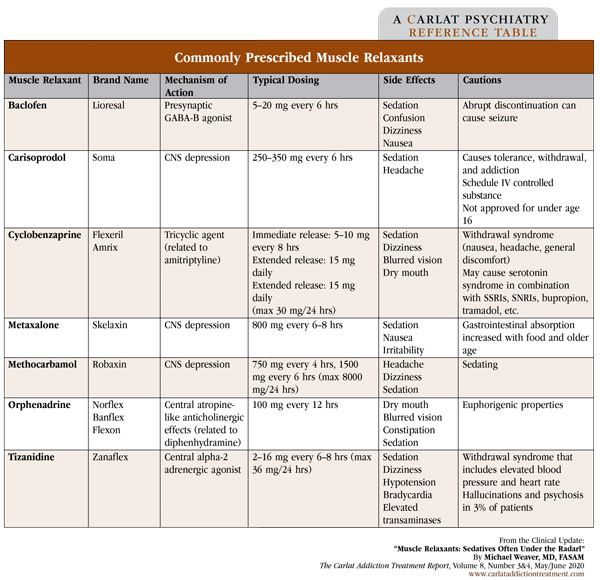
Understanding the naming conventions of muscle relaxers requires a deep dive into the intersection of linguistics, psychology, and corporate identity. For a brand strategist, these names are masterclasses in phonetic symbolism—the study of how specific sounds evoke physical sensations or emotional responses.
The Art and Science of Pharmaceutical Naming
The process of naming a muscle relaxant is a high-stakes endeavor that involves creative agencies, linguistic experts, and legal teams. The goal is to create a name that is memorable, easy to pronounce, and suggestive of the drug’s benefit without violating strict regulatory guidelines.
Phonetic Symbolism and Consumer Perception
In branding, “fricatives” (sounds like f, v, s, z) and “liquids” (l, r) are often used to convey smoothness, flow, and ease. When a patient is seeking a muscle relaxer, they are looking for the cessation of tension. Brand names like Zanaflex or Soma utilize these soft, flowing sounds to subconsciously signal relief and relaxation.
Conversely, “plosives” (b, p, t, d, k, g) suggest strength and immediate action. Baclofen (while a generic name) or Robaxin use these harder consonants to project a sense of structural integrity and robustness. By selecting specific phonemes, brand architects can influence how a physician or patient perceives the “personality” of the medication before the first pill is even swallowed.
The Regulatory Hurdles of the FDA and EMA
Naming a drug is not a free-for-all. Organizations like the FDA (U.S. Food and Drug Administration) have strict “Look-Alike, Sound-Alike” (LASA) protocols. A brand name cannot be too similar to an existing medication to prevent pharmacy errors. Furthermore, a name cannot be overtly “promotional.” For example, a company could likely not name a muscle relaxer “Insta-Cure” or “Muscle-Fix,” as these imply a guaranteed outcome. Brand strategists must navigate these restrictions by creating “suggestive” names rather than “descriptive” ones—finding the “sweet spot” where the brand hints at its function while remaining a unique, protectable trademark.
Case Studies: Breaking Down the Industry Giants
To understand how brand strategy dominates the muscle relaxant market, we must analyze the specific identities of the most successful products. These names have become so ingrained in the medical lexicon that they often overshadow their generic counterparts.
Flexeril: The Power of Descriptive Suggestion
Flexeril (cyclobenzaprine) is perhaps the most iconic brand name in the muscle relaxant category. From a branding perspective, it is a masterpiece. The root word “Flex” immediately connects the product to the muscular system and movement. The suffix “-eril” provides a clinical, authoritative sound. The name suggests that the product will help the user “flex” again or return to their natural state of mobility. Even though the brand-name version is no longer the primary driver of sales in the generic era, the “Flexeril” name remains the primary search term for patients and the shorthand used by doctors.
Skelaxin: Creating Structural Associations
Skelaxin (metaxalone) takes a different approach by focusing on the skeletal system. By incorporating the “Skel-” prefix, the brand creates an immediate mental association with the “musculoskeletal” system. The use of the letter “X” in the middle of the name is a common pharmaceutical branding trope; “X” is often perceived as high-tech, precise, and potent. This positions Skelaxin not just as a relaxant, but as a precise tool for structural relief.
Robaxin: Reliability Through Alliteration
Robaxin (methocarbamol) utilizes the “Ro-” prefix, which can be linked to “robust” or “robot” (implying mechanical fix), but more importantly, it utilizes a strong, rhythmic structure. It sounds dependable. The brand strategy here focuses on the “workhorse” identity—a reliable, time-tested solution for back pain and spasms.
Branding the “Invisible” Benefit: Marketing Relief and Mobility
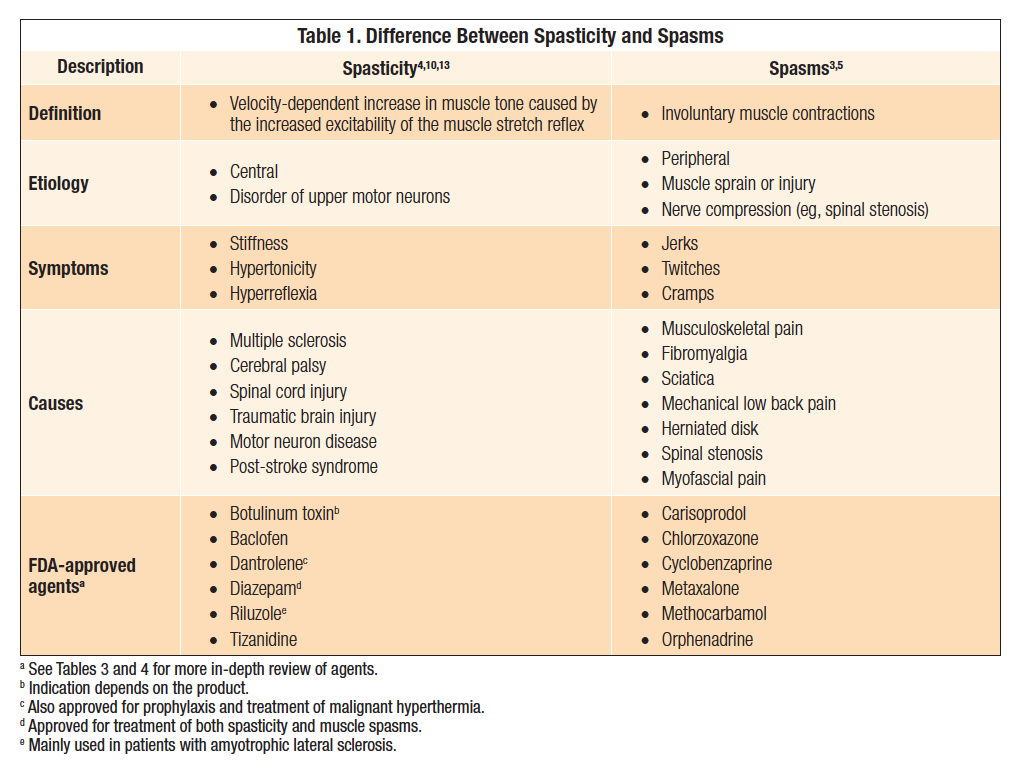
In the world of corporate identity, branding a pharmaceutical product is unique because the consumer doesn’t “experience” the product in the traditional sense; they experience the absence of a negative (pain). Therefore, the branding must focus on the “after” state: mobility, freedom, and the return to normalcy.
Visual Identity and Packaging Design
The visual identity of muscle relaxant brands often leans heavily into specific color palettes. Blues and greens are dominant, as they are psychologically associated with calm, tranquility, and healing. You will rarely see a muscle relaxant brand using aggressive reds or oranges, as these colors are associated with inflammation and heat—the very things the patient is trying to escape.
The typography used in logos for brands like Zanaflex often features rounded edges and fluid lines. This is a deliberate design choice to mirror the desired physical state of the patient’s muscles: supple, flexible, and free of sharp, jagged pain.
Emotional Branding vs. Functional Efficacy
While the “name” of the muscle relaxant provides the functional hook, the brand strategy often pivots to emotional storytelling. Modern pharmaceutical marketing focuses on “lifestyle restoration.” The brand is positioned not as a chemical intervention, but as the key to picking up a grandchild, returning to a hobby, or sleeping through the night. By branding “relief” rather than “muscle relaxation,” companies create a deeper emotional resonance with the consumer.
Generic vs. Brand Name: The Battle for Market Authority
One of the greatest challenges in the pharmaceutical brand space is the “patent cliff.” When a brand loses its exclusivity, generic versions (like cyclobenzaprine) enter the market at a fraction of the cost. At this stage, the brand name must rely on “Brand Equity” to survive.
Trust as a Competitive Advantage
Many patients and physicians continue to prefer the brand-name version of a muscle relaxer even when cheaper generics are available. This is the “Placebo of the Brand.” The familiarity of the name, the professional packaging, and the historical reputation of the manufacturer create a “Trust Premium.” In the mind of the consumer, the name Flexeril carries more weight than the multi-syllabic, hard-to-pronounce Cyclobenzaprine.
Retaining Brand Equity After Patent Expiry
When a pharmaceutical company sees a patent expiry approaching, they often engage in “Line Extension” branding. They might release a “Long-Acting” (LA) or “Extended-Release” (ER) version of the drug under the same brand umbrella. This allows the company to transition the brand’s value to a new, protected entity, ensuring that the “name” continues to generate revenue and maintain its market position against generic competitors.
The Future of Pharmaceutical Identity
As we move into a more digital-centric world, the way muscle relaxants are named and branded is evolving. The “name” must now be SEO-friendly, easy to type into a search bar, and distinctive enough to own a digital footprint.
Global Brand Consistency
In the past, a drug might have different names in different countries. However, modern brand strategy favors “Global Brands.” Having one name—like Sirdalud or Lioresal—across multiple markets creates a unified corporate identity. It simplifies global marketing campaigns and ensures that as patients travel and share information online, the brand message remains consistent.
Digital Branding in the Patient-Centric Era
The “name” of a muscle relaxer is no longer just on a pill bottle; it’s an ecosystem. Top brands are now creating companion apps, digital physical therapy guides, and online communities centered around their brand names. By doing this, the name of the muscle relaxer becomes synonymous with a holistic “wellness journey” rather than just a temporary pharmacological fix.
In conclusion, the question “what is the name of muscle relaxers” is not just a medical inquiry; it is a gateway into a complex world of strategic branding. From the phonetic construction of names like Zanaflex to the emotional positioning of Flexeril, the pharmaceutical industry spends billions to ensure that when a patient thinks of relief, they think of a specific, trademarked identity. These names are carefully crafted vessels of trust, efficacy, and the promise of a pain-free life.
aViewFromTheCave is a participant in the Amazon Services LLC Associates Program, an affiliate advertising program designed to provide a means for sites to earn advertising fees by advertising and linking to Amazon.com. Amazon, the Amazon logo, AmazonSupply, and the AmazonSupply logo are trademarks of Amazon.com, Inc. or its affiliates. As an Amazon Associate we earn affiliate commissions from qualifying purchases.