
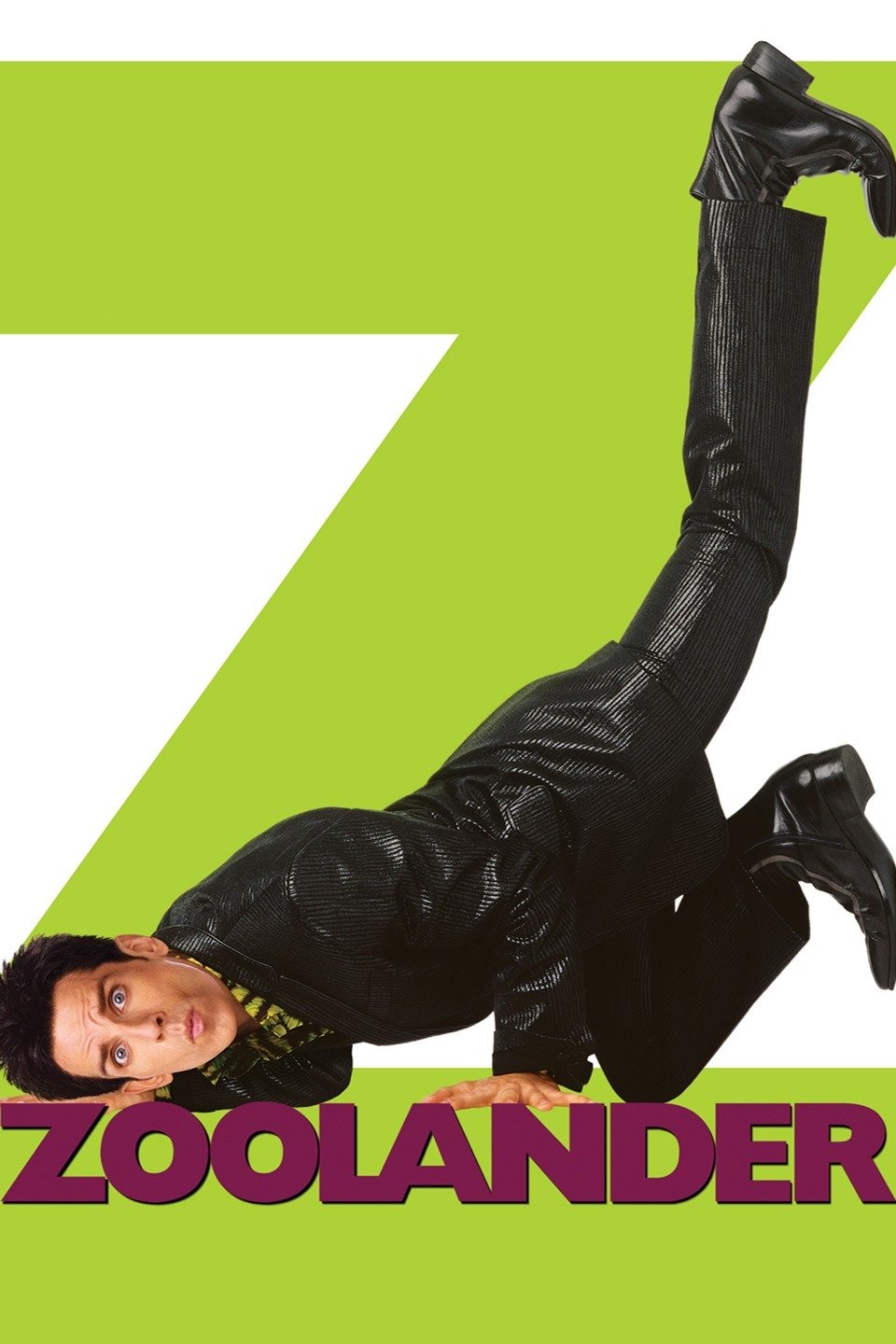
On the surface, the 2001 film Zoolander is a cult-classic comedy known for its absurd dialogue, over-the-top performances, and “really, really, ridiculously good-looking” protagonist. However, beneath the layers of orange mocha frappuccinos and walk-offs lies a sophisticated critique of brand strategy, personal branding, and corporate identity. For marketing professionals and brand strategists, Zoolander serves as an unintended textbook on how image is manufactured, maintained, and manipulated in the global marketplace.
To understand what Zoolander is about from a brand perspective, one must look past the sequins and see it as a narrative centered on the lifecycle of a brand—specifically, the rise, fall, and weaponization of a personal identity in a hyper-saturated media landscape.

The Anatomy of a Personal Brand: Derek Zoolander as a Case Study
At its core, the movie is a deep dive into the construction of a personal brand. Derek Zoolander is not just a person; he is a product. His value is derived entirely from his visual consistency and his ability to command market attention through a singular, recognizable “look.”
The Power of Visual Signature: Blue Steel and Brand Differentiation
In the world of branding, differentiation is everything. Derek Zoolander’s “Blue Steel” is a masterclass in establishing a visual trademark. While the movie mocks the idea that all his looks (Ferrari, Le Tigre, Magnum) are identical, it highlights a fundamental truth in brand strategy: consistency creates recognition.
A brand that changes its core identity too frequently confuses its audience. By sticking to a singular, albeit ridiculous, expression, Derek ensures that his “brand” is unmistakable. In professional branding, this is akin to a signature color palette or a specific logo lockup that remains unchanged for decades. Derek’s face is his logo, and “Blue Steel” is his brand equity.
The Vulnerability of Brand Obsolescence
The conflict of the film begins when Derek’s brand identity is challenged by a “new product” on the market: Hansel. Hansel represents the shift in consumer trends—moving from the polished, high-glamour aesthetic of the 90s to the “boho-chic,” effortless vibe of the early 2000s.
This rivalry illustrates the dangers of brand stagnation. Derek’s failure to innovate leads to his displacement at the Male Model of the Year awards. For brand strategists, this is a cautionary tale about the importance of market evolution. When a brand becomes a caricature of itself and fails to adapt to shifting cultural sentiments, it risks losing its “Model of the Year” status to more agile, trendy competitors.
Corporate Identity and the Villainy of Luxury Branding
If Derek represents the product, Jacobim Mugatu represents the corporate machinery and the aggressive marketing tactics of the luxury fashion industry. The film uses Mugatu to explore how brands use controversy and exclusivity to maintain power.
The “Derelicte” Campaign: Turning Controversy into Capital
One of the most poignant satirical elements of the film is Mugatu’s “Derelicte” fashion line. Inspired by the homeless, the campaign is a sharp critique of how high-end brands often engage in “poverty chic,” commodifying struggle for the sake of an avant-garde image.
From a brand strategy perspective, “Derelicte” is an example of provocative marketing. Mugatu understands that in the luxury world, being “liked” is less important than being “talked about.” By creating a campaign that is inherently offensive and exclusionary, he reinforces the brand’s identity as being for the elite—those “in the know” who can appreciate the “art” regardless of its social implications. This mirrors real-world corporate strategies where brands intentionally court controversy to generate earned media and solidify their status as industry disruptors.
Corporate Influence and Market Control
Mugatu’s plot to brainwash models to assassinate the Prime Minister of Malaysia is a hyperbolic metaphor for the lengths to which corporations will go to protect their bottom lines. The movie posits that the fashion industry—a multi-billion dollar brand ecosystem—relies on cheap labor to maintain its margins.
The “brand” of fashion, in this context, is a facade that hides the cold, calculated mechanics of business finance and supply chain management. The film suggests that corporate identity is often a curated mask designed to distract the public from the more ruthless aspects of global commerce.
Marketing the Absurd: How the Film Parodies Industry Trends
Zoolander excels at showcasing how marketing can make the nonsensical seem essential. Through its various subplots, the film explores the psychological triggers that marketers use to influence consumer behavior and industry perception.
The Lifestyle vs. The Utility
In the world of Zoolander, products are never about their utility; they are about the lifestyle they project. This is most evident in the “tiny flip-phone” gag. At the time of the film’s release, technology brands were racing to make devices smaller and more portable. The film takes this trend to its logical extreme, showing Derek with a phone so small it is barely functional.
This is a classic branding move: prioritizing form over function to signal status. When a brand successfully markets a lifestyle, the consumer is willing to overlook the product’s practical shortcomings. Derek doesn’t need a phone that works well; he needs a phone that signals he is at the forefront of a trend.
Celebrity Endorsements and Brand Associations
The film is packed with cameos from real-world fashion icons and celebrities, from David Bowie to Natalie Portman. This isn’t just for comedic effect; it reinforces the film’s theme of brand associations.
In marketing, the company you keep defines your brand. By surrounding Derek with legitimate icons of the fashion world, the movie establishes the “Zoolander” brand as a peer to real-world luxury. This mirrors how brands use influencer marketing and celebrity endorsements today to “borrow” credibility and prestige from established figures to bolster their own market position.
Brand Longevity and the Cult Classic Effect
Perhaps the most interesting aspect of Zoolander as a brand is its life outside the movie screen. Over twenty years later, the “Zoolander” brand remains relevant, demonstrating the power of a strong, well-defined identity.
From Satire to Reality: The Valentino Runway Walk
When Zoolander 2 was being promoted, Ben Stiller and Owen Wilson appeared in character as Derek and Hansel on the Valentino runway during Paris Fashion Week. This moment represented the ultimate blurring of the lines between a fictional brand and a real-world corporate identity.
The fashion industry, which was the target of the original film’s satire, eventually embraced the characters as part of its own brand narrative. This is a testament to the strength of the Zoolander persona. It transitioned from a parody of the industry to a legitimate asset within it, proving that a well-executed brand can eventually transcend its original medium.
The Memeification of a Brand
In the digital age, the longevity of a brand is often determined by its “memeability.” Zoolander has seen a massive resurgence in brand awareness through social media platforms like TikTok and Instagram. The “Zoolander Stare” has become a shorthand for vanity, confidence, and irony.
This organic reach is the dream of any brand strategist. It shows that the core elements of the Derek Zoolander brand—the visual signature and the personality—are so strong that they can be repurposed by new generations of “consumers” who may not have even seen the original film. This is the definition of a “Legacy Brand”—an identity that becomes a permanent fixture in the cultural lexicon.

Conclusion: The Lasting Impact of the Zoolander Brand
In summary, Zoolander is a film about the construction and survival of identity in a world dominated by image. It examines the mechanics of personal branding, the ruthlessness of corporate marketing, and the way in which a well-defined visual signature can create lasting market equity.
While the movie is undeniably a comedy, its insights into the world of branding are remarkably accurate. It reminds us that whether you are a world-class male model or a global corporation, your brand is your most valuable asset. It must be protected, it must be evolved, and—as Derek Zoolander teaches us—it must be “really, really, ridiculously” consistent. By understanding the strategic layers beneath the humor, we gain a better appreciation for how the film successfully parodied an industry by becoming an inseparable part of its brand history.
aViewFromTheCave is a participant in the Amazon Services LLC Associates Program, an affiliate advertising program designed to provide a means for sites to earn advertising fees by advertising and linking to Amazon.com. Amazon, the Amazon logo, AmazonSupply, and the AmazonSupply logo are trademarks of Amazon.com, Inc. or its affiliates. As an Amazon Associate we earn affiliate commissions from qualifying purchases.