
The question, “What is the movie The Graduate about?” transcends a mere plot summary. It invites a deeper exploration into the film’s essence, its impact, and its enduring presence in popular culture. From a brand perspective, The Graduate is not just a film; it is a meticulously crafted product that established a powerful brand identity, resonated deeply with its target audience, and continues to influence cultural narratives decades after its release. Understanding what The Graduate is “about” requires analyzing its core message, its aesthetic, its marketing resonance, and its lasting legacy, all through the lens of effective brand building.

The Graduate’s Brand Core: A Message of Disillusionment and Aspiration
At its heart, The Graduate is a compelling brand story of a young man, Benjamin Braddock, navigating the bewildering landscape of post-collegiate life. It’s a narrative rich with themes that struck a profound chord with a generation questioning societal norms and the pre-defined paths laid out before them. The film, released in 1967, perfectly encapsulated the anxieties, confusion, and budding rebellion of a specific socio-cultural moment, positioning itself as a voice for the inchoate feelings of countless young adults.
Capturing the Counter-Culture Zeitgeist
The Graduate arrived at a pivotal time in American history, nestled between the idealism of the early 1960s and the full bloom of the counter-culture movement. The traditional “American Dream” of suburban comfort, corporate careers, and conventional marriage was increasingly being viewed with skepticism by a younger generation. Benjamin’s aimlessness, his polite but persistent resistance to his parents’ expectations, and his cynical view of the adult world’s “plastics” advice, spoke volumes. The film’s brand message wasn’t just a story; it was a mirror reflecting the collective unease and the nascent desire for something more authentic than the material success preached by their elders. It successfully branded itself as the cinematic spokesperson for generational angst.
The Anti-Hero Brand Archetype: Benjamin Braddock
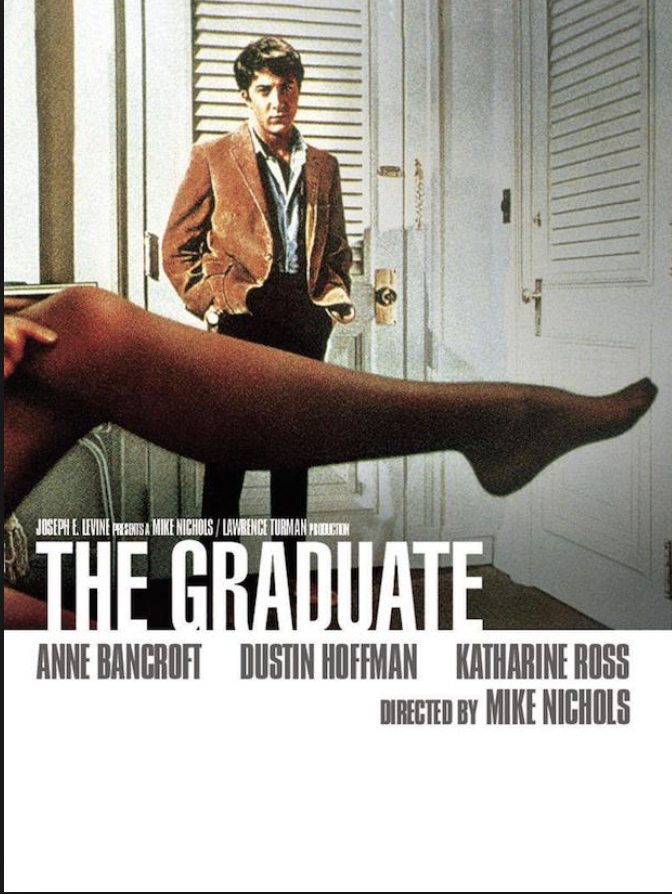
Dustin Hoffman’s portrayal of Benjamin Braddock is central to The Graduate‘s brand identity. Benjamin isn’t a charismatic leader or a traditional hero; he’s an awkward, intelligent, and deeply uncertain young man. This “anti-hero” archetype became a powerful brand element because it was relatable. His quiet rebellion, his struggle to articulate his desires beyond vague feelings of dissatisfaction, and his often passive approach to life made him an authentic representation of many young people’s internal struggles. He embodied the brand of the confused, yet inherently good-hearted, youth looking for meaning beyond the superficial. His affair with Mrs. Robinson, an older, equally disillusioned woman, further complicated this brand archetype, pushing boundaries and challenging conventional morality, which only amplified the film’s edgy, relevant brand image.
Crafting a Distinctive Cinematic Brand Aesthetic
Beyond its thematic depth, The Graduate established a distinctive brand through its visual and auditory elements. These choices were not incidental; they were integral to creating a cohesive and memorable brand experience that etched the film into the cultural consciousness.
The Visual Language: Mod Style and Suburbia
The film’s visual aesthetic is a crucial component of its brand identity. Director Mike Nichols employed innovative cinematography, often framing Benjamin alone in vast, empty spaces to emphasize his isolation, or placing characters strategically in the frame to highlight power dynamics. The contrast between the sun-drenched, manicured lawns of affluent California suburbia and the palpable sense of emotional emptiness within its inhabitants became a visual shorthand for the film’s core message. Furthermore, the fashion, particularly Mrs. Robinson’s sophisticated, predatory style and Benjamin’s signature turtleneck and blazer, became iconic. This visual branding transcended mere costume; it became symbolic of the characters’ internal states and their roles within the narrative, creating a strong, recognizable visual identity for the film’s brand.
The Sonic Identity: Simon & Garfunkel’s Enduring Score
Perhaps one of the most powerful and unique branding elements of The Graduate is its soundtrack, almost exclusively featuring songs by Simon & Garfunkel. Songs like “The Sound of Silence,” “Mrs. Robinson,” and “Scarborough Fair/Canticle” were not merely background music; they were woven directly into the narrative fabric, often commenting on Benjamin’s internal monologue or the film’s broader themes. “The Sound of Silence,” in particular, became an anthem for the film’s brand of youthful alienation and existential questioning. This strategic integration of music created an indelible sonic identity for the film, making the songs synonymous with the movie itself. The soundtrack became a marketing tool in its own right, selling millions of copies and further embedding The Graduate‘s brand into popular culture. It’s a prime example of how a well-curated auditory experience can significantly amplify a brand’s message and memorability.
Marketing the Revolution: Brand Resonance and Audience Engagement
The success of The Graduate was not accidental; it was the result of a profound resonance with its audience, amplified by strategic messaging that tapped into the prevalent cultural currents. The film’s marketing effectively positioned it as more than just entertainment – it was a cultural touchstone.
Strategic Messaging and Word-of-Mouth

The initial marketing of The Graduate highlighted its provocative elements – the scandalous affair, the generational clash, and the rebellious spirit. However, its true power lay in the organic word-of-mouth buzz it generated. Audiences felt seen and understood by the film’s depiction of youthful ennui and the search for authenticity. This created a powerful form of user-generated content before the digital age, as viewers actively discussed and recommended the film, sharing their interpretations and connections to Benjamin’s plight. The film’s brand message, subtly but powerfully, encouraged contemplation and conversation, transforming passive viewers into active brand advocates. This authentic engagement fueled its box office success and cemented its place in cultural dialogue.
Targeting a Generation in Flux
The Graduate masterfully targeted a specific demographic: young adults grappling with their identity and future. The film’s marketing recognized that this audience was hungry for stories that reflected their complex realities, not just escapist fantasies. By offering a nuanced, sometimes uncomfortable, portrayal of coming-of-age, the film positioned itself as a brand that understood and validated their experiences. It didn’t preach; it depicted. This approach fostered deep empathy and identification, making the film’s brand feel personal and relevant to its target demographic, turning it into a phenomenon that transcended typical cinematic appeal.
The Enduring Brand Legacy: Influence and Reinterpretation
Decades later, The Graduate continues to be a subject of discussion, analysis, and reinterpretation, proving the resilience and adaptability of its brand. Its influence extends far beyond its initial release, shaping subsequent narratives and contributing to an ongoing cultural dialogue.
Shaping Cinematic Narratives and Archetypes
The Graduate‘s brand legacy is evident in its lasting influence on cinema. It pioneered a style of filmmaking that blended comedy with poignant social commentary, paving the way for the “New Hollywood” era. The archetype of the disillusioned young protagonist, struggling against societal pressures, became a recurring motif in countless films and television shows. Characters like Benjamin Braddock and Mrs. Robinson became reference points, influencing the development of complex, morally ambiguous figures who resonate with audiences because of their flawed humanity. The film’s brand set a new standard for character depth and narrative daring, demonstrating how a singular story could redefine an entire genre.
A Brand for All Seasons: Continued Relevance and Cultural Dialogue
Despite being firmly rooted in the 1960s, The Graduate‘s core themes remain strikingly relevant. The struggle to find purpose in a world saturated with expectations, the quest for authentic connection, and the disillusionment with superficial success are timeless human experiences. This universal appeal allows The Graduate‘s brand to adapt and resonate with new generations, even as the specific cultural context shifts. Academics study it, filmmakers reference it, and new viewers discover its power. Its ambiguity, particularly the famous ending, invites endless reinterpretation, fueling continued dialogue and ensuring the brand remains vibrant and pertinent in contemporary cultural discourse.
Lessons for Modern Brand Builders from “The Graduate”
The enduring success of The Graduate offers invaluable lessons for modern brand builders, regardless of their industry. It demonstrates the power of authenticity, strategic storytelling, and a deep understanding of your audience.
Authenticity and Resonance Over Trend-Chasing
The Graduate succeeded because it was authentic to its time and its characters. It didn’t try to be what it wasn’t; it confronted uncomfortable truths and explored complex emotions. Modern brands often get caught up in chasing fleeting trends. The Graduate reminds us that true brand longevity comes from a genuine connection with your audience, built on honest messaging and relatable narratives that transcend temporary fads.
The Art of Memorable Storytelling
The film’s narrative is not just a sequence of events; it’s a carefully crafted story that evokes strong emotions and provokes thought. Every scene, every line of dialogue, and every musical cue contributes to a cohesive and powerful brand story. For contemporary brands, this means investing in compelling narratives that explain not just what they do, but why they do it, and what problem they solve or emotion they evoke. A strong brand story creates a lasting impression and fosters loyalty.
Building a Multi-Sensory Brand Experience
The Graduate masterfully integrated visual and auditory elements to create a holistic and immersive brand experience. The distinct cinematography and the iconic Simon & Garfunkel soundtrack worked in tandem to reinforce the film’s themes and emotional tone. Modern brands can learn from this by considering how every touchpoint – from visual identity and messaging to sound design and user experience – contributes to a unified and memorable brand perception. By engaging multiple senses, brands can create deeper connections and leave a more indelible mark on their audience.
In conclusion, “what is the movie The Graduate about?” is a question that reveals the anatomy of a powerful brand. It’s about more than Benjamin Braddock’s affair or his search for meaning; it’s about a product that successfully identified a cultural void, crafted a compelling narrative, established an iconic aesthetic, and resonated profoundly with its audience. Its sustained relevance and influence offer a masterclass in brand building, proving that a truly exceptional brand, born from authenticity and insight, can transcend generations and continue to shape cultural conversations for decades to come.
aViewFromTheCave is a participant in the Amazon Services LLC Associates Program, an affiliate advertising program designed to provide a means for sites to earn advertising fees by advertising and linking to Amazon.com. Amazon, the Amazon logo, AmazonSupply, and the AmazonSupply logo are trademarks of Amazon.com, Inc. or its affiliates. As an Amazon Associate we earn affiliate commissions from qualifying purchases.