
For generations, movie monsters have captivated audiences, sending chills down spines, igniting imaginations, and sparking countless conversations. More than mere creatures of nightmare, these cinematic titans, from the lumbering behemoths of classic horror to the insidious threats of modern thrillers, transcend their fictional origins to become powerful cultural touchstones. But what is the movie monster about? Beyond the immediate scares and special effects, the most enduring monsters are about far more: they are carefully crafted, strategically marketed, and culturally resonant brands. They possess distinct identities, evoke specific emotions, and maintain a remarkable longevity in the collective consciousness, offering invaluable insights into brand strategy, audience engagement, and the power of sustained narrative.
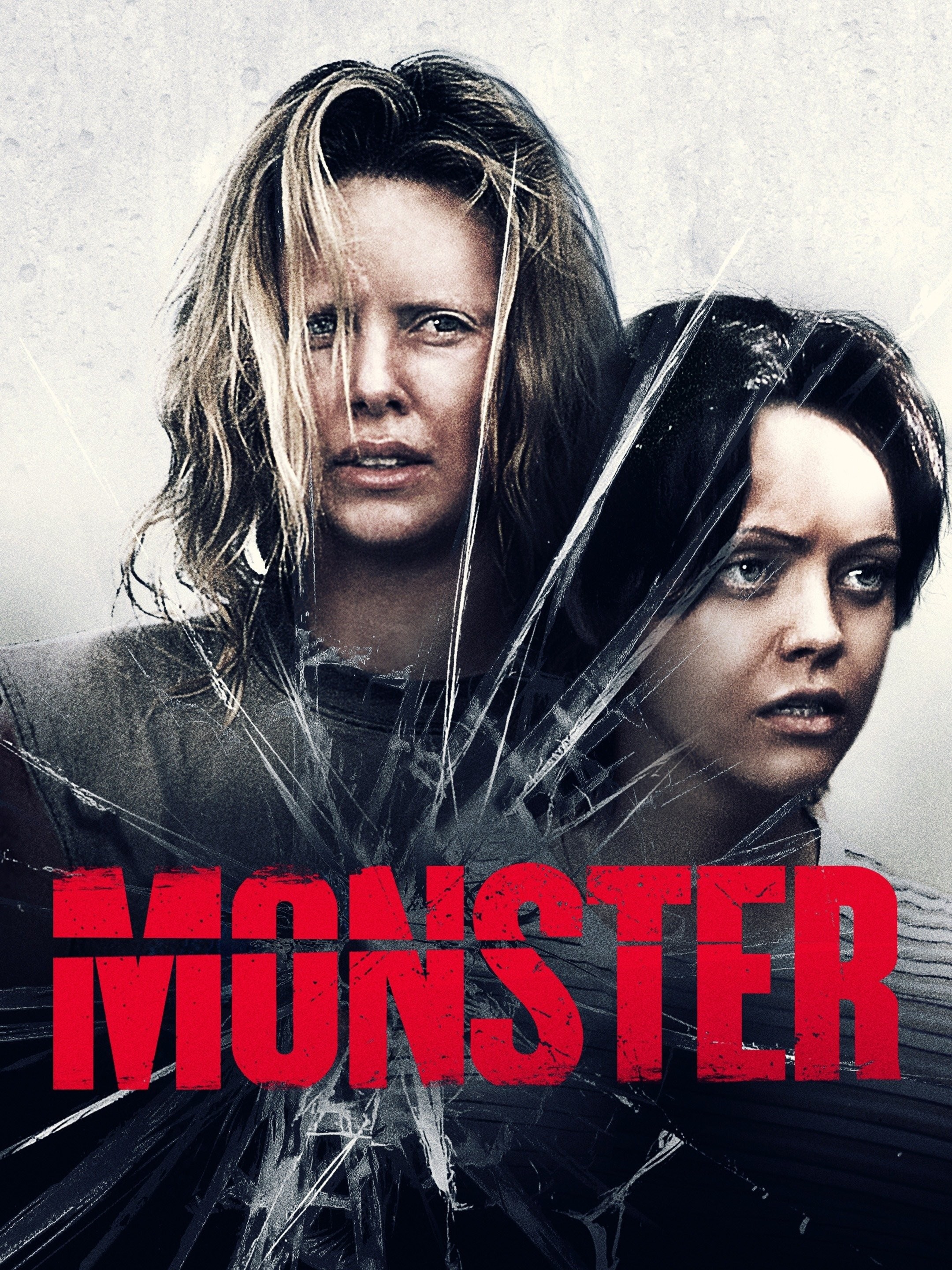
This article delves into the multi-faceted nature of the movie monster, examining how these terrifying entities function as potent brands. We will explore the elements that forge their identity, the strategies that propagate their awareness, and the mechanisms through which they sustain their formidable legacy, ultimately revealing why they remain an evergreen fixture in entertainment and culture.
The Anatomy of a Monster Brand: Identity and Archetypes
At the heart of every successful brand is a clear, compelling identity. For movie monsters, this identity is meticulously constructed, leveraging visual distinctiveness, compelling origin stories, and profound thematic resonance to create an indelible mark. This deliberate crafting transforms a mere antagonist into an iconic figure, instantly recognizable and deeply impactful.
Visual Identity: From Silhouette to Icon
A monster’s visual identity is its most immediate and powerful branding tool. Think of the iconic silhouette of Godzilla, the unsettling elongated head of the Xenomorph from Alien, or the striped sweater and fedora of Freddy Krueger. These aren’t just character designs; they are visual shorthand, instantly communicating fear, power, or psychological dread. Effective monster design relies on a blend of familiarity and uncanny strangeness, tapping into primal fears while also offering something uniquely memorable. The most successful monster brands boast a visual aesthetic so strong that it can be recognized even in its simplest form, akin to a corporate logo. This consistency in design, even across different iterations and reboots, reinforces the brand’s core identity and ensures instant recognition, which is a cornerstone of effective branding. The decision to make a monster sleek and terrifying, grotesque and pitiable, or imposing and majestic, directly influences its brand positioning and the audience’s emotional response.
Origin Stories: Crafting a Compelling Narrative
Every powerful brand has a foundational story, and movie monsters are no exception. Their origin stories provide context, motivation, and often, a deeper layer of horror or tragedy. Whether it’s a scientific experiment gone awry, an ancient curse awakened, a creature from another world, or a manifestation of human evil, the monster’s genesis is crucial to its brand narrative. A well-crafted origin story not only explains what the monster is but also hints at why it exists, often reflecting societal anxieties or moral failings. This narrative depth transforms a simple threat into a character with a history, adding complexity and giving the audience something to grapple with beyond jump scares. For instance, the tragic origins of Frankenstein’s Monster evoke sympathy alongside horror, while the cosmic, unknowable genesis of Lovecraftian horrors speaks to humanity’s insignificance. These stories become part of the monster’s brand lore, inviting deeper engagement and fostering a more loyal following.
Thematic Resonance: Monsters as Cultural Mirrors
The most enduring movie monster brands are never just about the monster itself. They are powerful metaphors, reflecting and embodying the anxieties, fears, and moral quandaries of the societies that create them. Godzilla, for instance, emerged as a symbol of nuclear devastation and humanity’s destructive power. Vampires have often represented forbidden desires or aristocratic decadence. Zombies frequently symbolize consumerism, contagion, or dehumanization. By tapping into these deeper thematic currents, monsters resonate on a profound psychological level, making their brand message far more impactful and timeless. This thematic depth elevates the monster from a transient threat to a cultural commentary, giving it layers of meaning that viewers can interpret and debate. This constant re-evaluation and discussion of what the monster represents is a powerful form of organic brand engagement, ensuring its continued relevance even as societal fears evolve.
Marketing the Menace: Building Brand Awareness and Engagement
Once a monster’s identity is forged, the next critical step is to strategically market it to build awareness and foster deep audience engagement. Like any successful product or service, a monster brand thrives on effective communication, creating anticipation, and cultivating a dedicated fanbase that transcends individual films.
Strategic Presentation: Trailers, Posters, and Merchandising
The initial introduction of a monster to the public is a masterclass in brand launch. Teaser trailers often focus on glimpses, sounds, or the terrifying aftermath of the monster’s actions, building suspense without revealing too much. Posters utilize powerful imagery, often featuring the monster’s iconic silhouette or a close-up of a key feature, to create instant recognition and convey the film’s tone. This strategic rollout is designed to create a “buzz,” generating conversations and speculation long before the film’s release. Beyond the initial marketing push, merchandising plays a crucial role in extending the monster’s brand presence. Action figures, comic books, video games, clothing, and collectibles turn the monster into a tangible product, allowing fans to own a piece of the brand. This widespread availability reinforces the monster’s iconography and transforms it into a part of everyday culture, akin to how corporate mascots or superhero brands saturate the market.
Fan Engagement and Community Building
The longevity of a monster brand often hinges on its ability to cultivate a passionate fanbase. This goes beyond passive viewing; it involves active engagement. Conventions, fan art, online forums, and dedicated websites create communities where enthusiasts can share theories, debate lore, and celebrate their favorite creatures. Filmmakers and studios often nurture these communities through behind-the-scenes content, Q&A sessions, and acknowledging fan contributions. This interactive relationship builds brand loyalty and creates a sense of ownership among the audience. When fans feel invested, they become brand ambassadors, actively promoting the monster through word-of-mouth and social media, which is an invaluable asset for any brand seeking to sustain its cultural footprint. This organic amplification is a testament to the emotional connection the monster brand has established.
Crossover Appeal and Transmedia Expansion
Truly successful monster brands understand the power of diversification. They aren’t confined to a single film or even a single medium. Crossover films (e.g., Freddy vs. Jason, Godzilla vs. Kong) strategically pit iconic brands against each other, reigniting interest and expanding their appeal to new demographics. Transmedia storytelling, extending the monster’s narrative into television series, comic books, novels, video games, and even theme park attractions, significantly broadens its reach and deepens its lore. Each new medium offers a fresh perspective and an opportunity to explore different facets of the monster’s brand identity. This strategic expansion transforms a singular character into a sprawling universe, solidifying its status as a robust and adaptable brand that can continuously generate new content and engage diverse audiences across multiple platforms.

Brand Evolution and Legacy: Sustaining Relevance
Like any successful brand in a dynamic market, movie monsters must evolve to remain relevant. The ability to adapt, reinvent, and leverage nostalgia while offering fresh interpretations is key to their enduring legacy, ensuring they continue to terrify and captivate new generations.
Reinvention and Reboot Cycles
The entertainment industry is rife with reboots and remakes, and monster brands are particularly adept at navigating these cycles. A successful reboot isn’t just a rehash; it’s a strategic brand refresh. It allows for updates to visual effects, storytelling sensibilities, and thematic interpretations to align with contemporary audiences while retaining the core elements that made the monster iconic. For instance, the various iterations of King Kong or Dracula demonstrate how a core concept can be reinterpreted to explore different societal anxieties or cinematic styles. These reinventions can inject new life into a brand, attracting new fans who might not be familiar with older versions, while simultaneously offering long-time fans a new perspective on a beloved icon. The challenge is to innovate without alienating the established brand identity, striking a delicate balance between tradition and modernization.
The Power of Nostalgia and New Interpretations
Nostalgia is a potent force in branding, and movie monsters often tap into a collective cultural memory. Revisiting classic monsters evokes a sense of comfort and familiarity, even amidst terror. However, relying solely on nostalgia isn’t enough; successful monster brands blend the familiar with the new. New interpretations might delve deeper into the monster’s psychology, explore previously unseen aspects of its origins, or place it in entirely new contexts. This balance ensures that the brand remains fresh and engaging, rather than becoming a mere relic of the past. For example, a modern film might explore the ecological implications of a kaiju more explicitly than its 1950s predecessor, giving the monster a new layer of thematic relevance while still delivering the expected spectacle.
Enduring Cultural Impact and Licensing
The ultimate testament to a monster’s brand power is its enduring cultural impact. Iconic monsters transcend their film origins to become ingrained in popular culture, influencing art, fashion, music, and language. Phrases like “going Godzilla” or calling something a “Frankenstein” project illustrate how deeply these brands have penetrated the lexicon. This widespread cultural diffusion provides continuous, organic brand exposure. Furthermore, the licensing of monster brands for various products and media continues long after their initial cinematic runs. This steady stream of revenue and constant visibility keeps the brand alive and relevant, ensuring that the movie monster continues to loom large in our collective imagination, a testament to its powerful and lasting brand equity.
The Monster as a Personal Brand: Case Studies in Fear
To illustrate these principles, let’s look at how specific movie monsters have cultivated their unique brands, becoming more than just characters but distinct cultural phenomena with defined identities and lasting appeal.
Godzilla: The Brand of Nature’s Wrath and Kaiju Spectacle
Godzilla is perhaps the ultimate monster brand. Born from Japan’s post-war anxieties about nuclear power, its initial brand identity was rooted in terrifying allegorical warnings. Over decades, the Godzilla brand has evolved, consistently retaining its core attributes: immense size, atomic breath, and a chaotic force of nature. Its brand message has shifted from pure destruction to an ambiguous protector or even a necessary evil, yet the brand’s visual identity (the iconic roar, the textured skin, the dorsal plates) remains instantly recognizable. Godzilla’s brand strategy has embraced constant reinvention through numerous films, an animated series, comics, and video games, often pitting it against other kaiju to create an entire sub-genre. Its brand longevity is a masterclass in adapting thematic resonance while maintaining core visual and narrative elements, making it a globally recognized symbol of unstoppable power and spectacular destruction.
Freddy Krueger: The Brand of Nightmare and Dark Humor
Freddy Krueger, from A Nightmare on Elm Street, exemplifies a monster as a unique personal brand. His visual identity – the striped sweater, fedora, scarred face, and razor-clawed glove – is as distinctive as any corporate logo. Freddy’s brand narrative is built on the premise of invading dreams, making the one safe place terrifying. However, what truly distinguishes Freddy’s brand is its surprising injection of dark humor and a sadistic personality. Unlike silent, primal monsters, Freddy talks, taunts, and even jokes, making him a character with whom audiences, despite their fear, can develop a twisted form of familiarity. This blend of horror and morbid wit became a unique selling proposition for the Freddy brand, allowing him to headline multiple sequels, a TV show, and extensive merchandising, demonstrating how a monster can transcend pure terror to become a darkly charismatic, engaging brand persona.
Xenomorph (Alien): The Brand of Primal Fear and Evolutionary Perfection
The Xenomorph, the titular monster from Ridley Scott’s Alien, represents a brand built on pure, unadulterated primal fear and biological perfection. Its brand identity is meticulously designed for terror: a sleek, biomechanical aesthetic, acid blood, an inner jaw, and a horrifying life cycle. The Xenomorph’s brand narrative is one of unrelenting survival, a creature designed to kill and reproduce, devoid of emotion or discernible motive beyond instinct. This lack of personality makes it all the more terrifying, as it cannot be reasoned with or understood, positioning it as the ultimate, inescapable predator. The Xenomorph brand has successfully expanded through numerous films, comics, video games, and crossovers, consistently maintaining its core identity as the apex of biological horror. Its enduring appeal lies in its simplicity and effectiveness, proving that sometimes, the most potent brand is the one that flawlessly executes its core terrifying function.
Conclusion
The question “what is the movie monster about” reveals far more than meets the eye. From their initial conception to their enduring cultural footprint, movie monsters are potent brands that demonstrate remarkable strategic depth. They are meticulously crafted entities with compelling visual identities, foundational origin stories, and profound thematic resonance. Their journey from cinematic antagonist to cultural icon is a testament to sophisticated marketing, dedicated fan engagement, and strategic brand evolution.
By understanding how movie monsters cultivate their distinct identities, build awareness, and sustain their relevance across generations, we gain valuable insights into the power of branding itself. These creatures of nightmare teach us that a strong brand transcends its initial purpose, becoming a dynamic, adaptable, and enduring force capable of reflecting, influencing, and ultimately shaping our collective imagination for years to come. The movie monster, in essence, is about the enduring power of a meticulously crafted, culturally resonant, and strategically managed brand.
aViewFromTheCave is a participant in the Amazon Services LLC Associates Program, an affiliate advertising program designed to provide a means for sites to earn advertising fees by advertising and linking to Amazon.com. Amazon, the Amazon logo, AmazonSupply, and the AmazonSupply logo are trademarks of Amazon.com, Inc. or its affiliates. As an Amazon Associate we earn affiliate commissions from qualifying purchases.