
To ask “what is the movie Maleficent about?” is to delve deeper than a simple plot synopsis; it is to explore a profound case study in brand transformation, narrative strategy, and the sophisticated art of intellectual property (IP) reinvention. From a brand perspective, Maleficent (2014) and its sequel Maleficent: Mistress of Evil (2019) are not merely fantasy films but deliberate exercises in revitalizing an iconic character, broadening a corporate identity, and engaging a contemporary audience with a familiar yet radically altered story. Disney, a brand synonymous with fairy tales and clear-cut morality, embarked on a strategic mission to deconstruct one of its most infamous villains, peeling back layers to reveal a complex backstory that reshapes not only the character’s perception but also Disney’s evolving storytelling ethos. This article unpacks Maleficent as a multifaceted brand endeavor, examining how its narrative choices, character redefinition, and marketing strategies contribute to a larger brand narrative, financial success, and a redefined corporate identity.

The Strategic Imperative: Reimagining a Villain for a Modern Brand Identity
The decision to revisit Sleeping Beauty from the antagonist’s perspective was a calculated move rooted in a deep understanding of market trends and the evolving demands placed upon legacy brands. Disney recognized the latent potential in its vast catalog of IP, particularly characters ripe for reinterpretation in an era that champions anti-heroes and nuanced storytelling. Maleficent serves as a prime example of strategic brand evolution, moving beyond simplistic binaries to embrace complexity and moral ambiguity.
Deconstructing the Original Maleficent Archetype
The original Maleficent from Disney’s 1959 Sleeping Beauty was the epitome of evil: a vengeful, unprovoked antagonist whose malice drove the entire conflict. She was a force of nature, stylish yet devoid of discernible motive beyond pure wickedness. This archetypal portrayal served its purpose for decades, solidifying her status as one of Disney’s most visually striking and memorable villains. However, in the 21st century, audiences increasingly sought depth and psychological realism, even in fantastical narratives. For a brand like Disney, which prides itself on emotional connection and timeless stories, merely re-presenting an old villain in new animation was insufficient. The strategic imperative was to leverage the character’s immense recognition while infusing her with a modern sensibility that resonated with contemporary cultural values.
Identifying the Market Need for Narrative Revision
The early 2010s saw a surge in popularity for stories that challenged traditional villain-hero dynamics, exemplified by works like Wicked (the musical retelling of The Wizard of Oz from the Wicked Witch’s perspective). This indicated a clear market appetite for exploring the “other side” of classic tales, offering fresh perspectives and emotional complexity. Disney, a master of observing and adapting to audience desires, identified this as an opportunity. Reimagining Maleficent was not just about making a new movie; it was about demonstrating the brand’s capacity for innovation, its willingness to engage with mature themes, and its commitment to evolving its storytelling prowess. It was a strategic effort to appeal to a broader demographic, including adult fans who grew up with the original, as well as a new generation less bound by traditional fairy tale conventions.
Crafting a Relatable Backstory: The Empathy Engine
The core of Maleficent‘s brand transformation lies in its narrative pivot: providing the eponymous character with a compelling and sympathetic origin story. The film reveals Maleficent as a benevolent, nature-loving fairy queen who is brutally betrayed by a human she once loved. This act of violence and deception, culminating in the cruel amputation of her wings, transforms her into the bitter, vengeful figure we recognize. By establishing this foundational trauma, the film shifts Maleficent from an embodiment of pure evil to a product of profound injustice and heartbreak. This narrative strategy serves as an “empathy engine,” inviting audiences to understand, if not condone, her actions. From a branding standpoint, this rehumanization allows the character to transcend her villainous label, transforming her into an anti-hero whose motivations are complex and relatable, thereby broadening her appeal and brand equity.
Narrative as Corporate Identity: How Maleficent Reshapes Disney’s Storytelling Brand
The success of Maleficent extends beyond individual character reinvention; it profoundly impacts Disney’s broader corporate identity as a storytelling powerhouse. The film signals a departure from rigidly defined moral landscapes, indicating Disney’s readiness to explore more nuanced themes and embrace narratives that reflect the complexities of the modern world. This shift is crucial for a brand that aims to remain relevant and resonant across generations and cultures.
Beyond Simple Morality: Embracing Nuance in IP
For decades, Disney’s brand identity was largely built on clear-cut distinctions between good and evil, heroes and villains. While effective, this black-and-white approach could limit narrative possibilities and alienate audiences seeking more sophisticated themes. Maleficent dismantles this binary, presenting a world where heroes are flawed, villains have justifiable grievances, and love can manifest in unexpected forms—not just romantic love, but the fierce, protective love between an adoptive mother (Maleficent) and her ward (Aurora). This embrace of nuance is a significant evolution for the Disney brand, demonstrating a mature approach to storytelling that acknowledges the shades of grey inherent in human experience. It broadens the intellectual and emotional spectrum of Disney’s IP, making it more appealing to diverse demographics and critical discussions.
Expanding Audience Demographics and Brand Appeal
By delving into themes of betrayal, trauma, revenge, and ultimately, redemption and unconditional love, Maleficent tapped into a more mature audience segment while still retaining elements appealing to younger viewers. The film’s darker aesthetic, complex emotional arcs, and focus on a female protagonist who defies traditional damsel-in-distress tropes resonated strongly with women and young adults seeking empowering narratives. This expansion of audience demographics is a vital brand strategy. It prevents the brand from being pigeonholed as solely children’s entertainment, positioning Disney as a multifaceted content provider capable of delivering compelling stories across various age groups and interests. This broad appeal strengthens Disney’s market position and ensures its enduring cultural relevance.
Synergies with the Broader Disney Ecosystem

Maleficent‘s reinterpretation doesn’t exist in a vacuum; it synergizes powerfully with the broader Disney ecosystem. The film’s success provided a blueprint and impetus for other live-action adaptations and villain-centric narratives, such as Cruella. It demonstrated the commercial viability and critical potential of re-examining established IP through fresh lenses. Furthermore, the character of Maleficent, revitalized and deepened, became a more compelling figure for theme parks, merchandise, and cross-promotional efforts. Her redefined persona offered new avenues for consumer engagement, allowing the brand to extend her presence beyond the screen and into various experiential and retail touchpoints, thereby reinforcing the interconnectedness and strength of the Disney brand portfolio.
Marketing the Modern Myth: Campaign Strategies for a Rebranded Icon
The successful launch of Maleficent required a sophisticated marketing strategy that carefully balanced reverence for the original icon with the revolutionary nature of the new narrative. The campaign was tasked with communicating a drastic character shift without alienating purists or confusing the new target audience.
Articulating the New Brand Promise
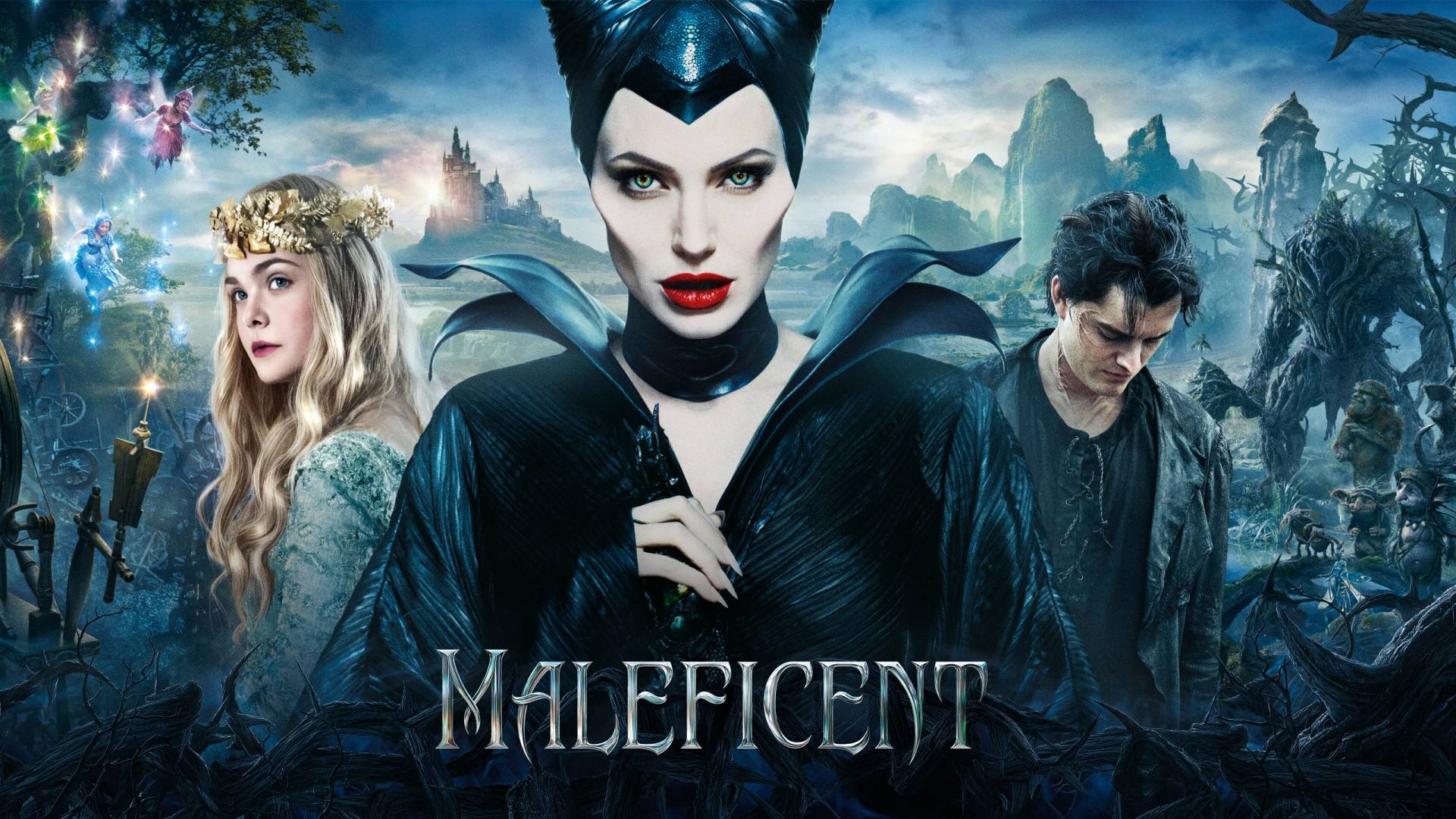
The core challenge for Maleficent‘s marketing was to articulate the film’s new brand promise: an untold story that would reveal the truth behind the villain. Early trailers and promotional materials were carefully crafted to hint at Maleficent’s pain and betrayal, showcasing Angelina Jolie’s iconic portrayal while subtly recontextualizing her character. Key taglines like “Discover the truth behind the tale” or “Evil has a beginning” were pivotal in setting expectations. They promised a fresh perspective and deeper understanding, signaling that this was not just a remake, but a re-evaluation. This articulation of a revised brand promise was critical in preparing the audience for a narrative that dared to challenge long-held perceptions.
Visual and Promotional Branding: Signalling Transformation
The visual branding for Maleficent was crucial in signalling its transformative nature. Angelina Jolie’s striking appearance as Maleficent—her sharp cheekbones, piercing gaze, and magnificent horns—was heavily featured. The aesthetic was darker, more gothic, and visually distinct from traditional Disney fairy tale imagery, signaling a more mature and complex tone. Promotional materials often juxtaposed images of a younger, innocent Maleficent with her hardened, winged form, visually communicating the character’s journey and trauma. Social media campaigns encouraged discussions around “why she turned evil,” driving engagement and curiosity. By meticulously crafting a visual and promotional language that communicated both respect for the original design and the audacity of the reimagining, the marketing team effectively managed audience expectations and built anticipation for the narrative shift.
Engaging with Fan Expectations and Managing Perceptions
Launching a film that fundamentally alters a beloved character’s story carries inherent risks. The marketing campaign had to carefully navigate fan expectations, addressing potential skepticism while building excitement for the new vision. This involved strategic leaks, behind-the-scenes content emphasizing the film’s artistic integrity, and interviews with key creatives and Angelina Jolie herself, who spoke passionately about exploring Maleficent’s humanity. By positioning the film as an exploration of the character’s depths rather than a mere subversion, the campaign aimed to broaden the definition of who Maleficent could be. Managing these perceptions was key to ensuring that the film was received as an enriching addition to the Disney canon rather than a controversial revision.
Maleficent’s Business Impact: A Case Study in Brand Value Enhancement
Ultimately, Maleficent proved to be a resounding success, not just creatively but also commercially, solidifying its place as a significant contributor to Disney’s ongoing brand strategy and financial health. The film’s performance offered valuable insights into the power of IP reinvention and adaptive branding.
Financial Returns and Franchise Extension
Maleficent grossed over $758 million worldwide against a budget of $180 million, making it one of the highest-grossing films of 2014. This strong financial performance validated Disney’s strategic gamble on reinterpreting a classic villain. The success was not a one-off; it directly led to the development and release of a sequel, Maleficent: Mistress of Evil (2019), which also performed respectably, demonstrating the franchise potential of the re-envisioned character. These financial returns underscore the immense value of a strong brand strategy: by investing in innovative storytelling and character development, brands can unlock significant new revenue streams and extend the lifespan of their valuable intellectual properties.
Influence on Future Content Strategy
The positive reception and commercial success of Maleficent had a palpable influence on Disney’s broader content strategy. It reinforced the company’s commitment to live-action adaptations of its animated classics, a trend that has continued with films like Cinderella, Beauty and the Beast, Aladdin, and The Lion King. More specifically, it paved the way for other villain-centric or morally complex narratives within the Disney universe, showing that audiences were receptive to stories that explored darker themes and challenged conventional heroism. This film served as a proof-of-concept for adaptive branding, demonstrating that even the most established elements of a corporate identity can be successfully modernized and expanded.
Maleficent as a Testament to Adaptive Branding
In essence, Maleficent stands as a powerful testament to the principles of adaptive branding. It illustrates how a legacy brand can remain vibrant and relevant by thoughtfully re-evaluating its core assets, responding to evolving market demands, and daring to redefine its narrative parameters. The movie isn’t just “about” a fairy; it’s about the strategic process of leveraging existing brand recognition to tell a new story, fostering empathy for a once-feared figure, and demonstrating a corporate identity that is dynamic, inclusive, and endlessly imaginative. By understanding what Maleficent is about from a brand perspective, we gain insight into the intricate interplay between storytelling, market strategy, and the continuous evolution of an iconic global brand.
aViewFromTheCave is a participant in the Amazon Services LLC Associates Program, an affiliate advertising program designed to provide a means for sites to earn advertising fees by advertising and linking to Amazon.com. Amazon, the Amazon logo, AmazonSupply, and the AmazonSupply logo are trademarks of Amazon.com, Inc. or its affiliates. As an Amazon Associate we earn affiliate commissions from qualifying purchases.