
Beyond its gripping narrative of alien invasion and heroic human resistance, the movie Independence Day stands as a monumental case study in brand creation, cultivation, and enduring cultural impact within the entertainment industry. Released in 1996, it wasn’t merely a film; it was a meticulously crafted product, a masterclass in establishing a high-concept brand that resonated globally, defined a cinematic era, and continues to influence perceptions of spectacle and patriotism decades later. Understanding “what Independence Day is about” from a brand perspective involves dissecting its core identity, its marketing prowess, its audience connection, and its lasting legacy as a cultural touchstone.

The Genesis of an Iconic Entertainment Brand
Every successful brand begins with a compelling idea, and Independence Day was no exception. Its creators, Roland Emmerich and Dean Devlin, envisioned not just a story, but a cinematic event designed to capture the collective imagination and deliver an unforgettable experience.
Crafting a High-Concept Brand Proposition
The initial concept for Independence Day was inherently high-concept: a global alien invasion met with a unified human front on a significant American holiday. This proposition was simple, dramatic, and universally understandable, forming the bedrock of its brand identity. The power of this concept lay in its universality – an existential threat that transcends borders – combined with a specific, recognizable cultural anchor (Independence Day). This strategic blend allowed the film to be marketed not just as a sci-fi action flick, but as a symbolic narrative of resilience and unity. The brand promise was clear: unparalleled spectacle, thrilling action, and an emotional core that championed humanity’s fighting spirit. This carefully constructed premise ensured a wide appeal, making it a brand that could transcend typical genre limitations and connect with a diverse audience demographic. The development process focused on amplifying these core elements, ensuring that every script beat, every visual effect, and every character arc served to reinforce this central brand message of triumph against insurmountable odds.
The Masterminds Behind the Brand: Roland Emmerich and Dean Devlin
The creative partnership of director Roland Emmerich and producer/co-writer Dean Devlin was pivotal in shaping the Independence Day brand. They had a proven track record with disaster films and understood the mechanics of large-scale spectacle. Emmerich’s directorial brand became synonymous with epic destruction and redemption, while Devlin’s narrative sensibilities ensured a compelling story alongside the visual grandeur. Their collective vision wasn’t just about making a movie; it was about creating an experience that would leave an indelible mark on cinema-goers. They knew how to package and present grandeur, transforming complex visual effects into accessible, awe-inspiring moments. This duo effectively became the chief architects of the Independence Day brand, carefully curating its style, tone, and overall impression to ensure it would resonate as a blockbuster entertainment brand for years to come. Their personal brands for delivering high-octane, visually driven narratives were deeply embedded in the film’s identity, providing a trusted seal of quality for audiences seeking escapist entertainment.
Decoding the “Independence Day” Brand Identity
A strong brand is recognizable, consistent, and evokes specific feelings or associations. Independence Day achieved this through a meticulous weaving of thematic elements, visual motifs, and memorable auditory cues.
The Core Brand Pillars: Patriotism, Spectacle, and Human Resilience
At its heart, the Independence Day brand is built upon three foundational pillars. Firstly, patriotism, specifically American patriotism, which is overtly celebrated through the film’s setting, title, and narrative arc where the US President leads the global charge. While initially focused on American symbolism, this patriotism strategically morphed into a broader brand message of global unity, using the American archetype as a rallying point for humanity. Secondly, spectacle is non-negotiable for the Independence Day brand. From the colossal alien ships casting shadows over major cities to the explosive destruction of iconic landmarks, the film delivered unprecedented visual effects that became hallmarks of its brand. This commitment to visual grandeur ensured that audiences equated the Independence Day brand with jaw-dropping, large-scale action. Finally, human resilience forms the emotional core. Despite overwhelming odds, ordinary people and leaders band together, showcasing courage, ingenuity, and an unbreakable will to survive. This theme of collective human spirit provided relatability and emotional depth, ensuring the brand wasn’t just about explosions, but about the triumph of the human spirit. These three pillars, intertwined, gave Independence Day a robust and resonant brand identity that appealed to a vast global audience.
Visual Branding: The Imagery of Destruction and Triumph
The visual language of Independence Day is perhaps its most potent brand asset. Iconic imagery from the film has transcended its cinematic origins to become part of broader cultural shorthand. The slow, imposing descent of the alien mothership into Earth’s atmosphere, followed by the terrifying sight of smaller destroyers eclipsing major cities, immediately established the scale of the threat. However, no image is more emblematic of the Independence Day brand than the destruction of the White House. This single shot, heavily featured in marketing, became a shocking, unforgettable symbol of the film’s audacious scope and threat. It visually communicated the “end of the world” scenario with visceral impact. Conversely, the imagery of fighter jets soaring into battle against overwhelming odds, particularly Will Smith’s character delivering a defiant punch to an alien, instilled a sense of human triumph and heroic defiance. These visual branding elements were not just narrative devices; they were powerful marketing tools that instantly conveyed the film’s essence and cemented its identity in the public consciousness.
Audio Branding: The Score and Memorable Quotes
Beyond visuals, the Independence Day brand was significantly amplified by its audio elements. David Arnold’s orchestral score provided an epic, sweeping soundscape that perfectly matched the film’s grand scale. Its soaring patriotic themes, dramatic suspense cues, and triumphant fanfares became synonymous with the emotional beats of the story. The music didn’t just accompany the action; it elevated it, becoming an integral part of the brand’s emotional resonance. Furthermore, select lines of dialogue achieved iconic status, serving as powerful audio branding. President Whitmore’s rousing “Today, we celebrate our Independence Day!” speech is a prime example, encapsulating the film’s themes of unity and defiance in a single, memorable phrase. Similarly, Will Smith’s character uttering, “Welcome to Earth!” after downing an alien fighter, became an instant classic, injecting humor and swagger into the high-stakes narrative. These auditory cues, both musical and spoken, became shorthand for the Independence Day brand, allowing audiences to instantly recall and connect with its core identity through sound alone.
Marketing the Megahit: Building a Global Brand Phenomenon
The success of Independence Day wasn’t accidental; it was the result of a masterfully executed marketing strategy that transformed a summer movie into a cultural event, meticulously building its brand from the ground up.
The Art of the Tease: Pre-Release Hype and Trailer Strategy
The marketing campaign for Independence Day was a clinic in building pre-release hype, largely driven by its groundbreaking teaser trailer. The initial trailers were revolutionary in their simplicity and impact. Instead of revealing extensive plot details, they focused on a single, shocking visual: the massive alien spaceship hovering over a major city, followed by the iconic explosion of the White House. This “art of the tease” was incredibly effective, creating immense speculation and buzz without giving away the narrative. The trailers didn’t explain “what the movie was about” in terms of plot, but rather “what the experience of the movie would be about”: unprecedented destruction, high stakes, and a global threat. This strategy built an almost unprecedented level of anticipation, positioning Independence Day not just as another summer movie, but as a must-see event, a brand experience that everyone would talk about. It created a sense of urgency and spectacle long before the film’s release.
Summer Blockbuster Branding: Positioning for Dominance
Independence Day was strategically positioned as the quintessential summer blockbuster. This wasn’t merely a release date; it was a deliberate branding decision. The “summer blockbuster” brand evokes images of escapist entertainment, thrilling action, and communal viewing experiences. The film’s broad appeal, high production value, and emphasis on spectacle perfectly aligned with this branding. Marketing efforts emphasized the scale and excitement, using taglines that highlighted its event status. By claiming the Fourth of July weekend, the film cleverly tied its fictional narrative of independence to a real-world celebration, leveraging existing cultural significance to amplify its own brand. This strategic timing and messaging ensured that Independence Day dominated the conversation and box office, solidifying its place as a tentpole release that defined the summer season. The marketing team understood that to truly own the summer, the Independence Day brand needed to promise a bigger, bolder, and more universally appealing experience than its competitors.
Cross-Promotional Synergy: Extending the Brand Reach
A hallmark of a powerful brand is its ability to extend beyond its primary product. Independence Day excelled in this area through extensive cross-promotional synergy. Merchandise, including toys, video games, comic books, and apparel, ensured that the Independence Day brand permeated various consumer touchpoints. These products not only generated additional revenue but also kept the brand top-of-mind, creating an immersive universe for fans. Additionally, tie-ins with major brands for advertising campaigns (e.g., fast food, soft drinks) further broadened the film’s reach. By associating with established consumer brands, Independence Day leveraged their marketing budgets and distribution channels, effectively creating brand partnerships that magnified its visibility. This multi-faceted approach to brand extension ensured that Independence Day was more than just a movie; it was a pervasive cultural entity, accessible and relevant across numerous platforms and product categories, solidifying its status as a global entertainment brand.
The Enduring Legacy and Evolution of the “Independence Day” Brand
Few films maintain their cultural relevance decades after their release. Independence Day has achieved this, leaving an indelible mark on cinema and popular culture, continually evolving its brand identity.
Shaping the Sci-Fi Disaster Genre Brand
Independence Day didn’t just participate in the sci-fi disaster genre; it redefined it, setting a new benchmark for what audiences expected from such films. Its brand became synonymous with large-scale destruction, widespread panic, a diverse cast of characters (including a prominent Black lead), and a triumphant, often patriotic, resolution. Subsequent films in the genre often drew comparisons to Independence Day, either attempting to emulate its success or consciously differentiate themselves. It established a template for global threats, showcasing world monuments being annihilated and an international effort to repel the invaders. This influence solidified Independence Day‘s brand as the definitive standard-bearer for epic alien invasion narratives, shaping audience expectations and informing how future filmmakers approached similar themes. Its impact on the genre ensured its brand’s perpetual relevance as a foundational text.
Franchise Building and Brand Extension
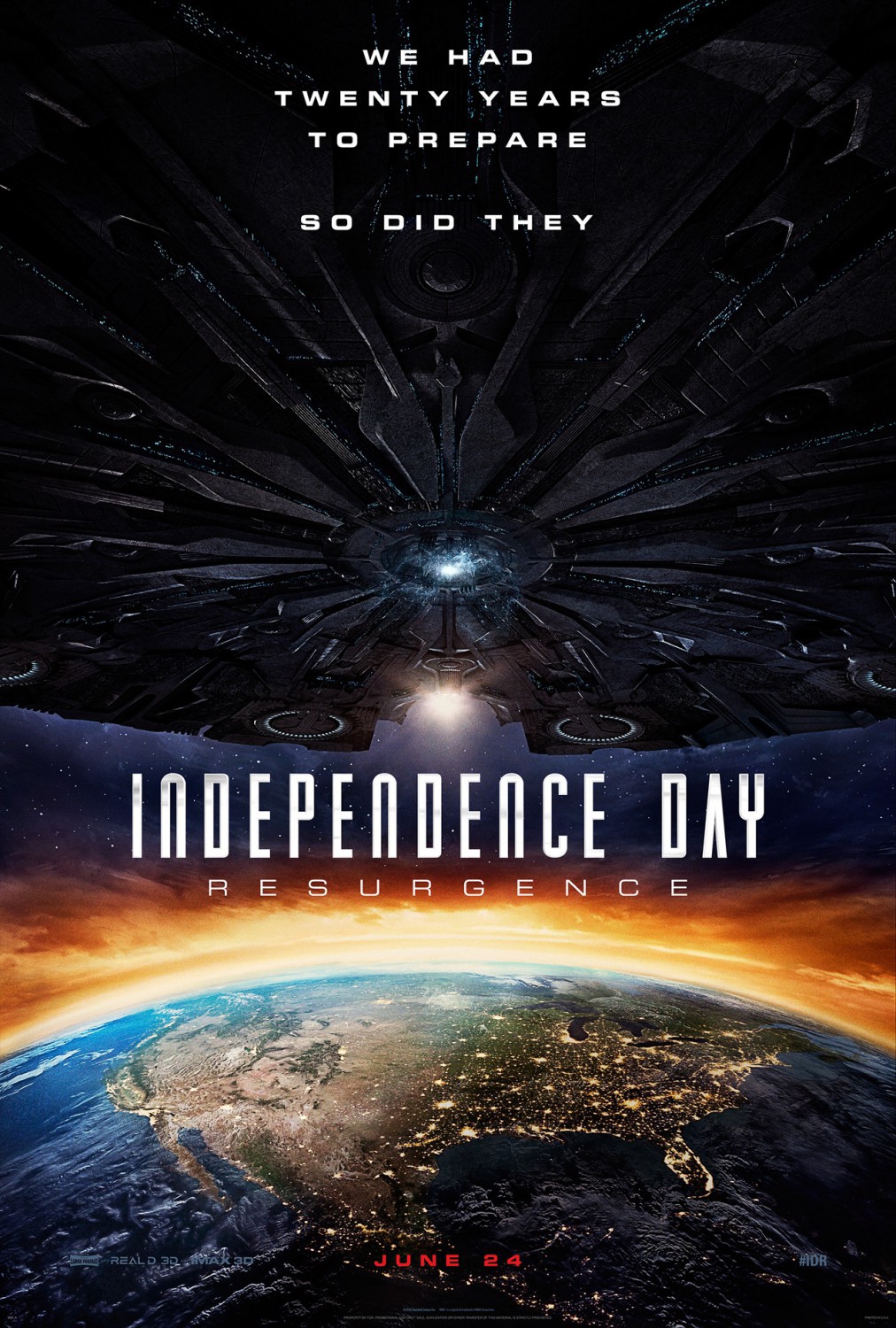
The success of Independence Day naturally led to discussions of franchise building. While a sequel, Independence Day: Resurgence, eventually arrived two decades later, the initial film’s brand was so strong that it sustained interest without immediate follow-ups. The challenge for Resurgence was to capture the magic of the original while appealing to a new generation, a common dilemma for legacy brands. While Resurgence didn’t replicate the original’s critical or commercial success, its existence underscored the power and enduring recognition of the Independence Day brand. The very attempt to extend the brand into a new cinematic chapter, despite its reception, solidified the original’s status as a valuable piece of intellectual property and a potent brand that studios believed could continue to generate significant interest and revenue. The original film’s brand equity was so high that it could still command attention years later.

“Independence Day” as a Cultural Touchstone Brand
More than its box office receipts or critical acclaim, Independence Day has achieved the status of a cultural touchstone. Its imagery, dialogue, and thematic elements are frequently referenced, parodied, and celebrated in popular culture. The White House explosion, President Whitmore’s speech, and the sheer spectacle of the alien invasion have become part of the collective cultural lexicon. The film’s brand transcends its original purpose, becoming a shorthand for patriotism, global crisis, and triumphant human spirit. It’s a film that people revisit, remember, and continue to discuss, making it a brand that has successfully embedded itself into the fabric of popular memory. “What is Independence Day about?” In its most profound sense, it’s about the successful creation and sustainment of an entertainment brand that perfectly captured the zeitgeist of its time and continues to resonate as a powerful symbol of cinematic spectacle and human resilience.
aViewFromTheCave is a participant in the Amazon Services LLC Associates Program, an affiliate advertising program designed to provide a means for sites to earn advertising fees by advertising and linking to Amazon.com. Amazon, the Amazon logo, AmazonSupply, and the AmazonSupply logo are trademarks of Amazon.com, Inc. or its affiliates. As an Amazon Associate we earn affiliate commissions from qualifying purchases.