
The animated film “Home,” released by DreamWorks Animation in 2015, transcends a simple narrative to function as a meticulously crafted entertainment brand. At its core, “Home” is about the unlikely friendship between an eccentric alien, Oh, and a resourceful human girl, Tip Tucci, as they navigate a world turned upside down by an alien invasion. However, delving deeper reveals a sophisticated blend of brand strategy, character development, and thematic messaging designed to resonate with a global audience, establishing its unique identity within the competitive landscape of family entertainment. The movie’s appeal, longevity, and cultural footprint can be understood not merely as a story, but as a carefully constructed brand experience that delivers on emotional connection, visual distinctiveness, and universal themes.

Crafting a Memorable Narrative Brand: The Core Identity of “Home”
The narrative framework of “Home” is far more than just a plot; it’s the foundational layer of its brand identity. Every choice in storytelling, from character arcs to thematic development, contributes to how the film is perceived, remembered, and valued by its audience. The strength of “Home” as a brand lies in its ability to blend whimsical fantasy with deeply relatable human experiences, forming a distinctive and appealing offering.
The Core Premise: Relatability and Fantasy Fusion
The central premise of “Home” – an alien species called the Boov invades Earth, relocating all humans to make the planet their new “home” – immediately sets a stage for both conflict and humor. This initial setup is a strategic brand move, establishing a high-stakes, fantastical scenario that nevertheless grounds itself in universally understood concepts like displacement and the search for belonging. The brand promise here is one of adventure intertwined with emotional depth. The Boov’s rather inept and socially awkward approach to colonization, driven by their desire to escape their own nemesis, the Gorg, offers a unique comedic angle. This blends the familiar “alien invasion” trope with a fresh, less menacing interpretation, which is crucial for a family-oriented brand. It signals to the audience that while there’s excitement, there’s also a gentle, heartwarming core, differentiating it from more intense sci-fi narratives.
Character Branding: Oh and Tip’s Dynamic Duo
The success of any character-driven brand heavily relies on its protagonists, and “Home” excels with its lead characters, Oh and Tip. Oh, voiced by Jim Parsons, is a “Boov” who is an outcast even among his own kind due to his incessant desire to make friends, a trait deemed undesirable by his conformist species. His character brand is built on endearing awkwardness, an earnest quest for acceptance, and a charmingly flawed intelligence. This makes him highly relatable as an underdog, fostering empathy and affection from the audience.
Tip Tucci, voiced by Rihanna, serves as the human anchor of the story. She is a resilient, intelligent, and fiercely independent young girl who, unlike other humans, manages to evade the Boov’s relocation efforts. Tip’s character brand embodies strength, resourcefulness, and an unwavering loyalty to her missing mother. Her journey to find her mother, coupled with her initial distrust of Oh, creates a compelling dynamic. Together, Oh and Tip form a “buddy-cop” like duo, a classic narrative brand archetype, but with a unique twist. Their contrasting personalities—Oh’s naiveté and Tip’s street smarts—create both comedic moments and opportunities for profound emotional growth. This dual branding strategy ensures a wider appeal, offering characters that different audience members can identify with and root for.
Universal Themes as Brand Pillars: Belonging and Acceptance
Beyond the characters, the true power of “Home” as a brand lies in its articulation of universal themes. The film centrally explores the concepts of belonging, family, acceptance, and the true meaning of “home.” For the Boov, “home” is a physical location they constantly flee to; for Tip, it’s about the people she loves. The narrative arc sees both characters redefining what “home” means to them. Oh learns that home is not a place but where your friends and family are, while Tip reaffirms her understanding of family. These themes are not merely plot points but are fundamental brand pillars that allow the movie to connect with audiences across cultures and ages. By tapping into these deep-seated human desires, “Home” builds an emotional resonance that fosters brand loyalty and positive sentiment. This thematic depth ensures the movie isn’t just a fleeting entertainment experience but leaves a lasting impression, much like a strong brand leaves a lasting positive mark.
Visual and Auditory Branding: The Aesthetic of “Home”
In animation, the visual and auditory elements are paramount to establishing a distinct brand identity. “Home” leverages its unique art direction, character design, and musical landscape to create an immersive and memorable brand experience that stands out in a crowded market. These sensory inputs are not just artistic choices; they are strategic branding decisions that communicate the film’s essence before a single line of dialogue is spoken.
Distinctive Art Direction and Character Design
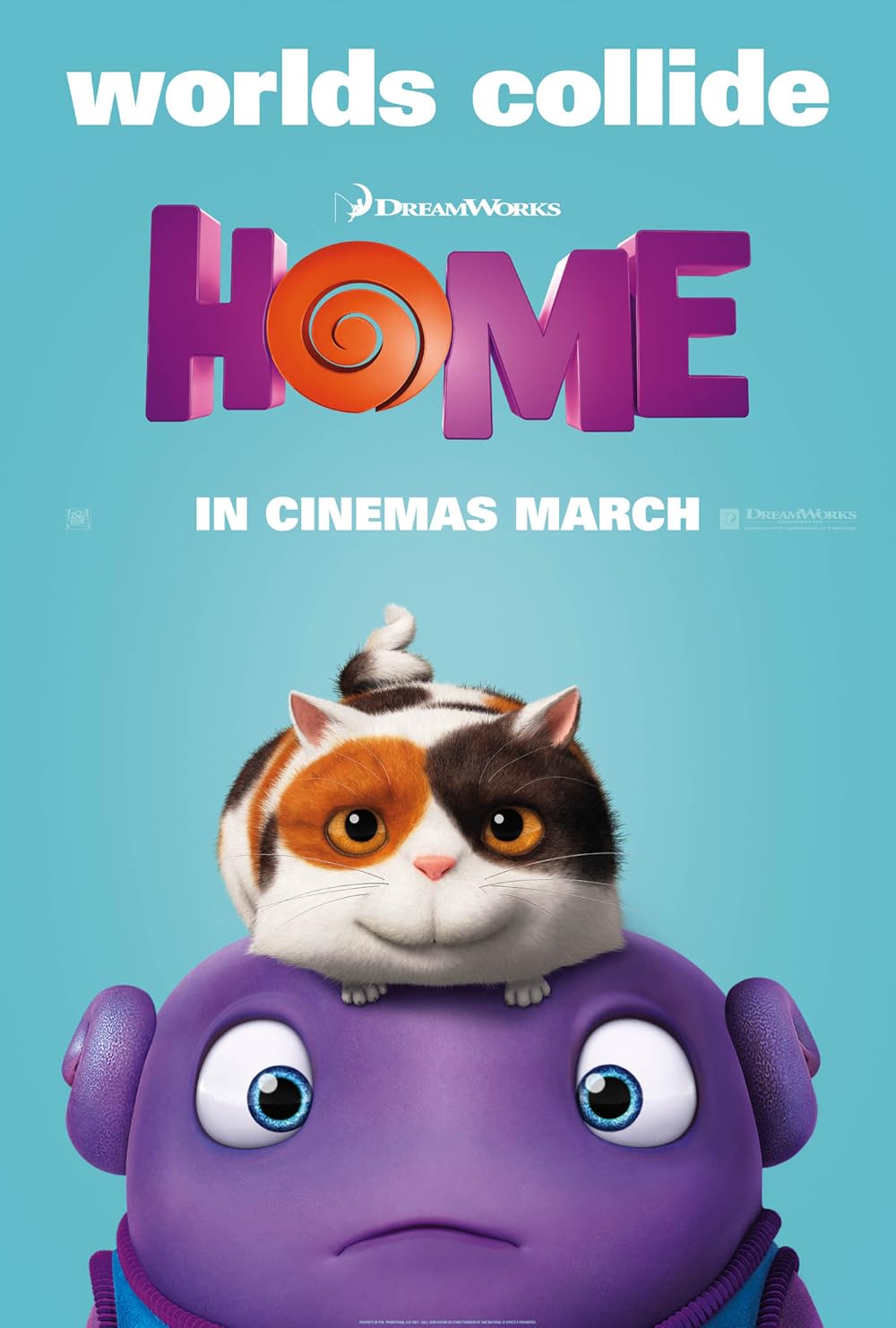
The visual brand of “Home” is characterized by its vibrant, almost candy-colored palette and whimsical character designs. The Boov, with their six legs, trunk-like noses, and ability to change color based on their emotions, are immediately recognizable and highly marketable. Their color-changing ability is a genius piece of visual branding, allowing for instant communication of their internal states without dialogue, making them universally understandable. Oh’s distinctive design—his large, expressive eyes and gangly limbs—emphasizes his outsider status and creates a sense of endearing vulnerability.
Earth’s environments are rendered with a futuristic, somewhat dystopian aesthetic under Boov occupation, juxtaposed with flashes of its former warmth and humanity. This visual contrast contributes to the storytelling and reinforces the themes. The design choices for Tip, particularly her distinctive purple hair and practical attire, brand her as a rebellious, modern heroine. This attention to visual detail ensures that “Home” is not just another animated film but a visually distinct property, creating immediate brand recognition and appeal, especially for younger audiences who are drawn to bright, engaging visuals.
The Power of Soundtracks: Reinforcing Emotional Brand
The auditory branding of “Home” is equally significant, largely driven by its impactful soundtrack curated by Rihanna, who also voices Tip. The music features a mix of pop, R&B, and electronic elements, perfectly complementing the film’s contemporary setting and energetic pace. Songs like “Towards the Sun” and “Feel the Light” are not just background music; they are integral to the emotional landscape of the film, enhancing key narrative moments and deepening the audience’s connection to the characters.
Rihanna’s involvement as both voice actress and executive producer of the soundtrack was a masterstroke in celebrity branding, lending significant star power and musical credibility to the film. Her unique vocal style and established brand persona align perfectly with Tip’s character—strong, independent, and expressive. The soundtrack thus becomes a powerful extension of the “Home” brand, offering a tangible, repeatable experience that reinforces the film’s themes and emotional tone, extending its reach beyond the cinematic experience into music streaming and radio play.

Marketing Through Visuals: Trailers and Promotional Materials
The marketing campaign for “Home” strategically utilized its visual and auditory branding to build anticipation and define its market position. Trailers prominently featured Oh’s quirky personality and the vibrant, comedic clash between his Boov culture and Tip’s human resilience. The distinctive character designs were front and center, promising a visually engaging and unique adventure. The use of popular music from the soundtrack in trailers further amplified the film’s appeal, hinting at its modern, relatable sensibility. Promotional materials, from posters to merchandise, consistently reinforced the film’s core visual brand, creating a cohesive and instantly recognizable identity that distinguished “Home” from other animated releases and ensured high visibility in a competitive market.
Target Audience and Market Positioning: Branding for Broad Appeal
Understanding who a brand is for and where it sits in the market is critical for its success. “Home” meticulously positioned itself as a family-friendly brand with broad appeal, aiming to capture the hearts of children while also engaging adults through its themes and humor. This strategic market positioning allowed the film to achieve significant box office success and develop into a lasting entertainment property.
Appealing to Diverse Demographics: Family-Friendly Branding
“Home” was explicitly branded as a family film, designed to entertain multiple generations simultaneously. For children, the appeal comes from the colorful animation, slapstick humor, and the endearing, often goofy character of Oh. The adventure of Oh and Tip, coupled with the fantastical elements of alien technology and intergalactic travel, captivates young imaginations. For older children and teenagers, Tip’s character provides a strong, relatable role model. Her independence, resilience in the face of adversity, and journey to find her family resonate with the challenges of growing up and finding one’s place.
For adults, the film’s humor, while often physical, also includes subtle wit and satirical elements regarding bureaucracy and conformity. More importantly, the universal themes of acceptance, prejudice, and the meaning of home provide a deeper emotional layer that engages adult viewers. The film’s emotional intelligence, particularly in exploring the nuances of belonging and the impact of displacement, elevates it beyond simple children’s entertainment, making it a truly multi-generational brand. This broad demographic targeting is a hallmark of successful family entertainment brands, ensuring a larger potential audience and greater commercial viability.
Differentiating in the Animation Market
The animated film market is highly competitive, dominated by powerhouse brands like Disney, Pixar, and other DreamWorks properties. To carve out its own niche, “Home” needed to differentiate itself. It did so by offering a unique blend of heart, humor, and a slightly off-kilter perspective on common sci-fi tropes. While other films might focus on grand epic journeys or traditional fairy tales, “Home” presented a more intimate story within a grand, yet humorous, alien invasion backdrop.
Its brand differentiation also came from its specific aesthetic and character designs, as discussed, and its contemporary musical score, which was a fresh take compared to more traditional orchestral scores often found in animation. This deliberate choice to embrace modern pop culture elements helped “Home” stand out as a contemporary and relevant brand, appealing to a generation growing up with diverse media influences. By creating a distinct visual and auditory signature, “Home” managed to establish a unique brand presence that was recognizable and appealing on its own terms.
Spin-offs and Franchise Potential: Extending the Brand
A strong entertainment brand always has the potential for extension beyond the initial product. “Home” quickly demonstrated this potential, leading to a Netflix original animated series titled “Home: Adventures with Tip & Oh,” which continued the story of the protagonists. This spin-off cemented “Home” as a viable franchise, expanding its narrative universe and deepening its character brands.
The success of the movie and subsequent series highlights the strategic foresight in building such a robust brand from the outset. By creating memorable characters, an engaging world, and universally appealing themes, “Home” laid the groundwork for continued content creation, merchandise opportunities, and ongoing fan engagement. This ability to extend the brand into new formats and products is a testament to its strong core identity and market appeal, ensuring its longevity as a valuable entertainment property.
Emotional Connection and Brand Loyalty: Building Lasting Impact
Ultimately, a truly successful brand fosters an emotional connection with its audience, leading to loyalty and enduring appeal. “Home” achieves this by masterfully weaving together its narrative, characters, and themes to create a profound and relatable experience that resonates long after the credits roll. This emotional resonance is the cornerstone of its brand strength, transforming viewers into fans.
Building Empathy Through Narrative Arcs
The journey of Oh and Tip is designed to build deep empathy. Oh’s struggle for acceptance within his own conformist society, and his subsequent finding of genuine friendship with Tip, is a powerful narrative arc that speaks to anyone who has ever felt like an outsider. Similarly, Tip’s unwavering determination to find her mother, despite the chaos around her, taps into fundamental human emotions of love, loss, and hope. The gradual development of their friendship, from initial distrust to mutual reliance and affection, is carefully paced to maximize emotional impact. This emotional branding strategy ensures that the audience is not just passively observing but actively invested in the characters’ well-being and growth, creating a lasting bond.
Thematic Resonance and Lasting Impression
The film’s exploration of what it means to belong and the true definition of “home” leaves a significant lasting impression. It encourages viewers to look beyond superficial differences and embrace diversity, an increasingly relevant message in today’s global society. The idea that “home” is not a fixed physical location but rather the people you choose to be with, and the comfort and acceptance you find, is a profound and comforting realization. This thematic depth elevates “Home” beyond simple entertainment, making it a brand that offers valuable life lessons and encourages introspection. This profound resonance contributes significantly to its brand value, positioning it as not just a fun film, but one with meaningful takeaways.
Fan Engagement and Community Building
The emotional connection forged by “Home” naturally leads to fan engagement and community building. Viewers, particularly children, often develop a strong affinity for Oh and Tip, seeking out merchandise, re-watching the film, and engaging with its spin-off content. The positive messages of friendship and acceptance make it a brand that parents trust and encourage. The film’s enduring popularity and its expansion into a series demonstrate how a well-crafted brand can cultivate a loyal following. Through its heartfelt story, memorable characters, and universal themes, “Home” has successfully established itself as more than just a movie; it is a beloved brand that continues to bring joy and meaningful lessons to audiences worldwide, cementing its place in the pantheon of successful animated entertainment.
aViewFromTheCave is a participant in the Amazon Services LLC Associates Program, an affiliate advertising program designed to provide a means for sites to earn advertising fees by advertising and linking to Amazon.com. Amazon, the Amazon logo, AmazonSupply, and the AmazonSupply logo are trademarks of Amazon.com, Inc. or its affiliates. As an Amazon Associate we earn affiliate commissions from qualifying purchases.