
To ask “what is the movie Fantasia about?” is to delve deeper than a mere plot summary. It’s to explore a pivotal moment in brand strategy, an audacious declaration by one of the world’s most iconic corporate identities: The Walt Disney Company. Fantasia, released in 1940, was not just a film; it was a grand, innovative experiment in cinematic art, a testament to Disney’s burgeoning brand vision, and a bold move that aimed to redefine both animation and the company’s place within the broader cultural landscape. From a brand perspective, Fantasia served as a monumental case study in extending creative boundaries, leveraging technological innovation for brand differentiation, and challenging conventional marketing paradigms. It was Disney’s deliberate attempt to elevate animation from perceived children’s entertainment to a legitimate, sophisticated art form, thereby enriching and expanding the intellectual and artistic dimensions of its own brand.
Fantasia’s Genesis: A Bold Brand Vision
The creation of Fantasia was born from an ambitious and somewhat restless brand vision within the Walt Disney Company. Having achieved unprecedented success with Snow White and the Seven Dwarfs (1937), Walt Disney was not content to rest on the laurels of traditional animated storytelling. He sought to push the artistic and technical limits of his medium, envisioning animation as a vehicle for profound artistic expression rather than simply narrative conveyance. This drive to innovate and differentiate was central to Disney’s brand identity even in its early days.
Challenging the Animated Status Quo
Prior to Fantasia, Disney had largely solidified its brand image around heartwarming narratives, often fairy tales, characterized by charming characters and groundbreaking hand-drawn animation. Snow White had proven that feature-length animation was viable and commercially successful. However, Walt Disney harbored a desire to elevate the perception of his craft. He believed animation held the potential for a deeper, more sophisticated artistic dialogue with audiences. Fantasia emerged as a direct challenge to the animated status quo, a conscious effort to demonstrate that Disney’s brand encompassed more than just family-friendly tales. It was an internal brand innovation project designed to stretch the boundaries of what the company’s creative output could achieve, signalling to the world that Disney was not just an entertainment producer, but an artistic pioneer.
The Collaborative Brand Identity: Art Meets Music
A crucial aspect of Fantasia’s brand strategy was its ambitious collaboration with the renowned conductor Leopold Stokowski and the Philadelphia Orchestra. This partnership was a masterstroke in brand elevation. By aligning Disney animation with the established gravitas and prestige of classical music and a celebrated orchestral figure, Walt Disney strategically repositioned his brand. No longer just a “cartoon studio,” Disney sought to be recognized as a serious artistic institution capable of producing works of high culture. Stokowski’s involvement lent immense credibility to the project, imbuing it with an aura of sophisticated artistry that would have been difficult to achieve independently. This collaboration served as a powerful branding differentiator, signaling Disney’s intent to transcend typical entertainment and venture into the realm of “high art,” thereby broadening its appeal to a more diverse and discerning audience segment. It was an early example of co-branding that fundamentally altered the public perception of Disney’s capabilities and aspirations.
Crafting a Unique Brand Experience: Design and Innovation
Fantasia was an exercise in pure design and innovation, a deliberate effort to craft a unique brand experience that was both visually stunning and emotionally resonant. The film was conceived as a series of animated segments, each set to a piece of classical music, ranging from the programmatic to the abstract. This anthology format itself was a departure, emphasizing variety and artistic interpretation over a single continuous narrative.
Visual Storytelling as Brand Expression
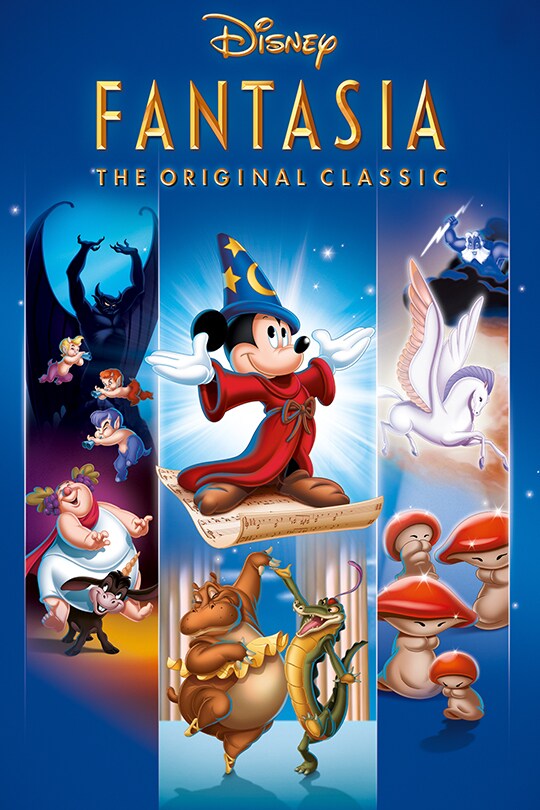
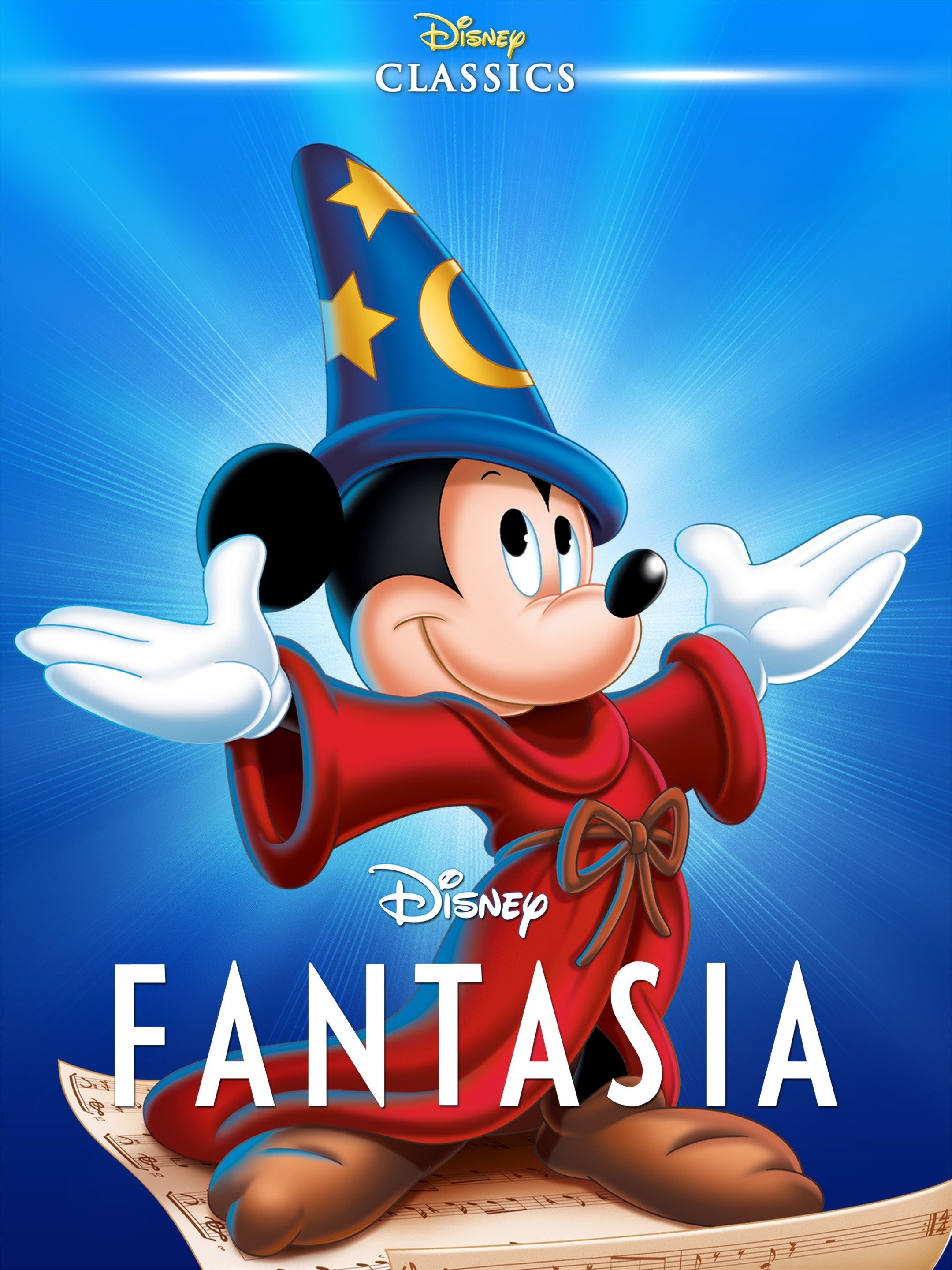
Each segment of Fantasia became a distinct expression of the Disney brand’s artistic versatility. “The Sorcerer’s Apprentice,” featuring Mickey Mouse, was a familiar touchstone, playfully showcasing the magic of animation. Yet, other segments pushed far beyond, exploring complex themes and abstract visuals. “Rite of Spring” depicted the primal origins of life on Earth, showcasing a level of realism and scientific imagination previously unseen in animation. “Night on Bald Mountain” plunged into dark, surreal fantasy, revealing the brand’s capacity for mature, even unsettling, imagery. These diverse visual narratives, while distinct, collectively communicated a unified message: Disney was a brand of boundless imagination, capable of translating the deepest human emotions and grandest concepts into compelling visual form. The design philosophy behind each segment wasn’t just about illustrating music; it was about using visual language to expand the emotional and intellectual reach of the Disney brand.
Technological Prowess and Brand Leadership
Perhaps the most significant innovation in Fantasia, from a brand perspective, was its groundbreaking use of stereophonic sound, dubbed “Fantasound.” This was a monumental technological leap, positioning Disney at the absolute forefront of cinematic experience. At a time when most films had monaural sound, Fantasound created an immersive audio landscape where music could move around the theater, enveloping the audience in a way never before experienced. This wasn’t merely a technical gimmick; it was a strategic brand differentiator. By investing heavily in cutting-edge audio technology, Disney reinforced its brand identity as an industry leader, a pioneer dedicated to pushing the boundaries of what film could be. Fantasound demonstrated Disney’s commitment not just to artistic excellence, but also to technological superiority, a dual focus that continues to define aspects of the brand today. This innovation underlined the company’s promise to deliver unparalleled entertainment experiences.
Animating the Abstract: A Design Philosophy
The challenge for Fantasia’s animators was immense: translating the complexities of classical music into visual narratives that ranged from literal interpretations to pure abstraction. This required a revolutionary design philosophy. Rather than simply drawing characters and settings, the animators had to become visual interpreters of sound and emotion. In segments like Bach’s “Toccata and Fugue in D Minor,” the visuals were largely abstract shapes and patterns, moving and transforming in harmony with the music. This showcased Disney’s brand capability to engage with non-representational art, demonstrating a sophistication and willingness to experiment that broadened its creative identity. It was a testament to the brand’s belief in the power of design to evoke feeling and meaning without relying solely on conventional storytelling structures, laying groundwork for future artistic explorations.
Marketing the Unconventional: A Brand’s Communication Challenge
Fantasia, for all its artistic brilliance and technological innovation, presented a significant marketing challenge. How does a brand communicate the value proposition of a product that defies traditional categorization and challenges audience expectations? The film’s unconventional nature meant that Disney couldn’t rely on established marketing playbooks, forcing them to adapt and innovate their communication strategy.
The Difficulty of Brand Positioning
The fundamental problem was one of brand positioning. Fantasia wasn’t a typical children’s cartoon, nor was it a conventional live-action drama or musical. It was an ambitious, abstract “concert film” that combined high art with animation, a concept largely unfamiliar to the general public. Marketing materials struggled to convey its unique appeal. Was it educational? Was it entertainment? Was it art? The ambiguity made it difficult to target a clear audience segment. Initial distribution was also a hurdle; Fantasound required special projection equipment and custom theater installations, making widespread release logistically complex and expensive. This highlights the inherent risks in brand experimentation: while it can lead to groundbreaking achievements, it can also create immediate commercial hurdles, as the market may not be ready to embrace such a radical departure from established norms.
Cultivating a Niche Brand Audience
Despite initial commercial struggles, Disney continued to champion Fantasia, understanding its long-term value as a brand asset. Marketing efforts gradually shifted from mass appeal to cultivating a niche audience appreciative of its artistic merits. The film was presented as a special “event” requiring a unique viewing experience, fostering an air of exclusivity and artistic prestige. Over time, especially through re-releases and subsequent generations of film enthusiasts, Fantasia transcended its initial commercial difficulties to become a beloved cult classic. This slow but steady growth into a venerated piece of cinema demonstrated Disney’s ability to nurture and grow a market for unconventional products, solidifying its brand image as one that offers depth and artistic integrity alongside its more mainstream offerings. It appealed to a different segment of the Disney brand’s audience – those seeking intellectual stimulation and artistic innovation.
Fantasia’s Enduring Legacy: Shaping the Disney Brand Identity
Fantasia’s impact on the Disney brand identity is profound and enduring, extending far beyond its initial box office performance. It represents a cornerstone of the company’s artistic credibility and a testament to its willingness to innovate.
A Testament to Artistic Courage
Fantasia forever cemented Disney’s reputation as a brand unafraid to take significant artistic and financial risks in pursuit of creative excellence. Its initial commercial underperformance did not diminish its artistic merit, which only grew in stature over time. The film became a symbol of Walt Disney’s personal vision and courage, showing that the company’s brand prioritized artistic growth and experimentation alongside commercial success. This willingness to push boundaries has influenced subsequent generations of animators, filmmakers, and multimedia artists, positioning Disney as a true leader in creative industries and inspiring others to challenge traditional forms.
An Evergreen Brand Asset
The continuous re-releases of Fantasia throughout the decades, its academic study, its inspiration for theme park attractions, and even the creation of a sequel, Fantasia 2000, all underscore its lasting value as an evergreen brand asset. It continues to be celebrated for its innovation, beauty, and emotional depth, appealing to new generations of viewers and reinforcing the multi-generational appeal of the Disney brand. Fantasia stands as a powerful reminder that true artistic vision can transcend immediate commercial outcomes to become an enduring pillar of a brand’s legacy, constantly contributing to its cultural relevance and prestige.

Expanding the Narrative of a Brand
Perhaps Fantasia’s most significant long-term contribution was its expansion of the narrative surrounding the Disney brand. It demonstrated unequivocally that Disney could encompass more than just animated fairy tales for children. The brand was capable of producing sophisticated, abstract, and even adult-themed art that engaged with complex ideas and emotions. This broadened the scope of what the Disney brand could represent, enriching its overall identity and allowing it to appeal to a wider demographic of consumers who appreciated its artistic depth. Fantasia proved that the Disney brand was not static, but dynamic – a multifaceted entertainment powerhouse that could innovate, educate, and inspire across a vast spectrum of creative expressions, solidifying its place as a cultural touchstone.
In conclusion, “what is the movie Fantasia about?” is a question best answered through the lens of brand strategy. It’s about Disney’s audacious declaration of artistic ambition, its pioneering use of technology for brand differentiation, and its willingness to challenge conventional norms to expand its corporate identity. Fantasia was a daring, expensive, and initially controversial brand statement that, over time, became an invaluable asset, reinforcing Disney’s legacy as a trailblazer in entertainment and art, and proving that true brand leadership lies in the courage to innovate and redefine possibilities.
aViewFromTheCave is a participant in the Amazon Services LLC Associates Program, an affiliate advertising program designed to provide a means for sites to earn advertising fees by advertising and linking to Amazon.com. Amazon, the Amazon logo, AmazonSupply, and the AmazonSupply logo are trademarks of Amazon.com, Inc. or its affiliates. As an Amazon Associate we earn affiliate commissions from qualifying purchases.