
At first glance, the cell wall might seem like a relic of high school biology — a simple, rigid outer layer of plant, fungal, and bacterial cells. Yet, beneath this seemingly straightforward definition lies a universe of intricate engineering, biological innovation, and profound implications for modern technology. Far from being a mere static barrier, the cell wall is a dynamic, complex, and highly evolved biological structure that serves as a blueprint for materials science, a target for biotechnology, and a frontier for advanced imaging and computational design. In the context of technology, understanding the “meaning” of the cell wall transcends basic biology; it delves into its functional design principles, its potential as a renewable resource, and its inspiration for a new generation of smart materials, sustainable solutions, and engineered biological systems.
The Cell Wall: Nature’s Masterpiece of Structural Engineering
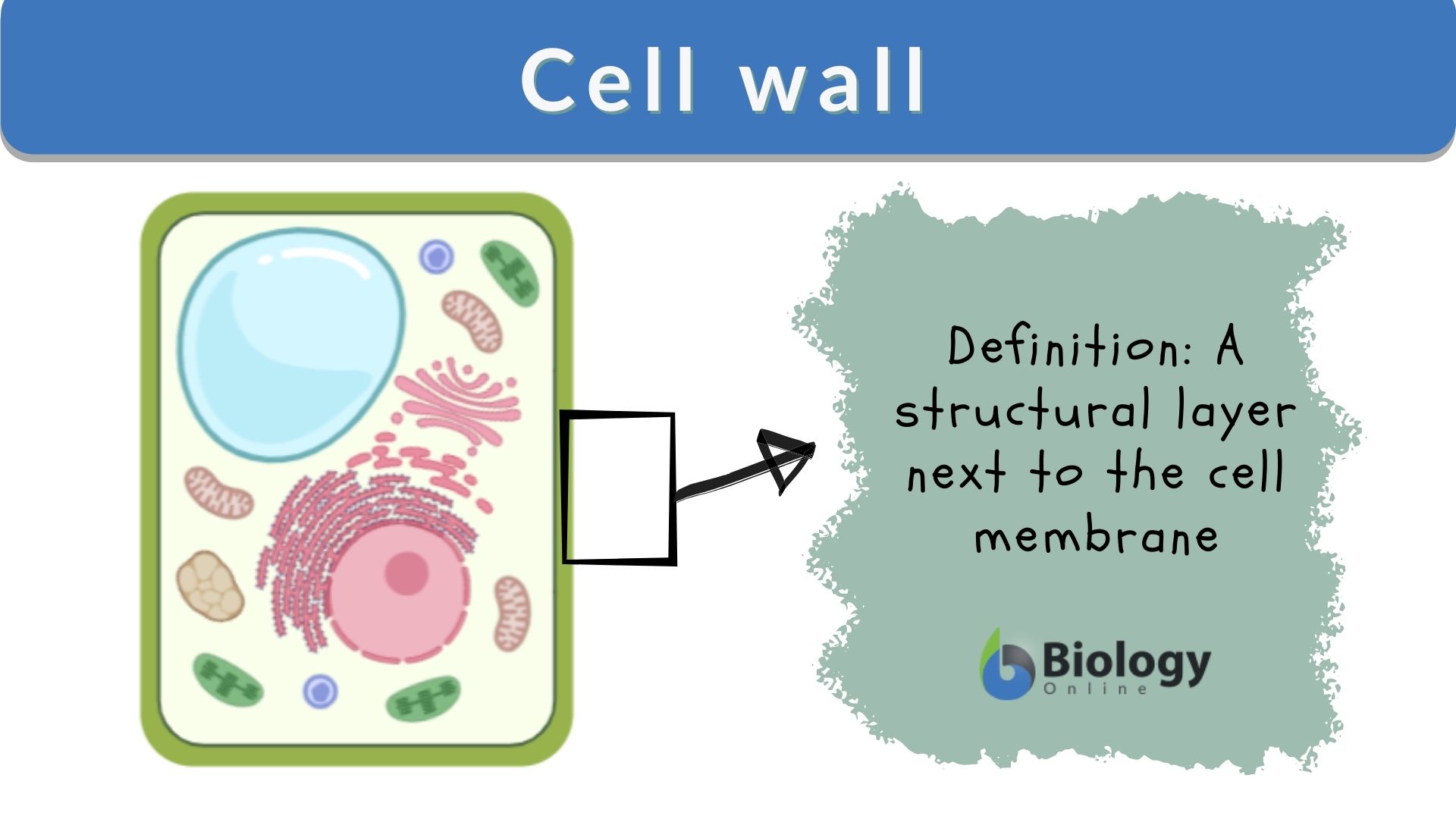
To appreciate the technological relevance of the cell wall, we must first grasp its intrinsic design brilliance. It’s not just a wall; it’s a sophisticated composite material, a biochemical fortress, and a dynamic regulator, all rolled into one. Its core meaning, from an engineering perspective, lies in its unparalleled ability to provide strength, protection, and shape, often with remarkable flexibility and selectivity.
Structural Integrity and Resilience
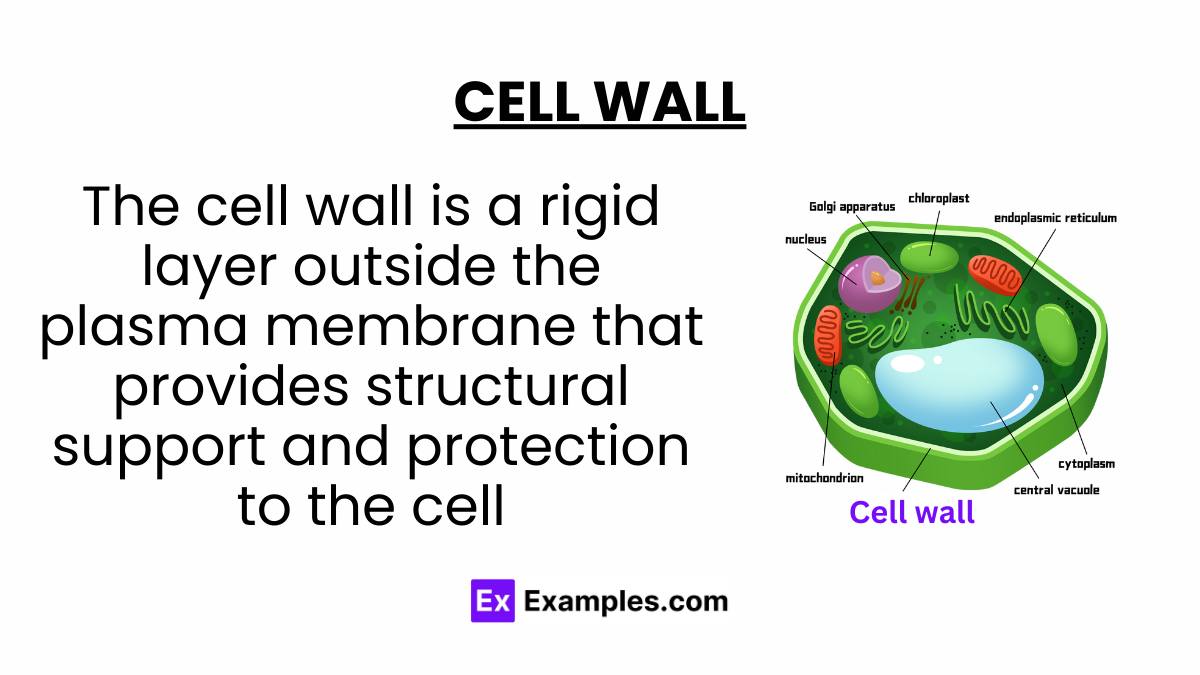
The primary function of a cell wall is to provide structural support and mechanical strength, preventing osmotic lysis (bursting) and maintaining cell shape. In plants, for instance, the cell wall is a complex network of cellulose microfibrils embedded in a matrix of hemicellulose and pectin, often further stiffened by lignin. This architecture is analogous to reinforced concrete or advanced composites: strong, stiff fibers (cellulose) dispersed within a load-bearing matrix. This natural composite offers incredible tensile strength and resistance to compression, enabling trees to stand hundreds of feet tall and withstand immense environmental stresses. Engineers and material scientists are constantly striving to replicate such lightweight yet incredibly strong and resilient structures for applications ranging from aerospace to construction. The cell wall teaches us how to build robust systems with minimal material and maximum efficiency.
Selective Permeability and Dynamic Regulation
Beyond brute strength, the cell wall exhibits remarkable selective permeability. It acts as a sophisticated filter, allowing essential nutrients and water to pass through while blocking harmful substances. This permeability is not passive; it’s dynamically regulated by the wall’s composition and organization, responding to the cell’s metabolic needs and environmental cues. For technologists, this presents a compelling model for advanced filtration systems, smart membranes, and even drug delivery mechanisms that can precisely control the passage of molecules. The idea of a material that can sense its environment and adjust its porosity or chemical interactions is a holy grail in many fields, and the cell wall offers a biological proof-of-concept.
Diverse Compositions, Diverse Functions
The “meaning” of the cell wall also shifts with its biological context. A plant cell wall, rigid and lignified, is vastly different from the peptidoglycan wall of bacteria or the chitin wall of fungi. Each variant represents an optimized solution for a specific environmental niche and cellular function. Bacterial cell walls, for example, are crucial targets for antibiotics, showcasing their vulnerability and critical role in pathogenicity. Understanding these diverse compositions allows us to develop targeted technologies, whether it’s designing new antimicrobial agents by disrupting bacterial wall synthesis or harnessing fungal cell wall components for biotechnological applications like enzyme production or bioremediation. This diversity underscores the adaptability of nature’s engineering principles.
Biomimicry: Drawing Inspiration for Next-Gen Materials
The inherent structural and functional sophistication of cell walls makes them a prime source of inspiration for biomimicry – the design and production of materials, structures, and systems that are modeled on biological entities and processes. The insights gained from studying cell wall architecture are directly influencing the development of novel materials and engineering solutions.
Designing Stronger, Lighter Composites
The composite structure of plant cell walls, with cellulose microfibrils acting as reinforcement, is a perfect model for developing sustainable, high-performance materials. Researchers are exploring how to extract and reassemble cellulose nanocrystals and nanofibers to create materials with extraordinary strength-to-weight ratios. These “nanocellulose” materials are being investigated for applications in lightweight automotive parts, strong and biodegradable packaging, transparent films for electronics, and even body armor. By understanding how nature precisely arranges these components at the nanoscale, engineers can create synthetic materials that mimic their superior mechanical properties.
Smart Membranes and Filtration Systems
The cell wall’s ability to selectively filter substances provides a blueprint for advanced membrane technologies. Scientists are developing bio-inspired membranes that can separate molecules with high efficiency and specificity, reducing energy consumption in industrial processes like desalination, wastewater treatment, and chemical purification. Imagine membranes that can dynamically change their pore size or surface chemistry in response to specific stimuli, much like a living cell wall adjusts to its environment. This could revolutionize areas like targeted drug delivery or “smart” sensors that detect specific pollutants.
Self-Healing Materials and Protective Coatings
Some aspects of cell wall biology also inspire self-healing capabilities. While not overtly self-healing in the macroscopic sense, the continuous remodeling and repair of cell walls are fundamental to cell growth and stress response. Researchers are exploring how to embed similar regenerative properties into synthetic materials, creating coatings or structural components that can repair minor damage autonomously, extending their lifespan and reducing maintenance costs. This could lead to more durable infrastructure, long-lasting electronic devices, and more resilient protective gear.
Biotechnology and Synthetic Biology: Engineering Cellular Fortifications
Beyond inspiration, biotechnology directly engages with the cell wall, manipulating, modifying, and even designing these structures for practical applications, from sustainable energy to advanced medicine. This represents a direct technological intervention into the “meaning” and function of cell walls.
Modifying Plant Cell Walls for Biofuels and Agriculture

One of the most significant technological frontiers involving cell walls is in biomass conversion. Plant cell walls, particularly their lignin content, are notoriously recalcitrant, making it difficult to extract sugars for biofuel production (e.g., ethanol). Biotechnologists are using genetic engineering to modify plant cell wall composition, for instance, by reducing lignin content or altering cellulose structure, making the biomass easier to break down into fermentable sugars. This directly impacts the economic viability and sustainability of lignocellulosic biofuels, offering a greener alternative to fossil fuels. In agriculture, understanding and engineering cell walls can also enhance crop resistance to pests and diseases, or improve the nutritional value and shelf-life of fruits and vegetables.
Developing Novel Drug Delivery Systems and Antimicrobials
In medicine, the bacterial cell wall is a critical target. Antibiotics often work by disrupting the synthesis or integrity of these walls, leading to bacterial lysis. Biotechnologists are continually searching for new weaknesses in bacterial cell walls to develop novel classes of antimicrobials against drug-resistant bacteria. Furthermore, synthetic biology is exploring the creation of “bio-inspired” nanoparticles or vesicles that mimic the surface properties of cell walls or viral capsids to deliver drugs more effectively and precisely to target cells, minimizing side effects and improving therapeutic outcomes.
Creating Synthetic Cells with Designed Boundaries
The ultimate technological engagement with the cell wall might be in synthetic biology, where scientists aim to design and build entirely new biological systems from scratch. This includes creating synthetic cells or protocells that require a robust yet permeable outer boundary. Researchers are experimenting with artificial membranes and polymer shells that mimic the functions of natural cell walls, enabling the creation of programmable biological factories or novel bioreactors. These engineered boundaries are crucial for encapsulating biochemical reactions, protecting synthetic cellular machinery, and controlling interactions with the external environment, essentially redefining what a “cell wall” can be in an artificial context.
Advanced Imaging and AI: Unlocking Cell Wall Secrets
Our ability to unlock the true meaning and potential of the cell wall has been profoundly amplified by advancements in imaging technologies and artificial intelligence. These tools allow us to visualize, analyze, and predict the behavior of these complex structures with unprecedented detail.
High-Resolution Microscopy Techniques
Traditional light microscopy provided only a superficial view of cell walls. Today, technologies like electron microscopy (TEM, SEM), atomic force microscopy (AFM), and super-resolution fluorescence microscopy (e.g., STED, PALM/STORM) allow us to peer into the nanoscale architecture of cell walls. We can visualize individual cellulose microfibrils, the distribution of pectins, and the precise arrangement of different layers, revealing the intricate construction that underpins their macroscopic properties. These detailed visualizations are crucial for reverse-engineering nature’s designs and informing the creation of biomimetic materials.
AI-Driven Analysis of Complex Architectures
The sheer complexity of cell wall structures generates vast amounts of data from imaging and biochemical analyses. Artificial intelligence and machine learning algorithms are becoming indispensable for processing and interpreting this data. AI can identify subtle patterns in cell wall organization, correlate structural features with mechanical properties, and even predict how modifications at the molecular level will impact the overall wall integrity. This accelerates research and development, allowing scientists to rapidly test hypotheses and optimize designs for biotechnological applications.
Computational Modeling for Predictive Design
Complementing experimental imaging, computational modeling and simulation play a vital role. Molecular dynamics simulations, finite element analysis, and other computational approaches allow researchers to build virtual models of cell walls, manipulate their components, and predict their mechanical behavior under various stresses. This “digital twin” approach enables rapid prototyping and optimization of designs before expensive and time-consuming physical experiments are conducted. It allows us to explore “what-if” scenarios, such as the impact of different polymer chains or cross-linking strategies on the wall’s strength or permeability, making the design of new bio-inspired materials more efficient and targeted.
The Future Landscape: Cell Walls in Sustainable Tech and Beyond
The meaning of the cell wall continues to evolve as we push the boundaries of technology. Its principles are poised to influence a range of future innovations, particularly in the realm of sustainability and advanced engineering.
Sustainable Packaging and Construction
As the world seeks alternatives to plastics and high-energy construction materials, cell wall-inspired composites offer compelling solutions. Biodegradable packaging made from nanocellulose, sustainable insulation materials, and even “grown” building components could significantly reduce our environmental footprint. The circular economy model is strongly supported by materials that are derived from renewable biomass and are themselves biodegradable or easily recycled.
Bio-inspired Robotics and Soft Actuators
The dynamic and responsive nature of some cell walls, particularly their ability to swell and contract, is inspiring the development of soft robotics and actuators. Imagine robots that can change shape, grip objects gently, or move through confined spaces by mimicking the turgor pressure changes within plant cells. This area combines material science with robotics to create more adaptable and biologically integrated machines.
Ethical Considerations and Societal Impact
As we delve deeper into engineering and manipulating biological structures like cell walls, ethical considerations naturally arise. Modifying plant cell walls for biofuels or creating synthetic cells requires careful consideration of potential environmental impacts, biosecurity risks, and the broader societal implications of altering fundamental biological systems. The meaning of the cell wall in a technological context must therefore also encompass responsible innovation and thoughtful engagement with these ethical dimensions.
In conclusion, the simple question, “what is the meaning of cell wall?” opens a portal to a profound appreciation of nature’s engineering prowess and its immense relevance to technological advancement. From the biomimetic design of stronger materials and smarter membranes to the biotechnological engineering of enhanced crops and novel drug delivery systems, the cell wall serves as both a blueprint and a battleground for innovation. As advanced imaging and AI continue to unravel its secrets, the cell wall stands not merely as a biological boundary, but as a dynamic frontier pushing the limits of what is possible in materials science, synthetic biology, and sustainable technology. Its meaning, in the 21st century, is synonymous with inspiration, innovation, and the endless potential found at the intersection of biology and engineering.
aViewFromTheCave is a participant in the Amazon Services LLC Associates Program, an affiliate advertising program designed to provide a means for sites to earn advertising fees by advertising and linking to Amazon.com. Amazon, the Amazon logo, AmazonSupply, and the AmazonSupply logo are trademarks of Amazon.com, Inc. or its affiliates. As an Amazon Associate we earn affiliate commissions from qualifying purchases.