
Indonesia, an archipelago of over 17,000 islands, is a nation of immense cultural, linguistic, and religious diversity. This rich tapestry is not merely a demographic fact; it is the very bedrock of the “Indonesia Brand”—a complex, multifaceted identity that the nation projects both internally to foster unity and externally to engage with the global community. To truly understand this brand, one must first address a fundamental question: what is the main religion of Indonesia? While Islam holds the predominant position, the country’s approach to religion is far more nuanced than a simple demographic tally, profoundly shaping its national narrative, international perception, and unique market propositions.
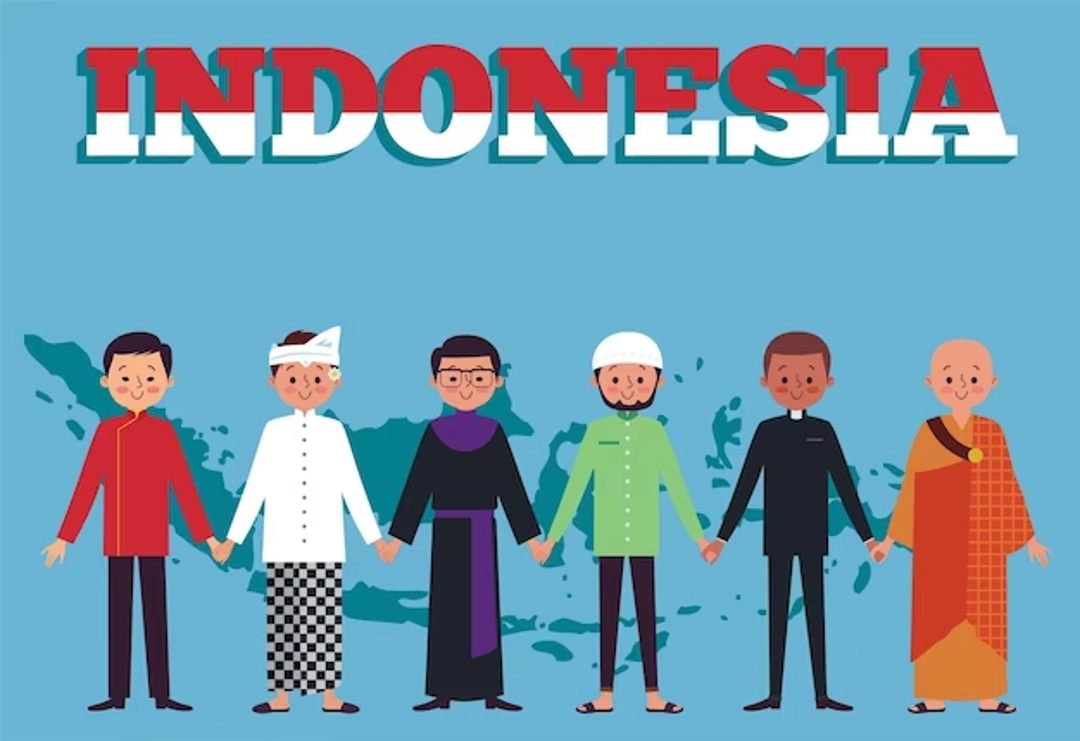
This article will delve into how Indonesia’s religious landscape, centered on its Muslim majority yet embracing significant pluralism, acts as a cornerstone for its national identity and influences its global branding strategies. We will explore how this religious composition informs the country’s self-perception, its cultural diplomacy, economic initiatives like the halal industry, and its efforts to market itself as a vibrant, tolerant, and diverse nation.
The Foundation of Indonesia’s Brand: Islam as the Predominant Faith
At the heart of Indonesia’s brand identity lies its status as the world’s most populous Muslim-majority nation. This demographic reality is not merely a statistical point; it is a foundational element that defines much of its social structure, cultural practices, and political discourse, subsequently influencing its national brand.
Demographics and Cultural Integration
Islam arrived in the Indonesian archipelago through trade routes, spreading gradually from the 13th century onwards and integrating deeply with existing indigenous cultures, animistic beliefs, and Hindu-Buddhist traditions. This historical process of assimilation, rather than outright conquest, resulted in a distinctive form of Islam—often characterized by its syncretic and moderate tendencies—that is uniquely Indonesian. Approximately 87% of Indonesia’s over 270 million people identify as Muslim, predominantly Sunni. This vast majority means that Islamic traditions, holidays, architecture, and values are woven into the very fabric of daily life, influencing everything from the national calendar to dietary habits and artistic expressions.
From a branding perspective, this widespread integration means that elements of Islamic culture are inherent to the “Indonesia experience.” For tourists, investors, or policymakers engaging with Indonesia, understanding this pervasive cultural influence is non-negotiable. It shapes consumer preferences, informs business etiquette, and dictates the rhythm of social life. The visual identity of Indonesian cities, marked by mosques and Islamic calligraphy, and the auditory landscape, punctuated by calls to prayer, are intrinsic components of the nation’s physical brand presence.
State Ideology and Religious Pluralism
Crucially, Indonesia is not an Islamic state. Its national philosophy, Pancasila, enshrines five principles: belief in the one and only God, just and civilized humanity, the unity of Indonesia, democracy guided by the wisdom of deliberation among representatives, and social justice for all Indonesians. The first principle, “Belief in the one and only God,” acknowledges the significance of religion in public life but does not privilege one faith. The state officially recognizes six religions: Islam, Protestantism, Catholicism, Hinduism, Buddhism, and Confucianism.
This commitment to religious pluralism, despite a significant Muslim majority, is a critical element of Indonesia’s national brand. It positions Indonesia as a unique model of religious harmony in a world often fraught with religious conflict. This “unity in diversity” (Bhinneka Tunggal Ika) is not just a motto; it’s a deliberate and actively managed aspect of the national brand strategy, projecting an image of tolerance, coexistence, and inclusive nation-building. This brand attribute is particularly appealing in an era where diversity and inclusion are highly valued on the global stage, offering Indonesia a unique selling proposition in international relations, tourism, and investment.
Shaping the National Identity and External Perception
The interplay between Indonesia’s Muslim majority and its constitutional commitment to pluralism profoundly shapes both its internal national identity and its external brand projection. It dictates how the nation sees itself and how it wishes to be seen by the world.
“Unity in Diversity” as a Core Brand Value
The national motto, “Bhinneka Tunggal Ika,” literally meaning “It is diverse, yet it is one,” perfectly encapsulates Indonesia’s brand promise. This ethos is constantly reinforced through state narratives, educational curricula, and cultural programs. For a nation as geographically fragmented and ethnically diverse as Indonesia, this principle is not merely aspirational; it is a vital tool for national cohesion and branding. It enables the state to foster a shared Indonesian identity that transcends specific religious or ethnic affiliations, uniting its populace under a common flag.
Internally, this branding strategy promotes social harmony and minimizes inter-religious strife, creating a stable environment conducive to economic development and national progress. Externally, it presents Indonesia as a mature, sophisticated nation capable of managing complex diversity—a powerful brand message in an interconnected world. It differentiates Indonesia from countries that might struggle with similar diversity, positioning it as an example of successful multiculturalism. This brand value is often highlighted in diplomatic engagements, international forums, and promotional materials aimed at showcasing the richness of Indonesian society without falling into the trap of oversimplification.
Projecting a Moderate Islamic Brand Globally
Indonesia actively leverages its unique brand of Islam on the global stage. As a large, democratic, and relatively stable Muslim-majority nation, it often positions itself as a beacon of moderate Islam. Organizations like Nahdlatul Ulama and Muhammadiyah, two of the world’s largest Islamic organizations originating in Indonesia, advocate for a tolerant, pluralistic, and progressive understanding of Islam. This stance is a deliberate part of Indonesia’s foreign policy and cultural diplomacy.
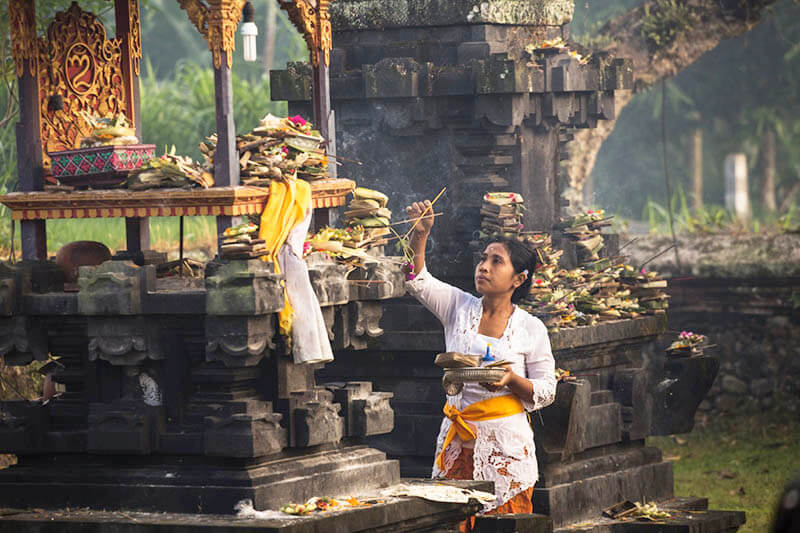
The “moderate Islam” brand allows Indonesia to foster stronger ties with both Western and Muslim-majority countries. It challenges stereotypes about Islam, presenting a compelling narrative of a vibrant, modern Muslim society that embraces democracy and human rights. This brand identity is crucial for counter-terrorism efforts, promoting interfaith dialogue, and enhancing Indonesia’s soft power. It allows Indonesia to play a constructive role in global affairs, acting as a bridge-builder and an advocate for peace and understanding, which further burnishes its international image and brand equity. This positioning is invaluable in building trust and fostering long-term relationships with diverse international partners.
Economic and Marketing Implications for the “Indonesia Brand”
The religious landscape of Indonesia has tangible economic and marketing implications, directly influencing specific sectors and shaping the country’s appeal to various market segments.
Halal Economy and Tourism Branding
Given its substantial Muslim population, Indonesia is a major player in the global halal economy, a market valued at trillions of dollars. This extends beyond food to include halal tourism, fashion, cosmetics, pharmaceuticals, and finance. The Indonesian government has made a concerted effort to develop and promote its halal industry, seeing it as a significant opportunity for economic growth and a key component of its national brand strategy.
For instance, Indonesia is actively positioning itself as a premier destination for Muslim-friendly tourism, developing infrastructure and services that cater to the needs of Muslim travelers (e.g., prayer facilities, halal food options, women-friendly beaches). This niche branding allows Indonesia to tap into a rapidly growing global market, offering a distinct value proposition that leverages its religious identity. Similarly, the growth of Islamic finance (Sharia-compliant banking and investment) positions Indonesia as a key hub in this burgeoning sector, attracting investment and fostering specialized expertise. This strategic focus on the halal economy not only generates revenue but also reinforces Indonesia’s image as a leader in Islamic cultural and economic innovation, further strengthening its “moderate Islamic” brand.
Cultural Diplomacy and Soft Power
Indonesia’s religious and cultural diversity is a wellspring for its cultural diplomacy efforts. By showcasing its varied religious traditions, performing arts, and interfaith harmony, Indonesia projects an image of a culturally rich and tolerant nation. This soft power strategy is vital for building alliances, fostering goodwill, and attracting foreign direct investment. For example, traditional Indonesian music, dance, and culinary arts, often imbued with spiritual significance derived from its diverse religious heritage, are showcased in international cultural festivals and diplomatic events.
The promotion of its distinctive religious harmony through cultural exchange serves to market Indonesia as an attractive partner for collaboration in various fields, from education to scientific research. This subtle form of branding encourages a deeper appreciation of Indonesian values and provides a positive contrast to regions where religious differences lead to conflict. It enhances Indonesia’s standing as a responsible global citizen and a fascinating destination for cultural exploration, adding depth and appeal to its overall national brand.
Navigating Diversity: Challenges and Opportunities for Branding
While diversity is a strength, managing it and branding it effectively presents both challenges and opportunities for Indonesia. The continuous effort to maintain harmony and inclusivity is a constant work-in-progress that influences how the brand evolves.
Internal Cohesion and Brand Resilience
Maintaining internal cohesion in such a diverse nation is a perpetual challenge. Occasional incidents of religious intolerance, while not reflective of the broader society, can test the “unity in diversity” brand. The government and civil society organizations are continually working to reinforce interfaith dialogue and promote understanding. From a branding perspective, successful navigation of these challenges demonstrates the resilience and robustness of Indonesia’s national identity. Each instance of overcoming division or reinforcing pluralism serves to strengthen the core brand message, showcasing the nation’s commitment to its founding principles.
The ability to address internal tensions effectively and uphold its pluralistic values enhances Indonesia’s credibility on the global stage. It shows a mature democracy that is capable of self-correction and continuous improvement, making it a more reliable and attractive partner for international engagement. This brand resilience is a powerful asset, signaling stability and a long-term commitment to its core values, which are highly attractive to investors and allies.

Attracting Investment and Talent in a Diverse Landscape
Indonesia’s unique blend of religious heritage and modern ambition offers distinct advantages in attracting foreign investment and skilled talent. Companies looking to expand into Southeast Asia or the broader Muslim market find Indonesia’s combination of a large, youthful population, growing economy, and a business environment that respects religious diversity particularly appealing. The presence of a vibrant halal economy, for example, signals clear market opportunities for specific industries.
Moreover, a diverse and tolerant society is increasingly attractive to global talent. Professionals and expatriates often seek environments that offer cultural richness and inclusivity. Indonesia’s brand as a tolerant, welcoming nation can be a significant draw for skilled labor and creative minds, contributing to its human capital development. By actively promoting its religious harmony and inclusive society, Indonesia strengthens its appeal as a dynamic and progressive nation open to the world, further enhancing its overall national brand and securing its position as a significant player in the 21st century.
In conclusion, “what is the main religion of Indonesia” is a question that reveals far more than a simple demographic fact. It uncovers the profound ways in which religion, particularly Islam in its unique Indonesian manifestation, underpins the nation’s brand identity. From its commitment to pluralism and its role as a beacon of moderate Islam to its flourishing halal economy and its rich cultural diplomacy, Indonesia’s religious landscape is intrinsically linked to its national narrative and global brand. It is a brand that skillfully balances tradition with modernity, unity with diversity, and faith with tolerance, presenting a compelling and complex image to the world.
aViewFromTheCave is a participant in the Amazon Services LLC Associates Program, an affiliate advertising program designed to provide a means for sites to earn advertising fees by advertising and linking to Amazon.com. Amazon, the Amazon logo, AmazonSupply, and the AmazonSupply logo are trademarks of Amazon.com, Inc. or its affiliates. As an Amazon Associate we earn affiliate commissions from qualifying purchases.