
The question “What is the longest time to elect a Pope?” delves into a fascinating historical footnote of one of the world’s most enduring and globally recognized institutions. While seemingly a simple query about duration, it offers a profound lens through which to examine the dynamics of leadership succession, institutional resilience, and brand management within an organization of unparalleled age and scope: the Catholic Church. The Papacy, in many respects, functions as a millennia-old global brand, with the Pope serving as its chief brand ambassador and CEO. A prolonged interregnum—the period between the death or resignation of one Pope and the election of another—can, therefore, have significant implications for this brand’s stability, perception, and operational effectiveness.
The longest Papal election in history was a protracted affair that unfolded from 1268 to 1271, ultimately lasting two years, nine months, and two days. This astonishing period of leaderless governance profoundly impacted the Church’s identity, authority, and future strategic direction, serving as a powerful case study in the perils of stalled succession. It was a crisis that directly led to the creation of the meticulously structured and largely efficient “Conclave” system we recognize today – a testament to an ancient institution’s capacity for self-correction in the face of brand vulnerability.
The Papacy as an Enduring Global Brand: A Legacy of Leadership
To understand the weight of a prolonged Papal election, one must first appreciate the Catholic Church’s unique position as a global brand. With over a billion adherents, a history spanning two millennia, and a presence in virtually every nation, its brand equity is immense, built on core values of faith, tradition, community, and service.
Defining a Millennia-Old Brand Identity
The brand identity of the Catholic Church is perhaps one of the most robust and consistent in human history. Its mission—to spread the Gospel and administer sacraments—has remained unchanged for centuries. Its visual identity, from the Vatican’s architecture to papal vestments and the iconic St. Peter’s Square, is instantly recognizable. Key symbols like the cross, the keys of St. Peter, and the papal tiara evoke deep spiritual and historical associations. This brand identity transcends cultures, languages, and political landscapes, providing a unifying framework for its diverse global community. The Church’s communications strategy, though evolving with technology, consistently reinforces its doctrinal teachings and social messages, aiming for both internal cohesion and external moral authority.
The Pope as Chief Brand Ambassador
At the apex of this colossal organization is the Pope, who is far more than just a spiritual leader; he is the ultimate chief brand ambassador. The Pontiff embodies the Church’s values, articulates its vision, and often sets its strategic direction in a rapidly changing world. His words and actions resonate globally, influencing everything from geopolitics to local community initiatives. A Pope’s leadership style, his approach to contemporary issues, and even his personal demeanor contribute significantly to the Church’s public image and internal morale. The selection of a new Pope, therefore, is not merely a religious ritual but a critical strategic decision that will define the “face” and “voice” of the brand for potentially decades to come. The continuity of this leadership is paramount for maintaining momentum, delivering on its mission, and ensuring consistent brand messaging across its vast network.
When Succession Stalls: The Peril of Prolonged Leadership Transitions
The 1268-1271 Papal election stands as a stark historical warning against the dangers of an extended leadership vacuum within any major institution, spiritual or secular. It perfectly illustrates how an inability to quickly decide on a successor can destabilize a powerful brand.
The 1268-1271 Conclave: A Case Study in Brand Instability
Following the death of Pope Clement IV in Viterbo on November 29, 1268, the 19 cardinals present found themselves deadlocked. The primary cause of the unprecedented delay was deep political factionalism. The College of Cardinals was divided between French and Italian factions, each backed by powerful secular rulers (Charles of Anjou, King of Sicily, and various Italian nobles). These factions were so entrenched in their political allegiances that they repeatedly blocked each other’s candidates. The absence of clear procedural rules for expediting the election further exacerbated the situation, allowing the cardinals to enjoy comfortable accommodations and provisions, with no urgent incentive to reach a consensus.
The interregnum was not merely an internal ecclesiastical issue; it had profound external ramifications. The Holy Roman Empire was in disarray, the Crusades were struggling, and various European powers vied for influence, all looking to the Papacy for guidance and authority. The prolonged vacancy meant a lack of a decisive voice on critical global matters, diminishing the Church’s diplomatic power and its ability to act as a moral arbiter. This period of leaderlessness was a true brand crisis, as it projected an image of disunity, weakness, and internal strife to both its adherents and its political adversaries.
Erosion of Trust and Authority
The extended period without a Pope led to a significant erosion of trust and authority both within and outside the Church. Internally, the morale of clergy and the faithful undoubtedly suffered. Speculation ran rampant, and the inability of the cardinals to perform their most crucial duty—electing a successor—called into question the institution’s efficacy and internal governance. External perception was even more damaging. The “brand” of the Papacy, typically associated with divine guidance and unwavering leadership, appeared indecisive and captive to earthly political machinations. This created a vacuum that secular powers were quick to exploit, further weakening the Church’s influence. The longer the delay, the more vulnerable the institution became to external pressures and the more its core brand message of unity and spiritual authority was diluted. The situation in Viterbo became such a scandal that the local magistrates, driven by public outcry, eventually took drastic measures to force a resolution.
Rebuilding Brand Cohesion: The Genesis of the Conclave System
The extraordinary crisis of 1268-1271 ultimately served as a powerful catalyst for institutional reform, demonstrating an organization’s capacity to adapt and innovate to protect its core brand. The reforms introduced directly after this election were nothing short of a strategic overhaul designed to prevent future brand damage from leadership vacuums.
Strategic Response to Crisis: Pope Gregory X’s Reforms
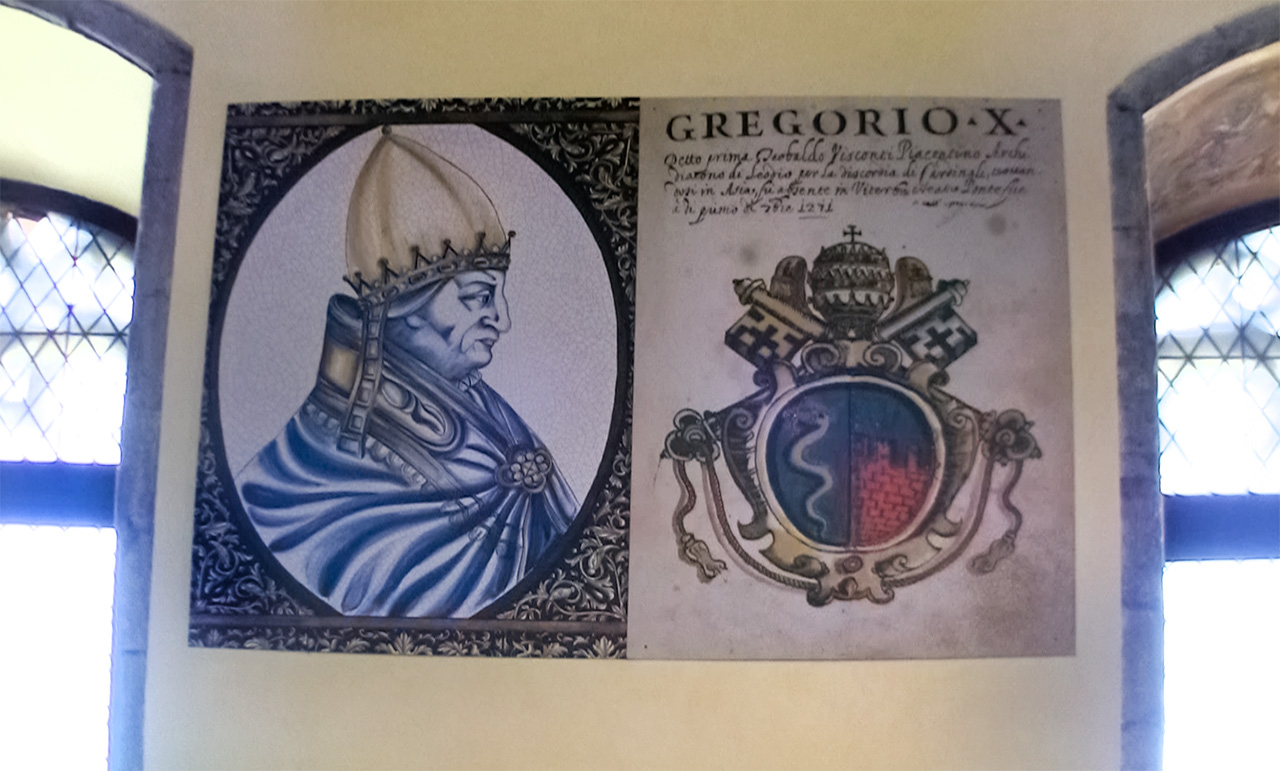
When the exasperated citizens of Viterbo finally took matters into their own hands, removing the roof of the cardinal’s palace, cutting off their food supply, and even locking them in (“cum clave” – with a key), the message was clear: elect a Pope, or suffer. These extreme measures eventually led to the election of Tedaldo Visconti, who took the name Gregory X. Having witnessed firsthand the paralysis caused by the prolonged interregnum, Pope Gregory X immediately recognized the imperative to safeguard the Papacy’s future.
His most significant contribution was the promulgation of the apostolic constitution Ubi periculum in 1274, which formally established the rules for the Papal Conclave. These rules were a direct response to the issues that plagued his own election. Key provisions included:
- Seclusion: Cardinals were to be locked in a single room with no contact with the outside world.
- Limited Provisions: Their food supply would be gradually reduced the longer the election lasted.
- Financial Disincentives: Their stipends would also be cut.
- Focus on Divine Guidance: The entire process was designed to eliminate secular interference and focus the cardinals’ minds solely on their spiritual duty.
These reforms were a brilliant piece of strategic brand management. They aimed to streamline the succession process, reduce external influence, and project an image of decisive, divinely guided leadership rather than political haggling.
Ensuring Swift and Decisive Leadership Selection
The Conclave system, though it has evolved slightly over centuries, fundamentally remains a highly formalized, controlled, and intensely private process designed for efficient leadership selection. By isolating the electors and imposing increasingly uncomfortable conditions, Gregory X ensured that future elections would be swift. This system minimizes the time the “Papal brand” operates without its CEO, thereby reducing vulnerability to external pressures and maintaining an unbroken chain of authority. It underscores the value of structured governance and clear procedural guidelines in protecting an organization’s brand reputation and operational continuity during critical leadership transitions. The very word “conclave” (from Latin cum clave, “with a key”) became synonymous with a secure, confidential, and ultimately expeditious process of succession.
Modern Conclaves: Expediting Succession for Contemporary Brand Relevance
In the contemporary world, where information travels instantaneously and global events demand immediate responses, the efficiency of Papal succession is more critical than ever for the Church’s brand relevance and agility.
The Pace of Modern Papal Elections
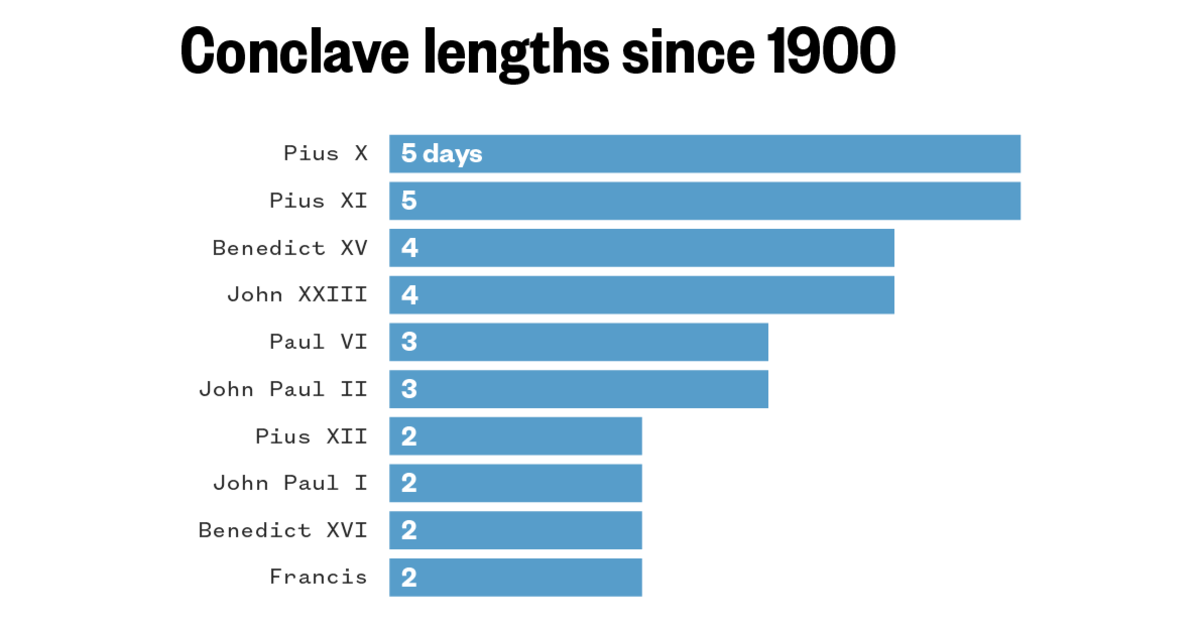
The longest Papal election of 1268-1271 stands in stark contrast to modern conclaves, which are typically measured in days rather than years. Recent examples include:
- Pope Benedict XVI (2005): Elected in less than two days, after four ballots.
- Pope Francis (2013): Elected in less than two days, after five ballots.
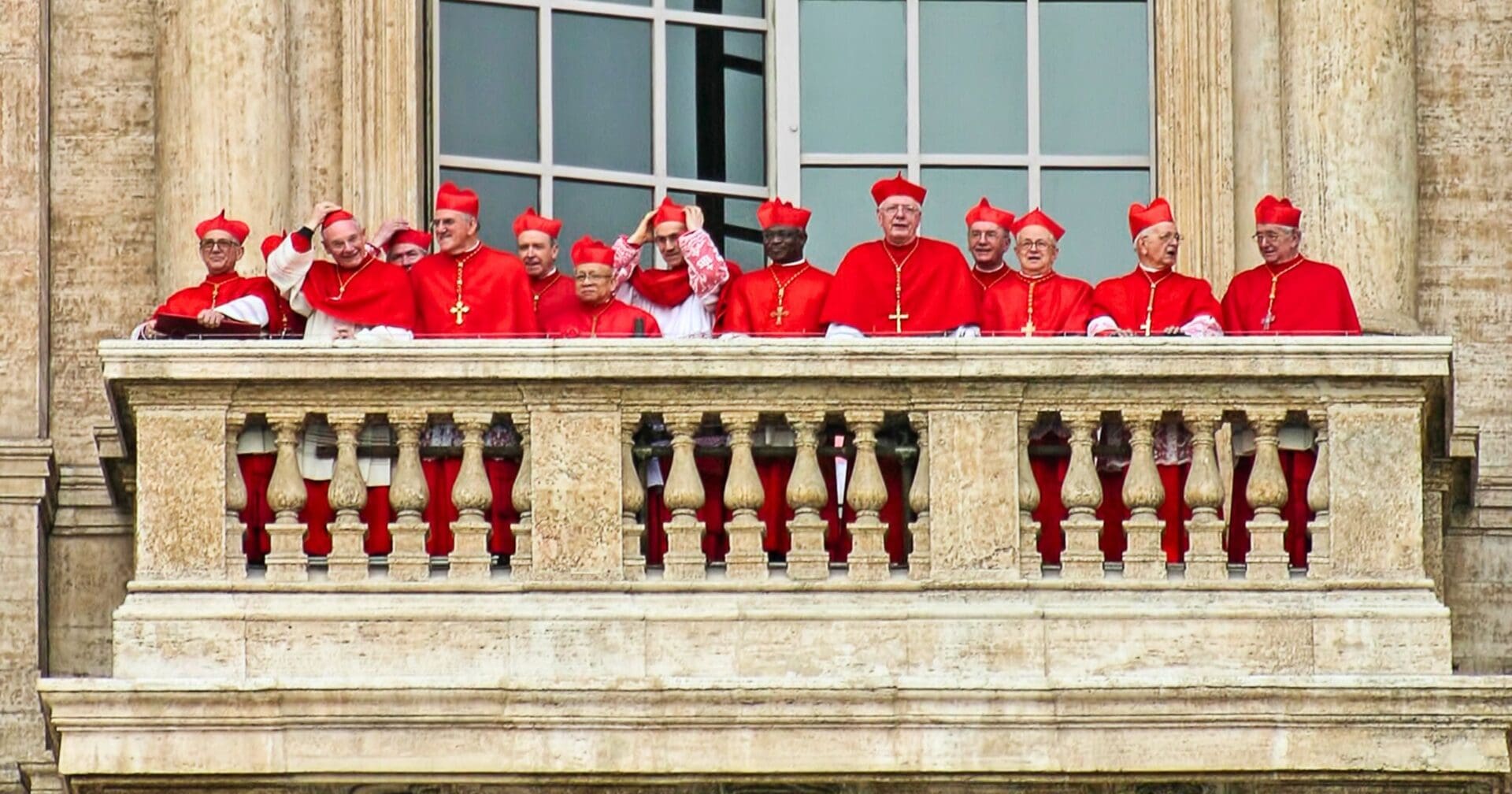
Several factors contribute to this efficiency. The Conclave rules, refined over centuries, are robust and well-understood. The College of Cardinals is generally more cohesive in its overarching goals, even if differing on specific candidates. Furthermore, the imperative for swift leadership in a media-saturated, globally interconnected world cannot be overstated. A protracted modern conclave would undoubtedly generate intense scrutiny, speculation, and potentially negative public perception, something the Church’s brand strategy aims to avoid.
Maintaining Brand Agility in a Fast-Paced World
In an era of rapid technological change, complex geopolitical challenges, and intense competition for attention and influence, any major institution must demonstrate agility. For the Catholic Church, a rapid and decisive election ensures that the “brand” can quickly pivot back to its core mission, address emerging global issues, and maintain its voice on the world stage. A swift succession minimizes any power vacuum, prevents external parties from exploiting perceived weakness, and allows the new Pontiff to immediately begin shaping the Church’s message and strategic initiatives. This agility is crucial for the Church to maintain its relevance and influence in a fast-paced world where consistent, clear, and authoritative leadership is paramount for brand integrity.
Lessons for Corporate Branding and Leadership Succession
The historical case of the longest Papal election, and the subsequent institutional reforms, offer invaluable lessons that transcend religious institutions and are highly applicable to modern corporate branding and leadership succession planning.
The Imperative of Clear Succession Planning
The Papacy’s experience underscores the absolute necessity of clear, well-defined succession planning for any organization. Just as the lack of rules nearly crippled the Church in the 13th century, an absent or ambiguous succession plan in a corporation can lead to internal chaos, investor uncertainty, and a significant drop in market confidence. Robust succession plans ensure continuity of operations, preserve institutional knowledge, and reassure stakeholders that the organization is prepared for leadership transitions, thereby protecting its brand reputation and long-term viability.
Mitigating Brand Risk During Transitions
Leadership transitions are inherently risky for any brand. The interregnum period in the Papacy highlights how a lack of visible, decisive leadership can open the door to speculation, internal divisions, and external vulnerabilities. For modern corporations, this translates to the need for careful communication strategies during leadership changes, managing stakeholder expectations, and ensuring a smooth handover to prevent negative press or market reactions. Proactive crisis communication plans, transparency where appropriate, and a focus on maintaining stability are crucial elements in mitigating brand risk during these critical periods. The Papacy, in its creation of the Conclave, effectively designed a system to control the narrative and minimize external interference during its most critical leadership transition.
In conclusion, while the question “What is the longest time to elect a Pope?” points to a specific historical event, its implications resonate far beyond mere chronology. The nearly three-year-long Papal election of 1268-1271 serves as a powerful historical case study in the profound impact of leadership succession on institutional branding and resilience. It dramatically illustrates how an institution as ancient and revered as the Papacy faced a severe brand crisis due to internal divisions and a lack of procedural clarity. The subsequent establishment of the Conclave system represents a masterclass in strategic self-correction, designed to safeguard the Church’s global brand by ensuring swift, decisive, and unified leadership transitions. These historical lessons remain deeply relevant for any organization today, emphasizing the critical importance of robust succession planning and effective transition management in maintaining brand integrity and navigating an ever-evolving world.
aViewFromTheCave is a participant in the Amazon Services LLC Associates Program, an affiliate advertising program designed to provide a means for sites to earn advertising fees by advertising and linking to Amazon.com. Amazon, the Amazon logo, AmazonSupply, and the AmazonSupply logo are trademarks of Amazon.com, Inc. or its affiliates. As an Amazon Associate we earn affiliate commissions from qualifying purchases.