
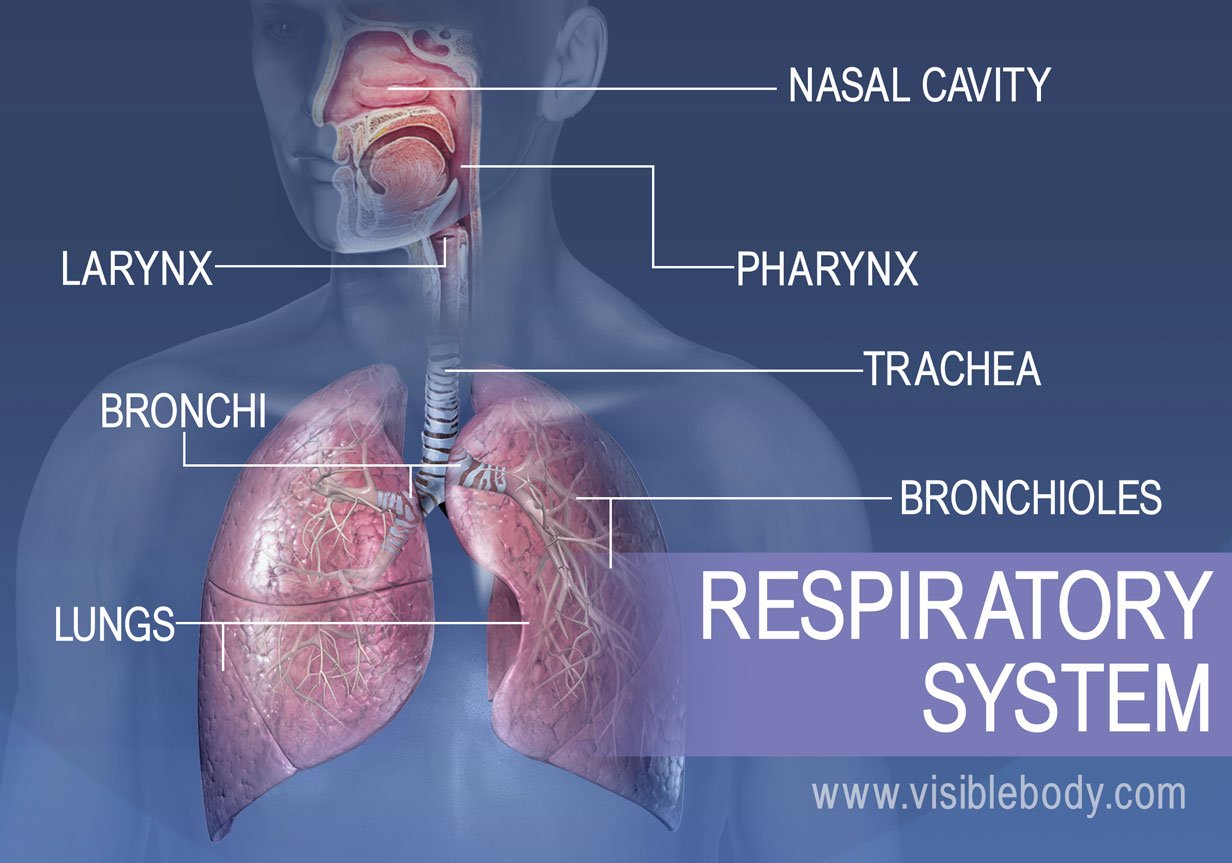
The human respiratory system is an intricate biological marvel, ceaselessly working to sustain life by facilitating the exchange of gases vital for every cell in our body. Traditionally, understanding its “job” has been the domain of biology and medicine. However, in the 21st century, technology has dramatically expanded our perception and interaction with this crucial system. From advanced diagnostics to sophisticated monitoring and life support, the job of supporting, observing, and even augmenting the respiratory system has increasingly become a frontier for technological innovation. This article delves into how technology is redefining our understanding and management of respiratory health, transforming it into a dynamic field within health tech, AI, and digital medicine.
Monitoring the Breath of Life: Wearables and IoT in Respiratory Health
The first and arguably most direct way technology impacts the respiratory system is through its ability to monitor its function. The advent of wearable devices and the Internet of Things (IoT) has brought sophisticated health tracking out of clinical settings and into daily life, offering unprecedented insights into our respiratory patterns and potential anomalies. This continuous, non-invasive data collection is pivotal for proactive health management and early detection of issues.
From Pulse Oximeters to Smart Patches
For decades, basic tools like spirometers and stethoscopes were primary instruments for assessing lung function. While still indispensable, modern tech has introduced a new generation of monitoring devices. Pulse oximeters, once bulky hospital equipment, are now ubiquitous consumer gadgets, easily measuring blood oxygen saturation—a key indicator of respiratory efficiency. Smartwatches and fitness trackers are increasingly integrating sensors that go beyond heart rate, offering rudimentary breathing rate analysis and even sleep apnea detection through subtle movements and oxygen level drops.
More advanced wearable solutions include smart patches and specialized sensors designed for individuals with chronic respiratory conditions like asthma or COPD. These devices can continuously track parameters such as respiratory rate, cough frequency, spirometry data, and even the presence of environmental allergens or irritants. Some patches are engineered to monitor biomarkers in sweat or exhaled breath, providing a holistic view of a patient’s physiological state and environmental exposures that might trigger respiratory distress. This constant stream of data empowers both patients and healthcare providers with real-time, actionable information.
Predictive Analytics and Early Detection
The real power of these interconnected devices lies not just in data collection but in the analytical capabilities they enable. IoT platforms aggregate vast amounts of anonymized data from thousands, if not millions, of users. When combined with machine learning algorithms, this data can be leveraged for predictive analytics. For instance, subtle changes in a patient’s breathing pattern, heart rate variability, or activity levels, when correlated with environmental data (like air quality indices), can predict an impending asthma attack or COPD exacerbation days before symptoms become severe.
For populations at risk, such as infants susceptible to Sudden Infant Death Syndrome (SIDS) or elderly individuals prone to respiratory infections, smart monitors offer invaluable peace of mind and critical early warnings. This shift from reactive treatment to proactive intervention is a game-changer, promising to reduce hospitalizations, improve quality of life, and ultimately save lives by addressing respiratory issues at their earliest, most manageable stages.
AI and Machine Learning: Deciphering Lung Health
Beyond monitoring, Artificial Intelligence (AI) and Machine Learning (ML) are taking on an even more profound “job” for the respiratory system: interpreting complex data, identifying patterns invisible to the human eye, and driving personalized medical decisions. AI’s capacity to process vast datasets at speeds impossible for humans is revolutionizing diagnostics, treatment planning, and even drug discovery in respiratory medicine.
AI-Powered Diagnostics and Image Analysis
One of AI’s most impactful applications is in enhancing diagnostic accuracy, particularly in interpreting medical images like X-rays, CT scans, and MRIs of the lungs. Traditional image analysis relies heavily on the expertise and subjective interpretation of radiologists. AI algorithms, trained on massive datasets of annotated images, can identify subtle abnormalities such as early-stage lung cancer nodules, pneumonia infiltrates, or signs of interstitial lung disease with remarkable precision and speed. In some cases, AI can detect features that might be overlooked by human observers, acting as a crucial second opinion or a first-pass screening tool in high-volume settings.
Furthermore, AI is being developed to analyze lung sounds (phonopneumography) captured by digital stethoscopes, distinguishing between normal breathing, wheezing, crackles, and other abnormal sounds indicative of specific conditions. This can assist primary care physicians in remote areas or triage situations, guiding them towards appropriate referrals or initial treatments based on objective, AI-driven assessment. The ability to rapidly and accurately diagnose respiratory conditions is fundamental to effective intervention.
Personalized Treatment Plans and Drug Discovery
The journey from diagnosis to treatment is also being transformed by AI. For chronic respiratory diseases, finding the optimal treatment regimen often involves trial and error, considering a patient’s unique genetic makeup, lifestyle, and response to various medications. AI can analyze a patient’s complete health profile—including genomic data, electronic health records, wearable data, and environmental factors—to recommend highly personalized treatment plans. This could mean precise medication dosages, tailored breathing exercises, or specific lifestyle adjustments designed to maximize efficacy and minimize side effects.
In drug discovery, AI accelerates the process of identifying potential new therapies for challenging respiratory conditions like idiopathic pulmonary fibrosis or severe asthma. ML algorithms can screen vast libraries of compounds, predict their efficacy and toxicity, and simulate their interactions with biological targets in the respiratory system, significantly reducing the time and cost associated with traditional drug development. This capability holds immense promise for addressing unmet needs in respiratory medicine and bringing novel treatments to patients faster.
Digital Therapeutics and Virtual Care for Respiratory Conditions
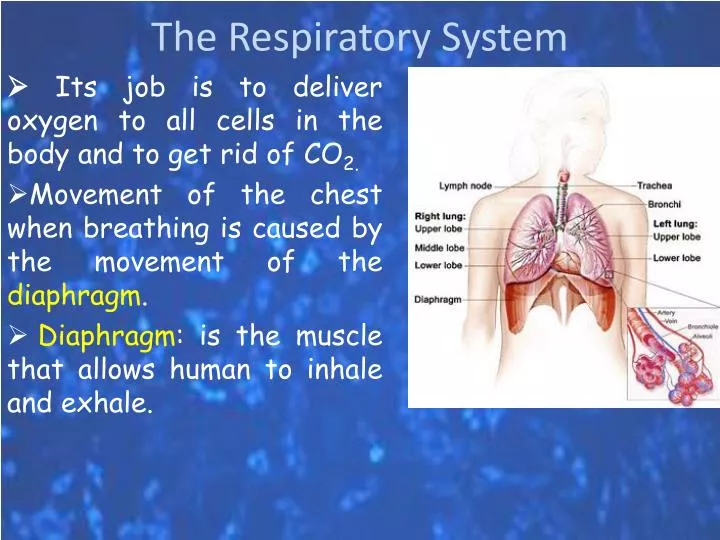
The “job” of the respiratory system also extends to maintaining its health over time, managing chronic conditions, and providing accessible care. Digital therapeutics (DTx) and virtual care platforms leverage technology to empower patients, deliver interventions, and bridge geographical gaps in healthcare access, fundamentally changing how respiratory conditions are managed.
Empowering Patients Through Apps and Platforms
Digital therapeutics are evidence-based software programs designed to prevent, manage, or treat a medical disorder. For respiratory conditions, DTx apps can provide structured programs for asthma management, COPD rehabilitation, or smoking cessation. These apps often incorporate interactive exercises, educational content, symptom trackers, medication reminders, and direct communication channels with healthcare providers. For instance, an asthma management app might guide a patient through peak flow meter readings, track symptom triggers, and provide personalized action plans for exacerbations, significantly improving adherence to treatment and self-management skills.
Beyond individual apps, integrated platforms can connect patients with their care teams, provide access to peer support networks, and deliver telehealth consultations. This ecosystem of digital tools empowers patients to take a more active role in their health journey, fostering better understanding of their condition and improving their ability to manage symptoms effectively from the comfort of their homes. The focus here is on continuous engagement and education, which are crucial for long-term management of chronic respiratory diseases.
Telemedicine’s Role in Respiratory Care Access
The COVID-19 pandemic highlighted the critical importance of telemedicine, particularly for respiratory care. Virtual consultations allow patients with respiratory symptoms or chronic conditions to connect with specialists without needing to travel, reducing exposure risks and overcoming geographical barriers. For rural populations or those with limited mobility, telemedicine transforms access to expert pulmonologists, respiratory therapists, and specialized clinics.
Telemedicine platforms can facilitate remote monitoring of patients, allowing doctors to review data from wearables, analyze symptom logs, and conduct virtual examinations. This is particularly beneficial for post-hospital discharge care for conditions like pneumonia or acute exacerbations of COPD, ensuring continuity of care and preventing readmissions. Furthermore, virtual pulmonary rehabilitation programs delivered via video conferencing can help patients improve lung function and quality of life without the logistical challenges of attending in-person sessions. This expansion of virtual care makes expert respiratory support more accessible and efficient than ever before.
The Future of Respiratory Tech: Robotics and Bio-Integration
Looking ahead, the technological “job” for the respiratory system continues to evolve into even more sophisticated realms, integrating robotics and advanced bio-engineering to address the most complex challenges, from severe lung failure to entirely new forms of breathing assistance.
Advanced Ventilation Systems and Robotics
Ventilators have long been the cornerstone of life support for critically ill patients with respiratory failure. However, new generations of ventilators are incorporating AI to personalize ventilation settings, reducing lung injury and improving patient outcomes. Robotic systems are also beginning to play a role, particularly in surgical interventions. Robot-assisted bronchoscopy, for example, allows pulmonologists to navigate the intricate airways with greater precision, reaching distant lung nodules for biopsy that were previously inaccessible, improving diagnostic yield and reducing procedural risks.
Robotics also extends to assistive technologies for patients with severe respiratory disabilities. Exoskeletons and advanced mobility aids can be integrated with respiratory support systems, allowing individuals with conditions like ALS or high spinal cord injuries to achieve greater independence and improved quality of life, moving beyond static breathing machines to dynamic, integrated support. The future may even see miniature robots designed for drug delivery directly to the lungs or for internal tissue repair.
Bio-Integrated Sensors and Artificial Lungs
The ultimate frontier involves true bio-integration, where technology merges seamlessly with biological systems. Bio-integrated sensors, small enough to be implanted or even inhaled, could provide hyper-accurate, continuous monitoring of lung health from within the body, detecting changes at a cellular level long before external symptoms appear. Imagine sensors that can detect specific inflammatory markers or early cancer cells directly in the lung tissue.
Perhaps the most ambitious long-term goal is the development of fully functional artificial lungs. While still largely in the research phase, progress in biomaterials, tissue engineering, and perfusion technologies is bringing this closer to reality. Devices like extracorporeal membrane oxygenation (ECMO) already provide temporary external lung function, but the aspiration is to create implantable, long-term solutions that can replace failing lungs, offering a lifeline to patients who currently have no other options. This would represent the pinnacle of technology taking over the “job” of a compromised respiratory system, not just supporting it, but entirely replicating its function.
Conclusion
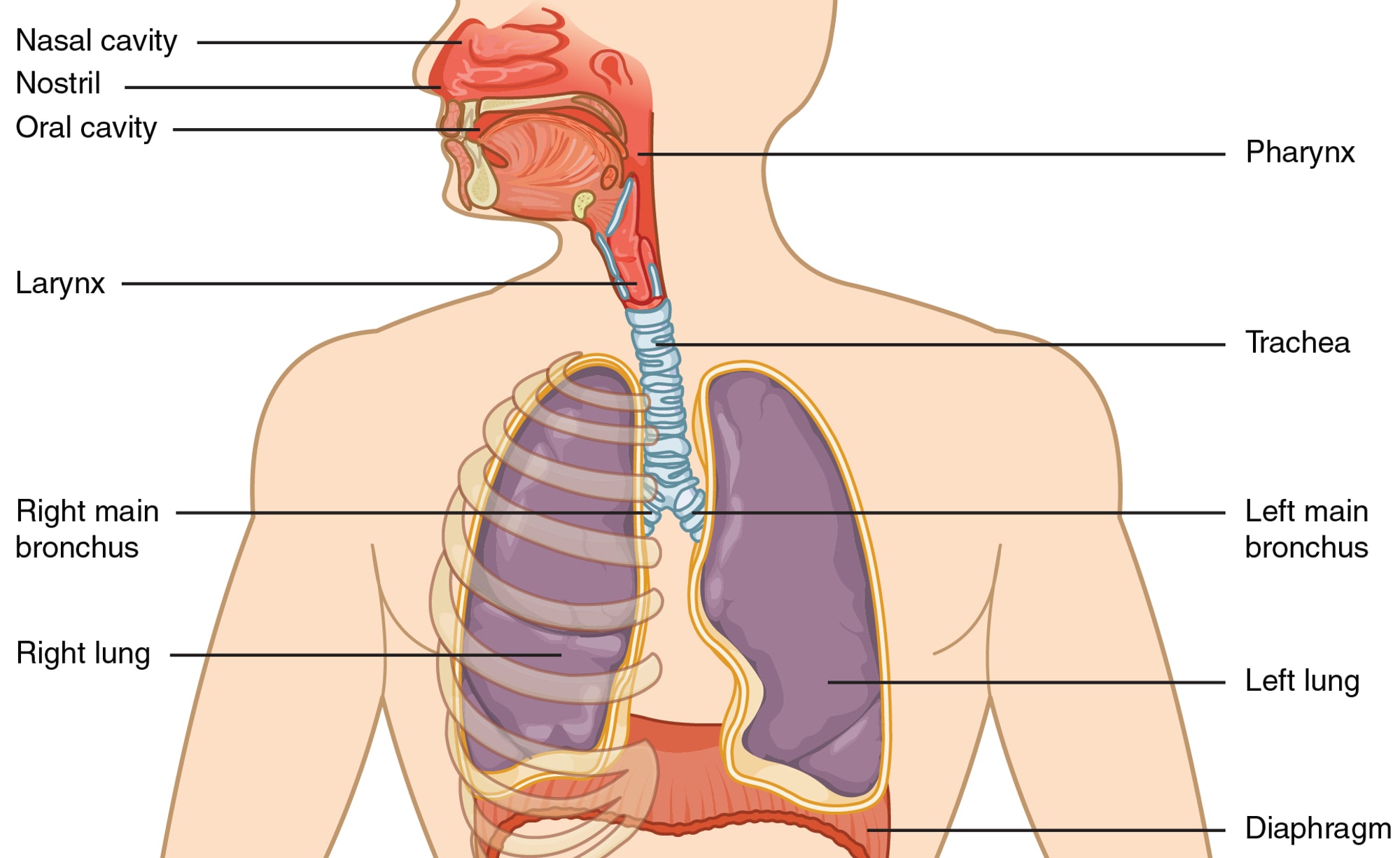
The “job for the respiratory system” remains fundamentally biological: to breathe, to oxygenate, to sustain life. However, technology has profoundly expanded our capacity to interact with this system. From the widespread adoption of wearable monitors and IoT devices for proactive health management, to the analytical prowess of AI and machine learning in diagnostics and personalized medicine, and the empowering reach of digital therapeutics and virtual care, technology is consistently enhancing our ability to understand, protect, and restore respiratory health. As we look to the future, the integration of robotics and advanced bio-engineering promises to unlock even more groundbreaking solutions, cementing technology’s indispensable role as a critical partner in ensuring the ongoing “job” of the respiratory system is performed effectively, for every breath we take.
aViewFromTheCave is a participant in the Amazon Services LLC Associates Program, an affiliate advertising program designed to provide a means for sites to earn advertising fees by advertising and linking to Amazon.com. Amazon, the Amazon logo, AmazonSupply, and the AmazonSupply logo are trademarks of Amazon.com, Inc. or its affiliates. As an Amazon Associate we earn affiliate commissions from qualifying purchases.