
Navigating the landscape of governmental assistance programs can often feel like deciphering a complex financial code. For millions of Americans facing food insecurity, the Supplemental Nutrition Assistance Program (SNAP), commonly known as food stamps, serves as a crucial lifeline. Understanding the income qualifications for this program is the first, and arguably most important, step for individuals and families seeking support. This article will demystify the income thresholds, delve into the various criteria, and provide a comprehensive guide to eligibility, ensuring that those who need assistance can access the resources available to them.

Understanding the Supplemental Nutrition Assistance Program (SNAP)
Before diving into the specifics of income, it’s essential to grasp the fundamental nature and purpose of SNAP. More than just a handout, SNAP is an investment in public health and economic stability, designed to provide nutritional support to low-income individuals and families.
A Lifeline for Food Security
Food security, defined as consistent access to enough food for an active, healthy life, is a basic human right. SNAP aims to combat food insecurity by supplementing the food budgets of eligible households. This allows them to purchase healthy foods, improving overall health outcomes and reducing the economic strain often associated with poverty. The program not only helps individuals but also indirectly stimulates local economies as beneficiaries spend their benefits at grocery stores, supporting local businesses and jobs. It’s a cyclical benefit that ripples through communities, ensuring that basic needs are met and contributing to a more stable society. Without such programs, the consequences of widespread hunger would be far more dire, impacting everything from educational attainment to workforce productivity.
SNAP vs. Food Stamps: A Modern Terminology
While many still refer to the program as “food stamps,” the official name is the Supplemental Nutrition Assistance Program (SNAP). The transition from paper stamps to electronic benefits cards (EBT) in the early 2000s marked a significant modernization of the program. EBT cards function much like debit cards, allowing recipients to discreetly purchase eligible food items at authorized grocery stores and farmers markets. This change not only reduced the stigma associated with using food assistance but also improved efficiency and reduced administrative costs. The shift in terminology reflects a broader effort to emphasize the program’s focus on nutrition and support, rather than just providing a commodity. It underscores a commitment to dignity and practicality in service delivery, aligning with contemporary financial practices.
The Role of State and Federal Collaboration
SNAP is a federally funded program, but its administration is a joint effort between the U.S. Department of Agriculture (USDA) and individual state agencies. The federal government sets the broad guidelines and income eligibility standards, which are based on the Federal Poverty Level (FPL). However, states have a degree of flexibility to adapt certain aspects of the program to meet the unique needs of their populations. This includes variations in application processes, specific deductions, and even some non-financial eligibility criteria. This state-federal partnership allows for a balance between national standards of fairness and local responsiveness, ensuring that the program can be tailored to address diverse economic landscapes and social challenges across the country. Understanding this collaborative structure is key to appreciating why certain aspects of SNAP might vary from one state to another.
Key Income-Based Eligibility Criteria
Eligibility for SNAP is primarily determined by a household’s income, both gross and net, in relation to the Federal Poverty Level. However, it’s not simply a matter of earning below a certain dollar amount; several factors are considered.
Gross Income Test: The First Hurdle
The initial step in determining SNAP eligibility involves the “gross income test.” For most households, their total gross monthly income must be at or below 130% of the Federal Poverty Level (FPL). Gross income refers to all household income before any deductions are taken, such as taxes, social security, or health insurance premiums. This includes wages, salaries, self-employment income, social security benefits, unemployment compensation, and child support, among other sources. The 130% FPL threshold acts as a preliminary screening tool, designed to quickly identify households that are likely to be eligible for assistance. If a household’s gross income exceeds this limit, they are generally considered ineligible, although there are important exceptions for specific populations. This first hurdle ensures that the program targets those with the most pressing financial needs, providing a clear boundary for initial consideration.
Net Income Test: Accounting for Deductions
If a household passes the gross income test, the next step is the “net income test.” This is where deductions come into play. Net income is calculated by taking the gross income and subtracting allowable deductions, such as:
- A standard deduction (which varies by household size).
- 20% of earned income.
- Dependent care costs (if necessary for work, training, or education).
- Medical expenses for elderly or disabled household members (exceeding a certain amount).
- Legally obligated child support payments.
- Excess shelter costs (amounts exceeding 50% of the household’s income after all other deductions).
For most households, their net monthly income must be at or below 100% of the Federal Poverty Level. The net income test provides a more nuanced picture of a household’s financial reality, acknowledging that certain expenses are unavoidable and reduce disposable income. This step ensures that households with significant, unavoidable costs are not unfairly disqualified, reflecting a more realistic assessment of their financial capacity to purchase food.
Asset Limits: Beyond Just Income
Beyond income, most households must also meet certain asset limits. Assets include resources like bank accounts (checking and savings), cash on hand, and certain investments. For the fiscal year 2024, the asset limit for most households is $2,750. However, for households with at least one member who is age 60 or older, or disabled, the asset limit is significantly higher at $4,250. It’s crucial to note that certain assets are not counted, such as:
- The home you live in and the land it sits on.
- The value of one vehicle per household.
- Retirement savings plans (e.g., 401ks, IRAs).
- Personal belongings.
These exclusions are important because they prevent individuals from having to sell essential assets, like their home or primary transportation, just to qualify for food assistance. The asset test ensures that assistance is directed towards those who genuinely lack the financial resources to meet their immediate nutritional needs, without penalizing responsible long-term planning or ownership of basic necessities.
Special Considerations: Elderly, Disabled, and Working Adults
SNAP recognizes that certain populations face unique financial challenges. Households containing an elderly (age 60 or older) or disabled member are often subject to different rules. For these households, the gross income test is waived, meaning only their net income must be at or below 100% of the FPL. They also benefit from higher asset limits and may be eligible for deductions for medical expenses. Additionally, there are specific work requirements for able-bodied adults without dependents (ABAWDs), typically requiring them to work or participate in training programs for a certain number of hours per week. However, there are numerous exemptions to these work requirements, including for pregnant women, individuals with disabilities, or those caring for a child. These special considerations are vital for ensuring that the program is flexible and responsive to the diverse circumstances of vulnerable populations, providing support without imposing undue burdens.
Navigating Specific Income Thresholds
While the Federal Poverty Level serves as the bedrock for SNAP eligibility, the exact dollar amounts change annually and vary based on household size and state-specific adjustments.
The Federal Poverty Level (FPL) as a Benchmark
The Federal Poverty Level (FPL) is a set of income thresholds issued annually by the U.S. Department of Health and Human Services. It serves as a national standard for determining eligibility for various federal programs, including SNAP. For SNAP, the 130% and 100% FPL thresholds are particularly critical for the gross and net income tests, respectively. For instance, if the FPL for a single-person household is $14,580 per year (as it was in 2023), then 130% of that would be approximately $18,954 per year, or about $1,579 per month. These figures increase with each additional household member. It’s important to remember that these are national benchmarks, and the actual income limits you encounter will be translated into monthly amounts and might be slightly adjusted by your state. The FPL is a dynamic measure, recalibrated each year to reflect changes in the cost of living and other economic factors, ensuring that the eligibility criteria remain relevant.
State-Specific Variations and Cost of Living Adjustments
While the FPL provides a national standard, states have some leeway in how they apply these guidelines. Some states might offer expanded categorical eligibility, which allows households already receiving certain other benefits (like Temporary Assistance for Needy Families – TANF) to automatically qualify for SNAP without undergoing a separate gross income test. Other states may have different standard deductions or slightly different ways of calculating shelter costs. These variations are often designed to account for differing costs of living across states – a dollar in a high-cost urban area doesn’t stretch as far as it does in a rural community. Therefore, while the federal framework is consistent, the practical application and the exact income cut-offs can vary subtly from state to state. It’s crucial for applicants to check the specific requirements published by their state’s SNAP agency.

Income Limits for Different Household Sizes
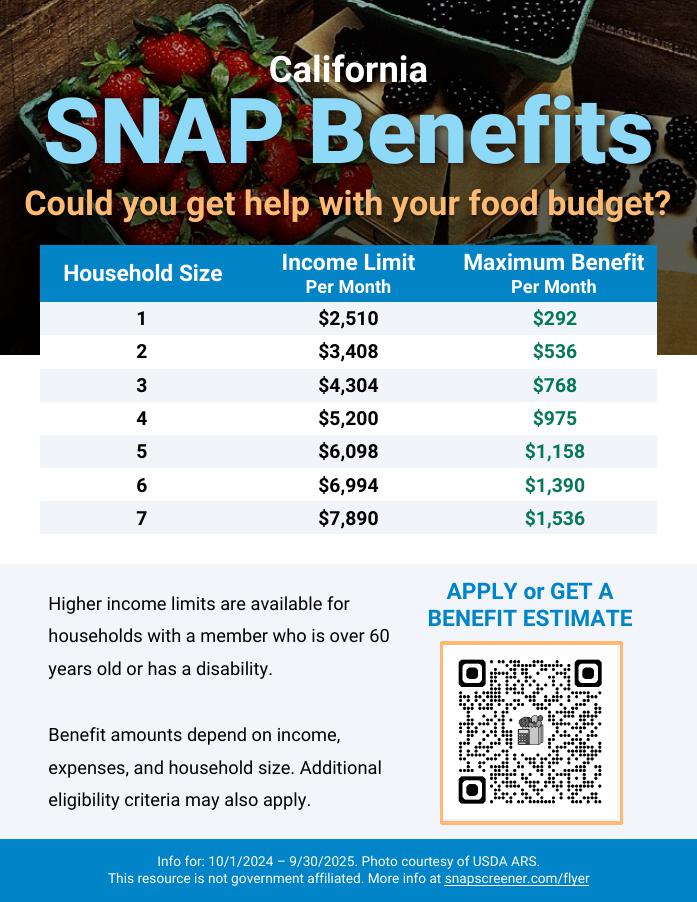
The income thresholds for SNAP eligibility are directly correlated with household size. A larger household naturally has greater needs, and therefore, the income limits are higher for families with more members. For example, the 130% FPL for a single person will be significantly lower than for a household of four. This progressive scaling ensures that families of varying sizes receive equitable consideration. It acknowledges that the financial burden of feeding and housing a larger family increases with each additional member, and the program is designed to adjust its support accordingly. Potential applicants should be aware that the definition of a “household” for SNAP purposes is also specific: it typically includes people who live together and customarily purchase and prepare food together.
The Impact of Deductions on Net Income
As mentioned, deductions play a pivotal role in reaching the net income threshold. Understanding which deductions apply to your household can significantly impact your eligibility and benefit amount. For example, if a household has high shelter costs (rent or mortgage, utilities) that exceed 50% of their net income after other deductions, they may qualify for an “excess shelter deduction.” Similarly, substantial out-of-pocket medical expenses for elderly or disabled members can lower their countable income, potentially making them eligible or increasing their benefits. These deductions are not merely administrative details; they are critical components designed to reflect a household’s true financial vulnerability, ensuring that essential expenses are accounted for before determining a household’s ability to afford food. It empowers households to present a more accurate financial picture, leading to a fairer assessment of their need.
The Application Process and What to Expect
Applying for SNAP involves several steps, from gathering documents to an interview. Being prepared can streamline the process and reduce stress.
Gathering Necessary Documentation
Preparation is key to a smooth SNAP application process. Applicants will need to provide documentation to verify their identity, residency, income, assets, and household composition. This typically includes:
- Proof of Identity: Driver’s license, state ID, passport.
- Proof of Residency: Utility bill, lease agreement, mail with current address.
- Proof of Income: Pay stubs, tax returns, letters from employers, social security statements.
- Proof of Assets: Bank statements.
- Proof of Expenses: Rent/mortgage statements, utility bills, dependent care receipts, medical bills for elderly/disabled members.
- Social Security Numbers: For all household members applying for benefits.
Having these documents organized and readily available will expedite the application and verification stages, preventing unnecessary delays.
Where and How to Apply
Applications for SNAP are typically handled by state or county social services agencies. Most states now offer multiple ways to apply:
- Online: Many states have dedicated websites where you can complete and submit your application digitally. This is often the quickest and most convenient method.
- In-person: You can visit your local SNAP office or a social services agency to pick up an application, get assistance with filling it out, and submit it directly.
- By Mail/Fax: Applications can also be printed from state websites or requested by mail, then completed and sent back.
The specific forms and procedures will vary by state, so it’s advisable to check your state’s SNAP program website for precise instructions and available application methods.
The Interview and Verification Process
After submitting an application, most households will be required to participate in an interview with a SNAP caseworker. This interview, which can be conducted in person or over the phone, is an opportunity for the caseworker to clarify information, ask additional questions, and verify the details provided in your application. During this process, they will review your submitted documents and may request further proof if needed. The caseworker’s role is to ensure that all eligibility requirements are met and that the information is accurate. This verification step is a crucial safeguard against fraud and ensures that benefits are distributed appropriately to those who qualify based on established criteria.
Maintaining Eligibility: Reporting Changes
Once approved for SNAP benefits, recipients have an ongoing responsibility to report certain changes to their state agency within a specific timeframe (usually 10 days). These changes can affect eligibility or benefit amounts and include:
- Changes in income (e.g., getting a new job, a raise, or losing employment).
- Changes in household composition (e.g., someone moves in or out, birth of a child).
- Changes in assets.
- Changes in residence.
Failing to report changes in a timely manner can lead to overpayments (where you receive more benefits than you are eligible for, which you may have to repay) or underpayments. Regular reporting ensures that your benefits accurately reflect your current household circumstances, maintaining compliance with program rules and ensuring continuous, appropriate support.
Beyond Income: Other Eligibility Factors and Benefits
While income is central, other factors also play a role in SNAP eligibility, and understanding how benefits are calculated is important for recipients.
Residency and Citizenship Requirements
To be eligible for SNAP, an individual must be a U.S. citizen or a qualified non-citizen. Qualified non-citizens include legal permanent residents (green card holders), refugees, asylum seekers, and certain victims of human trafficking, among others. There are specific rules regarding how long a qualified non-citizen must reside in the U.S. before becoming eligible. Additionally, applicants must generally be residents of the state in which they are applying for benefits. These requirements are in place to ensure that the program serves the intended population within the United States and within the specific jurisdiction administering the benefits.
Work Requirements and Exemptions
SNAP includes work requirements for certain able-bodied adults without dependents (ABAWDs) aged 18-52. These individuals are generally limited to receiving SNAP benefits for 3 months in a 36-month period unless they are working or participating in a work program for at least 20 hours a week. However, many exemptions exist, including for individuals who are pregnant, medically unfit for work, caring for a child or incapacitated person, or participating in drug/alcohol treatment programs. States also have the option to request waivers for these work requirements in areas with high unemployment. These rules aim to encourage self-sufficiency while providing necessary flexibility for those facing barriers to employment.
How Benefit Amounts Are Calculated
The actual amount of SNAP benefits a household receives depends on their net income, household size, and certain deductions. The maximum benefit amount is determined federally and updated annually. Generally, the lower a household’s net income, the higher their SNAP benefits will be, up to the maximum allowable for their household size. The formula essentially calculates the difference between a household’s expected contribution to their food budget (based on 30% of their net income) and the maximum allowable benefit. For example, if a household’s net income is $1,000, and 30% of that is $300, and the maximum benefit for their household size is $500, they would receive $200 in SNAP benefits. This calculation ensures that benefits are tailored to individual financial circumstances.
Maximizing Your SNAP Benefits
Beyond just qualifying, understanding how to maximize the value of your SNAP benefits is crucial. This includes using benefits to purchase healthy and nutrient-dense foods, taking advantage of farmers markets that accept EBT (some even offer matching programs), and planning meals to make your benefits last throughout the month. Some states also offer nutrition education programs to help SNAP recipients make informed food choices. Furthermore, staying informed about any changes to program rules or eligible items can help recipients make the most of their assistance. Effectively managing and utilizing SNAP benefits ensures that the program achieves its goal of improving food security and nutrition.
Conclusion
The Supplemental Nutrition Assistance Program (SNAP) stands as a vital pillar in the nation’s social safety net, providing critical food assistance to millions of low-income individuals and families. Understanding the intricate income qualifications – from the gross and net income tests to asset limits and state-specific variations – is essential for anyone seeking or providing guidance on this crucial program. While the eligibility criteria can seem complex, they are designed to fairly assess a household’s financial need, accounting for various income sources, unavoidable expenses, and unique circumstances such as age or disability.
By demystifying the process, this article aims to empower potential applicants with the knowledge needed to navigate the system effectively. SNAP is more than just a financial aid program; it’s an investment in human dignity, public health, and community well-being. For those struggling to put food on the table, knowing “what is the income qualification for food stamps” is the first step towards accessing a program that can make a profound difference in their lives, ensuring that no one in America has to go hungry. If you believe you may be eligible, contacting your state’s SNAP agency is a proactive step towards securing this invaluable support.
aViewFromTheCave is a participant in the Amazon Services LLC Associates Program, an affiliate advertising program designed to provide a means for sites to earn advertising fees by advertising and linking to Amazon.com. Amazon, the Amazon logo, AmazonSupply, and the AmazonSupply logo are trademarks of Amazon.com, Inc. or its affiliates. As an Amazon Associate we earn affiliate commissions from qualifying purchases.