
In the evolving landscape of digital philanthropy and personal fundraising, GoFundMe stands as a ubiquitous platform, having facilitated billions in donations for causes ranging from medical emergencies to creative projects. Its accessibility and reach have made it a go-to for individuals seeking support, but a persistent question often arises for both fundraisers and donors: “What exactly is the GoFundMe fee?” Understanding the platform’s financial model is crucial for anyone looking to launch a campaign or contribute to one. This article delves into the intricate details of GoFundMe’s fee structure, dissecting its evolution, current mechanics, and the strategic implications for maximizing fundraising success and ensuring donor transparency.
Understanding GoFundMe’s Fee Structure: A Shift Towards Donor Choice
The journey of GoFundMe’s fee structure is a testament to the dynamic nature of online fundraising and platform economics. What began with a mandatory platform fee has evolved into a more donor-centric model, aiming to maximize the funds directly reaching the intended cause.
The Historical Evolution: From Platform Fee to Tip Model
For many years, GoFundMe operated with a 5% platform fee deducted from each donation. This fee, along with payment processing fees, meant that a portion of every dollar contributed was withheld before reaching the fundraiser. While this was a standard practice among many crowdfunding sites, it often led to frustration, especially for campaigns where every penny counted. Fundraisers would frequently set goals higher than their actual need to compensate for these deductions.
In 2017, GoFundMe announced a significant shift, eliminating the 5% platform fee for personal campaigns in the US, Canada, and the UK, later expanding this model to other countries. This change was a strategic move designed to attract more users by promising that more money would go directly to the cause. The platform pivoted to a model where its primary revenue source, aside from payment processing fees, became optional “tips” from donors.
The Current Landscape: No Mandatory Platform Fee
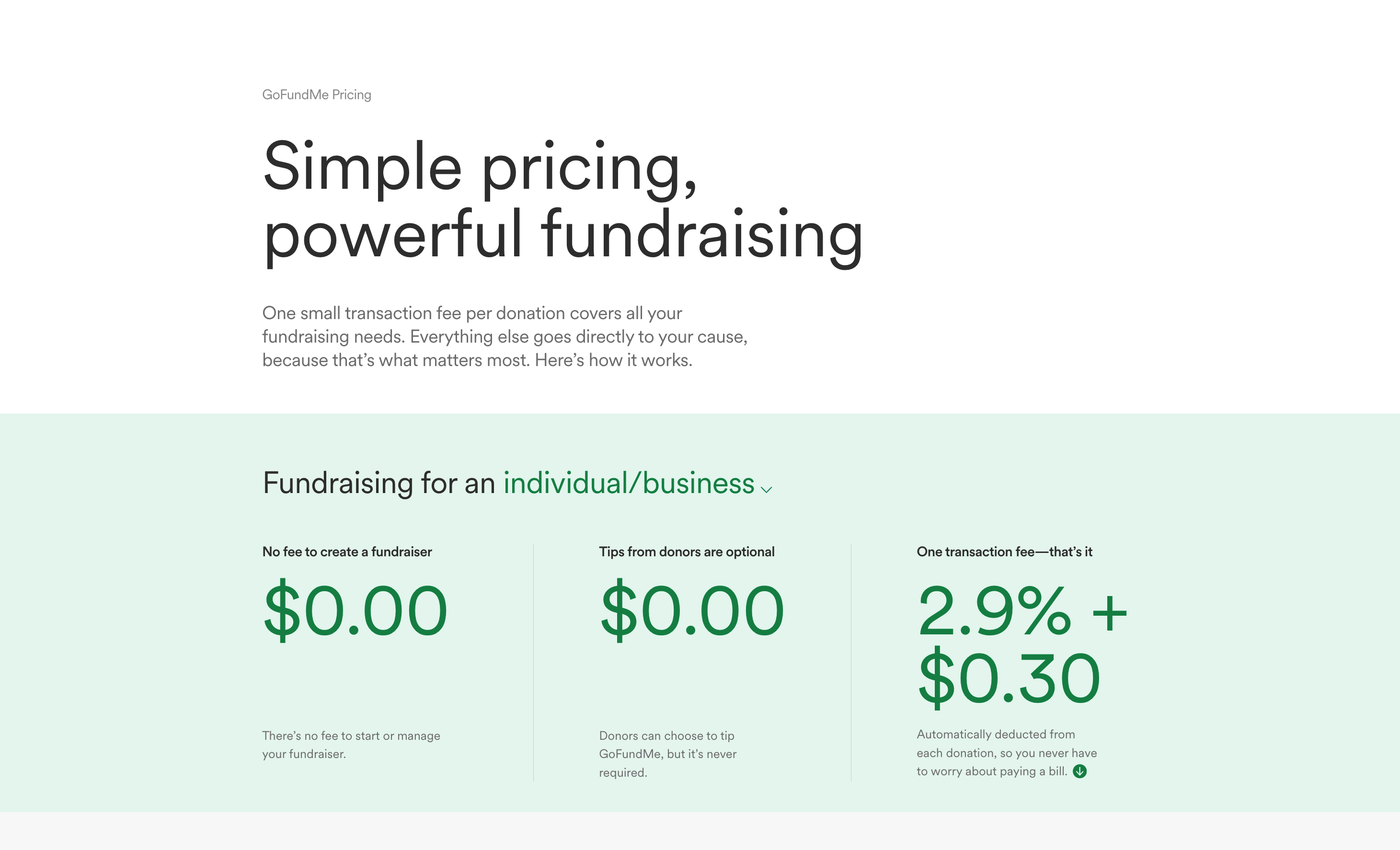
Today, for personal campaigns in most major markets, GoFundMe explicitly states that there is no platform fee deducted from donations. This means if someone donates $100 to your campaign, GoFundMe itself will not take a percentage of that $100 for its services. This is a fundamental distinction from many other fundraising platforms and a key selling point for GoFundMe.
However, it’s vital to differentiate between a “platform fee” and “payment processing fees.” While GoFundMe no longer charges its own fee, the processing of credit card transactions by third-party payment processors is an unavoidable cost in any online financial transaction.
The Role of Third-Party Payment Processors
Every time a donation is made via credit card or other electronic payment methods, a third-party payment processor (like PayPal, Stripe, or their own integrated payment system) facilitates the transfer of funds. These processors charge a small fee for their services, which typically covers the cost of securely handling the transaction, preventing fraud, and transferring money between banks.
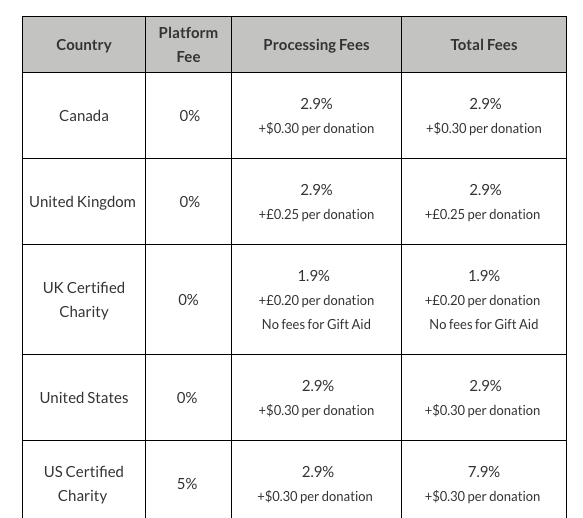
These payment processing fees are generally a flat rate per transaction plus a small percentage of the donation amount. For instance, in the US, it’s typically around 2.9% + $0.30 per transaction. This fee is automatically deducted from each donation before the money is sent to the fundraiser’s account. Therefore, while GoFundMe doesn’t charge a platform fee, a portion of each donation will still be withheld by these payment processors. It’s an important distinction that directly impacts the net amount received by the fundraiser.
The Mechanics of GoFundMe’s Operating Model: Where Does the Money Go?
With the absence of a mandatory platform fee, many wonder how GoFundMe sustains its operations, develops its technology, and provides customer support. The answer lies in a combination of the aforementioned payment processing fees, optional donor tips, and, in some cases, specific fee structures for campaigns outside the personal fundraising realm.
Transaction Fees: The Unavoidable Cost
As discussed, transaction fees are a non-negotiable part of online payments. These fees are standardized across most online platforms that accept credit card payments, not just GoFundMe. They are charged by the payment gateways and financial institutions involved in moving the money from the donor’s bank to the fundraiser’s bank.
For a fundraiser, understanding these fees means knowing that if their goal is to receive a net amount of $1,000, they might need to raise slightly more than that to cover the processing fees on individual donations. For example, if the average donation is $50 and the processing fee is 2.9% + $0.30, each $50 donation would incur roughly $0.30 + $1.45 = $1.75 in fees, meaning $48.25 reaches the fundraiser.
The Optional Tip: Supporting the Platform
GoFundMe’s primary revenue source for personal campaigns now comes from optional tips. When a donor makes a contribution, they are presented with an option to leave an additional tip for GoFundMe. This tip is typically pre-selected with a suggested amount (e.g., 10% or 15% of the donation), but donors can adjust it to a different percentage, a custom amount, or opt out entirely.
These tips are crucial for GoFundMe’s business model. They fund the platform’s operational costs, including website maintenance, security, customer service, fraud protection, and continuous development of new features. For donors, contributing a tip is a way to acknowledge the value GoFundMe provides in facilitating charitable giving and supporting causes.
Geographical Variations in Fees
It’s important to note that the fee structure can vary slightly depending on the country. While the “no platform fee” model is prevalent in major regions, specific payment processing rates might differ based on local financial regulations and payment partners. For instance, campaigns launched outside of the US, Canada, UK, Australia, and a few other key markets might still encounter a small platform fee in addition to the payment processing fees. Fundraisers should always check the specific fee structure applicable to their region on GoFundMe’s official website before launching a campaign. This ensures transparency and accurate financial planning.
Maximizing Your Fundraising: Strategies to Navigate Fees and Optimize Donations
While GoFundMe has made significant strides in reducing direct costs to fundraisers, strategic planning is still essential to ensure that as much money as possible reaches the intended recipient.
Transparent Communication with Donors
One of the most effective strategies is to be transparent with your donors about the financial realities. You can subtly mention that payment processing fees are deducted from each donation and that any optional tip they provide to GoFundMe helps keep the platform running. This transparency builds trust and educates donors, potentially encouraging them to round up their donation or to factor in the processing fees when deciding their contribution amount. Avoid dwelling on the fees, but a simple, clear statement can be beneficial.
Setting Realistic Fundraising Goals
When setting your fundraising goal, factor in the payment processing fees. If you need exactly $5,000 for a specific purpose, it’s prudent to set your goal slightly higher, perhaps $5,150 or $5,200, to account for these unavoidable deductions. This ensures that even after fees, you reach your net target. This is particularly important for campaigns with strict financial requirements, such as medical bills or urgent housing needs.
Leveraging Other Fundraising Avenues
While GoFundMe is a powerful tool, it doesn’t have to be the sole avenue for fundraising. Combining your online campaign with offline efforts like direct appeals, community events, or personal outreach can complement your GoFundMe page. For funds collected offline, there are no GoFundMe or payment processing fees, ensuring 100% of those donations go directly to the cause. You can then update your GoFundMe page with totals from offline contributions to show overall progress.
Understanding Payout Processes and Timing
GoFundMe does not hold funds until the campaign ends. Funds can be withdrawn as they come in, providing immediate access to much-needed capital. However, there is a waiting period for initial withdrawals to allow for verification. Subsequent withdrawals are generally faster. Understanding this payout schedule is vital for managing cash flow, especially for time-sensitive needs. The withdrawal process is generally straightforward: funds are transferred to a bank account linked to the fundraiser, minus any applicable fees.
Donor Considerations: The True Cost of Giving and Transparency
For donors, understanding the GoFundMe fee structure ensures that their contributions are utilized effectively and that they are aware of where their money is going.
Deciphering the Donation Process
When making a donation, donors are clearly shown the amount they are contributing to the campaign. On the same page, or shortly after, they will see the option to add a tip for GoFundMe. It’s essential for donors to review these details before confirming their contribution. They have full control over whether to add a tip and how much that tip will be. This transparency empowers donors to make informed decisions about their total contribution.
The Impact of Optional Tips
A donor’s decision to tip GoFundMe impacts the overall amount they pay. If a donor gives $100 to a campaign and adds a $10 tip to GoFundMe, their total charge will be $110, plus the payment processing fees on the $100 donation amount. The $100 (minus processing fees) goes to the fundraiser, and the $10 tip goes to GoFundMe. Donors should consider their capacity and desire to support both the campaign and the platform when deciding on a tip.
Ensuring Your Donation Reaches the Cause
GoFundMe employs robust fraud prevention measures, including verification processes for campaign organizers and beneficiaries. While no system is entirely foolproof, these measures are designed to ensure that donations reach the intended cause. Donors can also do their part by researching campaigns, checking for regular updates from the organizer, and looking for strong social proof or media coverage if applicable. The platform’s commitment to a “GoFundMe Guarantee” offers a layer of protection, promising to refund donors in rare cases where funds are misused or a campaign is proven to be fraudulent.
GoFundMe Alternatives: A Comparative Look at Crowdfunding Platforms and Their Fees
While GoFundMe is a dominant player, it’s not the only option. Understanding the fee structures of alternative platforms can help both fundraisers and donors make more informed choices.
Exploring Other Personal Crowdfunding Platforms
Several platforms cater to personal fundraising, each with its own fee model:
- GiveSendGo: Often used for faith-based or conservative causes, GiveSendGo typically charges a platform fee (e.g., 2.9%) plus standard payment processing fees (e.g., 2.9% + $0.30).
- Fundly: This platform also has a no-platform-fee model for personal campaigns, relying on payment processing fees (typically 2.9% + $0.30) and optional tips from donors, similar to GoFundMe.
- Classy: Geared more towards non-profits and larger organizations, Classy offers robust fundraising tools but typically comes with subscription fees for the organization, in addition to payment processing fees.
- Custom Websites/Direct Donation Processors: For those with technical expertise, setting up a direct donation option on a personal website using payment processors like Stripe or PayPal can sometimes result in lower overall fees, as there is no crowdfunding platform taking a cut or asking for tips. However, this requires more effort in terms of promotion and trust-building.
Different Fee Models: Flat Fees, Percentages, and Hybrid Approaches
Crowdfunding platforms generally use one of a few fee models:
- Percentage-based platform fee + payment processing fee: This was GoFundMe’s original model and is still common among many sites (e.g., Kickstarter, Indiegogo for creative projects).
- No platform fee + payment processing fee + optional tip: This is GoFundMe’s current model for personal campaigns and a few others.
- Subscription model + payment processing fee: Often seen with platforms serving non-profits or businesses, where organizations pay a monthly/annual fee for advanced tools.
- “Keep it all” vs. “All or nothing”: While not a fee, this is a crucial model difference. GoFundMe uses “keep it all,” meaning fundraisers receive all donations even if the goal isn’t met (minus fees). Platforms like Kickstarter are “all or nothing,” meaning funds are only released if the goal is fully achieved.
Choosing the Right Platform for Your Needs
The “best” platform depends on the specific campaign. For personal causes with broad appeal and a need for immediate access to funds, GoFundMe remains a strong contender due to its widespread recognition and no mandatory platform fee. For creative projects with specific funding thresholds, Kickstarter or Indiegogo might be more suitable. For non-profits, dedicated platforms offering advanced CRM and reporting tools might be preferred. Always compare the total cost (platform fees + processing fees), reach, ease of use, and features before committing to a platform.
In conclusion, the question “What is the GoFundMe fee?” has a nuanced answer. While GoFundMe has eliminated its platform fee for personal campaigns in many regions, payment processing fees remain an unavoidable cost of online transactions. The platform sustains itself through optional donor tips. By understanding these mechanics, both fundraisers and donors can navigate the crowdfunding landscape more effectively, ensuring that support reaches those who need it most while maintaining transparency and trust in the digital age.
aViewFromTheCave is a participant in the Amazon Services LLC Associates Program, an affiliate advertising program designed to provide a means for sites to earn advertising fees by advertising and linking to Amazon.com. Amazon, the Amazon logo, AmazonSupply, and the AmazonSupply logo are trademarks of Amazon.com, Inc. or its affiliates. As an Amazon Associate we earn affiliate commissions from qualifying purchases.