
In the labyrinthine world of healthcare, prescription medication costs often stand out as a significant and unpredictable financial burden for individuals and families alike. Understanding the nuances of drug pricing, especially the difference between brand-name and generic medications, is not merely a matter of medical knowledge; it’s a critical component of astute personal finance management. When a doctor prescribes a drug like Protonix, a common question that immediately arises for the financially conscious consumer is: “What is the generic for Protonix?” This question, seemingly simple, unlocks a pathway to substantial savings and empowers individuals to take a proactive role in managing their healthcare expenditures.

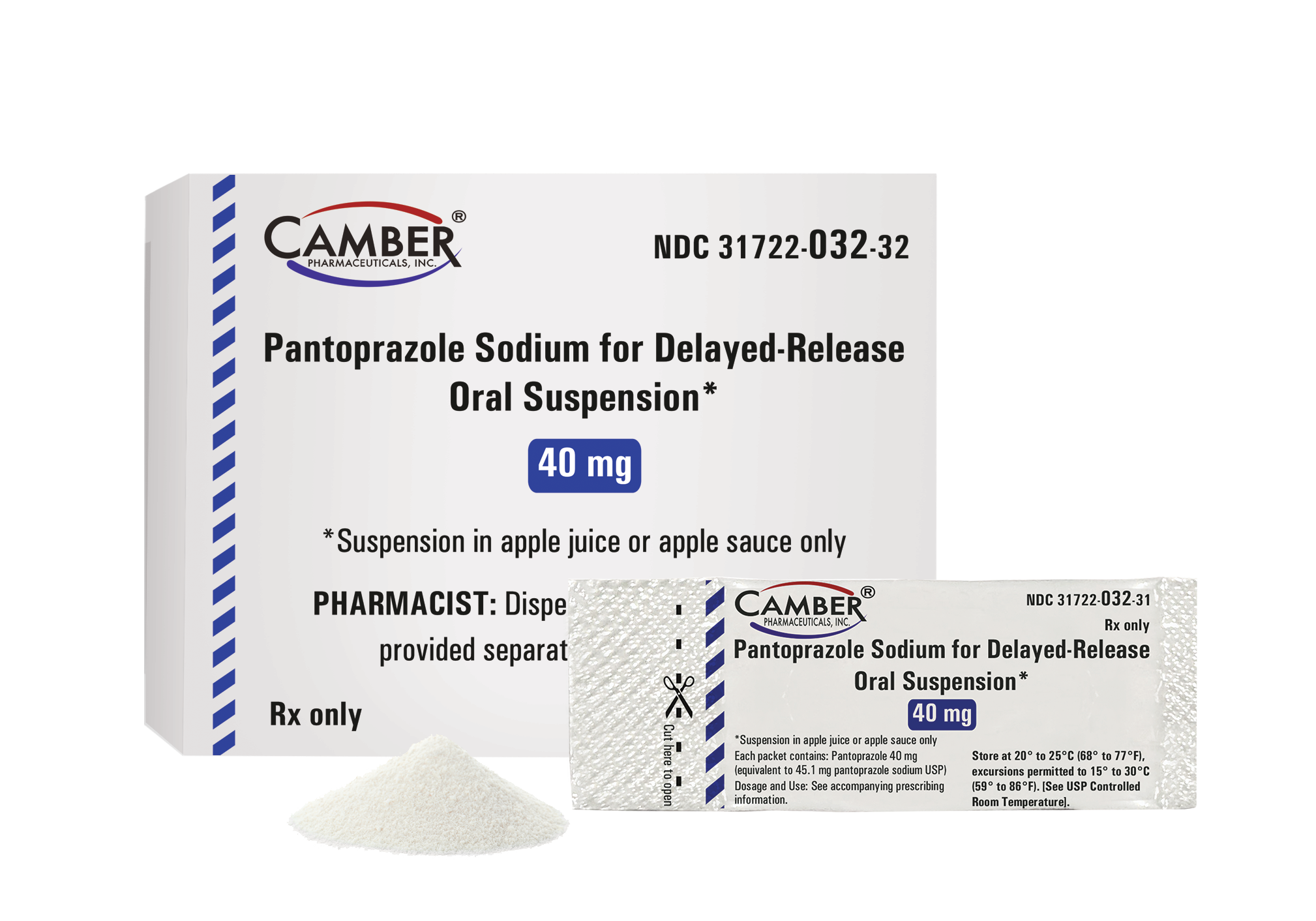
The answer to this specific question is Pantoprazole. But knowing the generic name is just the first step. This article delves into why understanding generics, particularly for widely used medications like Protonix, is paramount for anyone looking to optimize their personal finances, manage healthcare budgets effectively, and ensure they receive necessary treatment without undue financial strain. We’ll explore the financial implications, strategic approaches to prescription management, and the underlying safety and efficacy of generic alternatives.
Unpacking the Generic vs. Brand-Name Dilemma in Personal Finance
The pharmaceutical market is bifurcated into brand-name drugs and their generic counterparts, a distinction that carries profound implications for your wallet. While both serve the same medical purpose, their price tags can vary dramatically, impacting everything from monthly budgets to long-term financial stability.
Protonix and its Generic Counterpart: Pantoprazole
Protonix is a brand-name medication used to treat conditions caused by excess stomach acid, such as gastroesophageal reflux disease (GERD), erosive esophagitis, and Zollinger-Ellison syndrome. It belongs to a class of drugs called proton pump inhibitors (PPIs), which work by reducing the amount of acid produced in the stomach. For many years, Protonix was only available under its brand name, commanding a premium price due to patent protection.
However, once the patent for the active ingredient expired, other pharmaceutical manufacturers were able to produce and sell chemically identical versions. This is where Pantoprazole comes in. Pantoprazole is the active ingredient in Protonix, and when sold by other companies after the patent expiration, it becomes the generic equivalent. Critically, generic pantoprazole sodium is bioequivalent to brand-name Protonix, meaning it contains the same active ingredient, strength, dosage form, and route of administration, and is expected to have the same therapeutic effect. The U.S. Food and Drug Administration (FDA) rigorously tests generic drugs to ensure they meet these stringent standards, making them a safe and effective alternative.
The Cost Savings Imperative: Why Generics Matter for Your Wallet
The primary motivation for seeking out generic alternatives is unequivocally financial. The difference in cost between a brand-name drug and its generic equivalent can be staggering, often representing savings of 80% or more. For a chronic condition requiring daily medication, these savings accumulate rapidly, turning a potentially debilitating expense into a manageable one.
Consider the typical scenario: a brand-name prescription might cost hundreds of dollars per month. Its generic counterpart, Pantoprazole, could cost a fraction of that, perhaps tens of dollars. Over a year, this translates into savings of hundreds, even thousands, of dollars. For individuals managing multiple chronic conditions or those with high-deductible health plans, embracing generics isn’t just a smart choice; it’s a financial imperative. These savings can free up funds for other essential expenditures, contribute to emergency savings, reduce debt, or even facilitate investments, significantly bolstering one’s overall financial health. Moreover, lower prescription costs can help you stay within your healthcare budget, reducing the likelihood of hitting out-of-pocket maximums or facing unexpected medical bills that could derail your financial plans.
Navigating the Pharmaceutical Landscape for Optimal Savings
Successfully leveraging generics requires more than just knowing the alternative name; it demands a proactive, informed approach to managing your prescriptions within the broader healthcare system.
Beyond Just Knowing the Generic Name: Proactive Steps for Cost Reduction
The journey to reduced prescription costs often begins with a conversation.
- Talk to Your Doctor: Always ask your prescribing physician if a generic alternative is available for any new medication they recommend. In many cases, doctors will automatically prescribe the generic if available, but it’s always wise to confirm. If a generic isn’t an option, inquire about equally effective, lower-cost brand-name alternatives or different treatment pathways. Your doctor is your primary advocate in ensuring you receive effective treatment at an affordable cost.
- Talk to Your Pharmacist: Pharmacists are invaluable resources for navigating drug costs. They can compare prices across different generic manufacturers, inform you about store-specific discount programs, or suggest manufacturers whose generic drugs are often covered more favorably by your insurance. Sometimes, simply asking “What’s the lowest price for this?” can uncover surprising savings opportunities.
- Utilizing Discount Cards and Patient Assistance Programs: Several programs exist to help reduce prescription costs. Discount cards (like GoodRx, SingleCare, or those offered by pharmacy chains) can offer significant savings, sometimes even beating insurance co-pays, especially for generics. For those with limited income or no insurance, pharmaceutical companies often offer patient assistance programs (PAPs) that can provide medications at no or reduced cost. Researching and applying for these can be a game-changer for budgeting.
Understanding Drug Formularies and Insurance Tiers
Your health insurance plan plays a crucial role in determining your out-of-pocket medication costs. Most plans operate with a “formulary,” which is a list of prescription drugs covered by the plan. These formularies typically categorize drugs into tiers, each associated with a different co-payment or coinsurance level:
- Tier 1 (Lowest Cost): Almost always reserved for preferred generic drugs like Pantoprazole. Your co-pay here will be the lowest.
- Tier 2 (Mid-Range Cost): Often includes preferred brand-name drugs or some non-preferred generics.
- Tier 3 (Higher Cost): Typically covers non-preferred brand-name drugs.
- Specialty Tiers (Highest Cost): For very expensive, often biologic, medications.
Understanding your plan’s formulary and which tier your medication falls into is essential. Before filling a new prescription, especially for a brand-name drug, check your plan’s formulary online or call your insurer to see if a generic equivalent or a preferred alternative is available and how much it will cost. This proactive check can prevent costly surprises at the pharmacy counter and allow you to discuss alternatives with your doctor if necessary.
Dispelling Myths and Ensuring Safety with Generic Medications
Despite their widespread use and proven efficacy, generic medications sometimes face unfounded skepticism. For the financially savvy, it’s crucial to understand the scientific and regulatory basis that supports the safety and effectiveness of generics.
Addressing Concerns: Are Generics as Effective and Safe?
A common misconception is that generic drugs are somehow “inferior” to their brand-name counterparts. This is emphatically not true. The FDA’s rigorous approval process for generic drugs ensures that they are as safe and effective as their brand-name versions. To gain FDA approval, a generic drug must demonstrate:
- Bioequivalence: It must deliver the same amount of active ingredient to the bloodstream in the same amount of time as the brand-name drug.
- Same Active Ingredient: It must contain the identical active pharmaceutical ingredient (e.g., Pantoprazole sodium).
- Same Strength, Dosage Form, and Route of Administration: It must be available in the same forms and strengths (e.g., 40mg tablet).
- Same Indications: It must be used for the same conditions.
- Same Quality and Manufacturing Standards: Generic manufacturers must meet the same strict quality and manufacturing standards as brand-name manufacturers.
Differences might exist in inactive ingredients (like fillers, binders, or coloring agents), but these do not affect the drug’s safety or efficacy. By understanding the robust regulatory framework, consumers can confidently choose generic options, knowing they are making a medically sound and financially prudent decision.
The Role of Trust and Transparency in Your Healthcare Decisions
Building a trusting relationship with your doctor and pharmacist is invaluable. They are your primary sources of reliable information and can guide you through the complexities of medication choices and cost management. Don’t hesitate to ask questions about drug effectiveness, potential side effects, or cost-saving strategies. Furthermore, utilize reputable online resources from government agencies (like the FDA) or established medical organizations for drug information. Transparency in your healthcare decisions, both with your providers and in your research, empowers you to make choices that align with both your health needs and your financial goals.
Long-Term Financial Planning: Integrating Prescription Management
Effective prescription management isn’t a one-time task; it’s an ongoing process that should be integrated into your broader financial planning strategy. The cumulative impact of smart choices can be transformative for your financial well-being.
Budgeting for Healthcare: A Critical Component of Financial Wellness
Healthcare expenses, including prescription drugs, are often a significant and variable line item in household budgets. To achieve true financial wellness, it’s essential to:
- Estimate Annual Drug Costs: Based on your current medications and anticipated needs, try to estimate your yearly out-of-pocket costs for prescriptions. Factor in potential price increases or changes in your insurance formulary.
- Utilize Health Savings Accounts (HSAs) or Flexible Spending Accounts (FSAs): If eligible, these tax-advantaged accounts are excellent tools for saving and paying for qualified medical expenses, including prescription drugs. Contributions are often tax-deductible, and withdrawals for medical expenses are tax-free, further enhancing your financial efficiency.
- Periodically Review Medication Needs: As your health status changes, or as new generic options become available, regularly review your medication list with your doctor. Discontinuing unnecessary medications or switching to newly available generics can lead to ongoing savings.

The Cumulative Impact of Smart Prescription Choices
The financial benefits of consistently choosing generic medications like Pantoprazole over their brand-name counterparts extend far beyond immediate savings. Over months and years, these small, consistent decisions add up to substantial cumulative savings. This freed-up capital can then be strategically allocated towards other crucial financial goals:
- Debt Reduction: Accelerating payments on high-interest debts like credit cards.
- Emergency Fund Building: Strengthening your financial safety net against unforeseen circumstances.
- Retirement Savings: Contributing more to your 401(k) or IRA, benefiting from compound interest over time.
- Investment Opportunities: Allocating funds to long-term growth investments.
By proactively managing your prescription costs, you’re not just saving money on a single pill; you’re building a more resilient, robust financial future.
In conclusion, knowing that Pantoprazole is the generic for Protonix is a powerful piece of information for any consumer. It represents an immediate opportunity for significant cost savings without compromising on therapeutic efficacy or safety. Beyond this specific example, understanding the broader landscape of generic drugs, actively engaging with healthcare providers, leveraging insurance benefits, and dispelling common myths are all vital steps toward mastering your healthcare expenditures. In an era of escalating medical costs, embracing generics is not just a smart consumer choice; it’s a fundamental pillar of sound personal finance, empowering you to take control of your health and your wealth.
aViewFromTheCave is a participant in the Amazon Services LLC Associates Program, an affiliate advertising program designed to provide a means for sites to earn advertising fees by advertising and linking to Amazon.com. Amazon, the Amazon logo, AmazonSupply, and the AmazonSupply logo are trademarks of Amazon.com, Inc. or its affiliates. As an Amazon Associate we earn affiliate commissions from qualifying purchases.