
In the landscape of personal finance, every dollar saved contributes to greater financial stability and peace of mind. While we often focus on investments, budgeting, and debt management, an often-overlooked area for significant savings lies within our daily expenditures, particularly on recurring costs like healthcare. For millions experiencing occasional or chronic heartburn, acid indigestion, or sour stomach, medications like Pepcid are a familiar fixture in their medicine cabinet. However, the brand-name premium often comes at a cost that can strain a budget over time. Understanding the generic alternatives for popular over-the-counter (OTC) and prescription drugs is a cornerstone of intelligent personal finance management, offering identical efficacy at a fraction of the price. This article delves into the specifics of Pepcid’s generic equivalent, Famotidine, and explores the broader financial implications of making informed choices about your medications. By embracing generics, consumers can unlock substantial savings, freeing up funds for other financial goals without compromising their health or well-being.
Understanding Generics: A Smart Financial Choice for Healthcare
The concept of generic drugs is fundamental to a cost-effective healthcare strategy for any individual or family. Often misunderstood, generics represent one of the most impactful ways consumers can reduce their out-of-pocket medical expenses without sacrificing quality or effectiveness. From a financial perspective, opting for a generic is akin to choosing a store-brand product over a national brand; you get the same utility, often from the same manufacturer, but at a significantly lower price point due to reduced marketing and development costs.
The Core Difference: Brand vs. Generic
At its heart, the distinction between a brand-name drug like Pepcid and its generic counterpart, Famotidine, is primarily one of marketing and intellectual property, not chemical efficacy. A generic drug is essentially a copy of a brand-name drug. It must contain the identical active pharmaceutical ingredient (API), in the same dosage, strength, route of administration, and form as its brand-name original. This means that if Pepcid contains 20mg of Famotidine, its generic equivalent will also contain 20mg of Famotidine. The key financial differentiator arises from how these drugs come to market. Brand-name manufacturers invest billions in research, development, and clinical trials to bring a new drug to market, and they hold patents for a period to recoup these investments. Once a patent expires, other pharmaceutical companies can produce and sell generic versions. Since these companies don’t bear the initial R&D costs, they can offer the drug at a much lower price, creating a competitive market that benefits consumers directly through significant cost savings.
FDA Approval and Quality Assurance
A common concern among consumers considering generics is whether they are as safe and effective as their brand-name counterparts. From a financial and medical standpoint, the answer is a resounding yes, thanks to stringent regulatory oversight. In the United States, the Food and Drug Administration (FDA) rigorously scrutinizes generic drugs. For a generic drug to be approved, it must demonstrate “bioequivalence” to its brand-name counterpart. This means that it must act in the body in the same way and achieve the same therapeutic effects as the original drug. The FDA requires generic manufacturers to submit data proving that their generic product delivers the same amount of active ingredient to the bloodstream in the same amount of time as the brand-name drug. They also ensure that generic manufacturing facilities meet the same high-quality standards as those for brand-name drugs. This meticulous approval process ensures that when you choose a generic, you are making a financially astute decision that does not compromise on safety, quality, or efficacy, providing genuine value for your money.
Famotidine: The Generic Powerhouse Behind Pepcid
For those seeking relief from heartburn and related conditions, understanding the active ingredient in their medication is the first step toward significant financial savings. Brand names can often create a perception of uniqueness, but beneath the marketing lies a universally recognized chemical compound that offers the same therapeutic benefits, regardless of the label on the box.
Dispelling the Mystery: Pepcid AC and Its Active Ingredient
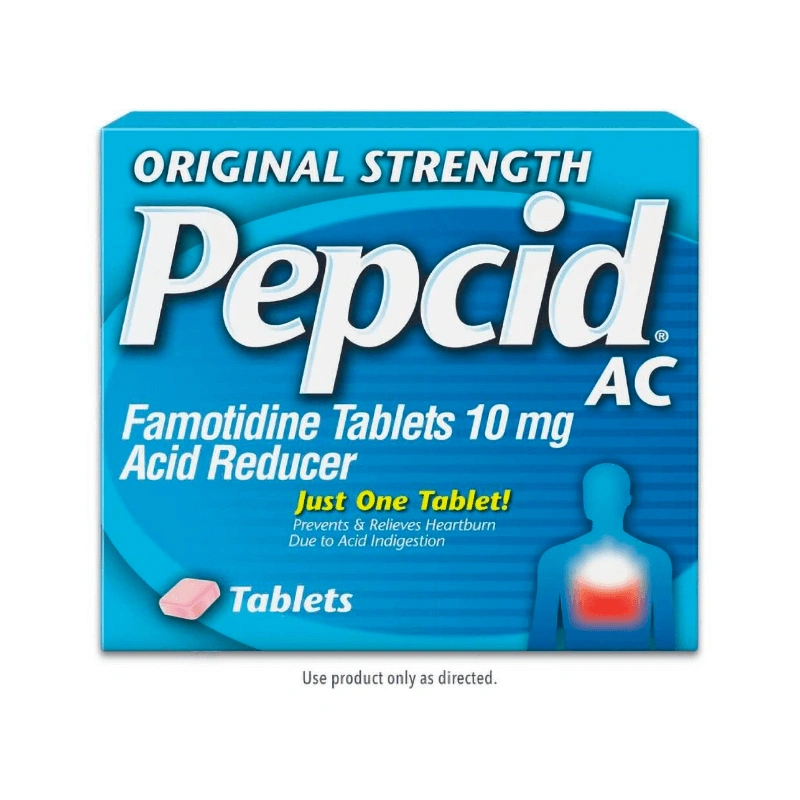
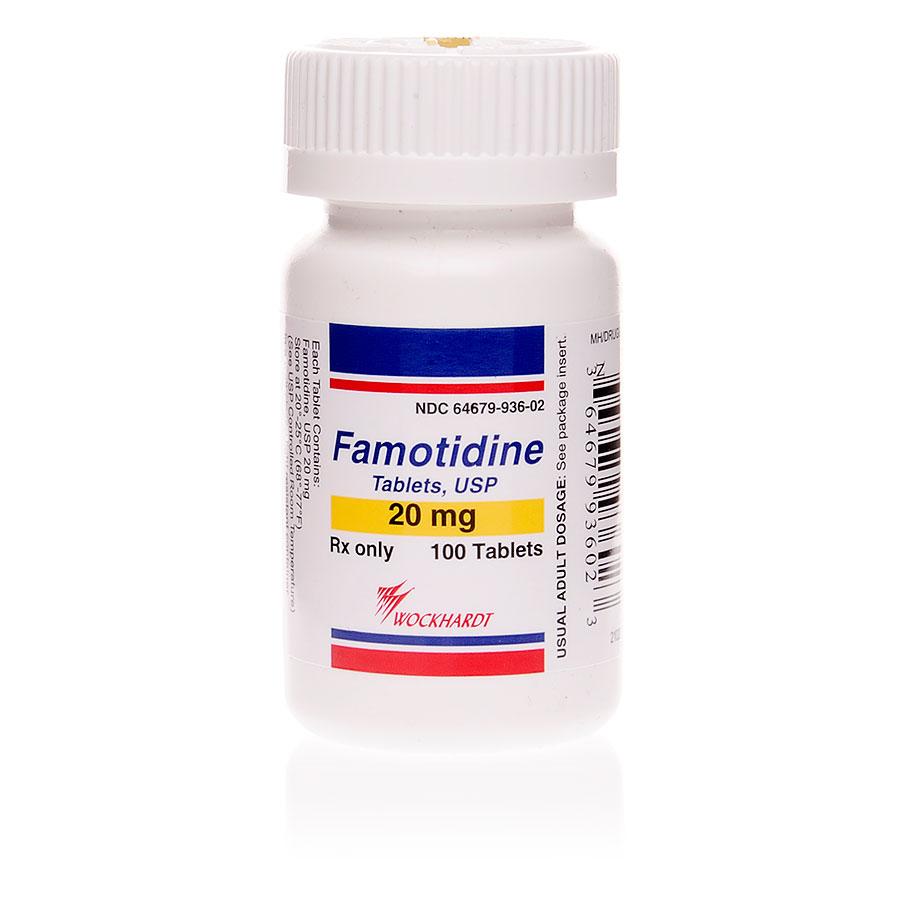
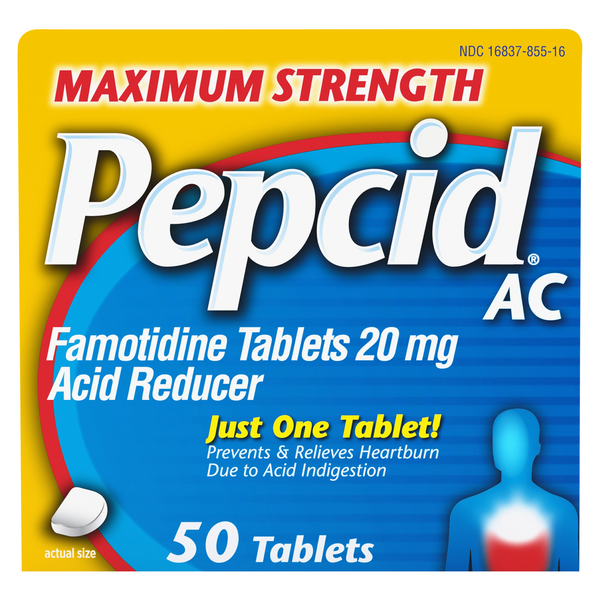
The mystery surrounding “what is the generic for Pepcid” is easily unraveled: the active ingredient in Pepcid and Pepcid AC is Famotidine. Pepcid AC is a specific formulation of Famotidine designed for over-the-counter use, typically at lower strengths, to provide fast and effective relief from symptoms of acid indigestion and heartburn. Famotidine belongs to a class of drugs known as H2 (histamine-2) blockers. These medications work by reducing the amount of acid produced in the stomach, thereby alleviating the discomfort associated with excessive stomach acid. Whether you pick up a box labeled “Pepcid AC” or a store-brand box labeled “Famotidine Tablets,” if the active ingredient and dosage are the same, you are purchasing the exact same medication designed to achieve the identical therapeutic outcome. Recognizing this chemical equivalence is a crucial step in making financially savvy healthcare decisions, allowing you to bypass brand premiums without sacrificing efficacy.
Dosage and Formulations: What to Look For
When transitioning from a brand-name drug to its generic version, it’s essential to pay attention to dosage and formulation to ensure a seamless and effective switch. Famotidine, the generic for Pepcid, is available in various strengths and forms, catering to different needs and severity of symptoms. For over-the-counter use, common dosages of Famotidine typically include 10mg and 20mg tablets. These strengths are designed to manage occasional heartburn, acid indigestion, and sour stomach. For more severe or chronic conditions, higher prescription strengths, such as 40mg, are available under the generic name Famotidine.
When comparing a brand-name Pepcid product with a generic Famotidine product, always check the “Drug Facts” label on the packaging. This label will clearly state the active ingredient (Famotidine) and its strength (e.g., 10 mg or 20 mg per tablet). You’ll also want to note the recommended dosage instructions and any other inactive ingredients, though these usually don’t affect efficacy. Some generic Famotidine products may also come in chewable tablets, similar to some Pepcid formulations, offering convenience for those who prefer not to swallow pills. By carefully matching the active ingredient, strength, and desired form, consumers can confidently select the generic option and realize immediate financial benefits without compromising the desired relief.
Financial Implications: Maximizing Your Healthcare Budget
The decision to opt for generic medications extends far beyond a single purchase; it represents a strategic approach to managing healthcare costs that can significantly impact an individual’s or family’s overall financial health. In an era of rising medical expenses, every opportunity to save without sacrificing quality or effectiveness becomes an invaluable component of responsible personal finance.
Significant Cost Savings on Prescription and OTC Drugs
The most immediate and tangible benefit of choosing generics is the substantial cost savings. Generics are typically 80% to 85% cheaper than their brand-name counterparts, and in some cases, the savings can be even higher. For medications taken regularly, such as daily heartburn relief, these savings accumulate rapidly. Imagine saving $10-$20 on a single package of OTC Famotidine; over a year, this could amount to hundreds of dollars. For prescription medications, where costs can be much higher, the savings from choosing a generic can translate into thousands of dollars annually. These funds, once allocated to inflated brand-name drug prices, can now be redirected towards other financial priorities: bolstering an emergency fund, contributing to retirement savings, paying down debt, or investing in personal development. Embracing generics isn’t just about finding a cheaper alternative; it’s about making a conscious financial decision that directly contributes to a stronger, more flexible personal budget.
Insurance Coverage and Generics
Healthcare insurance plans are acutely aware of the cost disparities between brand-name and generic drugs, and their policies often reflect a strong preference for generics. Most insurance providers categorize prescription drugs into tiers, with generic medications typically falling into the lowest tier. This usually means a lower co-payment for the consumer compared to brand-name drugs, which often reside in higher tiers with significantly higher co-pays or even a percentage of the drug’s cost (coinsurance). Some plans may even require a doctor to obtain prior authorization for a brand-name drug if a generic equivalent is available, underscoring the financial incentives at play. For consumers, this translates into direct out-of-pocket savings at the pharmacy counter. Always inquire with your insurance provider or pharmacist about your plan’s coverage for generics, as maximizing these benefits is a critical component of optimizing your healthcare spending and overall financial strategy.
Beyond Pepcid: Applying Generic Savings to Other Medications
The financial wisdom gained from understanding the generic for Pepcid, Famotidine, is not limited to heartburn relief alone. This principle of seeking generic alternatives can and should be applied across the board for all medications, both prescription and over-the-counter. From pain relievers (like ibuprofen or acetaminophen) to allergy medications (like loratadine or cetirizine), and even more complex prescription drugs for chronic conditions (such as high blood pressure, cholesterol, or diabetes), there is often a generic equivalent available. Developing the habit of asking your doctor or pharmacist, “Is there a generic available for this medication?” or “Can I opt for the generic version?” empowers you to take control of your healthcare expenditures. This proactive approach to medication purchasing can lead to significant cumulative savings across your entire medical budget, allowing you to reallocate those funds towards long-term financial goals and bolster your economic resilience.
Navigating Your Options: Practical Steps for Smart Consumers
Making the switch to generic medications is a straightforward process, but it benefits from informed decision-making and a proactive approach. As with any financial strategy, preparation and knowledge are key to maximizing your savings without compromising health outcomes.
Consulting Your Doctor and Pharmacist
The first and most crucial step in transitioning to generic medications is to consult with your healthcare professionals. While generics are generally interchangeable with their brand-name counterparts, it’s always wise to discuss any medication changes with your doctor. They can confirm the suitability of the generic for your specific condition and review any potential interactions or unique considerations. Your pharmacist is an equally invaluable resource. Pharmacists are experts in medication and can often provide immediate answers regarding generic availability, different manufacturers, and specific dosage forms. They can also offer precise cost comparisons between brand and generic options at their pharmacy and provide advice on how to seamlessly make the switch. Leveraging the expertise of these professionals ensures that your financial decision is also a medically sound one.
Where to Purchase Generics (OTC and Prescription)
Once you’ve confirmed the generic option with your medical team, the next step is to know where to find the best prices. For over-the-counter generics like Famotidine, nearly all major pharmacies (e.g., CVS, Walgreens, Rite Aid), big-box retailers (e.g., Walmart, Target), and even warehouse clubs (e.g., Costco) offer their own store-brand versions. These store brands are typically generic equivalents of popular brand-name medications, manufactured by reputable pharmaceutical companies and marketed under the retailer’s label. They often provide the same active ingredient and dosage at a significantly lower price point. For prescription generics, your local pharmacy is your primary point of access. Additionally, many pharmacies offer discount programs or loyalty clubs that can further reduce the cost of generics, especially for those without comprehensive insurance coverage. Online pharmacies, if licensed and reputable, can also be an option for price comparison and convenience, though it’s crucial to ensure their legitimacy.
Comparing Prices and Understanding Labels
Smart consumers always compare prices, and medication is no exception. Before making a purchase, especially for OTC generics, take a moment to compare prices across different retailers. You might be surprised at the variations. Beyond just comparing sticker prices, it’s vital to carefully read the “Drug Facts” label on OTC products. This ensures you are indeed getting the correct active ingredient (Famotidine for Pepcid), the right strength (e.g., 10mg or 20mg), and the appropriate number of doses for your needs. Don’t be swayed by packaging or brand recognition; focus on the active ingredient. For prescription generics, your pharmacist can often provide price comparisons for different generic manufacturers they stock. Understanding labels and being diligent in price comparisons are fundamental financial habits that extend beyond groceries to include your health expenditures, enabling you to get the most value for your money.
Long-Term Financial Wellness Through Informed Healthcare Choices
The discussion around “what is the generic for Pepcid” ultimately transcends a single medication. It’s an entry point into a broader philosophy of financial empowerment within the healthcare system. By understanding and actively seeking out generic options, individuals cultivate habits that contribute significantly to their long-term financial wellness.
Empowering Consumers in Healthcare Decisions
Historically, healthcare decisions have often felt opaque, with consumers having limited influence over costs. However, embracing generics is a tangible way for individuals to reclaim agency in their healthcare spending. It transforms passive acceptance of brand-name recommendations into active, informed choices driven by both medical necessity and financial prudence. This empowerment is not limited to medication; it fosters a mindset of critical inquiry and proactive engagement that can extend to other areas of healthcare, from understanding insurance benefits to questioning unnecessary procedures. For the financially conscious individual, every decision, no matter how small, contributes to the larger picture of economic stability and growth. Choosing generics for medications like Pepcid is a prime example of how small, informed actions can lead to substantial long-term financial benefits.
The Broader Impact: Reducing Healthcare Expenditures
The cumulative effect of individual consumers opting for generics extends beyond personal budgets to impact the broader healthcare economy. Widespread adoption of generic drugs contributes to lower overall healthcare expenditures, benefiting insurance companies, government healthcare programs, and ultimately, all taxpayers. When generics are chosen, it reduces the demand for more expensive brand-name drugs, fostering competition and potentially driving down prices across the board. This collective financial wisdom can help to alleviate some of the pressures on healthcare systems, making essential medications more accessible and affordable for everyone. By simply asking “what is the generic?”, consumers are not only securing their own financial future but also playing a part in shaping a more sustainable and equitable healthcare landscape, a true testament to the power of informed financial decisions.
aViewFromTheCave is a participant in the Amazon Services LLC Associates Program, an affiliate advertising program designed to provide a means for sites to earn advertising fees by advertising and linking to Amazon.com. Amazon, the Amazon logo, AmazonSupply, and the AmazonSupply logo are trademarks of Amazon.com, Inc. or its affiliates. As an Amazon Associate we earn affiliate commissions from qualifying purchases.