
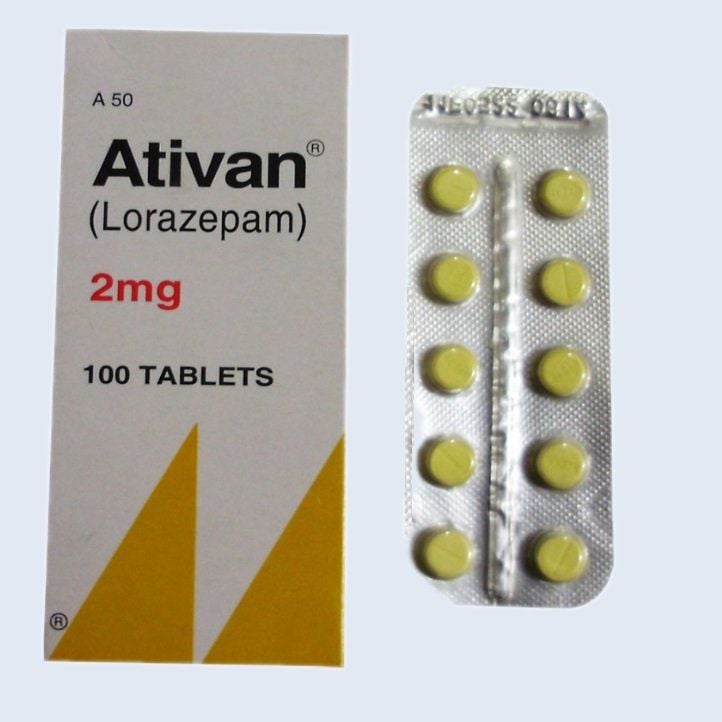
For individuals navigating the often complex landscape of healthcare expenses, understanding the options available for prescription medications is paramount. One common question that arises, often driven by the desire for financial prudence without compromising care, is about generic alternatives to widely used brand-name drugs. In the case of Ativan, a benzodiazepine frequently prescribed for anxiety disorders, insomnia, and certain seizure conditions, its generic equivalent is Lorazepam.
While the straightforward answer—Lorazepam—addresses the immediate query, the significance of this information extends far beyond a simple name. The choice between a brand-name drug like Ativan and its generic counterpart, Lorazepam, carries substantial financial implications for individuals, families, and even national healthcare systems. This article delves into the specifics of Lorazepam as the generic for Ativan, and critically, explores the broader financial considerations and strategies for managing medication costs within your personal finance framework. Understanding these dynamics is crucial for making informed decisions that support both your health and your financial well-being.
Lorazepam: The Generic Alternative to Ativan
At the heart of informed medication choices lies a clear understanding of what constitutes a generic drug and how it compares to its brand-name predecessor. When a doctor prescribes Ativan, they are referring to a medication that has been marketed under a specific brand name by a pharmaceutical company. However, once the patent for that brand-name drug expires, other manufacturers can produce and sell generic versions, provided they meet stringent regulatory standards.
Understanding Brand-Name vs. Generic Drugs
Brand-name drugs are the original products developed by pharmaceutical companies. The development process is often lengthy and expensive, involving significant research and development (R&D), clinical trials, and extensive marketing. To recoup these costs and incentivize innovation, companies are granted patent protection, which gives them exclusive rights to sell the drug for a specific period. Ativan, originally developed by Wyeth (now part of Pfizer), gained widespread recognition and trust during its patent-protected period.
Generic drugs, on the other hand, are copies of brand-name drugs that become available after the patent expires. They contain the same active ingredient as the original brand-name drug and are required to be bioequivalent. This means they must work in the same way, in the same dosage, strength, safety, quality, performance, and route of administration as the brand-name drug. Crucially, generic manufacturers do not bear the initial R&D costs, allowing them to market their products at a significantly lower price. Regulatory bodies like the U.S. Food and Drug Administration (FDA) in the United States rigorously review generic drug applications to ensure they meet these high standards of bioequivalence and quality before they can be sold to the public. This FDA approval is a critical assurance that generic Lorazepam provides the same therapeutic effect as brand-name Ativan.
The Therapeutic Equivalence of Lorazepam and Ativan
The most common misconception about generic medications is that they are somehow “less effective” or “inferior” to their brand-name counterparts. This is fundamentally untrue, especially when considering medications approved by reputable regulatory agencies. For a generic drug like Lorazepam to be approved as therapeutically equivalent to Ativan, it must demonstrate:
- Same Active Ingredient: Both contain lorazepam as the active pharmaceutical ingredient.
- Same Dosage Form and Strength: If Ativan is available as a 1mg tablet, generic Lorazepam must also be available as a 1mg tablet.
- Same Route of Administration: Both are typically taken orally.
- Same Indication: They are used to treat the same conditions (anxiety, insomnia, etc.).
- Bioequivalence: This is the cornerstone of generic approval. Studies must prove that the generic drug delivers the same amount of active ingredient into the bloodstream over the same period as the brand-name drug. This ensures that the therapeutic effects and safety profile are identical.
While generic Lorazepam may differ from Ativan in non-active ingredients (such as binders, fillers, or dyes), which can sometimes affect the drug’s appearance, these differences do not impact the drug’s efficacy or safety. The minor variations in inactive ingredients are rigorously tested to ensure they do not cause any adverse effects or alter the absorption of the active ingredient. Therefore, when your doctor prescribes Lorazepam, you can be confident that you are receiving the same medication, with the same benefits and risks, as Ativan.
The Financial Savings of Choosing Generic Lorazepam
The decision to opt for generic Lorazepam over brand-name Ativan is frequently driven by one primary factor: cost. In an era where healthcare costs continue to climb, every opportunity to manage expenses without sacrificing quality of care becomes a vital component of personal financial planning.
Significant Cost Reductions for Consumers
The price difference between brand-name and generic drugs can be staggering. Generics are typically 80% to 85% cheaper than their brand-name equivalents, and in some cases, the savings can be even higher. For a commonly prescribed medication like Lorazepam, this translates into substantial savings on monthly or annual medication budgets. These savings stem directly from the fact that generic manufacturers do not incur the enormous R&D and marketing expenses associated with bringing a new drug to market. Instead, they focus on efficient production, leading to competitive pricing as multiple generic manufacturers vie for market share.
For an individual managing chronic anxiety or recurring insomnia that necessitates ongoing medication, choosing generic Lorazepam can free up significant funds. These savings can be redirected towards other essential personal finance goals, such as building an emergency fund, paying down debt, contributing to retirement savings, or investing in other aspects of well-being. Over months and years, the cumulative impact of these savings can be transformative for a household budget.
Impact on Insurance Premiums and Out-of-Pocket Expenses
Insurance plans are highly attuned to the cost differentials between brand-name and generic drugs. Most health insurance formularies (the list of drugs covered by a plan) are structured to incentivize the use of generics. This often means:
- Lower Co-pays: The co-payment for a generic drug is typically much lower than for a preferred brand-name drug, and significantly lower than for a non-preferred brand-name drug.
- Lower Deductibles/Co-insurance: In plans with deductibles, generic prescriptions often count towards the deductible at a lower cost, or in some cases, are covered even before the deductible is met for certain preventive drugs. For co-insurance, your percentage share of the cost will be applied to a much smaller base price for generics.
- Preferred Tiers: Generics usually occupy the lowest and most favorable tiers on a formulary, meaning they are the least expensive option for the patient.
Insurance companies actively encourage generic utilization because it helps them manage their overall claims costs, which can, in turn, help stabilize or reduce premiums for all policyholders over time. Therefore, proactively discussing generic options with your doctor and pharmacist is not just about immediate savings; it’s about aligning with a system designed to be more cost-efficient for everyone involved.
Long-Term Financial Planning for Chronic Conditions
For individuals with chronic health conditions requiring long-term medication, the cumulative savings from choosing generics become a cornerstone of sustainable personal finance. Imagine needing Lorazepam for several years; the difference in cost between Ativan and its generic can amount to thousands of dollars. This long-term perspective is critical for:
- Budgeting Stability: Predictable and lower medication costs make it easier to budget for healthcare expenses.
- Financial Security: Reduced out-of-pocket costs alleviate financial strain, reducing the risk of medical debt.
- Achieving Financial Goals: The money saved can be channeled into other long-term financial goals, ensuring that managing a health condition doesn’t derail broader financial aspirations.
Incorporating generic drug choices into your healthcare strategy is a powerful financial tool that extends beyond individual prescriptions, contributing to overall financial resilience.
Navigating Your Prescription Benefits and Generic Options
Making the most of generic medication options requires a proactive approach to understanding your insurance benefits and the choices available at the pharmacy. It’s about being an informed consumer in the healthcare marketplace.
Understanding Your Insurance Formulary
Every health insurance plan has a formulary, which is a list of prescription drugs covered by the plan. Formularies are typically organized into tiers, with each tier corresponding to a different cost-sharing level for the member.
- Tier 1: Generics (often preferred): These are usually the least expensive drugs.
- Tier 2: Preferred Brand-Name Drugs: These are brand-name drugs that the plan has negotiated a lower price for, making them more affordable than non-preferred brands.
- Tier 3: Non-Preferred Brand-Name Drugs: These are brand-name drugs with higher co-pays or co-insurance.
- Tier 4/Specialty Drugs: These are high-cost, specialized medications often requiring specific approvals.
Understanding where Lorazepam (generic) and Ativan (brand-name) fall on your plan’s formulary is crucial. You can typically find your plan’s formulary on your insurance provider’s website or by calling their member services. Some brand-name drugs, especially those with generic alternatives, may also require prior authorization, meaning your doctor needs to get approval from your insurance company before the drug will be covered, often by demonstrating medical necessity for the brand over the generic.
Maximizing Savings at the Pharmacy Counter
Even with a generic prescription, there are further steps you can take to optimize your savings:
- Ask for a Generic: Always confirm with your doctor that a generic is appropriate for your condition and ask them to write the prescription for the generic name (e.g., Lorazepam) or to explicitly indicate “dispense as written” only if there is a medical reason to prefer the brand.
- Inquire About Cash Prices: Sometimes, especially for generic drugs with very low costs, the cash price at the pharmacy might be lower than your insurance co-pay, particularly if you have a high-deductible plan. It’s always worth asking the pharmacist.
- Use Discount Cards: Programs like GoodRx, SingleCare, or pharmacy loyalty programs can offer significant discounts on generic medications, often bringing the price even lower than insurance co-pays.
- Compare Pharmacy Prices: Drug prices can vary significantly between pharmacies, even for the same generic medication. Online tools and apps can help you compare prices at local pharmacies before you fill your prescription.
The Role of Mail-Order Pharmacies and 90-Day Supplies
For stable, long-term medications like Lorazepam, mail-order pharmacies often provide additional savings and convenience. Many insurance plans offer incentives, such as lower co-pays, for filling 90-day supplies through their preferred mail-order service. This not only reduces the number of trips to the pharmacy but can also lead to substantial cost reductions over time. Always check if your plan offers this benefit for your generic prescriptions.
Beyond Ativan: A Holistic Approach to Managing Healthcare Costs
While focusing on generic options like Lorazepam is an excellent starting point for managing medication costs, a truly comprehensive approach to personal finance in healthcare extends to broader strategies for health and financial well-being.
Proactive Health Management as a Financial Strategy
Investing in preventive care and maintaining a healthy lifestyle can significantly reduce future healthcare costs, including the need for expensive medications. This includes:
- Regular Check-ups: Identifying and addressing health issues early can prevent them from escalating into more serious, costly conditions.
- Healthy Lifestyle: Diet, exercise, and stress management can reduce the risk of chronic diseases that often require lifelong medication.
- Adherence to Treatment: For existing conditions, consistently following your doctor’s advice and taking medications as prescribed can prevent complications and hospitalizations, which are far more expensive than routine medication.
Budgeting for Healthcare Expenses
Incorporating healthcare costs into your overall personal budget is non-negotiable. This should include:
- Fixed Costs: Insurance premiums, regular medication co-pays.
- Variable Costs: Occasional specialist visits, over-the-counter medications, and potential co-insurance for diagnostic tests.
- Emergency Fund: Maintaining a robust emergency fund is crucial for unexpected medical bills or changes in health status that might require new medications or treatments.
- Tax-Advantaged Accounts: Utilizing Health Savings Accounts (HSAs) or Flexible Spending Accounts (FSAs) allows you to save and pay for qualified medical expenses with pre-tax dollars, further reducing your overall healthcare burden.
Advocacy and Information Seeking
Empowering yourself with knowledge and confidence to ask questions is key. Don’t hesitate to:
- Ask Your Doctor: Inquire about all treatment options, including lifestyle changes, and always ask if a generic alternative is available and appropriate.
- Consult Your Pharmacist: Pharmacists are a wealth of information regarding medication costs, potential interactions, and different generic manufacturers. They can often provide insights into the most cost-effective way to fill your prescriptions.
- Contact Your Insurance Provider: Understand your benefits, formulary, and any cost-saving programs available.
By taking an active role in your healthcare decisions and being financially savvy about your medication choices, you can significantly impact your overall financial health.
In conclusion, the generic for Ativan is Lorazepam, and embracing this generic alternative is a smart financial move that does not compromise therapeutic efficacy. It represents a fundamental principle of managing personal finances within the healthcare sphere: seeking high-quality, effective solutions at the most reasonable cost. By understanding the distinctions between brand and generic drugs, leveraging insurance benefits, exploring pharmacy savings strategies, and adopting a holistic approach to health and budgeting, individuals can confidently navigate their healthcare journey, ensuring both their physical and financial well-being are robust and secure.
aViewFromTheCave is a participant in the Amazon Services LLC Associates Program, an affiliate advertising program designed to provide a means for sites to earn advertising fees by advertising and linking to Amazon.com. Amazon, the Amazon logo, AmazonSupply, and the AmazonSupply logo are trademarks of Amazon.com, Inc. or its affiliates. As an Amazon Associate we earn affiliate commissions from qualifying purchases.