
Pokémon cards have transcended their origins as a children’s game to become a multifaceted cultural phenomenon and, increasingly, a significant alternative asset class. For enthusiasts, collectors, and investors alike, understanding the nuances of different card generations is paramount. Among these, the “ex” Pokémon cards stand out as a particularly intriguing and often lucrative segment. Introduced during a pivotal era of the Pokémon Trading Card Game (TCG), these cards carry a unique blend of nostalgic appeal, strategic significance, and, crucially, substantial monetary value. This article will delve into what ex Pokémon cards are, exploring their historical context, the financial factors that drive their market worth, strategies for investing in them, and pathways to monetizing a collection within the dynamic world of personal finance and alternative investments.
The Genesis of ex Pokémon Cards: A Historical Perspective on Value
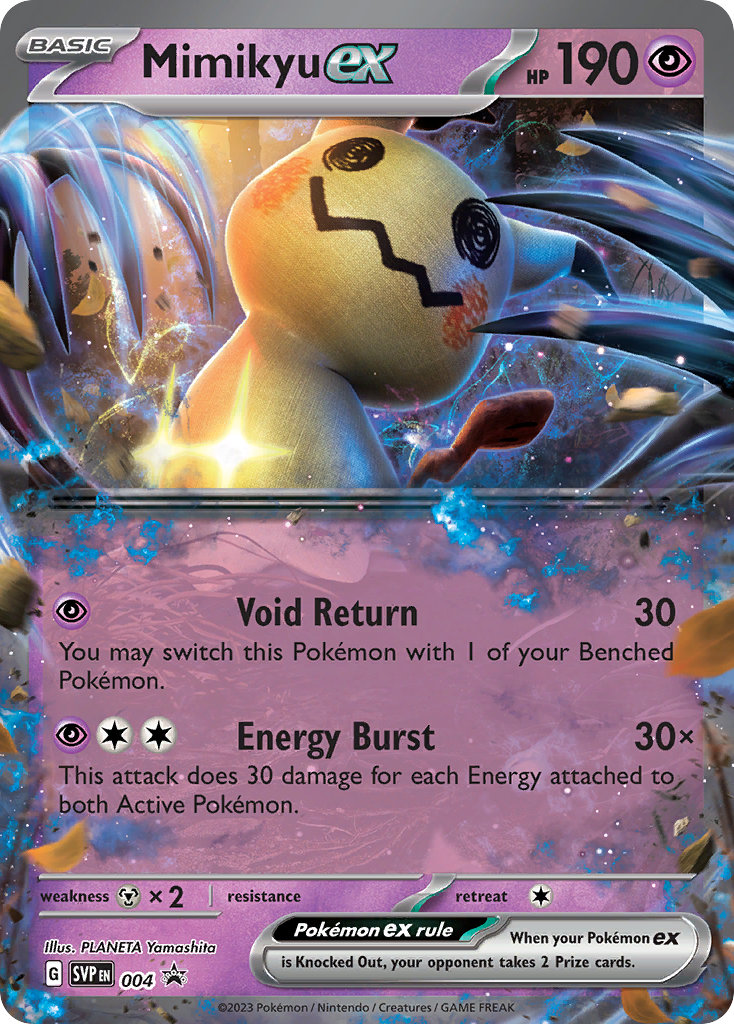
The “ex” designation on a Pokémon card isn’t merely a stylistic choice; it represents a specific period and mechanical innovation within the TCG that has profoundly impacted its long-term market value. Understanding this origin is the first step in appreciating their financial significance.
Distinguishing ex Cards from Earlier Generations
Ex Pokémon cards made their debut with the Ruby & Sapphire expansion in 2003, marking a significant shift from the classic Wizard of the Coast era and the early Nintendo sets. These cards were distinct for several reasons:
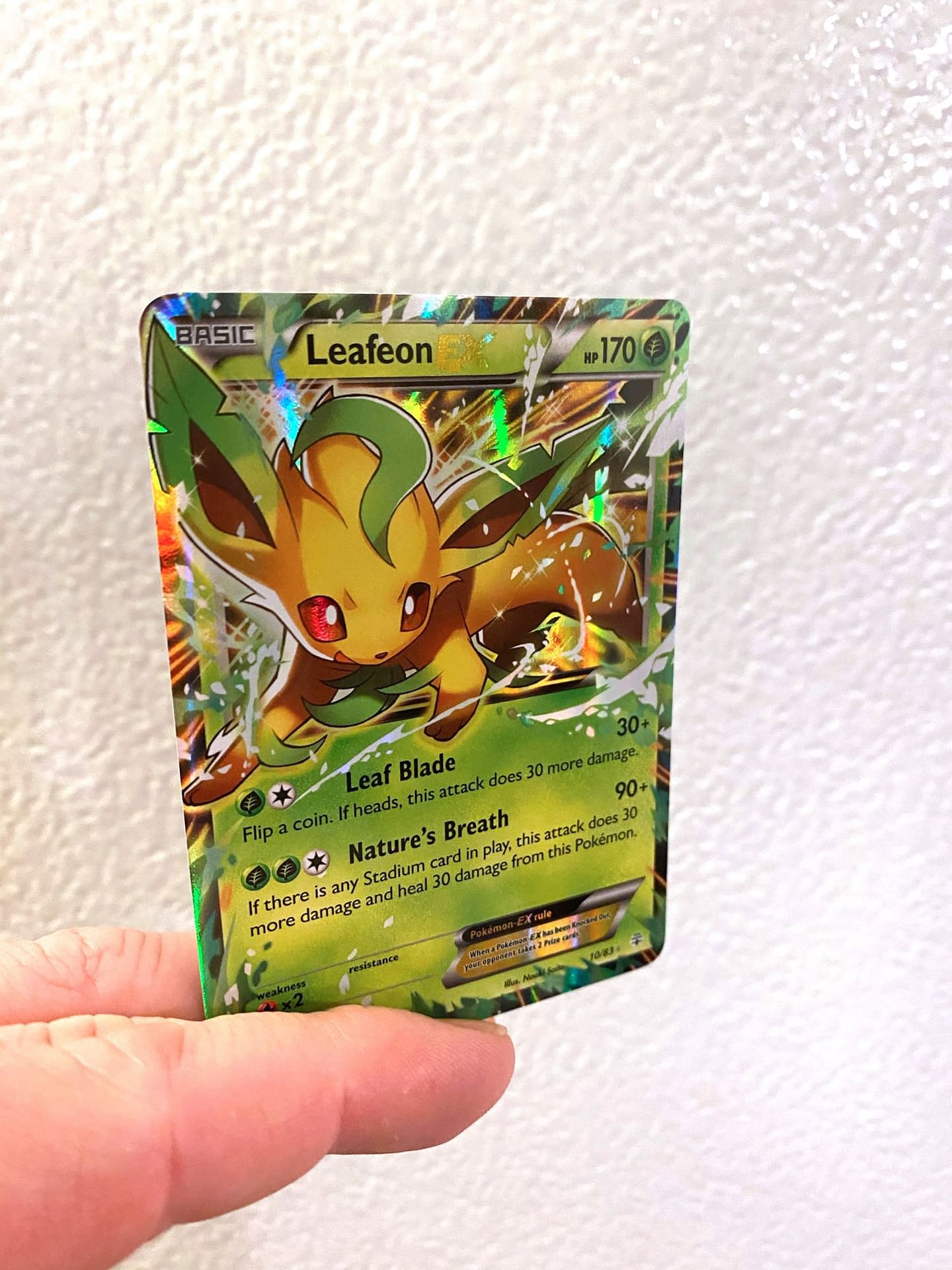
- Unique Mechanics: Unlike standard Pokémon, ex cards were powerful Basic Pokémon (regardless of their in-game evolutionary stage) with higher Hit Points (HP) and stronger attacks. The crucial drawback, which added a layer of strategic depth, was that if an ex Pokémon was Knocked Out, the opponent took two Prize cards instead of the usual one. This risk-reward dynamic made them central to gameplay strategies of the time.
- Visual Design: ex cards featured a striking, full-art holographic foil design that immediately set them apart. The “ex” appeared prominently next to the Pokémon’s name, often in a stylized font, enhancing their visual appeal and perceived rarity. This aesthetic distinction contributed to their desirability from a collector’s standpoint.
- Limited Run: The ex era spanned roughly from 2003 to 2007, encompassing sets like Ruby & Sapphire, Sandstorm, Dragon, Team Magma vs Team Aqua, Hidden Legends, FireRed & LeafGreen, Team Rocket Returns, Deoxys, Emerald, Unseen Forces, Delta Species, Legend Maker, Holon Phantoms, Crystal Guardians, Dragon Frontiers, and Power Keepers. This finite production window naturally contributes to their present-day scarcity.
The Evolution of Play and Perceived Worth
The introduction of ex cards dramatically changed the competitive landscape of the Pokémon TCG. Their power level meant that deck builders often centered strategies around them, making certain popular ex Pokémon highly sought after by players. This initial demand in the competitive scene laid a foundation for their future value. As the game evolved and newer mechanics replaced “ex” (eventually leading to “Lv.X,” “Prime,” “LEGEND,” “EX,” “BREAK,” “GX,” “V,” and “VMAX”), the ex cards transitioned from being competitive staples to revered relics. This transition amplified their collectibility, with players and collectors nostalgic for this specific, impactful era. The perceived worth shifted from pure utility in gameplay to historical significance and rarity.
Set Information and Rarity Tiers
Within the ex era, not all cards are created equal in terms of rarity and value. Key factors include:
- Iconic Pokémon: ex cards featuring beloved Pokémon like Charizard, Blastoise, Venusaur, Rayquaza, and Mewtwo almost always command higher prices.
- Gold Star ex Cards: A particularly rare subset introduced in Team Rocket Returns, Gold Star ex cards feature alternate-color (shiny) Pokémon and are among the most coveted and valuable cards of the ex era. Their pull rates were incredibly low (approximately 1 in 72 booster packs), making them legendary among collectors.
- Promotional ex Cards: Certain ex cards were released as promotional items, often tied to movies, events, or specific product bundles. These can also be exceptionally rare and valuable due to their limited distribution.
- Holofoil Rarity: Most ex cards are “ultra rare” holofoil cards, meaning they appear less frequently than common, uncommon, or rare cards in booster packs. Understanding the specific set and its card distribution is crucial for assessing potential value.
The Financial Landscape of ex Pokémon Card Collecting
Beyond nostalgia and gameplay mechanics, the true allure of ex Pokémon cards for many lies in their financial potential. Navigating this landscape requires understanding the core drivers of valuation, market dynamics, and reliable resources for price tracking.
Rarity, Condition, and Grading: Pillars of Valuation
When assessing the monetary worth of an ex Pokémon card, three factors stand paramount:
- Rarity: As discussed, the inherent scarcity of a card is its foundational value driver. This includes general pull rates, whether it’s a Gold Star, a promo, or a variant with specific art. Lower population counts (how many exist) directly translate to higher demand and price.
- Condition: This is arguably the most critical factor influencing an ex card’s value. Even a rare card in poor condition will fetch a fraction of one in pristine shape. Key aspects of condition include surface wear, edge wear, corner integrity, centering, and absence of creases, dents, or scratches.
- Grading: To standardize condition assessment and instill buyer confidence, professional grading services like PSA (Professional Sports Authenticator), BGS (Beckett Grading Services), and CGC (Certified Guaranty Company) are indispensable. These companies encapsulate cards in tamper-proof holders and assign a numerical grade (typically 1 to 10, with 10 being “Gem Mint”). A PSA 10 Charizard ex from FireRed & LeafGreen could be worth tens of thousands of dollars, while a PSA 7 of the same card might only command a few thousand. The difference in a single grade point can represent a monumental swing in value, making grading a crucial investment strategy for collectors aiming for financial returns. Population reports from these grading companies show how many copies of a specific card exist at each grade level, providing concrete data on its true scarcity.
Market Dynamics: Supply, Demand, and Speculation
The secondary market for ex Pokémon cards operates on classic economic principles:
- Limited Supply: The finite number of ex cards ever printed, coupled with the diminishing number of high-grade examples (due to damage over time), ensures a continually constrained supply.
- Growing Demand: Demand is fueled by multiple sources:
- Nostalgia: Adults who grew up with the TCG are now re-entering the hobby with disposable income.
- New Collectors: Younger generations are drawn to the aesthetic and lore, often seeking out iconic vintage cards.
- Speculators/Investors: Individuals view these cards as alternative investments, buying with the intention of future appreciation.
- Celebrity Influence: High-profile individuals showcasing their collections can trigger surges in market interest.
- Speculation and Flipping: The market sees active speculation, where individuals buy raw cards to grade them, or purchase undervalued graded cards with the goal of selling them at a higher price after a market upswing. This requires keen market insight and a willingness to take calculated risks.
Tracking Market Trends and Price Guides
Informed financial decisions require access to reliable market data. Key resources include:
- eBay Sold Listings: The most accessible and current indicator of real-world transaction prices. Filtering by “sold items” provides actual sales data.
- TCGplayer: A comprehensive marketplace for TCG singles, offering detailed price histories, market prices, and sales data for raw cards.
- CardMavin / PriceCharting: Aggregators that track prices across various platforms, offering historical price graphs and estimated values for both raw and graded cards.
- PSA/BGS/CGC Price Guides & Population Reports: Essential for understanding the value of graded cards and assessing true rarity at specific grade levels.
- Online Communities: Forums, Discord servers, and social media groups dedicated to Pokémon card collecting often share valuable real-time market insights and facilitate direct transactions.
Investing in ex Pokémon Cards: A Niche Asset Class
For those looking beyond pure collecting, ex Pokémon cards present a unique opportunity as a tangible alternative investment. However, like any investment, it comes with its own set of considerations, risks, and potential rewards.
ex Cards as Tangible Investments
Traditional investment portfolios typically consist of stocks, bonds, and real estate. However, the last decade has seen a growing interest in tangible assets or “passion investments” like fine art, vintage cars, rare wine, and high-end collectibles. ex Pokémon cards, particularly those in high grades and featuring iconic Pokémon, fit squarely into this category. They offer:
- Diversification: An asset that historically may not move in lockstep with traditional financial markets.
- Hedge Against Inflation: Tangible assets can sometimes maintain or increase value during periods of inflation when fiat currency loses purchasing power.
- Tangible Appeal: Unlike digital assets, collectors can physically own, display, and enjoy their investments.
Building a Strategic ex Card Portfolio
An investment-focused approach to ex Pokémon cards requires careful strategy:
- Focus on Icons: Prioritize ex cards featuring the most popular and recognizable Pokémon (Charizard, Blastoise, Venusaur, Rayquaza, Mewtwo, Latias/Latios, etc.). These consistently hold and appreciate value due to enduring demand.
- High Grade is King: Invest in cards graded 8 or higher by reputable grading companies. While lower grades are cheaper, the significant value appreciation lies at the top of the grading scale (PSA 9s and 10s).
- Rarity within Rarity: Target Gold Star ex cards or exceptionally rare promotional ex cards. Their extreme scarcity acts as a strong barrier to entry and a powerful value driver.
- Buy the Dip: Monitor market trends and be prepared to purchase during perceived dips or corrections, much like traditional stock investing.
- Diversify (Within Pokémon): While focusing on ex cards, consider diversifying across different iconic Pokémon and even different rare ex card subsets to mitigate risk.
Risks and Rewards of the Pokémon Card Market
Like any investment, ex Pokémon cards carry both risks and potential rewards:
- Rewards:
- Significant Appreciation: High-grade, iconic ex cards have shown remarkable price growth over the past decade.
- Enjoyment: The unique blend of hobby and investment can be highly rewarding.
- Tangible Asset: A physical item that can be held and displayed.
- Risks:
- Market Volatility: Prices can fluctuate rapidly due to hype, economic downturns, or shifts in collector interest.
- Liquidity: Selling extremely high-value cards might take time to find the right buyer.
- Fakes/Counterfeits: A pervasive issue in the collectibles market, requiring due diligence or reliance on graded cards.
- Damage/Deterioration: Unprotected raw cards can lose value quickly.
- Subjective Grading: While standardized, there can still be minor discrepancies or debates on specific grades.
- Bubble Concerns: Some critics argue the market is in a bubble, though demand has remained strong.
Insurance and Storage for Valuable Collections
Treating ex Pokémon cards as a serious investment means protecting them.
- Secure Storage: Graded cards should be stored in secure, climate-controlled environments away from direct sunlight, extreme temperatures, and humidity. Specialized safes or security boxes are advisable for high-value assets.
- Inventory and Documentation: Maintain a detailed inventory of your collection, including images, purchase dates, prices, and grading information.
- Specialized Insurance: Standard homeowner’s insurance policies may not cover the full value of a high-end collection. Consider obtaining specialized collectible insurance to protect against theft, damage, or loss. Companies like Collectibles Insurance Services or Chubb offer such policies.
Monetizing Your ex Pokémon Card Collection: Online Income & Side Hustles
For those who have strategically built or inherited an ex Pokémon card collection, the opportunity to realize financial returns is a compelling aspect. Selling these cards can serve as a significant source of online income or a lucrative side hustle.
Selling ex Cards: Platforms and Best Practices
Successfully monetizing your collection hinges on choosing the right platform and adhering to best selling practices:
- Online Marketplaces:
- eBay: The largest and most accessible platform for selling graded and raw cards. Offers global reach and various listing formats (auction or “Buy It Now”).
- TCGplayer: Ideal for selling raw cards, especially lower to mid-value ones, as it caters specifically to TCG players and collectors.
- Social Media Groups: Dedicated Facebook groups for Pokémon card collectors and investors can be excellent for direct sales, often with lower fees than traditional marketplaces.
- Specialized Auction Houses: For extremely high-value or rare graded cards (e.g., Gold Star ex Charizard PSA 10), auction houses like Heritage Auctions or PWCC Marketplace offer expert consignment services, professional photography, and access to a curated high-net-worth buyer base.
- Best Practices for Selling:
- High-Quality Photography: Clear, well-lit photos from multiple angles (front, back, close-ups of any imperfections) are crucial, especially for raw cards.
- Detailed Descriptions: Be transparent and accurate about the card’s condition, grading, and any specific characteristics. For raw cards, clearly state any wear.
- Competitive Pricing: Research current market rates using sold listings and price guides to price your cards effectively.
- Secure Shipping: Use appropriate protective measures (penny sleeves, toploaders, bubble mailers, rigid boxes) and consider tracked and insured shipping, especially for valuable cards.
- Transparent Communication: Promptly respond to buyer inquiries and maintain open communication throughout the sales process.
Identifying Undervalued Gems for Resale
A common side hustle in the Pokémon card market involves “flipping” cards: buying undervalued cards and reselling them for a profit. This requires a keen eye and extensive market knowledge:
- Buying Raw to Grade: Purchasing raw ex cards in seemingly good condition at a low price, getting them professionally graded, and then selling the graded card for a significant profit if it achieves a high grade. This involves inherent risk, as the final grade is not guaranteed.
- Spotting Mispriced Listings: Constantly scouring marketplaces for listings where sellers have undervalued their cards due to lack of market knowledge, poor photography, or urgency to sell.
- Local Market Finds: Attending local card shows, flea markets, or checking local online classifieds can sometimes yield hidden gems from sellers unaware of the true market value of their ex cards.

The Business of Grading and Restoration (Briefly)
While not direct card selling, the ecosystem around Pokémon card value includes services that can themselves become businesses:
- Card Submission Services: Companies that assist collectors with the often-complex process of submitting cards to grading companies.
- Card Restoration/Cleaning: For very minor imperfections, professional (and ethical) restoration services exist, though their impact on collectibility and grade can be controversial and must be disclosed.
In conclusion, “ex” Pokémon cards are far more than just relics of a past TCG era. They represent a vibrant and dynamic segment of the alternative investment market, brimming with financial opportunities for the discerning collector and investor. From understanding their unique history and mechanics to navigating the complex landscape of grading, market trends, and strategic investment, an informed approach is essential. Whether you’re driven by nostalgia, the thrill of the hunt, or the potential for capital appreciation, engaging with ex Pokémon cards from a financial perspective demands both passion and prudence, offering a rewarding blend of hobby and asset management.
aViewFromTheCave is a participant in the Amazon Services LLC Associates Program, an affiliate advertising program designed to provide a means for sites to earn advertising fees by advertising and linking to Amazon.com. Amazon, the Amazon logo, AmazonSupply, and the AmazonSupply logo are trademarks of Amazon.com, Inc. or its affiliates. As an Amazon Associate we earn affiliate commissions from qualifying purchases.