
In an increasingly digitized global economy, the integrity and security of identity data are paramount. For legal entities operating across borders and within complex financial ecosystems, the Legal Entity Identifier (LEI) has emerged as a critical tool for transparency and risk management. But what does it mean for an LEI to be “encrypted,” and why is this concept becoming so vital in the realm of digital security and financial technology? An encrypted LEI refers not just to the identifier itself, but to the robust technological frameworks and cryptographic methods employed to protect the associated data throughout its lifecycle – from issuance and storage to transmission and verification. It signifies a proactive step towards securing digital identity within the financial sector, ensuring data privacy, integrity, and non-repudiation in a world rife with cyber threats. This exploration delves into the technological underpinnings of encrypted LEIs, their necessity, and their transformative potential for global financial security.

The Foundation: Understanding the Legal Entity Identifier (LEI)
Before delving into the complexities of encryption, it’s crucial to grasp the fundamental nature and purpose of the Legal Entity Identifier (LEI). Conceived in the wake of the 2008 financial crisis, the LEI system was a direct response to the urgent need for a standardized, global identifier capable of providing clear and unique identification of legal entities participating in financial transactions.
What is an LEI? Its Purpose and Importance
A Legal Entity Identifier (LEI) is a 20-character, alpha-numeric code based on the ISO 17442 standard. It serves as a global reference data system, offering a single, unequivocal identification for legal entities involved in financial markets worldwide. The LEI connects financial records, allowing regulators and market participants to get a clear picture of who is involved in which transaction. This transparency is critical for monitoring systemic risk, improving market integrity, and streamlining regulatory reporting across jurisdictions. By having a universal “digital passport,” financial entities can more easily comply with regulations like Dodd-Frank, EMIR, MiFID II, and many others, reducing the administrative burden and associated costs of data aggregation and reconciliation.
The importance of the LEI extends beyond mere compliance; it fosters trust and efficiency within the global financial system. It enables automated risk management, counterparty identification, and the rapid analysis of interconnectedness during market stresses. Without a standardized identifier like the LEI, tracing complex ownership structures and transaction flows across different financial instruments and geographical locations would be an insurmountable task, leaving financial markets vulnerable to opacity and systemic risks.
The Current Landscape of LEI Management
Currently, LEIs are issued by a network of Local Operating Units (LOUs) accredited by the Global Legal Entity Identifier Foundation (GLEIF). These LOUs are responsible for registering and validating LEI data, ensuring its accuracy and regular renewal. The data associated with each LEI, including legal name, address, entity type, and direct/ultimate parentage, is publicly accessible through the GLEIF’s global LEI index. While this public accessibility is fundamental to the LEI’s purpose of transparency, the underlying processes of data collection, storage, and transmission involve sensitive information that, if mishandled, could pose significant security risks.
The management of LEIs typically involves web-based platforms for application and renewal, databases for storage, and various APIs for data dissemination. While existing systems incorporate standard security measures like SSL/TLS for data in transit and access controls for data at rest, the evolving threat landscape necessitates even more advanced protection mechanisms, particularly regarding the integrity and privacy of the foundational data points used to create and maintain an LEI. This is where encryption plays a pivotal role, not in obscuring the identifier itself, but in safeguarding the processes and sensitive data that underpin its issuance and lifecycle management.
Introducing Encryption: Why Digital Security Matters for LEIs
The principle of the LEI is transparency, which means the LEI itself and basic reference data are public. However, the processes of obtaining, validating, renewing, and transmitting LEI-related data involve sensitive organizational information. This information, prior to its public release or during internal system processes, is a prime target for cyber threats. Encryption provides the robust layer of digital security required to protect this critical data.
Core Concepts of Encryption
Encryption is the process of converting information or data into a code to prevent unauthorized access. In simple terms, it scrambles data into an unreadable format (ciphertext) using a complex algorithm and an encryption key. Only those with the correct decryption key can revert the ciphertext back into its original, readable form (plaintext). There are two main types of encryption:
- Symmetric-key encryption: Uses the same key for both encryption and decryption. It’s fast and efficient, often used for encrypting large amounts of data.
- Asymmetric-key (Public-key) encryption: Uses a pair of keys—a public key for encryption and a private key for decryption. The public key can be widely distributed, while the private key remains secret. This method is crucial for secure communication over untrusted networks and for digital signatures, ensuring authenticity and non-repudiation.
Beyond these, cryptographic hashing is another vital concept, generating a fixed-size string of characters (a hash value) from an input. Even a tiny change in the input data results in a completely different hash, making it ideal for verifying data integrity, ensuring that data has not been tampered with.
Vulnerabilities in Unprotected Identifier Data
The data associated with LEIs, while intended for public transparency in its final form, originates from sensitive corporate records. During the application process, or when LOUs exchange information, this data is vulnerable. Without strong encryption, unprotected LEI data can be exposed to:
- Data breaches: Unauthorized access to databases storing LEI application details, leading to the theft of corporate registration information, organizational structures, and even proprietary business details.
- Tampering and manipulation: Malicious actors could alter LEI data, creating fraudulent identities or misrepresenting existing entities, leading to market manipulation, regulatory arbitrage, or identity fraud.
- Eavesdropping: Data transmitted over networks without proper encryption can be intercepted by third parties, revealing sensitive organizational relationships and operational details.
- Reputational damage: A breach of sensitive LEI-related data not only impacts the affected entities but also erodes trust in the global LEI system and the financial ecosystem it supports.
These vulnerabilities underscore the critical need for integrating robust encryption technologies throughout the entire LEI data lifecycle, extending beyond standard network security to encompass data at rest and in processing.
The Imperative for Data Privacy and Integrity
In an era of stringent data protection regulations like GDPR and CCPA, and an escalating landscape of cyber threats, ensuring data privacy and integrity is no longer optional—it’s an imperative. For LEIs, while the end-state transparency is key, the journey to that end-state must be secure. Encryption ensures:
- Confidentiality: Only authorized parties can access and read the sensitive data that feeds into the LEI system.
- Integrity: Cryptographic methods like hashing ensure that LEI data has not been altered or corrupted during storage or transmission.
- Authenticity: Digital signatures, enabled by asymmetric encryption, verify the origin and legitimacy of LEI data and communications, ensuring that data comes from a trusted source (e.g., an LOU).
- Non-repudiation: It provides undeniable proof of the origin and integrity of data, meaning senders cannot falsely deny sending a message, and recipients cannot falsely deny receiving it.
By embedding encryption at various stages, the LEI system can not only maintain its core purpose of transparency but also reinforce trust, enhance security, and ensure compliance with evolving global data protection standards, thereby fortifying the foundational layer of digital identity in finance.
The Mechanism of an Encrypted LEI
The concept of an “encrypted LEI” does not imply encrypting the 20-character LEI code itself, as that would defeat its public transparency purpose. Instead, it refers to the application of cryptographic techniques to the data and processes surrounding the LEI to ensure security, privacy, and integrity. This involves safeguarding the sensitive reference data from which an LEI is derived, securing its transmission, and protecting the systems that manage it.
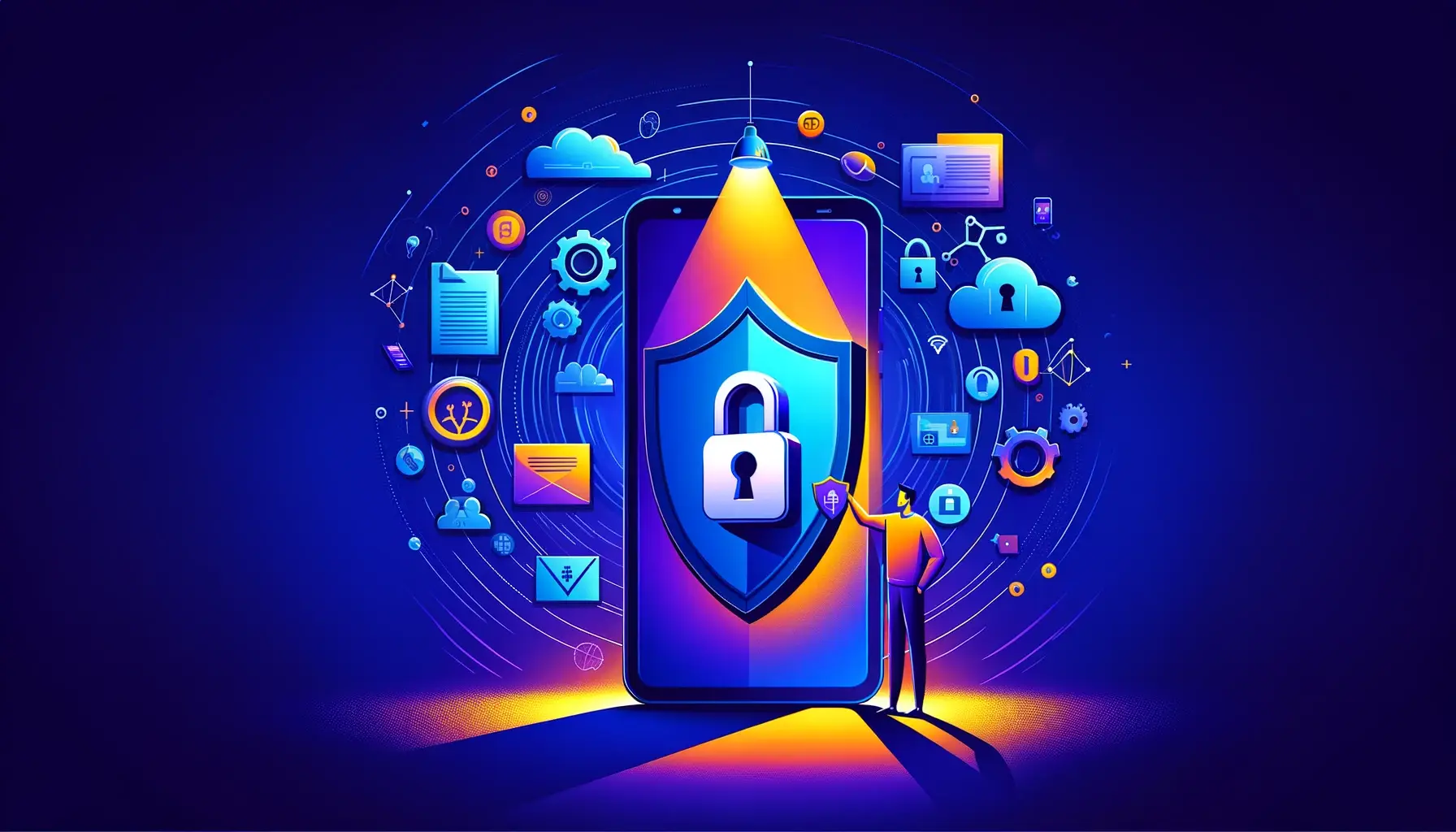
How Encryption Secures LEI Data
Encryption is deployed in several ways to secure LEI-related data:
- Data at Rest Encryption: Databases and storage systems holding sensitive LEI application data (e.g., corporate registration documents, legal entity details before public release, internal validation notes) are encrypted. This means if a database is compromised, the stolen data is unreadable without the encryption key. Technologies like Transparent Data Encryption (TDE) or full-disk encryption are commonly used.
- Data in Transit Encryption: All communication channels used for transmitting LEI data—from an applicant to an LOU, between LOUs, or from LOUs to GLEIF—are secured using protocols like TLS (Transport Layer Security). TLS encrypts the entire communication session, preventing eavesdropping and tampering during data transfer over the internet.
- Digital Signatures: Asymmetric encryption is used to digitally sign LEI records or related documents. When an LOU issues or renews an LEI, it can digitally sign the record. This signature, verifiable by anyone with the LOU’s public key, proves the data’s origin and confirms it hasn’t been altered since it was signed. This is crucial for verifying the authenticity and integrity of LEI data distributed through the global index.
- Secure Multi-Party Computation (SMC) / Homomorphic Encryption: These advanced cryptographic techniques allow computations to be performed on encrypted data without decrypting it. While still largely in research and development for widespread practical use, these could revolutionize how LEI data is verified or aggregated across multiple parties (e.g., LOUs, regulators) while maintaining the privacy of specific sensitive inputs.
Use Cases: From Issuance to Transmission
The application of encryption is pervasive throughout the LEI lifecycle:
- Application Process: When an entity applies for an LEI, their sensitive corporate documents and financial information are submitted. This data should be encrypted as it travels from the applicant’s browser to the LOU’s server (TLS) and then stored encrypted at rest in the LOU’s databases.
- Data Validation and Internal Processing: LOUs perform due diligence and validate the submitted data. During these internal processes, access to sensitive data is controlled, and potentially processed within secure environments like confidential computing platforms that encrypt data even while it’s in use (in memory).
- Data Exchange Between LOUs and GLEIF: When LOUs submit validated LEI records to GLEIF for inclusion in the global index, these transmissions are secured with TLS. Furthermore, data packages can be digitally signed by the LOUs to guarantee authenticity.
- LEI Renewal: The annual renewal process involves updating and re-validating an entity’s data. Encryption ensures that this updated sensitive information is protected during submission and processing, just like the initial application.
- API Access and Data Consumption: While the LEI index is public, APIs that provide access to the data are typically secured using API keys and TLS, ensuring that data is retrieved securely and reliably.
Technologies Powering Secure LEI Systems (e.g., Blockchain, Secure Enclaves)
The drive towards more robust “encrypted LEI” environments is pushing the adoption of cutting-edge technologies:
- Blockchain and Distributed Ledger Technology (DLT): While not directly encrypting the LEI itself, DLT can provide an immutable, transparent, and cryptographically secured ledger for LEI issuance and management. Each LEI issuance or update can be recorded as a transaction on a blockchain, verified by a network of participants, and secured by cryptographic hashes that link blocks together. This inherently provides integrity and auditability. The LEI reference data could be hashed and stored on-chain, with the actual sensitive data stored off-chain and accessed only by authorized parties using encryption. GLEIF is actively exploring blockchain solutions for enhanced LEI management.
- Secure Enclaves / Confidential Computing: These are hardware-based trusted execution environments that protect data even when it’s being processed. Data within an enclave remains encrypted, even from the operating system or cloud provider. This is particularly valuable for processing highly sensitive LEI application data or performing complex validations without exposing the plaintext information to any external party, significantly reducing the risk of data breaches during computation.
- PKI (Public Key Infrastructure): PKI is the foundational technology for managing digital certificates and public/private key pairs, which are essential for digital signatures and secure communication (TLS). A robust PKI ensures the trustworthiness of digital identities involved in the LEI ecosystem.
By integrating these advanced technologies, the LEI system can evolve into a truly “encrypted LEI” environment, offering unparalleled levels of security, integrity, and trust for digital identity within the global financial landscape.
Benefits and Challenges of Encrypted LEI Systems
The move towards more robustly encrypted LEI systems brings a plethora of advantages, primarily centered around enhanced security and improved operational efficiency. However, implementing and scaling such advanced technological frameworks also presents significant challenges that need to be carefully navigated.
Enhanced Security and Trust
The most immediate and profound benefit of an encrypted LEI system is the dramatic enhancement of digital security. By employing state-of-the-art cryptographic techniques, sensitive corporate data associated with LEIs is shielded from unauthorized access, modification, or exposure. This significantly mitigates risks posed by cyberattacks, insider threats, and data breaches. For financial institutions and legal entities, this translates into greater peace of mind, knowing their foundational identification data is secure.
Furthermore, enhanced security fosters deeper trust in the entire LEI ecosystem. When participants are confident in the integrity and confidentiality of the underlying data, they are more likely to fully adopt and rely on the LEI for critical financial operations, regulatory reporting, and risk management. This amplified trust is crucial for the stability and efficiency of global financial markets, allowing for more seamless and secure interactions between entities worldwide. It reinforces the LEI’s role as a reliable pillar of transparent and responsible finance.
Streamlined Compliance and Reduced Fraud
An encrypted LEI system can also play a pivotal role in streamlining compliance efforts. With cryptographic proofs of data origin and integrity, regulatory bodies can have higher assurance regarding the accuracy and authenticity of reported LEI data. This can simplify audit processes and reduce the burden of manual verification, making it easier for entities to meet their regulatory obligations. The automation enabled by secure digital signatures and verifiable credentials attached to LEIs can accelerate reporting timelines and decrease the likelihood of human error.
Crucially, robust encryption and cryptographic anchoring of LEI data significantly reduce the potential for fraud and identity theft within the financial system. By making it exceedingly difficult for malicious actors to tamper with LEI records or impersonate legitimate entities, the system inherently becomes more resilient against various forms of financial crime. This protection extends to preventing the creation of shell companies with fraudulent LEIs or manipulating existing entity data to facilitate illicit activities, thereby strengthening the overall integrity of global financial transactions.
Interoperability and Standardization Hurdles
Despite the clear benefits, implementing a comprehensive encrypted LEI system is not without its challenges, particularly concerning interoperability and standardization. The global nature of the LEI means that any new security framework must be universally applicable and compatible across diverse jurisdictions, technological infrastructures, and regulatory requirements.
Developing and enforcing common encryption standards and protocols across all LOUs and the GLEIF, while integrating with various existing enterprise systems, is a monumental task. Differences in national data privacy laws, cryptographic export controls, and technological capabilities among different regions can create fragmentation, hindering seamless adoption. Achieving interoperability between blockchain-based LEI solutions, secure enclaves from different vendors, and traditional IT systems requires significant coordination and consensus-building among a multitude of stakeholders.
The absence of a unified global standard for “encrypted LEI” mechanisms could lead to a patchwork of disparate security implementations, complicating data exchange, increasing costs, and potentially introducing new vulnerabilities at the integration points. Overcoming these hurdles will necessitate ongoing collaboration between regulatory bodies, technology providers, financial institutions, and international standards organizations to establish universally accepted frameworks and best practices for securing digital identity through the LEI.
The Future of Digital Identity and Encrypted LEIs
The journey towards a fully digitized and securely identified global financial ecosystem is continuous. Encrypted LEIs are not just a response to current threats but a proactive step towards building a more resilient, private, and trustworthy digital identity infrastructure. The evolution of this concept is intrinsically linked to broader trends in digital identity, particularly the push towards user-centric and self-sovereign models.
Self-Sovereign Identity and LEIs
Self-Sovereign Identity (SSI) is a paradigm that gives individuals and organizations ultimate control over their digital identities. Instead of relying on centralized authorities (like governments or corporations) to store and manage identity attributes, SSI enables entities to manage their own verifiable credentials using cryptographic methods, typically built on blockchain or DLT. In an SSI model, an LEI could transition from being merely a publicly managed identifier to a cryptographically verifiable credential owned and controlled by the legal entity itself.
An SSI-enabled LEI would allow an entity to present its LEI and associated verified attributes (e.g., registration details, authorized signatories, industry classifications) directly to counterparties or regulators, without needing to repeatedly fetch data from a centralized public index. These attributes would be issued by trusted authorities (like LOUs or government registries) as verifiable credentials, digitally signed and tamper-proof. The entity would then store these credentials in its digital wallet and selectively disclose specific pieces of information, maintaining privacy while proving its identity and relevant characteristics. This model enhances control, reduces data redundancy, and leverages encryption for credential issuance, storage, and presentation.

Regulatory Push Towards Secure Digital Infrastructures
Regulators worldwide are increasingly recognizing the necessity of robust digital security and privacy as foundational elements for financial stability and consumer protection. The growing volume of digital transactions, the complexity of global supply chains, and the persistent threat of cybercrime are driving a regulatory push towards mandating more secure digital infrastructures. This includes requirements for stronger authentication, data encryption, and verifiable digital identities.
For LEIs, this regulatory emphasis means an accelerated demand for encrypted solutions. Future regulations may explicitly require that the processes of LEI issuance, renewal, and data management adhere to the highest standards of cryptographic security. There will be an increased focus on ensuring the integrity of the LEI golden record, possibly through DLT and secure enclaves, and ensuring that any sensitive data handled during the LEI lifecycle is protected by robust encryption. This regulatory tailwind will undoubtedly drive innovation in the “encrypted LEI” space, fostering the development and adoption of technologies that secure digital identity at scale, ultimately leading to a more secure, transparent, and efficient global financial system. The encrypted LEI is not just a technological enhancement; it’s a vital component in constructing the digital identity backbone of tomorrow’s economy.
aViewFromTheCave is a participant in the Amazon Services LLC Associates Program, an affiliate advertising program designed to provide a means for sites to earn advertising fees by advertising and linking to Amazon.com. Amazon, the Amazon logo, AmazonSupply, and the AmazonSupply logo are trademarks of Amazon.com, Inc. or its affiliates. As an Amazon Associate we earn affiliate commissions from qualifying purchases.